
Leaf Blower
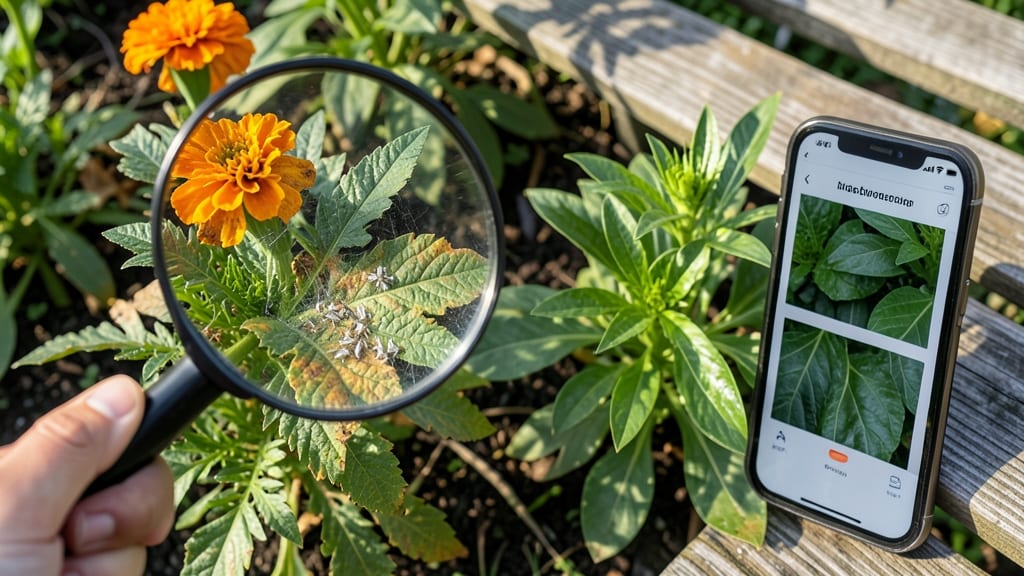
Marigold leaf curl turns those vibrant golden petals into crispy-edged disappointments before they even bloom. 🌻 I’ve seen this happen more than once—healthy-looking plants suddenly develop puckered, curled leaves that look like they’ve been left in the sun too long. The good news? Catching it early makes all the difference.
This issue usually stems from two culprits: viral infections or pests like whiteflies. Viral curl often spreads through infected plants or sap-sucking insects, while pests directly weaken leaves, causing them to curl and crisp at the edges.
The key is spotting the difference—viral curl often appears first on younger leaves, while pest damage might show sticky residue or tiny white specks on the undersides.
Once you know what you’re dealing with, solutions are simple: neem oil sprays for pests, removing infected plants immediately, and keeping your garden clean to prevent reinfection. I’ve saved entire marigold patches by acting fast—your plants can bounce back if you catch it before the edges get too crispy.
Prevention is easier than fixing it: rotate crops, use companion plants like basil to deter pests, and inspect new plants before bringing them home. A little vigilance now means you’ll enjoy those bright blooms all season without the frustrating curl.
Root Causes Of Leaf Distortion
Understanding why marigold leaves develop that unsightly curl is the first step to stopping it in its tracks. These deformities rarely happen by accident—they’re your plants’ way of signaling distress.
Below, we break down the top scientific triggers behind leaf curl, complete with actionable insights to help you diagnose and fix the issue before it spreads.
Marigold leaf curl is most commonly caused by viruses, particularly the Marigold Yellow Mottle Virus (MYMV) or Tomato Yellow Leaf Curl Virus (TYLCV), which are transmitted by whiteflies (those tiny, winged pests). Here’s how it works:
- How it spreads:
- Whiteflies feed on infected plants, then move to healthy ones, injecting viral particles like a syringe. 💉
- Weakened or stressed marigolds are three times more susceptible to viral takeovers.
- Once infected, the virus hijacks the plant’s phloem tissue (the "highway" for nutrients), causing leaves to thicken, curl, and distort as the plant struggles to transport sugars.
- What to watch for:
- Symptoms: Leaves start with a yellowing or mottled pattern, then curl upward or downward like a wave. 🌊
- Timing: Often appears 4–6 weeks after whitefly infestation peaks.
- Pro tip: 🔍 Use a 10x magnifying glass to spot whiteflies on the undersides of leaves—early detection is key!
- How to prevent it:
- Quarantine new plants for 2 weeks before adding them to your garden.
- Remove infected plants immediately (don’t compost them—bag and trash them!).
- Deploy sticky traps or yellow pan traps to monitor whitefly populations.
Extreme or fluctuating conditions can trigger physiological leaf curl, mimicking viral symptoms but without the pathogens. Think of it as your marigolds throwing a tantrum over their surroundings.
- Heat Stress: - Why it happens: Marigolds thrive in warmth (70–85°F), but sudden heatwaves above 95°F can scramble their cellular structure.
High temperatures disrupt chlorophyll production, leading to curled, crispy-edged leaves. - Red flags: Leaves curl along the edges first, often with a silvery or white cast (not yellow). - Fix it: Provide afternoon shade with shade cloth (30–50% coverage) and mulch heavily to keep roots cool.
- Water Woes: - Overwatering: Soggy soil starves roots of oxygen, causing root rot and nutrient uptake failures.
Leaves curl upward in a desperate bid to reduce water loss. 💧➡️🌿 - Underwatering: Leaves curl downward and inward as the plant conserves moisture, often paired with dry, brittle edges. - Solution: Water deeply but infrequently—aim for 1 inch per week (adjust for clay/sandy soil).
Use a moisture meter to check soil levels.
- Wind & Physical Damage:
- How it starts: Strong gusts or leaf blower use too close to plants can bruise or tear leaf tissue, triggering a curl response as the plant tries to "heal" damaged cells.
- Quick fix: Stake tall marigolds in windy areas and avoid high-speed leaf blowing near foliage.
Leaf curl can also be a cry for help from your marigolds’ diet. Specific deficiencies or excesses throw their growth patterns into chaos.
| Nutrient Issue | Symptoms | How to Fix It |
|---|---|---|
| Magnesium Deficiency | Yellowing between leaf veins (interveinal chlorosis) + upward curl | Apply Epsom salt (1 tbsp/gallon water) every 2 weeks or switch to magnesium-rich compost. |
| Potassium Deficiency | Curled, brittle edges with brown spots | Feed with potassium sulfate (0-0-50) or banana peel tea. |
| Nitrogen Excess | Dark green, thick leaves that curl downward (luxuriant growth) | Flush soil with water to leach excess N and reduce fertilizer strength. |
| Calcium Deficiency | New leaves curl upward with cupped edges | Sprinkle crushed eggshells or use calcium nitrate. |
- Pro tip: 🌡️ Test your soil (pH should be 6.0–7.0 for marigolds). A pH imbalance (too acidic or alkaline) locks out nutrients, even if they’re in the soil!
While whiteflies are the top viral vectors, other pests can physically damage leaves, leading to curl as a secondary response.
- Spider Mites:
- How they strike: These tiny arachnids pierce cells to suck out sap, causing stippling (tiny white dots) and leaf curling as the plant reacts to tissue loss.
- Tell-tale sign: Look for fine webbing on undersides. 🕸️
- Stop them: Spray with neem oil or introduce predatory mites.
- Aphids:
- Damage: Cluster on new growth, distorting leaves as they feed. Infested leaves often curl downward and become sticky (from honeydew).
- Control: Blast off with a strong water spray or use soapy water (1 tsp mild soap per quart).
- Thrips:
- Clue: Leaves develop silver streaks and buds fail to open, leading to curled, deformed foliage.
- Solution: Yellow sticky cards trap them, and row covers block new infestations.
Less common but possible, pathogens can cause leaf curl by clogging vascular systems or disrupting cell structure.
- Bacterial Leaf Curl (e.g., Pseudomonas):
- Prevention: Sterilize pruners with rubbing alcohol and rotate crops annually.
Leaf curl in marigolds is almost never random—it’s a multi-factor warning sign. Start by ruling out the most likely culprits:
- Check for whiteflies (viral spread).
- Inspect leaf edges (heat/water stress).
- Test soil nutrients (deficiencies/excesses).
- Search for pests (mites, aphids, thrips).
Act fast, and you’ll save your marigolds from permanent damage—and keep those golden blooms crisp and vibrant! 🌼✨
Fixing Wrinkled Marigold Leaves
Marigolds are tough, but even they can succumb to leaf curl—whether from pests, disease, or environmental stress. The good news? Most causes have simple fixes. Below, we’ll match the likely culprit to a practical, step-by-step solution, plus tips to keep your marigolds thriving.
If tiny insects (like aphids, spider mites, or whiteflies) are the cause, act fast to stop the spread.
🔥 Step 1: Inspect & Confirm
- Shake plants over a white sheet to spot pests. Look for:
- Sticky residue (honeydew) on leaves 🍯
- Fine webbing (spider mites)
- Clusters of tiny bugs on undersides
🍳 Step 2: Blast Them Off
- Neem oil spray (1 tsp neem oil + 1 tsp mild soap + 1 quart water): Spray undersides and stems. Reapply every 5–7 days.
- Insecticidal soap (store-bought or DIY): Mix 2 tbsp castile soap + 1 quart water. Spray directly on pests.
- Water blast: For aphids, hose them off with a strong stream of water.
👨🍳 Step 3: Prevent Reinvasion
- Yellow sticky traps: Hang near plants to catch flying pests.
- Encourage predators: Ladybugs and lacewings love aphids—buy them online or attract them with dill or fennel.
- Remove debris: Clear fallen leaves where pests hide.
💡 Pro Tip: If pests return, rotate treatments to avoid resistance.
Leaf curl from pathogens (like cucumber mosaic virus or powdery mildew) requires a different approach.
🔥 Step 1: Confirm the Cause
- Fungal? Check for white powdery spots (mildew) or black/brown lesions.
- Viral? Look for mosaic patterns or stunted growth.
🍳 Step 2: Remove Affected Plants
- Severely infected? Pull and destroy the plant (don’t compost—bag it).
- Mild cases? Trim curled leaves with sterilized scissors, then dispose of them.
👨🍳 Step 3: Boost Plant Health
- Fungicide spray: Use baking soda mix (1 tbsp baking soda + 1 quart water + a drop of soap) or a copper-based fungicide.
- Improve airflow: Space plants 12–18 inches apart and prune nearby foliage.
- Water at the base: Avoid wetting leaves to prevent spores from spreading.
🌡️ Prevention Tips:
- Rotate crops: Don’t plant marigolds in the same spot yearly.
- Sterilize tools: Wipe pruners with rubbing alcohol between uses.
- Resistant varieties: Choose French marigolds (like ‘Bonanza’), which are less prone to viral issues.
Heat, humidity, or poor soil can curl leaves—fix these factors first.
🔥 Step 1: Check Soil & Water
- Drought stress? Water deeply 1–2 inches per week (more in extreme heat).
- Overwatering? Let soil dry between waterings—marigolds hate soggy roots.
- Poor drainage? Amend soil with compost or perlite to improve airflow.
🍳 Step 2: Shield from Harsh Conditions
- Afternoon sun? Provide light shade (like a sheer cloth) during peak heat.
- High humidity? Space plants wider to reduce fungal risk.
👨🍳 Step 3: Fertilize Smartly
- Too much nitrogen? Switch to a balanced 10-10-10 fertilizer or compost tea.
- Deficiencies? Yellowing between veins? Add iron chelate or Epsom salt (1 tbsp/gallon).
✨ Prevention Checklist:
- Mulch well: Use straw or wood chips to retain moisture and regulate temps.
- Avoid cold drafts: Keep marigolds away from AC vents or late-season frosts.
- Prune regularly: Remove dead leaves to redirect energy to new growth.
Once your marigolds recover, prevent future curl with these habits:
- Monitor daily: Check undersides of leaves for early pest signs.
- Rotate plants: Move marigolds every 2–3 years to prevent soil-borne issues.
- Companion plant: Pair with basil, garlic, or thyme to repel pests naturally.
🎯 Final Reminder: Act fast—early intervention is key! Most marigolds bounce back with the right care. If all else fails, start fresh with healthy cuttings or new plants. 🌻
Frequently asked questions
Why do my marigold leaves curl at the edges first?
Edge curling often signals heat stress or water issues. When temperatures exceed 95°F or soil dries out too quickly, marigolds react by curling edges to reduce water loss. Check for crispy edges—this confirms drought stress. Water deeply 1 inch per week and provide afternoon shade with shade cloth.
Can I save my marigold plant if it has viral leaf curl?
Unfortunately, viral infections like Marigold Yellow Mottle Virus have no cure. Remove infected plants immediately to prevent spread to healthy ones. Quarantine new plants for 2 weeks before adding them to your garden. Focus on preventing whiteflies—the main virus carriers—with yellow sticky traps and neem oil sprays.
What's the fastest way to get rid of spider mites causing leaf curl?
Start with a strong water blast to knock off mites, then apply neem oil spray (1 tsp neem + 1 tsp soap per quart of water) every 5 days. For severe infestations, introduce predatory mites or use insecticidal soap. Check undersides daily—mites thrive in dry conditions, so maintain 60-70% humidity around plants.
Will pruning curled leaves help my marigold recover?
Yes, but only if the curl is from pests or environmental stress, not viruses. Trim affected leaves with sterilized scissors to redirect energy to healthy growth. For pest damage, remove heavily infested leaves first. Avoid pruning during extreme heat—wait until morning when temperatures are below 80°F.
How can I tell if my marigold's leaf curl is from pests or disease?
Look for these clues: Pests often leave sticky residue (honeydew), tiny white specks (eggs), or webbing. Diseases show mosaic patterns or water-soaked spots. Viral curl appears on younger leaves first, while fungal curl often has powdery white coatings. Use a 10x magnifying glass to check leaf undersides for pests.