
Pests and Diseases
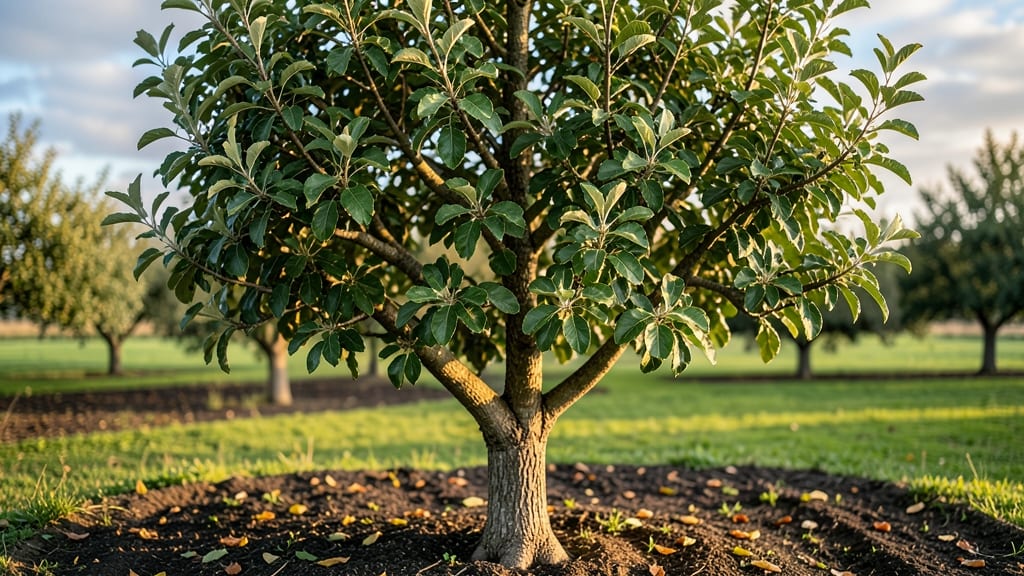
Those crispy brown edges on your Malus domestica leaf aren’t just unsightly—they’re a fungal warning sign. 🌿 I’ve saved my own apple trees from looking like autumn too soon with a simple copper spray cure that stops the spread in its tracks.
The key? Timing, concentration, and knowing when to step in before the disease takes over.
This isn’t about expensive treatments or complicated chemistry—just a 1% copper fungicide mixed with water, applied at the right time. Most gardeners wait until the damage is visible, but the best results come from spraying before the first signs appear, usually in early spring or after rain.
Think of it like armor for your leaves.
Within a week of treatment, you’ll see new growth pushing out with smooth, healthy edges. The copper doesn’t just mask the problem; it builds resistance so your tree fights off future infections. Plus, it’s safe for bees and other pollinators once fully dry—just avoid spraying when flowers are open.
Works for both ornamental crabapples and fruit-bearing varieties, and the same spray tackles apple scab and sooty mold too. Here’s exactly how to mix, apply, and time it for maximum impact—no guesswork involved.
📚 In This Guide
- What you need
- Instructions
- Tips and common mistakes
- Wrapping up and next steps
What you need
- ● Copper-based fungicide: Choose a ready-to-use liquid copper fungicide (e.g., Copper Sulfate Pentahydrate or Copper Hydroxide). Aim for 2–4 lbs per 100 gallons of water (follow label instructions for exact ratios).
- ● Water: 5 gallons of clean, chlorine-free water (rainwater or distilled works best). Avoid tap water if it’s heavily chlorinated.
- ● Spray equipment: A hose-end sprayer (for large trees) or
- ● A handheld pump sprayer (1–2 gallon capacity, with a fine-mist nozzle for even coverage).
- ● Protective gear: Nitrile gloves (copper can irritate skin!)
- ● Long sleeves/pants (to avoid contact with leaves or spray).
- ● Safety goggles (if spraying near eyes or windy conditions).
- ● Stirring tool: A wooden stick or plastic spoon (avoid metal to prevent chemical reactions).
- ● Detergent (mild): 1 tsp of liquid dish soap (e.g., Castile soap) per gallon of spray mix to help the solution stick to leaves.
- ● pH strips: To test water pH (ideal range: 5.0–7.0 for copper effectiveness).
- ● Ladder or extension pole: For reaching high branches safely.
- ● Marking spray (water-based): To outline treated areas if tracking progress.
- ● ✅ Timing: Apply spray on a cool, overcast day (avoid direct sunlight or wind) to prevent leaf burn.
- ● ✅ Tree health: Prune dead or heavily infected leaves/branches before spraying for better absorption.
- ● ⚠️ Safety first: Never spray when bees are active (copper is toxic to pollinators). Apply early morning or late evening.
- ● ⚠️ Reapplication: Fungal diseases like Venturia inaequalis (apple scab) may need **2–3 treatments, spaced 7–14 days apart.
Step-by-Step instructions for treating crispy edge fungal disease on apple tree leaves
Here's the method I rely on to rescue apple trees when those telltale crispy edges appear.
🌿 Step 1: Confirm the Problem and Prune Damaged Leaves
First, examine the affected leaves closely. Crispy edges with brown or blackened areas are classic signs of fungal infection—often caused by alternating wet and dry periods. Gently remove any severely damaged leaves by hand or with clean pruning shears. Don't tear leaves; this spreads spores and stresses the tree further.
Focus on leaves with more than 30% damage. Healthy leaves can still photosynthesize, but removing the worst cases prevents the fungus from spreading. I always prune in the early morning when humidity is lowest—this gives the tree time to recover before evening dew sets in.
💧 Step 2: Apply a Copper-Based Fungicide Solution
Use a copper fungicide spray (like copper sulfate or copper hydroxide) mixed according to label instructions. I prefer liquid copper sprays because they're easier to apply evenly. The key is coverage—spray both the top and underside of leaves, where fungi often hide. Aim for a fine mist that coats leaves uniformly without running off.
Apply when temperatures are between 50-85°F and the forecast calls for dry, wind-free conditions. Avoid spraying if rain is expected within 24 hours—the copper needs time to bond with the leaf surface. I like to add a drop of dish soap per gallon to help the solution stick better.
⏰ Step 3: Schedule Follow-Up Sprays for Prevention
Fungal diseases like crispy edge thrive in moist conditions, so prevention is critical. Schedule a second application 7-10 days after the first spray. This ensures you catch any new spores that may have settled during that window. I mark my calendar with the initial spray date and set a reminder for the follow-up.
After the second spray, monitor the tree for new symptoms. Healthy new growth should appear within 2-3 weeks if the fungus was caught early. If crispy edges persist, the infection may have spread deeper into the tree—consider consulting a local arborist for a more aggressive treatment plan.
☀️ Step 4: Adjust Watering and Improve Airflow
Overhead watering is a common culprit for crispy edge disease. Switch to drip irrigation or soaker hoses to keep the foliage dry. Water the base of the tree in the morning so leaves have all day to dry. I also mulch around the tree with 2-3 inches of organic mulch to retain moisture in the soil while keeping the canopy dry.
Prune any dense branches that block airflow. Thin out crowded areas to let sunlight and air circulate through the canopy. This isn't just about aesthetics—better airflow prevents humidity buildup, which fungi love. I use clean, sharp pruners and make cuts just above a leaf node to encourage healthy regrowth.
Tips & tricks for perfect apple tree leaf rescue
Real talk: Crispy edges on apple tree leaves can be a nightmare, but these tried-and-true tricks will help you turn things around fast. I’ve learned these the hard way after watching trees suffer from fungal infections.
Pruning Precision: When removing leaves with over 30% damage in Step 1, don’t just rip them off—use clean pruning shears and cut at a 45-degree angle. This prevents tearing and reduces stress on the tree. I’ve seen trees recover faster when you’re gentle with the pruning process. The goal is to remove the worst offenders while keeping the rest of the canopy healthy.
Copper Application Strategy: In Step 2, focus on applying the copper fungicide solution when temperatures are between 50-85°F—this is the sweet spot for effective bonding. If you’re working in hotter conditions, spray early in the morning to avoid stressing the leaves. A light mist is better than a heavy drench, which can cause runoff and waste product. I always add a drop of dish soap per gallon to help the solution stick and spread evenly.
Follow-Up Reminder System: The 7-10 day window for the second spray in Step 3 is critical. I set a calendar reminder right after the first application so I don’t forget. Missing this follow-up can mean the fungus gets a second chance to take hold. If you’re unsure about the timing, just check the leaves for new crispy edges—if you see any, it’s time for that second spray.
Airflow and Watering Adjustments: In Step 4, switching to drip irrigation or soaker hoses is a game-changer. Overhead watering is the number one way to spread fungal spores, so this small adjustment can make a huge difference. Also, mulching with 2-3 inches of organic mulch helps retain moisture in the soil while keeping the canopy dry. This balance is key to preventing future outbreaks.
Pro Tips for Malus Domestica Leaf
- Real talk: Crispy edges on apple tree leaves can be a nightmare, but these tried-and-true tricks will help you turn things around fast.
- Pruning Precision: When removing leaves with over 30% damage in Step 1, don’t just rip them off—use clean pruning shears and cut at a 45-degree angle.
- Copper Application Strategy: In Step 2, focus on applying the copper fungicide solution when temperatures are between 50-85°F—this is the sweet spot for effective bonding.
Frequently asked questions
Why are my Malus domestica leaves turning brown or crispy at the edges?
Crispy, brown edges on apple tree leaves are often caused by Alternaria leaf spot or Venturia (apple scab). Fungal spores thrive in wet conditions, so if you’ve had recent rain or high humidity, copper spray can help. Act fast—prune infected leaves and apply a fungicide before spores spread further.
When is the best time to spray copper on Malus domestica leaves?
Timing is key! Apply copper fungicide before symptoms appear—ideally in early spring (just as buds swell) and again after harvest (late summer). Avoid spraying when rain is forecasted (wait 24–48 hours) to let the copper bond to leaves. Never spray during blooming (it harms bees!).
What are natural alternatives to copper spray for fungal issues?
If you prefer organic options, try:
- Baking soda spray: Mix 1 tsp baking soda + 1 tbsp oil + 1 tsp soap in 1 gallon of water. Spray undersides of leaves weekly.
- Neem oil: Diligently coat leaves (follow label rates) to disrupt fungal growth.
- Compost tea: Boosts beneficial microbes that outcompete pathogens.
My tree’s leaves are curling—could it be a pest instead of fungus?
Curling leaves might signal aphids, mites, or apple leafcurling midge. Check for:
- Sticky residue (aphids)
- Tiny webs (mites)
- New growth distortion (midges)
Will copper spray harm beneficial insects like bees or ladybugs?
Copper fungicides are low-toxicity to bees and ladybugs if used correctly. To minimize risks:
- Avoid spraying during bloom (bees are most active).
- Apply in early morning or late evening when pollinators are less active.
- Choose micronized copper (less likely to drift than dust forms).
Wrapping up and next steps
Malus domestica leaves don’t have to become a fungal battleground! With a simple copper spray remedy, you can rescue your apple tree’s crispy edges and restore its health. 🌿✨ This natural solution is effective, eco-friendly, and easy to apply—just gather your supplies, follow the steps, and watch your tree thrive.
Ready to take action? Start with a preventive spray this season and keep your Malus domestica leaves lush and disease-free. Your apple tree—and future harvests—will thank you!