
Shrubs
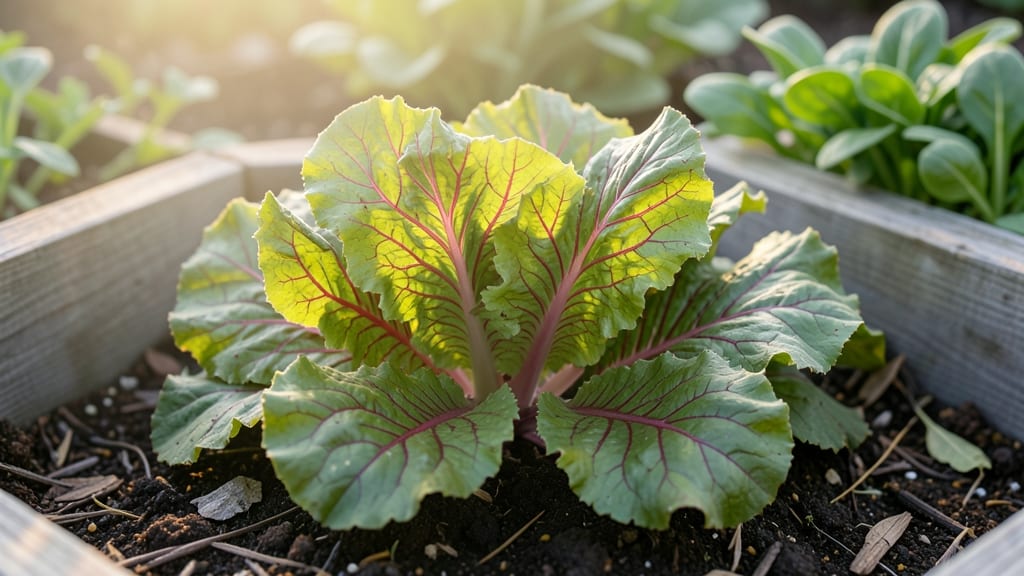
A lettuce leaf with red veins isn’t just a striking visual quirk—it’s a clear signal that your plant is struggling. 🌱 This common issue points to deeper problems like nutrient imbalances, stress, or even pests, and ignoring it can stunt growth or invite disease.
Let’s diagnose the root cause and restore healthy green foliage before it’s too late.
Red veins often indicate phosphorus deficiency (critical for root and flower development) or excess nitrogen (which can mask other deficiencies). Heat stress, drought, or even overwatering can trigger this too—lettuce thrives in cool, consistent conditions.
Check your soil pH (ideal: 6.0-7.0) and inspect leaves for other signs like yellowing or spots that hint at pests or disease.
A balanced 5-10-10 fertilizer (or compost tea) can correct phosphorus shortages, while cutting back on nitrogen-rich amendments (like fresh manure) may help. For stress relief, ensure 1-2 inches of water weekly and mulch to stabilize soil moisture.
If pests like aphids are present, a soapy water spray (1 tsp mild soap per quart of water) can restore health without harsh chemicals.
With the right adjustments, your lettuce will rebound—stronger roots, vibrant green leaves, and even better flavor. The key is acting fast; red veins won’t fix themselves. Let’s get your plants back on track before the damage spreads.
Understanding Red Veins On Lettuce
If your lettuce leaves are developing striking red veins instead of the usual green, it’s not just a visual quirk—it’s often a sign of underlying plant stress or environmental cues.
While some varieties naturally produce red-tinged foliage, sudden or intense reddening can indicate deeper issues. Let’s break down the most common causes and what they reveal about your lettuce’s health.
The most harmless reason for red veins in lettuce is genetics. Many heirloom and ornamental varieties—like ‘Red Vein’ lettuce, ‘Blushing Butter,’ or ‘Lollo Rossa’—are bred to develop anthocyanins, pigments that turn leaves deep red or purple under certain conditions.
These pigments act as natural sunscreen, protecting the plant from UV damage and even improving cold tolerance.
💡 Pro Tip: If you’re growing a known red-veined variety, the color is likely intentional. Check your seed packet or plant tags for confirmation. If it’s a surprise, though, other factors may be at play.
Lettuce is a shade-loving crop, and when exposed to excessive sunlight—especially during hot afternoons—it can trigger a survival response. The plant produces anthocyanins as a protective measure against UV radiation and heat stress.
This is why red veins often appear in outdoor lettuce during peak summer months or in full-sun garden beds.
🌡️ Signs of Sun Stress:
- Leaves turn crispy or wilted at the edges
- Red veins spread beyond just the midrib to entire leaf sections
- Growth slows or stalls
🔥 Fix It: Provide afternoon shade with a cloche, shade cloth (30-50% coverage), or a nearby taller plant (like basil or borage) to break direct sunlight. Mulching with straw or wood chips also helps retain moisture and cool roots.
Both underwatering and overwatering can cause lettuce to produce red veins, but the mechanisms differ. When soil dries out, the plant conserves water by reducing leaf surface area (through wilting) and increasing anthocyanin production to protect cells.
Conversely, poor drainage or soggy soil can lead to oxygen deprivation in roots, forcing the plant into a stress response that manifests as reddening.
📊 How to Diagnose:
Symptom
Cause
Solution
Dry, crispy leaf edges
Underwatering
Water deeply 1-2x/week (1 inch total). Use drip irrigation to avoid wetting leaves.
Yellowing between veins (chlorosis)
Overwatering or compacted soil
Amend soil with compost, improve drainage, and water only when top 1 inch is dry.
✨ Bonus: Lettuce thrives in consistently moist (not soggy) soil. A moisture meter can help gauge when to water.
Lettuce is a cool-season crop, and extreme temperatures—whether freezing nights or scorching days—can trigger red vein development. Cold stress (<40°F) causes cells to produce anthocyanins as a form of cryoprotection, while heat stress (>85°F) leads to protein denaturation, prompting the same pigment response.
🔥 Actionable Tips:
- 🌿 For Cold: Use row covers or cold frames to protect plants from frost. Choose cold-hardy varieties like ‘Winter Density’ or ‘Arctic King.’
- 🌡️ For Heat: Succession plant lettuce in partial shade or opt for heat-tolerant varieties like ‘Jericho’ or ‘Black Seeded Simpson.’
While lettuce doesn’t have high nutrient demands, deficiencies or excesses of certain minerals can lead to red veins. The most common culprits:
- Phosphorus Deficiency: Red or purple veins often appear when phosphorus (P) is lacking, as the plant redirects energy to root growth. Test soil pH—ideal for lettuce is 6.0-7.0—and amend with bone meal or compost if levels are low.
- Nitrogen Surplus: Too much nitrogen (from over-fertilizing) can cause red veins by disrupting chlorophyll production. Use a balanced fertilizer (10-10-10) and avoid synthetic boosts mid-season.
- Magnesium or Calcium Deficiency: These minerals help regulate cell structure. Yellowing between veins (with red veins remaining) may signal a need for Epsom salt (magnesium sulfate) or crushed eggshells (calcium).
💡 Quick Test: If red veins appear alongside stunted growth or leaf curling, a soil test kit (available at garden centers) can pinpoint deficiencies.
Most red-veined lettuce is harmless and may even taste sweeter, but persistent stress can reduce yield or quality. By addressing the root cause—whether it’s sunlight, water, temperature, or nutrients—you’ll help your lettuce thrive while keeping those vibrant veins as a bonus feature!
Quick Fixes for Vibrant Leaf Health
Reviving your lettuce’s striking red veins—and keeping them that way—starts with identifying the root cause and acting fast. Below, we’ve mapped out practical, step-by-step solutions for the most common triggers, plus prevention tips to ensure your shade-loving stunner stays bold and beautiful all season long.
Signs: Yellowing between veins, soggy soil, or wilting despite moisture. Why it happens: Too much water suffocates roots, diluting nutrient uptake and triggering stress that manifests as red veins.
How to Fix It:
- 🔥 Stop Watering Immediately – Let the top 1–2 inches of soil dry out before watering again. Stick your finger in the soil; if it’s damp, wait.
- 👨🍳 Improve Drainage – If your pot lacks drainage holes, transfer your lettuce to a container with them or add a layer of perlite or coarse sand to the bottom 1/3 of the pot.
- ⏰ Adjust Your Schedule – Water early in the morning (not at night) to reduce fungal risks. Aim for 1 inch of water per week (less in humid climates).
- 🌡️ Boost Airflow – Space plants 6–12 inches apart to prevent stagnant moisture.
💡 Pro Tip: If your soil feels compacted, fluff it gently with a fork to encourage root aeration. Over time, mix in compost or worm castings to improve structure.
Signs: Scorched edges, crispy leaves, or veins turning bright red (a stress signal). Why it happens: Lettuce thrives in partial shade (3–6 hours of morning sun). Harsh afternoon sun or heatwaves cause cellular damage, triggering red pigment as a defense.
How to Fix It:
- 🍳 Move to Shade ASAP – Relocate your lettuce to a spot with dappled sunlight or filtered shade (e.g., under a sheer curtain or near a north-facing window).
- 🌿 Use Mulch – Spread 2–3 inches of straw or shredded leaves around the base to keep roots cool and retain moisture.
- 💦 Water Deeply in Heatwaves – Soak the soil once daily (early morning) to prevent wilting. Avoid overhead spraying, which can scorch leaves.
- ✨ Temporary Shade Cloth – If outdoors, drape a 30–50% shade cloth over your plants for 2–3 weeks to help them recover.
🔥 Quick Recovery Hack: Trim the most damaged outer leaves to redirect energy to new growth. Your lettuce will bounce back faster!
Signs: Pale veins, stunted growth, or reddish-purple veins (common in nitrogen or phosphorus deficiency). Why it happens: Lettuce needs a balanced diet of nitrogen (for leaves), phosphorus (for roots), and potassium (for resilience). Poor soil or over-fertilizing can throw off the mix.
How to Fix It: Use this simple fertilizer guide based on your lettuce’s needs:
| Issue | Likely Deficiency | Solution |
|---|---|---|
| Pale veins, slow growth | Nitrogen (N) | Apply balanced liquid fertilizer (10-10-10) or compost tea. |
| Reddish-purple veins | Phosphorus (P) | Use a phosphorus-rich fertilizer (5-10-5) or bone meal. |
| Yellowing between veins | Magnesium or Iron | Sprinkle Epsom salt (1 tbsp/gallon of water) or use chelated iron. |
| Weak stems, wilting | Potassium (K) | Feed with potassium sulfate or banana peel tea. |
💡 Pro Tip: Over-fertilizing is worse than under-fertilizing! Lettuce is a light feeder—stick to half-strength applications every 3–4 weeks.
Signs: Chewed leaves, sticky residue (aphids), or red veins from sap-sucking pests (like spider mites). Why it happens: Pests like aphids, slugs, or flea beetles weaken plants, causing stress that triggers red veins.
How to Fix It:
- 🔪 Manual Removal – Crush aphids with your fingers or spray off slugs with a strong water jet.
- 🍳 Homemade Sprays –
- Neem oil spray (1 tsp neem oil + 1 tsp mild soap + 1 quart water) – spray every 3–4 days.
- Garlic spray (blend 3 garlic cloves + 1 quart water; strain and spray) – repels soft-bodied pests.
- 🌿 Companion Planting – Interplant with nasturtiums, marigolds, or chives to deter pests naturally.
- 🛡️ Physical Barriers – Use row covers or copper tape around pots to block slugs and beetles.
✨ Prevention Tip: Inspect leaves weekly—catch pests early before they cause vein damage!
Prevention is your best tool! Follow these easy habits to maintain those show-stopping veins:
- 📊 Soil Test First – Use a DIY soil test kit to check pH (ideal: 6.0–7.0).
Amend with lime (to raise pH) or sulfur (to lower it) if needed. - 🥗 Rotate Crops – Avoid planting lettuce in the same spot yearly to prevent nutrient depletion. - 🌡️ Harvest Strategically – Pick outer leaves first to encourage new growth without shocking the plant. - 🎯 Succession Plant – Sow new seeds every 2 weeks for a continuous harvest of vibrant lettuce.
Final Thought: Your lettuce’s red veins aren’t just a flaw—they’re a sign of resilience! With the right care, your shade-loving stunner will flaunt those bold colors from spring to fall. 🌿✨
Frequently asked questions
Is red-veined lettuce safe to eat?
Yes! Red veins in lettuce are completely safe to eat and often indicate a nutrient-rich plant. The red pigment (anthocyanin) is actually beneficial—it acts as a natural antioxidant. Just ensure the red veins aren't accompanied by other signs of disease like mold or large brown spots, which could indicate rot or pest damage.
Can I fix red veins caused by heat stress?
Move your lettuce to a shadier spot immediately and provide afternoon shade with a 30-50% shade cloth or a nearby taller plant. Water deeply in the morning to keep roots cool, and mulch with straw to retain moisture. Most plants recover within 1-2 weeks of proper care.
How do I know if my lettuce has a nutrient deficiency?
Check for these clues: Reddish-purple veins often signal phosphorus deficiency, while yellowing between veins (with green veins) suggests nitrogen issues. For magnesium deficiency, look for yellow patches between veins. Test your soil pH (ideal: 6.0-7.0)—imbalances can prevent nutrient uptake even if fertilizer is present.
Will overwatering cause red veins in lettuce?
Yes, but it's not the water itself—it's the poor drainage that creates oxygen deprivation in roots. Soggy soil forces lettuce into stress mode, triggering red vein production. Fix it by improving drainage (add perlite to pots) and only watering when the top 1 inch of soil is dry.
Are there lettuce varieties that naturally have red veins?
Yes! Many ornamental and heirloom varieties feature red veins as a natural trait. Popular choices include 'Red Vein' lettuce, 'Blushing Butter,' and 'Lollo Rossa'. These varieties often have sweeter flavors and better cold tolerance than standard green lettuces. Check seed packets or plant tags for confirmation if you're unsure.