
Vegetables
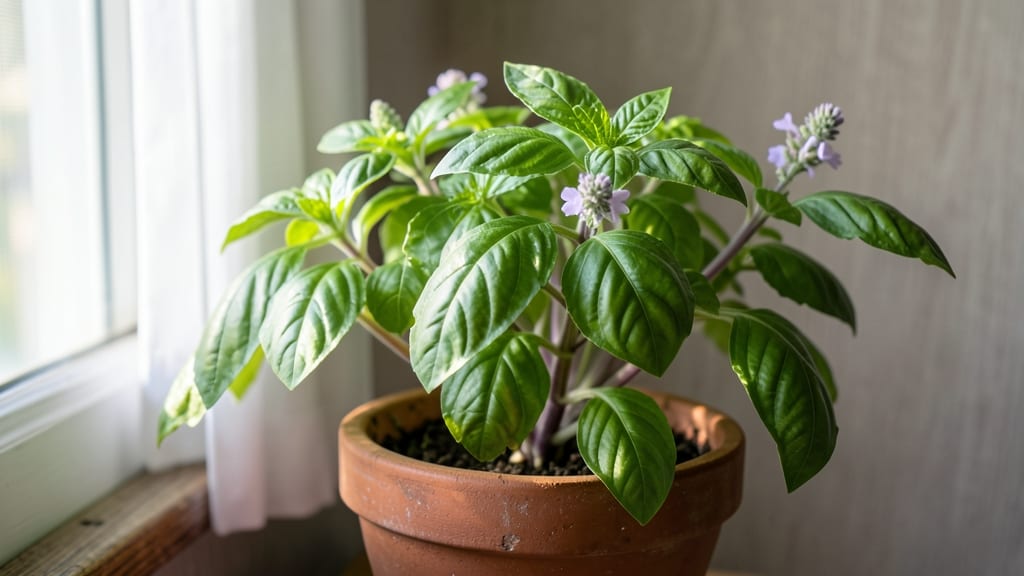
Growing lettuce leaf basil means fresh, tender leaves all season long—no bitter stems, no winter dieback. 🌱 I’ve grown regular basil for years, but lettuce leaf basil stays productive through heat waves and even light frosts, giving you a constant supply of delicate, spinach-like leaves perfect for salads and garnishes.
The key is treating it like a perennial rather than an annual: protect the roots in winter, prune aggressively in summer, and keep it well-watered but never soggy.
Unlike traditional basil, this variety thrives in cooler weather, so you can harvest well into fall without the leaves turning tough or bitter. You’ll end up with a plant that looks like a cross between spinach and basil, with broad, glossy leaves that stay tender even when fully grown.
The secret is regular harvesting—pinch back the tips to encourage bushier growth and prevent flowering, which turns the leaves bitter. Works in containers, garden beds, or even hanging baskets. Here’s how to keep it thriving year after year!
📚 In This Guide
- What you need
- Instructions
- Tips and common mistakes
- Wrapping up and next steps
What you need
- ● Lettuce leaf basil seeds: 1 packet (about 50-100 seeds) – Look for organic, non-GMO varieties for best results.
- ● Well-draining potting mix: 10-12 quarts – A blend of coco coir, perlite, and compost (ratio: 40% coco coir, 30% perlite, 30% compost) works wonders.
- ● Containers or garden bed: For containers: 5-7 inch pots (1 per plant) or a 12-inch-wide raised bed (for 3-4 plants). Ensure pots have drainage holes!
- ● For in-ground planting: A sunny spot with 6+ hours of direct sunlight daily and loose, fertile soil.
- ● Slow-release fertilizer: 1 cup – A balanced 10-10-10 or organic option like fish emulsion (follow package instructions).
- ● Mulch: 2-3 inches – Use straw or shredded leaves to retain moisture and protect roots in winter.
- ● Garden trowel or small shovel – For planting and soil prep.
- ● Watering can or hose with a gentle spray nozzle – Basil hates soggy roots!
- ● Pruning shears or clean scissors – For harvesting and trimming.
- ○ pH testing kit (optional but helpful) – Aim for a soil pH of 6.0-7.0.
- ● Row cover or frost cloth (for winter) – Protects tender leaves if you’re in a chilly climate.
- ● Patience: Lettuce leaf basil grows slowly at first but rewards you with perennial harvests if cared for properly.
- ● Consistent moisture: Keep soil evenly damp (not waterlogged) until established.
- ● Sunlight commitment: No skimp here—full sun is non-negotiable for robust growth.
Step-by-step instructions for growing lettuce leaf basil perennially
Here’s how to grow this cold-hardy basil variety that keeps producing through winter—no replanting needed.
🌱 Step 1: Choose the Perfect Location and Prepare the Soil
Lettuce leaf basil thrives in full sun to partial shade (at least 4-6 hours of sunlight daily). I plant mine in a spot that gets morning sun but afternoon shade in hot climates—this prevents the leaves from scorching while still encouraging growth. The soil should drain well but retain moisture, so amending with compost improves texture and fertility.
Work in 2-3 inches of organic compost into the top 6 inches of soil before planting. Lettuce leaf basil dislikes soggy roots, so if your soil drains poorly, mix in 1 part perlite to 3 parts soil. A pH between 6.0 and 7.0 is ideal—test your soil if you’re unsure. I like to add a handful of worm castings to the planting hole for extra nutrients and microbial activity.
🌿 Step 2: Plant Seeds or Transplants at the Right Time
Start seeds indoors 6-8 weeks before the last frost or sow directly in the garden after soil temperatures reach 50°F. I plant mine in early spring and again in late summer for a fall harvest. For direct sowing, scatter seeds ¼ inch deep and 12 inches apart—they germinate best in 65-75°F soil. Keep the soil consistently moist until germination, which takes 7-14 days.
If using transplants, space them 10-12 inches apart to allow airflow and prevent fungal issues. Water deeply at planting to settle the roots, then let the top inch of soil dry between waterings. Watch for first true leaves (not the initial seed leaves)—this confirms successful establishment. I pinch off the first flowers to encourage leaf growth, as basil puts energy into blooming instead of producing tender leaves.
💧 Step 3: Water and Fertilize for Continuous Growth
Lettuce leaf basil needs 1-1.5 inches of water weekly, but it’s drought-tolerant once established. Water at the base in the morning to reduce evaporation and fungal risks. I mulch with 2 inches of straw or shredded leaves to retain moisture and suppress weeds. Avoid overhead watering, as wet foliage invites disease.
Fertilize lightly every 4-6 weeks with a balanced organic fertilizer (like 5-5-5) or a diluted fish emulsion. Too much nitrogen causes rapid but weak growth, so I use half the recommended dose. Harvest leaves regularly—cutting back ⅓ of the plant encourages bushier, more productive growth. You’ll see new leaves emerge within 1-2 weeks of pruning, signaling healthy regrowth.
☀️ Step 4: Protect and Prune for Winter Survival
This basil variety handles light frosts down to 20°F, but heavy snow or prolonged cold may kill it back. I cover plants with 2-3 inches of straw mulch before the first frost to insulate roots. In colder zones, transplant potted basil to a sheltered spot or bring it indoors near a sunny window. Prune back ⅔ of the plant in late fall to redirect energy to root growth.
In early spring, remove the mulch and trim back any dead growth. New shoots will emerge from the base as temperatures warm. I’ve had mine regrow reliably for 3-4 years with minimal care—just keep the soil moist and prune aggressively after harvests. The secret is treating it like a perennial herb rather than an annual.
✂️ Step 5: Harvest and Maintain for Year-Round Production
Harvest leaves as needed, cutting just above a leaf pair to encourage branching. I pick leaves in the morning after dew dries but before the sun peaks—this preserves flavor and texture. Use fresh basil in salads, pestos, or as a garnish. Regular harvesting prevents bolting (flowering), which makes leaves bitter.
Watch for pests like aphids or spider mites, which thrive on stressed plants. Spray with soapy water or neem oil if you spot them early. In late summer, pinch off any flower buds to keep the plant focused on leaf production. With proper care, lettuce leaf basil keeps producing tender, sweet leaves well into winter—no replanting required!
Tips & tricks for growing hardy lettuce leaf basil
Here’s what I’ve learned after growing this resilient basil variety for years—these tricks will help you avoid common pitfalls and maximize your harvest.
Sunlight Strategy: While 4-6 hours of sunlight is the minimum, I’ve found that morning sun with afternoon shade (especially in hot climates) produces the tenderest leaves. If your garden gets intense afternoon sun, consider using shade cloth during peak hours—this prevents the leaves from turning bitter or scorching while still encouraging robust growth.
Soil Prep Secret: The 2-3 inches of organic compost in the top 6 inches of soil isn’t just about nutrients—it’s about creating the perfect moisture-retentive environment. I’ve noticed that adding worm castings to the planting hole gives my plants a head start, and the microbial activity helps prevent soil-borne diseases that can plague basil.
Germination Timing: The 7-14 day germination window can feel like forever, but consistency is key. I keep the soil at 65-75°F using a seedling heat mat during cool springs. Once those first true leaves appear, I transplant them carefully to avoid disturbing the delicate roots—this is when they’re most vulnerable to shock.
Winter Protection Hack: That 2-3 inches of straw mulch before the first frost isn’t just decoration—it’s insulation. I’ve had plants survive down to 20°F with this protection, but I always remove it in early spring to prevent overheating when temperatures rise. The mulch also helps suppress weeds that compete with your basil for nutrients.
Pro Tips for Lettuce Leaf Basil
- Here’s what I’ve learned after growing this resilient basil variety for years—these tricks will help you avoid common pitfalls and maximize your harvest.
- Sunlight Strategy: While 4-6 hours of sunlight is the minimum, I’ve found that morning sun with afternoon shade (especially in hot climates) produces the tenderest leaves.
- Soil Prep Secret: The 2-3 inches of organic compost in the top 6 inches of soil isn’t just about nutrients—it’s about creating the perfect moisture-retentive environment.
Frequently asked questions
Is lettuce leaf basil really perennial, or does it die in winter?
Lettuce leaf basil is a hardy perennial in USDA zones 9–11, meaning it can survive mild winters if protected. In colder zones, mulch heavily or grow it in containers to move indoors. Even if tops die back, the roots often regrow in spring—just be patient!
How long does it take to harvest lettuce leaf basil?
You can pinch leaves in 4–6 weeks for baby greens, but full maturity (6–8 inches tall) takes 8–10 weeks. Unlike Genovese basil, it won’t bolt as quickly, giving you a longer harvest window. Snip outer leaves to encourage bushier growth.
Can I substitute lettuce leaf basil for regular basil in recipes?
Its milder, slightly sweet flavor works well in pesto, salads, and Thai dishes. For a stronger taste, blend it with Genovese or Thai basil. Just note: it’s not as aromatic when cooked, so add it late to dishes or use it fresh.
Why are my lettuce leaf basil leaves turning yellow or spotted?
Yellowing often signals overwatering or poor drainage. Spots? Likely fungal issues (downy mildew) or pests like aphids. Fix it:
- Ensure pots/containers have drainage holes.
- Space plants 12+ inches apart for airflow.
- Spray with neem oil or copper fungicide if needed.
Does lettuce leaf basil need full sun like other basils?
It tolerates partial shade (4–6 hours of sun/day), making it ideal for shaded patios or under trees. In hot climates, morning sun + afternoon shade prevents bolting. Just expect slightly slower growth and milder flavor in low light.
Pro Tip:
For year-round harvests, grow lettuce leaf basil in containers and bring them indoors before frost. Place near a sunny window or under grow lights—it’ll reward you with fresh leaves even in winter!
Wrapping up and next steps
Growing lettuce leaf basil is a rewarding journey—whether you're a seasoned gardener or just starting out! With its zero-winter dieback resilience and fast harvests, this versatile herb brings flavor and convenience to your kitchen.
Now that you know the key materials and pro tips, why not plant a few pots this week? Start small, experiment with containers, and enjoy fresh basil year-round!
Next steps:
- 🌱 Pick a sunny spot (or grab a grow light) and get those seeds in the soil!
- 📅 Set a reminder to harvest regularly—consistency is key!
- 📸 Share your progress with fellow gardeners for extra motivation!