
Shrubs
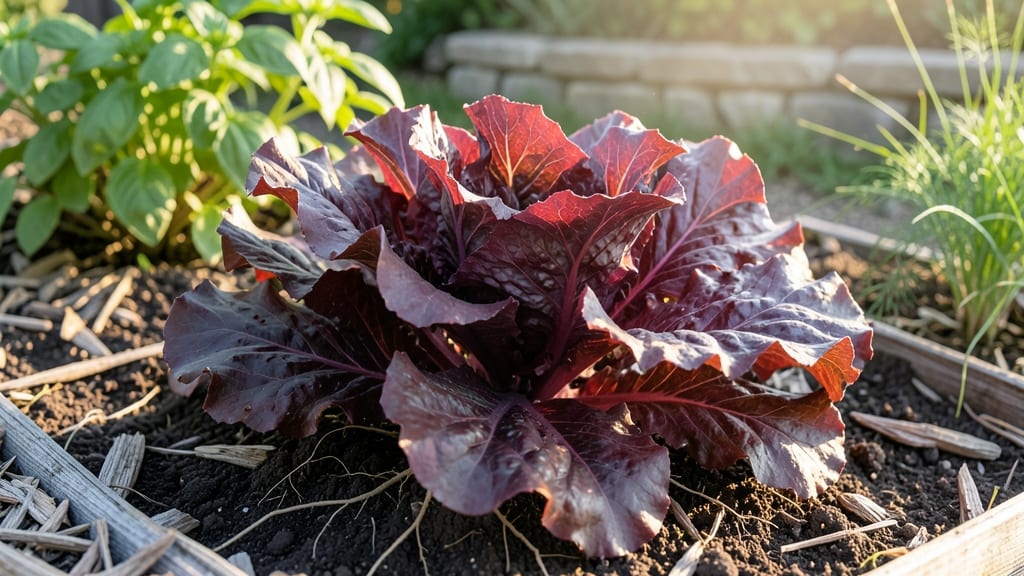
Growing leaf red lettuce transforms your garden into a vibrant, edible tapestry of deep burgundy and crisp green. 🌿 I learned the hard way that this variety isn’t just pretty—it’s boldly productive when given the right conditions, and it thrives where other lettuces wilt.
The key? Cool soil, partial shade, and consistent moisture that keeps those rich leaves tender and sweet.
This lettuce handles what most varieties can’t—partial sun (3-6 hours daily) and cooler temperatures—making it perfect for spring or fall planting. Start seeds indoors 4-6 weeks before your last frost, or sow directly into well-draining soil with compost mixed in.
Space plants 8-12 inches apart to give them room to spread without crowding, which keeps them from bolting too quickly.
You’ll harvest in just 4-6 weeks, snipping outer leaves first to encourage continuous growth. The flavor? A perfect balance of earthy sweetness and peppery bite, especially when grown in cooler weather.
Just watch for slugs—they adore tender young leaves—and use organic slug bait or beer traps to protect your crop.
Works beautifully in containers, raised beds, or garden plots, even in small spaces. Once you master this variety, you’ll never buy store-bought lettuce again—it’s that good. Let’s get those seeds in the soil!
📚 In This Guide
- What you need
- Instructions
- Tips and common mistakes
- Wrapping up and next steps
What you need
- ● Leaf Red Lettuce Seeds: 1 packet (typically contains 100+ seeds). Look for heirloom or organic varieties like 'Oakleaf' or 'Red Sails' for extra bold color.
- ● Growing Containers or Garden Bed: Containers: 6–12" deep pots (at least 1 per plant or 2–3 plants per 12" pot). Ensure they have drainage holes!
- ● Garden Bed: A sunny to partially shaded spot with well-draining soil (6–12" deep). Avoid waterlogged areas.
- ● High-Quality Potting Soil or Garden Soil: 1–2 bags (sterilized, well-draining mix with compost). Aim for a pH of 6.0–7.0.
- ○ Organic Compost or Fertilizer: 1 cup per plant (optional but recommended for nutrient boost). Use a balanced 10-10-10 or compost-rich blend.
- ● Hand Trowel or Transplanting Spade – For planting seeds or seedlings.
- ● Watering Can or Hose with Gentle Spray Nozzle – Lettuce hates soggy roots!
- ● Mulch (Straw or Shredded Leaves) – 1–2 inches to retain moisture and suppress weeds.
- ○ Garden Gloves (Optional) – To keep your hands clean while handling soil.
- ○ Shade Cloth (Optional, for Hot Climates) – Lightweight fabric to protect seedlings from intense afternoon sun.
- ● ✨ Best Planting Time: Early spring or late summer/fall (avoid extreme heat—lettuce bolts when stressed!).
- ● 🌡️ Ideal Temperature: 45–75°F (7–24°C). Use row covers if nights dip below 40°F (4°C).
- ● 💡 Sunlight: Partial sun (3–6 hours/day) is perfect. Too much direct sun = bitter leaves!
Step-by-Step instructions for growing leaf red lettuce
Here's how to grow vibrant, cut-and-come-again red lettuce that keeps producing through warm seasons.
🌱 Step 1: Prepare the Soil for Optimal Germination
Choose a location with partial sun exposure (3-6 hours daily)—too much direct sun causes bolting. Work the soil to a depth of 12 inches, removing any rocks or debris. Amend the soil with 2-3 inches of compost to improve drainage and fertility, which red lettuce loves for its rich color.
Test the soil pH—red lettuce thrives in slightly acidic to neutral soil (pH 6.0-7.0). If your soil is heavy clay, mix in 1 part perlite to 3 parts soil to prevent root rot. Level the planting area and rake until the surface is smooth but not compacted. This ensures even moisture distribution and easy seed placement.
🌱 Step 2: Plant Seeds at the Right Depth and Spacing
Sow seeds ¼ inch deep in rows spaced 12-18 inches apart. Thin seedlings to 6-8 inches apart once they develop 2-3 true leaves—this prevents overcrowding and encourages larger, more vibrant leaves. I like to use a small hand trowel to create shallow furrows, then sprinkle seeds thinly along them.
Cover seeds lightly with soil and mist gently with water until the surface is damp but not soggy. Avoid washing seeds away with a heavy stream. Place a row cover or shade cloth over the bed if your climate is hot, as red lettuce seeds germinate best in 60-70°F soil temperatures. You should see sprouts in 7-14 days.
☀️ Step 3: Maintain Consistent Moisture and Light
Water deeply 1-2 times per week, aiming for 1 inch of water per week. Let the top inch of soil dry between waterings to prevent fungal diseases like downy mildew. Water in the morning to allow foliage to dry quickly, reducing slug and snail activity. Red lettuce has broad leaves that act like solar panels—keep them evenly moist for the boldest color.
Monitor light exposure closely. If leaves start looking pale or leggy, your plants need more shade. Conversely, if they bolt (send up flower stalks), they're getting too much sun or heat. A simple shade cloth (30-50% shade) can extend the harvest window by 2-4 weeks in hot climates.
✂️ Step 4: Harvest and Encourage Regrowth
Begin harvesting outer leaves when they reach 4-6 inches in length, using clean scissors or a knife to cut just above a leaf node. This encourages the plant to produce more leaves from the center. For the boldest red color, harvest in the morning when sugars are highest. Never remove more than ⅓ of the plant at once—red lettuce is resilient but needs time to recover.
After the first harvest, fertilize lightly with a balanced organic fertilizer (like 5-5-5) to replenish nutrients. Red lettuce is a heavy feeder, so don't skip this step if you want continuous production. With proper care, a single planting can provide harvests for 6-8 weeks, making it one of the most rewarding leafy greens to grow.
🌿 Step 5: Extend the Season with Successive Plantings
For a continuous supply, sow new seeds every 2-3 weeks in early spring and late summer. In cooler climates, you can even grow red lettuce through winter with a cold frame or row cover. Succession planting ensures you always have fresh, vibrant leaves ready for salads or cooking.
Watch for pests like aphids or flea beetles—red lettuce is particularly attractive to them. Spray with a mild soap solution or introduce beneficial insects like ladybugs to keep populations in check. With these steps, you'll enjoy a steady harvest of bold, red foliage all season long.
Tips & tricks for growing vibrant red lettuce
These practical insights will help you cultivate the most flavorful, deep-red lettuce leaves possible—without the common pitfalls.
Soil Preparation Secret: The 2-3 inches of compost mentioned in Step 1 isn't just about fertility—it's about creating the perfect moisture-retaining environment. I mix in an additional handful of worm castings (optional) when preparing the soil, as they introduce beneficial microbes that boost nutrient uptake. For clay-heavy soils, work in perlite not just for drainage, but also to create air pockets that prevent the dreaded root rot that can plague red lettuce. Think of it as building a spa-like environment for your roots!
Seedling Spacing Strategy: When thinning to 6-8 inches in Step 2, resist the urge to rush—wait until seedlings have 2-3 true leaves before making cuts. This ensures you're removing the weakest plants while leaving the strongest to thrive. Pro tip: Use sharp scissors to snip seedlings at soil level rather than pulling, which can disturb nearby plants' roots. The extra inch of space between plants might seem excessive, but it prevents competition that leads to pale, bitter leaves.
Watering Wisdom: The 1-2 times per week guideline in Step 3 works best when you consider your climate. In hotter regions, I water every other morning instead of waiting for the top inch to dry—red lettuce's broad leaves act like solar panels, and consistent moisture prevents the bitterness that develops when plants experience drought stress. For the boldest color, always water at soil level rather than overhead to keep leaves dry and reduce disease risk. Morning watering also gives foliage time to dry completely before evening, which is crucial for preventing fungal issues.
Harvest Timing Technique: That 4-6 inch size recommendation in Step 4 is a sweet spot, but here's what nobody tells you: the absolute best time to harvest is just after a light rain when the leaves are fully turgid. Morning harvests yield the sweetest flavor because sugars accumulate overnight. When cutting, always use clean tools and make your cuts just above a leaf node—this encourages the plant to produce new leaves from that growth point. I've found that harvesting every other day for the first week after reaching maturity encourages more vigorous regrowth than weekly harvests.
Pro Tips for Leaf Red Lettuce
- These practical insights will help you cultivate the most flavorful, deep-red lettuce leaves possible—without the common pitfalls.
- Soil Preparation Secret: The 2-3 inches of compost mentioned in Step 1 isn't just about fertility—it's about creating the perfect moisture-retaining environment.
- Seedling Spacing Strategy: When thinning to 6-8 inches in Step 2, resist the urge to rush—wait until seedlings have 2-3 true leaves before making cuts.
Frequently asked questions
Got questions about growing leaf red lettuce? You’re not alone! Here are some of the most common queries—plus quick, actionable answers to help your garden thrive.
How long does it take for leaf red lettuce to mature?
Leaf red lettuce is a fast grower! With the right conditions, you can harvest baby leaves in 3–4 weeks after germination. For full-sized leaves, plan for 4–6 weeks. Successive plantings every 2 weeks ensure a steady harvest.
Why are my red lettuce leaves turning bitter or tough?
Bitter or tough leaves usually mean it’s bolting (going to seed) due to heat or age. To prevent this, harvest outer leaves early, keep soil moist, and grow in partial shade during hot spells. Varieties like ‘Oakleaf’ are bolt-resistant.
Can I grow leaf red lettuce in containers? If so, what size pot do I need?
Leaf red lettuce thrives in containers. Use pots at least 6–8 inches deep with drainage holes. For multiple plants, a 12-inch-wide container works well. Just ensure they get 4–6 hours of sun daily and keep soil consistently moist.
What’s the best way to harvest leaf red lettuce without killing the plant?
Harvest outer leaves first, cutting just above a leaf node to encourage regrowth. Avoid taking more than ⅓ of the plant at once. For a continuous supply, pick leaves every 2–3 days during warm weather or weekly in cooler months.
Is leaf red lettuce heat-tolerant? How do I protect it from summer heat?
Leaf red lettuce prefers cooler temps (50–70°F) and can struggle in heat. To beat the summer sun, provide afternoon shade with a shade cloth (30–50%) or grow it under dappled sunlight. Mulch soil to retain moisture and harvest aggressively to avoid bolting.
Can I substitute leaf red lettuce for other greens in recipes?
Yes! Its mild, slightly sweet flavor makes it a great swap for butterhead or romaine in salads, wraps, or sandwiches. For a peppery kick, mix it with arugula or spinach. Just avoid using it raw in recipes where bitterness is desired (like frisée).
Wrapping up and next steps
Growing leaf red lettuce is a rewarding way to add vibrant, nutrient-packed greens to your garden—even in partial sun! With the right soil, spacing, and care, you’ll enjoy crisp, bold foliage perfect for salads or garnishes. Whether you’re a beginner or seasoned gardener, this hardy variety is forgiving and delicious.
Ready to harvest the rewards? Start by planting a few seeds this season and watch your garden transform into a lush, edible oasis. Happy growing! 🌱