
Companion Plants
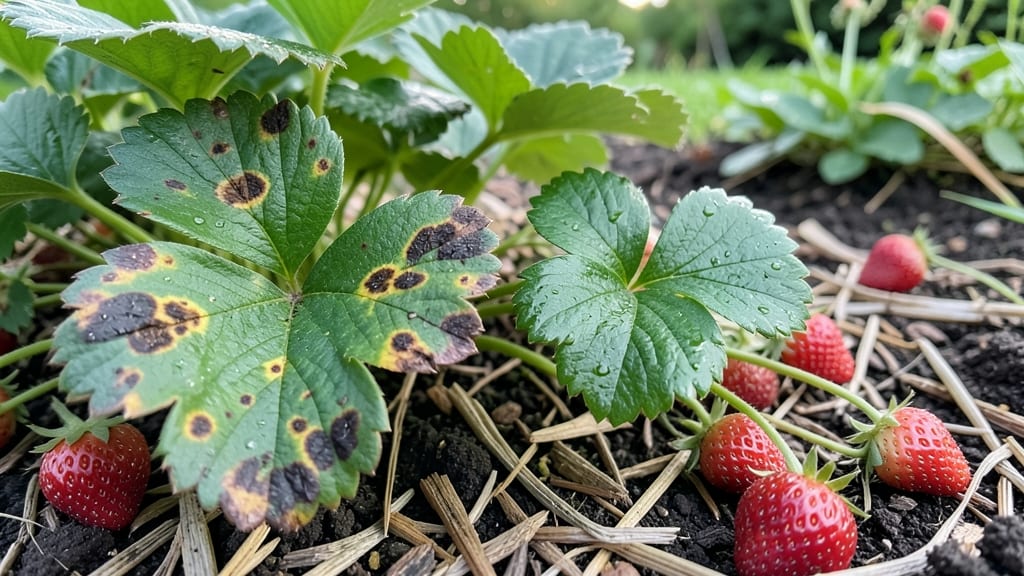
Your strawberry plants are turning into a polka-dot mess from leaf spot on strawberry plants, and I get it—this fungal nightmare can wipe out your harvest if you don’t act fast. 🌱 The good news?
A simple copper spray can turn those spotted leaves back to vibrant green in just 7 days, and I’ll show you exactly how to do it without fancy (or expensive) tools.
Leaf spot thrives when strawberries get wet foliage, poor air circulation, or crowded plants—basically, the opposite of what they need to thrive.
My first year with this problem, I lost half my berries before realizing the fix was as easy as spacing plants wider and spraying copper fungicide at the first sign of spots. No more guessing games.
By the end of this week, you’ll be harvesting plump, disease-free berries again. The key is catching it early, cleaning up debris, and keeping those leaves dry. Trust me, your future strawberry harvests will thank you—and so will your neighbors when they see your spotless plants.
This works for both in-ground and container-grown strawberries, no matter your garden size. Let’s get those leaves looking fresh again before the disease spreads further.
Root Causes Of Fungal Foliar Decay
Leaf spot on strawberries isn’t just a random attack—it’s a perfect storm of fungal opportunism, environmental stress, and poor plant hygiene. Understanding the why behind these dark, spreading lesions is the first step to stopping them before they ruin your harvest.
Below, we break down the key culprits, backed by science and actionable insights.
Leaf spot diseases on strawberries are primarily caused by three aggressive fungi, each with its own preferred conditions:
- Colletotrichum acutatum (Anthracnose): This pathogen thrives in warm, humid climates (75–85°F) and spreads via wind, water splashes, or contaminated tools. It targets young leaves first, creating dark, sunken lesions with pink or orange centers. Pro tip: This fungus overwinters in infected plant debris, so clearing last year’s leaves is critical. 🌡️
- Mycosphaerella fragariae (Leaf Scorch): A cooler-weather menace (50–75°F), this fungus causes brown, angular spots with yellow halos. It spreads rapidly in shady, damp conditions and can kill entire leaves if left unchecked. Unlike anthracnose, it doesn’t produce fruit lesions, but severe cases weaken plants, reducing yield. ❄️
- Phyllosticta fragariae (Phyllosticta Leaf Spot): Less common but equally destructive, this fungus favors overhead irrigation and dense foliage. Spots start as small, purple-brown circles with white centers, eventually merging into large, necrotic patches. It’s highly contagious in greenhouses due to poor airflow. 🏠
Why it matters: Each fungus has a specific temperature and moisture sweet spot. For example, Colletotrichum dormant spores germinate at 68°F—so even a mild spring can trigger an outbreak. Pro tip: Use a moisture meter to monitor leaf wetness; aim for less than 9 hours of leaf wetness per day to starve fungal growth. 💡
Fungal spores are everywhere, but they only become aggressive under specific weather conditions. Here’s how climate fuels leaf spot:
| Factor | How It Helps Fungi | Actionable Fix |
|---|---|---|
| High Humidity (>80%) | Fungal spores germinate and spread via water droplets. Humidity softens plant cuticles, making leaves easier to penetrate. | Install a soil moisture sensor and irrigate at dawn (not overhead) to allow foliage to dry by noon. Use drip irrigation or soaker hoses. 🌅 |
| Frequent Rain or Overwatering | Water splashes disperse spores like a fungal cannonball. Soggy soil weakens roots, reducing plant resilience. | Space plants 18–24 inches apart for airflow and mulch with straw (not plastic) to reduce soil splash. Water deeply but infrequently—aim for 1–1.5 inches per week. 💧 |
| Temperature Fluctuations | Fungi like Mycosphaerella thrive in cool nights (50–60°F) and warm days (75°F+). This shock cycle stresses plants, making them more susceptible. | Use row covers in early spring to moderate temperature swings. Choose heat-tolerant strawberry varieties (e.g., ‘Chandler’ or ‘Seascape’) for your climate. 🌡️ |
Key insight: Leaf spot outbreaks rarely happen in dry, sunny conditions. If your strawberries are in a shady, damp corner of the garden, relocate them to full sun (6–8 hours/day) and improve drainage. ⚡
Healthy strawberries resist fungal attacks. But when plants are stressed, they become fungal buffets. Common stressors include:
- Nutrient Deficiencies:
- Low nitrogen (N): Yellowing leaves (chlorosis) weaken the plant’s cuticle barrier, making fungal entry easier.
- Low potassium (K): Potassium boosts cell wall strength. Deficient plants show brown leaf edges and are 3x more susceptible to leaf spot.
Fix: Test soil pH (ideal: 5.5–6.5) and amend with balanced fertilizer (10-10-10). Side-dress with wood ash (for K) or composted manure in early spring. 📊
- Physical Damage:
Broken leaves or hail/rain abrasions create entry points for spores. Even insect bites (e.g., slugs, thrips) can trigger infections.
Fix: Prune damaged leaves immediately with sterilized shears (soak in 1:9 bleach-water for 10 mins). Use row covers during hail season. 🔪
- Crowded Plantings:
Poor airflow traps moisture and slows drying between leaves. Fungal spores hitchhike on water droplets like a fungal subway system.
Fix: Thin plants to 12–18 inches apart and remove lower leaves that brush the soil. Stake plants to improve airflow. 🌬️
Remember: A stressed strawberry plant is a fungal magnet. Preventative care (like copper sprays—more on that later!) is cheaper than cleanup. 🛡️
Next up: We’ll dive into how to diagnose leaf spot vs. other diseases—because not every brown spot is a fungal party waiting to happen! 🕵️♂️
Quick Fixes for Healthy Strawberries
When leaf spot strikes your strawberry plants, acting fast is key to saving your harvest and preventing the disease from spreading. Below, we’ve mapped out practical solutions based on the most common causes—fungal infections, bacterial issues, or environmental stress—along with prevention tips to keep your plants thriving.
Think of this as your strawberry plant first aid kit!
If your strawberries are battling Colletotrichum or Mycosphaerella (the usual fungal culprits), copper-based sprays are your best defense. These disrupt the fungal spores without harming beneficial insects or your plants.
🍳 Step-by-Step Copper Spray Treatment
- Choose Your Copper Product
- Use a fixed copper fungicide (like copper hydroxide or copper sulfate) labeled for organic gardening. Avoid homemade mixtures—they can burn leaves if too concentrated.
- Pro tip: 💡 Opt for liquid copper (e.g., Bonide Copper Fungicide) for easier application.
- Apply at the Right Time
- Spray early in the morning or late afternoon to avoid leaf burn from sunlight.
- Focus on the undersides of leaves (where spores hide) and stems. Lightly mist the soil around the base to prevent splashback.
- Frequency Matters
- Apply every 7–10 days during wet or humid conditions (fungi love moisture!).
- Continue for 2–3 weeks after symptoms disappear to break the infection cycle.
- Combine with Pruning
- Remove and destroy infected leaves/stems immediately (don’t compost them!). Place them in a sealed bag or burn them to stop spores from reinfecting.
🌡️ Prevention Tips for Fungal Spot
- Improve Airflow: Space plants 12–18 inches apart and avoid overcrowding.
- Water Wisely: Use drip irrigation or water at the base (never overhead). Aim for early morning watering so leaves dry quickly.
- Mulch Smartly: Apply straw or pine needles (2–3 inches deep) to reduce soil splashes onto leaves.
- Rotate Crops: Avoid planting strawberries in the same spot yearly—fungi linger in the soil!
Bacterial leaf spot (Xanthomonas or Pseudomonas) spreads faster than fungal types and can’t be cured—only managed. Copper sprays help slow it down, but sanitation is critical.
🔪 Emergency Action Plan
- Prune Aggressively
- Cut off all infected leaves (even if just a few spots appear). Use sterilized shears (wipe with rubbing alcohol between cuts) to avoid cross-contamination.
- Boost Copper Strength
- Use a higher-concentration copper fungicide (follow label instructions) and apply weekly during outbreaks.
- Warning: ⚠️ Copper can build up in soil—don’t overuse in the same bed.
- Disinfect Tools & Hands
- Wash hands with soapy water after handling plants.
- Soak pruners in a 10% bleach solution (1 part bleach to 9 parts water) for 10 minutes between uses.
- Adjust Watering
- Water only in the morning and avoid wetting leaves. Bacterial spores hitchhike on water droplets!
✨ Prevention for Bacterial Spot
- Remove Debris: Clear fallen leaves and weeds—bacteria thrive here.
- Use Resistant Varieties: Choose strawberry types like ‘Albion’ or ‘Seascape’, which tolerate bacterial spot better.
- Avoid Overhead Watering: Switch to soaker hoses or drip systems immediately.
If leaf spot is mild or appears after stress (e.g., drought, heat, or nutrient deficiencies), focus on revitalizing plant health to outcompete pathogens.
🌱 Quick Recovery Steps
- Hydrate Properly
- Strawberries need 1–1.5 inches of water per week. Use a moisture meter to check soil—it should stay consistently damp but not soggy.
- Fertilize for Resilience
- Apply a balanced fertilizer (10-10-10) or compost tea to boost immunity.
- Pro tip: 💡 Add Epsom salt (1 tbsp per gallon of water) every 4 weeks for magnesium, which strengthens cell walls.
- Shade & Mulch
- If your area gets hotter than 90°F (32°C), provide 30% shade cloth during peak heat.
- Replenish mulch to keep soil cool and moist.
- Companion Plants to the Rescue
- Plant garlic, thyme, or marigolds nearby—they repel pests and improve airflow.
- Avoid planting strawberries near tomatoes or peppers, which can share diseases.
🎯 Long-Term Prevention
- Test Soil pH: Strawberries prefer 5.5–6.5 pH. Adjust with sulfur (to lower) or lime (to raise).
- Crop Rotation: Wait 3 years before replanting strawberries in the same spot.
- Fall Cleanup: In autumn, remove all plant debris and till the soil to break disease cycles.
With consistent care, you can see improvement in 1–2 weeks:
- Week 1: Prune, spray copper, and adjust watering.
- Week 2: Monitor new growth—healthy leaves should emerge.
- Ongoing: Maintain prevention habits to avoid future outbreaks.
Remember: Early action is everything. The sooner you treat leaf spot, the faster your strawberries bounce back—ready for a spotless harvest! 🍓✨
Frequently asked questions about strawberry leaf spot
Why do my strawberry leaves have dark spots but no fruit damage?
This is likely Mycosphaerella fragariae (leaf scorch), which targets leaves first. Unlike anthracnose, it rarely spreads to fruit. The brown, angular spots with yellow halos appear in damp, cool conditions. Prune infected leaves immediately and improve airflow between plants to prevent spread.
Can I still harvest strawberries if the leaves have spots?
Yes, but only if the fruit itself is healthy. Leaf spots rarely infect berries directly, so pick ripe strawberries as usual. However, severely infected plants may produce smaller yields. Focus on treating the leaves to protect future harvests and plant health.
How often should I spray copper fungicide for prevention?
Apply copper spray every 7-10 days during wet seasons (spring/fall) or when humidity exceeds 80%. For active outbreaks, increase to weekly applications. Always spray in the early morning or late afternoon to avoid leaf burn from sunlight.
Will removing infected leaves completely stop the disease?
No, pruning alone won't eliminate leaf spot. Fungal spores remain in soil and debris. Always combine removal with copper sprays and proper sanitation. Destroy infected plant material (don't compost it) to break the disease cycle completely.
Are there organic alternatives to copper spray?
Yes! Try a baking soda solution (1 tbsp baking soda + 1 tsp dish soap + 1 gallon water) or neem oil spray (2% solution). These work best for mild cases. For severe outbreaks, copper remains the most effective organic option. Always test sprays on a small leaf area first.