
Leaf Blower
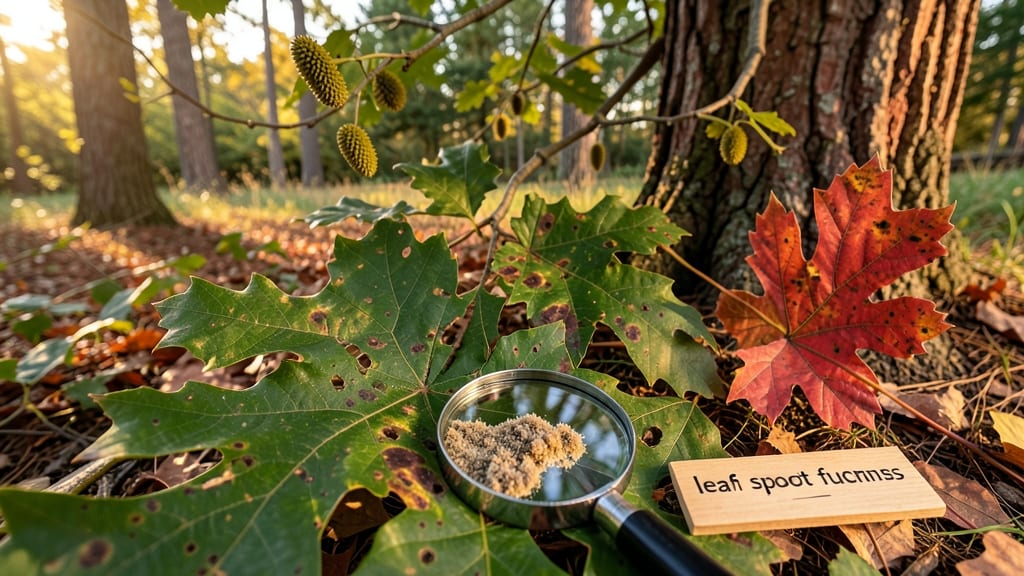
Your oak tree’s leaves are turning into a polka-dot mess of brown spots—red oak leaf spots are the culprit, and they’re worse than they look. 🌳 These fungal spots (often Anthracnose or Guignardia) don’t just ruin the look—they weaken the tree over time, leaving it vulnerable to pests and winter damage.
The good news? Copper spray is your secret weapon for stopping the spread before it gets out of control.
Most people wait too long, thinking the spots will fade on their own. But by the time you notice them in late spring, the fungus has already had weeks to spread.
The key is acting fast—once you spot those dark, irregular patches with yellow halos, grab some copper fungicide and hit the tree within 72 hours for best results. Prune out infected leaves (bag and toss them!) and water at the base, not overhead, to keep the leaves dry.
After treatment, you’ll see fresh, healthy growth pushing out within 2-3 weeks—no more crunchy, spotted leaves falling everywhere. The copper works by creating a protective shield on the leaves, blocking the fungus from taking hold.
Just repeat every 10-14 days during rainy seasons or after heavy pruning to keep those spots at bay.
This isn’t just about saving your tree’s appearance—it’s about giving it the strength to fight back. Early action means fewer spots next year, and your oak will thank you with fuller foliage and fewer weak branches. Let’s get that spray ready before the next rain hits!
Understanding Fungal Leaf Stressors
Red oak leaf spots—those unsightly brown or reddish blemishes—are rarely just a random bad luck scenario. They’re usually a sign of underlying fungal infections or environmental stressors that weaken your tree’s defenses. Let’s break down the key culprits behind these leaf discolorations, so you can address them before they spread.
Fungal spores thrive in damp environments. When red oaks sit in prolonged moisture—whether from heavy rain, poor drainage, or even overhead irrigation—their leaves become a buffet for pathogens like Cercospora or Guignardia. These fungi latch onto leaf surfaces, creating the perfect conditions for spotting.
Why it happens:
- High humidity (above 75%) keeps fungal spores alive longer, increasing infection rates.
- Poor air circulation under dense canopies traps moisture, giving fungi a foothold.
- Frequent leaf wetness (10+ hours/day) weakens the leaf cuticle, making it easier for spores to penetrate.
💡 Pro tip: If your oak is in a low-lying area or shaded spot, improve drainage or prune to boost airflow. Avoid watering leaves in the evening—stick to early morning for faster evaporation.
Red oaks don’t just get spots from spores already on their leaves—they’re also passive victims of airborne fungal hitchhikers. Wind, rain, and even splashing water can carry spores from infected leaves, mulch, or nearby plants straight to your tree.
Why it happens:
- Spores from fallen leaves (especially in autumn) linger in mulch or soil, ready to reinfect when conditions are right.
- Overhead sprinklers act like a fungal spray gun, dispersing spores across the canopy.
- Adjacent infected plants (like other oaks, maples, or shrubs) can cross-contaminate your tree.
🎯 Actionable fix: Rake up and remove fallen leaves in autumn (don’t compost them near the tree). Space out plants to reduce spore drift, and water at the base—not the foliage.
A tree under stress is like a person with a weakened immune system—it’s far more susceptible to fungal infections. Poor soil health, drought, or pest damage can leave red oaks vulnerable to leaf spots.
Why it happens:
- Low nitrogen or potassium reduces the tree’s ability to produce disease-resistant compounds.
- Compacted or poor-draining soil starves roots of oxygen and water, triggering stress signals that fungi exploit.
- Pest damage (e.g., oak lace bugs, mites) creates entry points for secondary infections.
🔥 Quick test: If leaves are yellowing between veins (nitrogen deficiency) or purpling (phosphorus deficiency), a soil test can pinpoint the issue. Amend soil with compost or a balanced fertilizer (like 10-10-10) in early spring.
Fungi love moderate warmth with moisture, but they also hibernate in cold—only to strike when temperatures rise. Rapid shifts (like a cold snap followed by heat) can shock the tree, making it easier for spores to take hold.
Why it happens:
- Spring temperature fluctuations (e.g., 30°F one day, 70°F the next) disrupt leaf hardening, leaving them prone to infection.
- Late-season warmth after frost wakes dormant spores just as new growth emerges.
- Urban heat islands (where pavement radiates heat) can create microclimates that favor fungal growth.
🌿 Prevention: Mulch around the base to regulate soil temperature, and avoid planting oaks in full sun without shade breaks if your climate swings wildly.
Quick Fixes for Oak Leaf Fungus
Red oak leaf spots can turn your tree’s lush canopy into a patchwork of unsightly brown spots, but the good news is that you can fight back with targeted, practical solutions.
The key is identifying the root cause—whether it’s fungal pressure, environmental stress, or poor tree health—and applying the right remedy. Below, we break down cause-specific fixes, from immediate treatments to long-term prevention, so your oak stays vibrant and strong.
If leaf spots are caused by fungal pathogens like Apiognomonia veneta (anthracnose) or Cercospora, copper-based fungicides are your first line of defense. These sprays disrupt fungal spores without harming beneficial insects or the tree itself.
🔥 Step-by-Step Copper Spray Treatment
- Choose the Right Product Opt for a fixed copper fungicide (like copper sulfate or copper hydroxide) or a ready-to-use spray (e.g., Bonide Copper Fungicide). Avoid homemade mixtures unless you’re experienced—improper concentrations can damage foliage.
- Timing Is Everything
- Preventive spray: Apply in early spring (before buds swell) and again after heavy rains.
- Curative spray: Treat at first signs of spots (tiny brown flecks) and reapply every 10–14 days until new growth appears.
- Best weather: Spray on a dry, calm day—rain washes it off, so avoid watering or rain for 24 hours post-application.
- Application Technique
- Use a hose-end sprayer or backpack sprayer for even coverage.
- Focus on both sides of leaves and the undersides (where spores often hide).
- Lightly mist the upper canopy—don’t drown the tree, just ensure full coverage.
- Safety First
- Wear gloves and long sleeves (copper can irritate skin).
- Keep pets and kids away until the spray dries.
🌳 Prune for Better Airflow Fungal spores thrive in dense, damp foliage.
Thin out crowded branches to: - Improve air circulation (reduces humidity). - Remove heavily infected leaves (sterilize pruners with rubbing alcohol between cuts). - When to prune: Late winter or early spring (avoid pruning during wet seasons).
If leaf spots flare up after prolonged rain, poor drainage, or compacted soil, your oak needs a moisture-management overhaul.
💡 Fixing Wet Soil & Root Rot Risks 1. Test Your Soil - Dig a 6-inch hole near the tree’s drip line.
If water pools after 30 minutes, you’ve got poor drainage. - Solution: Amend soil with compost or sand (for clay-heavy soil) or install French drains if waterlogging is severe.
- Mulch Like a Pro
- Apply 2–4 inches of mulch (wood chips or shredded bark) in a 3-foot-wide ring around the tree.
- Keep mulch 6 inches away from the trunk to prevent rot.
- Replenish annually to maintain moisture retention and weed suppression.
- Adjust Watering Habits
- Deep watering (1–2 times/week) encourages strong roots.
- Avoid shallow, frequent watering—it keeps leaves damp, inviting fungal growth.
- Water in the morning so foliage dries quickly.
Sometimes, sap-sucking insects (like mites or scale) weaken leaves, making them susceptible to spots. A neem oil spray can break the cycle.
🍳 DIY Neem Oil Recipe (Pest & Fungal Deterrent)
| Ingredient | Amount | Purpose |
|---|---|---|
| Neem oil | 1 tbsp | Natural fungicide & insect repellent |
| Dish soap (mild) | ½ tsp | Helps oil stick to leaves |
| Water | 1 quart | Carrier |
| Optional: Honey | 1 tsp (dissolved) | Attracts beneficial insects |
How to Use:
- Mix ingredients in a spray bottle.
- Shake well before each use (neem oil separates).
- Spray undersides of leaves and stems at dusk (avoids harming bees).
- Reapply every 7–10 days until pests decline.
🐞 Encourage Natural Predators
- Plant dill, fennel, or yarrow nearby to attract ladybugs and lacewings, which devour mites and aphids.
- Avoid broad-spectrum pesticides—they kill helpful insects too.
Yellowing or spotted leaves can signal nitrogen, iron, or magnesium deficiencies. A balanced fertilizer can restore health.
💪 When & How to Fertilize
- Test Your Soil
- Use a home soil test kit (available at garden centers) to check pH and nutrient levels.
- Ideal pH for oaks: 5.5–7.0 (adjust with lime if too acidic).
- Choose the Right Fertilizer
- Slow-release granular fertilizer (10-10-10 or 12-12-12) in early spring.
- For iron deficiency (yellow leaves with green veins): Use chelated iron or Epsom salt (1 tbsp/gallon of water, sprayed on leaves).
- Magnesium deficiency (interveinal browning): Sprinkle Epsom salt around the base (follow package rates).
- Apply Correctly
- Scatter fertilizer 6 inches from the trunk and water deeply afterward.
- Avoid over-fertilizing—it burns roots and stresses the tree.
- 🌡️ Monitor Weather Patterns
- Fungal spores spread in humid, rainy conditions. If your area gets >1 inch of rain/week, plan extra copper sprays.
- 🎯 Prune Strategically
- Remove dead or diseased branches in late winter to reduce fungal reservoirs.
- 🔄 Rotate Fungicides
- If you use copper sprays yearly, alternate with biorational fungicides (like Serenade Garden with Bacillus subtilis) to prevent resistance.
- 🌱 Plant Companion Trees
- Oaks thrive with native understory plants like Virginia creeper or ferns, which improve soil health.
- 🚫 Avoid Overhead Watering
- Use drip irrigation or soaker hoses to keep leaves dry.
By tackling the specific cause of your oak’s leaf spots—whether it’s fungi, pests, or poor soil—you’ll see healthier foliage in weeks.
Start with copper sprays for fungal issues, neem oil for pests, and soil amendments for deficiencies, then lock in prevention with smart watering and mulching. Your oak will thank you with glossy, spot-free leaves all season long!
Frequently asked questions
What do red oak leaf spots actually look like?
These spots typically appear as irregular brown or reddish patches with yellow halos around them. They often start small and grow larger over time, sometimes merging into larger dead areas. Look for these on both the top and undersides of leaves—this helps confirm fungal infection rather than pest damage.
Can I still use my oak leaves for mulch if they have spots?
No, you should never use spotted oak leaves as mulch near your tree. The fungal spores remain active and will reinfect your oak or nearby plants. Instead, bag and dispose of infected leaves in yard waste or compost them away from your garden to prevent spread.
How often should I apply copper spray for prevention?
For prevention, apply copper fungicide every 10-14 days during spring and summer when fungal activity peaks. Start treatments before you see spots appear, especially after heavy rains. In dry conditions, you can extend the interval to 3-4 weeks between applications.
Will pruning help if my oak already has leaf spots?
Yes, but focus on removing only severely infected branches—don't over-prune healthy growth. Sterilize your pruners between cuts with rubbing alcohol to prevent spreading spores. Prune during dry weather in late winter or early spring for best results.
Are there any organic alternatives to copper spray?
Yes! Try a baking soda spray (1 tbsp baking soda + 1 tsp oil + 1 gallon water) or neem oil (1 tbsp neem oil + 1 tsp soap + 1 quart water). These work best as preventive measures rather than cures for established infections. Apply in the early morning for maximum effectiveness.