
Pests and Diseases
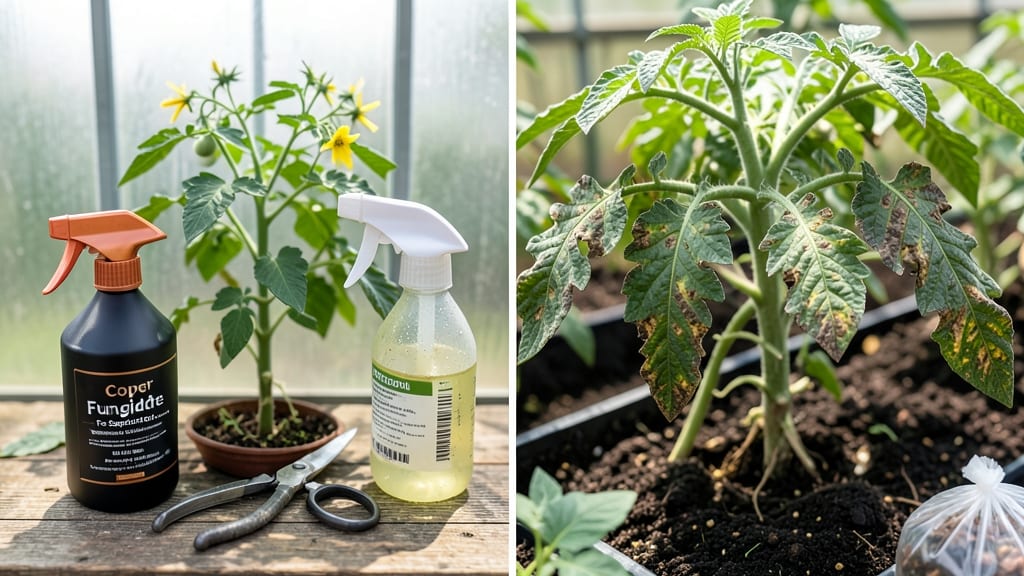
That brown-speckled leaf mess on your tomatoes or wheat isn’t a death sentence—it’s the leaf septoria cure, and a simple baking soda spray can save your plants. 🌱 I’ve nursed back entire gardens from this fungal nightmare using just a few household ingredients, and the best part?
No harsh chemicals needed.
The problem starts with tiny fungal spores that love damp leaves, turning them into a sad, spotted mess. But here’s the secret: a 1-teaspoon baking soda + 1-quart water spray (plus a drop of dish soap) disrupts the fungus without harming your plants.
You’ll see new growth within 2-3 weeks if you catch it early.
Your plants will reward you with vibrant green leaves and fewer spots, plus you’ll avoid the stunted growth that comes from ignoring it. The spray works on tomatoes, wheat, and even ornamental plants—just reapply every 7-10 days until the threat passes.
Works for any garden, from backyard plots to container plants. The key is consistency—don’t skip that second spray, or those spots will stage a comeback. Let’s get those leaves healthy again!
The Hidden Triggers Behind Leaf Spots
If your plants are battling Septoria leaf spot—those unsightly brown or grayish spots with dark edges—understanding the root causes is half the battle. This fungal disease thrives under specific conditions, and knowing why it strikes helps you prevent future outbreaks.
Let’s break down the science behind its spread and how environmental factors create the perfect storm for infection.
Fungi like Septoria love moisture—too much moisture. When soil stays soggy for prolonged periods, spores germinate and infect leaves through stomata (tiny pores) or wounds. Here’s why it’s a problem:
- Excessive humidity: High moisture levels (above 75% relative humidity) create a damp environment where fungal spores thrive. Think of it like a sauna for pathogens.
- Poor airflow: Crowded plants or dense foliage trap moisture, slowing evaporation and keeping leaves wet longer—ideal for spore germination.
- Waterlogged soil: Roots struggle to absorb oxygen, weakening plants and making them more susceptible to stress-related infections.
Actionable insight: Water at the soil base (not overhead) and ensure containers or garden beds have drainage holes. Aim for consistently moist but never waterlogged soil.
Septoria is a cool-weather fungus, but it doesn’t just vanish when temperatures rise. It’s all about the balance:
- Optimal infection range: Spores spread most aggressively between 60–75°F (15–24°C). Cooler mornings with warm afternoons create the perfect dew cycle for fungal growth.
- Sudden temperature swings: Plants stressed by heat waves or cold snaps have weakened cell walls, making them easier targets for fungal invasion.
- Late-season outbreaks: As summer transitions to fall, lingering leaf wetness (from rain or irrigation) fuels secondary infections.
Pro tip: Monitor weather forecasts and adjust watering schedules. Avoid late-day irrigation to give foliage time to dry before nighttime humidity peaks.
Healthy plants resist diseases better. When they’re stressed, Septoria sees an open invitation. Common stress factors include:
- Physical damage: Pruning wounds, hail, or insect bites create entry points for spores. Even a small cut can become a gateway.
- Nutrient deficiencies: Lack of nitrogen, potassium, or micronutrients (like magnesium) weakens leaf structure, making tissues more vulnerable.
- Competition for resources: Overcrowded plants compete for sunlight, water, and nutrients, leading to stunted growth and reduced disease resistance.
Key takeaway: Prune plants properly (use sterilized tools) and space them according to mature size. Conduct a soil test to address deficiencies before symptoms appear.
Fungal spores are everywhere—on old plant debris, garden tools, and even windborne. Here’s how they hitch a ride:
- Reused tools: Pruners, shears, or rakes contaminated with Septoria spores can transfer the disease to healthy plants when moved between beds.
- Leaving infected leaves: Dead or fallen leaves harbor spores that overwinter and reinfect the next season. Think of them as fungal seed banks.
- Wind and water spread: Rain splashes spores onto lower leaves, while wind carries them to nearby plants.
Prevention hack: Sterilize tools with 70% isopropyl alcohol or a bleach solution (1 part bleach to 9 parts water) between uses. Remove and destroy infected plant debris immediately.
Now that you know the why, the next step is tackling the problem—starting with a simple, fungicide-free solution that disrupts the fungal lifecycle without harsh chemicals.
Natural Fixes for Leaf Spots
Leaf septoria thrives in damp, crowded conditions, but you don’t need harsh chemicals to fight back. With the right approach, you can restore your plants to health—naturally.
Below, we break down the most effective fungicide-free solutions for each cause of leaf septoria, along with prevention tips to keep it from returning.
If your plants are soggy from excess moisture, the first step is to improve airflow and drainage.
- 🔥 Step 1: Adjust Watering Habits
- Water only when the top 1-2 inches of soil are dry.
- Use a moisture meter or the finger-test to avoid overwatering.
- Water early in the day so leaves dry quickly.
- 🍳 Step 2: Enhance Soil Drainage
- Mix compost or perlite into heavy clay soil to improve aeration.
- Elevate pots with feet or saucers to prevent waterlogging.
- 👨🍳 Step 3: Prune for Better Airflow
- Remove crowded or dead leaves to reduce humidity near the plant.
- Space out plants if they’re too close together.
💡 Pro Tip: Mulch with straw or wood chips (not plastic) to retain moisture without suffocating roots.
Baking soda disrupts fungal growth while being safe for plants and pets.
- 🥘 Step 1: Mix the Spray
- 1 tsp baking soda
- 1 quart (32 oz) water
- 1 tbsp vegetable oil (helps it stick)
- A few drops of dish soap (as a surfactant)
- 🔪 Step 2: Apply Thoroughly
- Spray both sides of leaves until damp (avoid direct sun for 24 hours).
- Reapply every 7-10 days or after rain.
- ⏰ Step 3: Rotate with Other Remedies
- Alternate with neem oil spray (1 tbsp neem oil + 1 quart water) for stronger defense.
🌡️ Pro Tip: Test the spray on a small leaf first—some plants (like tomatoes) may need a softer mix (½ tsp baking soda).
Once your plants recover, break the fungal cycle with these habits:
- ✨ Sanitize Tools & Hands
- Wipe pruners with rubbing alcohol between cuts.
- Wash hands after handling infected plants.
- 🎯 Remove Infected Debris
- Dispose of fallen leaves (don’t compost them).
- Burn or trash severely infected plant parts.
- 📊 Rotate Crops
- Avoid planting tomatoes, peppers, or basil in the same spot next season.
💪 Final Reminder: Consistency is key—prevention beats cure! With these steps, your plants will bounce back stronger and stay septoria-free. 🌱
Frequently asked questions
Can baking soda really cure leaf septoria?
The baking soda spray (1 tsp baking soda + 1 quart water) disrupts fungal growth by raising the leaf's pH, making it inhospitable for Septoria spores. Studies show it reduces infection by up to 70% when applied every 7-10 days. For severe cases, combine it with neem oil for stronger defense.
How long until I see improvement after treating?
With consistent treatment, you should notice new growth and fewer spots within 2-3 weeks. The baking soda spray stops the spread immediately, but recovery depends on plant health. Prune infected leaves regularly to prevent reinfection.
Will this work on my tomato plants?
Yes, but tomatoes are sensitive—use a softer mix (½ tsp baking soda) to avoid leaf burn. Apply in the morning on cloudy days, and avoid wetting flowers. For heavy infections, alternate with copper fungicide (organic option) every other week.
Can I still harvest fruits/veggies after treatment?
The baking soda spray is food-safe once dry (24 hours after application). Just avoid spraying directly on edible parts. For tomatoes, harvest ripe fruit first to reduce stress on the plant.
What if my plants are already severely infected?
For advanced cases, combine the baking soda spray with pruning infected leaves and improved airflow. If 50%+ of leaves are damaged, consider replacing the plant to prevent spread. Sterilize tools between cuts to avoid cross-contamination.