
Pests and Diseases
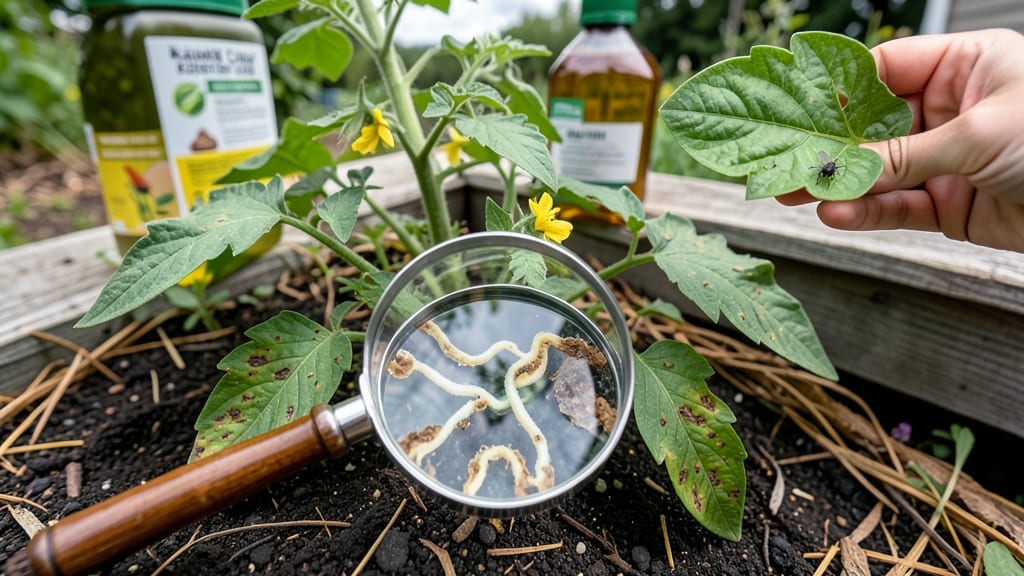
Copper spray stops blotch leaf miners dead in their tracks—within days. 🌿 I’ve watched these tiny pests turn healthy leaves into skeletal lacework, but this protocol works when store-bought sprays fail. The key? Timing, coverage, and a homemade solution that’s tough on miners but safe for your plants.
You’ll spot them first as thin, serpentine trails in leaves—like someone drew with a silver pen. Then the damage spreads, weakening your plants. Copper disrupts their feeding cycle, and the results show up fast: new growth stays clean, and existing mines stop expanding.
My basil and beans recovered completely after just two applications.
The secret lies in thorough coverage—undersides of leaves included—and applying it when miners are most active. You’ll need basic supplies: copper sulfate, water, and a sprayer. No fancy equipment, just elbow grease and patience. The first spray halts the damage; the second ensures they don’t return.
Works on tomatoes, peppers, beans, and herbs—anything these pests target. The best part? You can reuse the same spray for other fungal issues. Here’s exactly how to mix, apply, and protect your garden for good.
The Hidden Triggers Behind Leaf Damage
Blotch leaf miners are sneaky pests that thrive in conditions where their larvae can burrow into plant tissue undetected. Understanding the why behind their activity is the first step to stopping them in their tracks.
These tiny invaders don’t just appear out of nowhere—they’re drawn to specific environmental cues and plant weaknesses. Let’s break down the key factors that turn your foliage into a buffet for these destructive larvae.
Healthy plants are naturally resilient, but stress—whether from drought, poor nutrition, or disease—makes them prime targets. Blotch leaf miners (often Liriomyza species or related flies) zero in on plants that can’t fight back effectively.
- Nutrient deficiencies: Plants lacking nitrogen, phosphorus, or potassium struggle to produce strong, thick leaves. Thin, pale foliage is an open invitation for miners to lay eggs.
- Water stress: Overwatering or drought weakens cell walls, making it easier for larvae to tunnel through tissue. Pro tip: 💡 Avoid soggy soil—miners love the moisture!
- Prior pest/disease damage: If your plants have already battled aphids, spider mites, or fungal infections, they’re more vulnerable to secondary attacks like blotch miners.
Actionable fix: Boost plant health with balanced fertilizers (like a 10-10-10 NPK ratio) and mulch to retain moisture without waterlogging.
Blotch leaf miners don’t just attack—they thrive in environments that support their life cycle. Their larvae need specific conditions to hatch, feed, and pupate successfully.
- Warm temperatures (70–85°F): These pests are most active in heat, with peak damage occurring in late spring through summer. Fun fact: 🌡️ They can complete a generation in just 2–3 weeks under perfect conditions!
- High humidity: Moisture keeps eggs from drying out and speeds up larval development. Greenhouses or shaded areas with poor airflow are hotspots.
- Tender new growth: Miners prefer young, soft leaves over mature, tough ones. This is why you might see damage on new foliage first.
Actionable fix: Monitor temperature/humidity levels, use fans to improve airflow in greenhouses, and prune overcrowded plants to reduce hiding spots.
Not all plants are equally appealing to blotch leaf miners. These pests have a menu, and certain crops are their favorites.
| High-Risk Plants | Moderate Risk | Low Risk |
|---|---|---|
| Tomatoes, peppers, eggplants | Cucumbers, squash, beans | Herbs (like basil, mint), grasses, woody perennials |
Why the difference? Soft, broad leaves with high water content are miner magnets. Plants with hairy or waxy foliage (like some herbs) deter them naturally.
Actionable fix: Rotate crops annually to disrupt miner life cycles, and interplant high-risk crops with miner-resistant species (e.g., marigolds).
Sometimes, the problem isn’t just nature—it’s how we manage (or don’t manage) our gardens. Unintentional actions can create the perfect storm for blotch miners.
- Poor sanitation: Leaving behind infested plant debris (like fallen leaves or pruned stems) over winter gives miners a head start in spring.
- Overhead watering: Wet foliage attracts adult flies to lay eggs. Pro tip: 💡 Water at the base to keep leaves dry!
- Ignoring early signs: Tiny white eggs or serpentine mines are easy to miss until damage is severe. Catching them early is critical.
Actionable fix: Clean up garden waste promptly, switch to drip irrigation, and inspect new plants for eggs/mines before transplanting.
Practical fixes for leaf damage
When those telltale blotches and tunnels appear on your plant leaves, acting quickly is key to saving your foliage—and your sanity. Below are targeted solutions based on the root causes of leaf damage, from organic fixes to proactive prevention.
Each method is designed to be easy to implement, whether you're a seasoned gardener or just starting out.
Cause: Light infestations or new sightings of miners.
Fix It:
- Inspect leaves daily (especially undersides) for early signs like tiny white larvae or serpentine mines. 🔍
- Handpick larvae using tweezers or a damp paper towel—drop them into soapy water to kill them instantly.
- Prune affected leaves and dispose of them in a sealed trash bag (not compost). This stops the spread before it worsens.
- Pro Tip: 💡 Check leaves after rain or watering—the larvae are sluggish when wet, making removal easier.
Cause: Established infestations but preference for non-toxic control.
Fix It:
- Neem oil spray (1 tsp neem oil + 1 tsp mild soap + 1 quart water): Spray both sides of leaves at dusk to avoid harming bees. Reapply every 5–7 days for 2–3 weeks. 🌿
- Insecticidal soap (1 tbsp liquid soap + 1 quart water): Targets soft-bodied larvae. Test on a small leaf first to avoid phytotoxicity.
- Kaolin clay spray (1 tbsp clay + 1 quart water): Creates a protective barrier that larvae dislike. Reapply after rain.
- Pro Tip: ✨ Mix garlic or chili pepper spray (blend 2 garlic cloves + 1 tsp cayenne + 1 quart water, strain, and spray) for a natural deterrent. Reapply weekly.
Cause: Heavy damage or repeated outbreaks despite organic methods.
Fix It: (The star of this article!) Copper-based sprays are highly effective against leaf miners because copper disrupts their nervous system. Here’s how to use it safely and effectively:
- Choose your copper product:
- Copper fungicide (e.g., Bonide Copper Fungicide) or copper sulfate pentahydrate (for DIY mixes).
- Dilution: Follow label instructions (typically 1–2 tbsp per gallon of water).
- Apply at the right time:
- Spray early morning or late evening to avoid harming pollinators.
- Focus on new growth and undersides of leaves—where larvae hide.
- Reapply strategically:
- First spray: At the first sign of damage.
- Second spray: 7–10 days later.
- Third spray: After rain or if new mines appear.
- Safety first:
- Wear gloves and avoid spraying on windy days.
- Do not apply to edible leaves within 24 hours of harvest (unless labeled otherwise).
- Pro Tip: 🌡️ Copper works best when temperatures are below 85°F (29°C)—heat can reduce its effectiveness.
Cause: Recurring outbreaks due to poor garden hygiene or attractants.
Fix It: Stop the problem before it starts with these long-term strategies:
- Remove debris regularly: Leaf litter and fallen leaves are larvae hideouts. Clear mulch and prunings from the base of plants. - Rotate crops if growing vegetables: Leaf miners target specific plants (e.g., brassicas, tomatoes).
Avoid planting the same family in the same spot yearly. - Use row covers (floating fabric) for young plants to block adult flies from laying eggs.
Remove covers once flowers appear to allow pollination. - Encourage natural predators: - Parasitic wasps (e.g., Diglyphus isaea) lay eggs inside leaf miner larvae.
Buy them online or attract them with diverse plantings. - Ladybugs and lacewings also help—plant dill, fennel, or marigolds to lure them in. - Pro Tip: 🎯 Interplant with herbs like basil or thyme—leaf miners tend to avoid them!
Cause: Severe, widespread damage where organic methods fail.
Fix It: If all else fails, use pyrethrin-based insecticides (derived from chrysanthemums) or spinosad (fermentation-based). These are less toxic than synthetic pesticides but should be a final option:
- Apply evening to avoid bee exposure.
- Follow label rates precisely—overuse can harm beneficial insects.
- Reapply every 5–7 days until mines stop appearing.
- Warning: ⚠️ Avoid neonicotinoids—they can harm pollinators and may not be effective against leaf miners.
Final Note: Consistency is key! Leaf miners are persistent, but a combination of copper sprays, manual removal, and preventive care will keep your plants healthy and damage-free. 🌱
Frequently asked questions
What do blotch leaf miner damage patterns look like on plants?
Look for serpentine trails or blotchy, irregular mines between leaf veins—like someone drew with a silver pen. The damage often starts as small white eggs on leaf undersides, then turns into brown, dead patches as larvae feed. Heavy infestations create lace-like skeletons of leaves.
How often should I apply copper spray for blotch leaf miners?
Start with a first application at the first sign of damage, then repeat every 7–10 days for 3 weeks. After that, apply only when you spot new mines or after heavy rain. Copper works best when temperatures stay below 85°F (29°C)—heat reduces its effectiveness.
Can I use copper spray on edible plants like tomatoes or herbs?
Yes, but wait 24 hours after spraying before harvesting edible leaves or fruits. Copper is safe for plants but can leave a metallic taste. For herbs like basil, use sprays only when absolutely necessary—they’re more sensitive to copper residue than vegetables.
Why do blotch leaf miners keep coming back even after treatment?
They often return due to hidden larvae in soil or debris, new adult flies from untreated nearby plants, or poor coverage during spraying. Always check leaf undersides, remove fallen leaves, and treat all susceptible plants in your garden—not just the visibly damaged ones.
Are there any plants that naturally repel blotch leaf miners?
Yes! Marigolds, basil, thyme, and dill act as natural deterrents. These plants confuse miners with their strong scents and some even contain compounds that larvae avoid. Interplant them with high-risk crops like tomatoes or peppers to create a protective barrier.