
Container Gardens
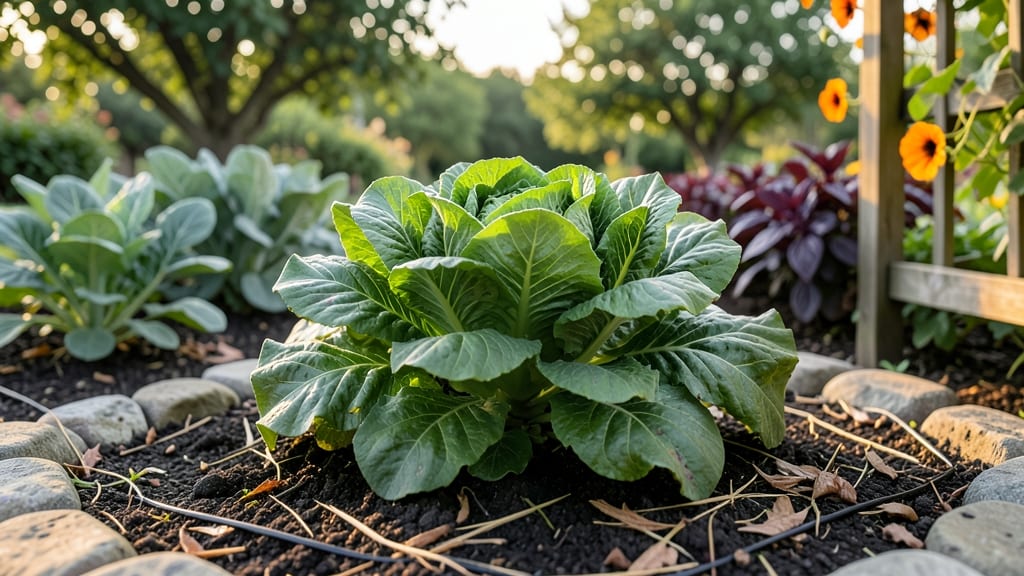
Leaf lettuce growing tips make it easy to enjoy fresh greens straight from your kitchen counter—no garden needed. 🌱 I’ve grown enough to supply my salads all summer with just a few simple tricks. The secret? Cool soil, consistent moisture, and a little shade when temperatures climb. You’ll need a 5-7 gallon container, well-draining potting mix, and a spot that gets 4-6 hours of morning sun. Lettuce hates heat and drought, so partial shade and frequent watering keep it tender. Start seeds indoors 4-6 weeks before last frost or buy transplants for instant results. Within 3-4 weeks, you’ll harvest crisp leaves by cutting outer leaves—lettuce keeps producing as long as you don’t take more than a third at once. The flavor stays sweet and mild when you avoid stress from heat or dry soil. Perfect for balconies, windowsills, or even a sunny porch. Here’s how to keep yours thriving all season long.
📚 In This Guide
- What you need
- Instructions
- Tips and common mistakes
- Wrapping up and next steps
What you need
- ● Seeds or seedlings: Leaf lettuce seeds (e.g., Buttercrunch, Black Seeded Simpson, or Oakleaf) – 1 packet (50-100 seeds)
- ● OR 3-6 young seedlings (for faster results)
- ● Growing containers: 5-10 gallon pots (with drainage holes) OR shallow trays (6+ inches deep)
- ○ Self-watering planters (optional but convenient)
- ● Growing medium: High-quality potting mix (sterile, well-draining) – 1 bag (1-2 cubic feet)
- ○ Compost or worm castings (1 cup per container for nutrients) (optional but recommended)
- ● Tools: Small hand trowel or transplant spade
- ● Watering can with a fine rose nozzle (or spray bottle for seedlings)
- ○ Garden gloves (optional but helpful)
- ● Sunlight: 4-6 hours of direct sunlight daily (partial shade in hot climates)
- ● Temperature: Ideal range: 45–75°F (7–24°C) (avoid frost or extreme heat)
- ● Water: Consistent moisture (keep soil evenly damp, not soggy)
- ● Space: 6–12 inches apart for seedlings (thin as they grow!)
Step-by-step instructions for growing leaf lettuce in small spaces
Here's how I grow crisp, tender leaf lettuce—even on a tiny balcony or sunny windowsill.
🌱 Step 1: Choose the Right Variety and Location
Pick a loose-leaf variety like Buttercrunch or Black Seeded Simpson for continuous harvesting. These types thrive in containers and don't bolt as quickly as head lettuce. Place your pot where it gets 4-6 hours of morning sun—afternoon heat makes leaves bitter.
I always check the seed packet for days to maturity. For small spaces, I choose varieties that mature in 30-45 days, so I can harvest before heat sets in. If your space gets only partial shade, opt for varieties like 'Oakleaf' or 'Lollo Rossa'—they tolerate lower light better.
🪴 Step 2: Prepare Containers and Soil
Use a container at least 6 inches deep with drainage holes—lettuce roots need room to spread but hate soggy feet. I repurpose old pots or even deep trays as long as they drain well. Fill with lightweight potting mix (never garden soil—it compacts and suffocates roots).
Add a handful of compost or worm castings to the mix for nutrients. Lettuce is a heavy feeder, and fresh soil gives it the boost it needs. Press the mix down gently so it's firm but not packed—you want roots to anchor easily without fighting resistance.
💧 Step 3: Sow Seeds and Maintain Moisture
Sow seeds ¼ inch deep, spacing them 1 inch apart in rows 2 inches apart. I use my finger to make small furrows, drop in 3-4 seeds per spot (you'll thin later), then cover lightly with soil. Mist the surface with water until it's damp but not soaked—lettuce seeds need consistent moisture to germinate.
Place a clear plastic dome or plastic wrap over the pot to trap humidity. Check daily and remove the cover once 50% of seeds sprout (usually 5-7 days). Keep the soil evenly moist—never let it dry out completely. I water in the morning so leaves dry before evening, preventing fungal issues.
☀️ Step 4: Thin and Protect Young Plants
When seedlings have 2-3 true leaves, thin to the strongest plant per spot, snipping the rest at soil level with scissors. This prevents overcrowding and gives remaining plants room to grow. I use the thinned seedlings in salads—nothing goes to waste!
Watch for pests like aphids or slugs early on. If you see tiny holes in leaves or slimy trails, act fast. I spray a mix of 1 part water to 1 part milk (the fats deter pests) or set out beer traps for slugs. Keep plants 4-6 inches apart as they grow to encourage bushiness.
✂️ Step 5: Harvest and Encourage Regrowth
Start harvesting outer leaves when they're 3-4 inches tall, using clean scissors to cut just above a leaf node. This encourages the plant to keep growing. I pick in the morning when leaves are crispest. Avoid taking more than ⅓ of the plant at once—lettuce regenerates best with some foliage left.
To extend the harvest, succession plant every 2-3 weeks after the first thinning. This ensures a steady supply. If your lettuce bolts (sends up a flower stalk), harvest the remaining leaves quickly—they'll get bitter fast. With this method, I get 4-6 harvests per plant before replanting.
Tips & tricks for perfect leaf lettuce growth
Here's what nobody tells you about growing leaf lettuce that'll make all the difference in your small-space garden.
Sunlight Strategy: That 4-6 hours of morning sun is non-negotiable for crisp lettuce. I've learned the hard way that afternoon sun turns leaves bitter—even with shade cloth. Position your container where it gets direct morning rays but moves into partial shade by noon. If you only have afternoon sun, choose heat-tolerant varieties like 'Jericho' or 'Black Seeded Simpson' and provide afternoon shade with a sheer curtain.
The Soil Secret: Lettuce roots are shallow but sensitive. I always mix in a handful of compost or worm castings when preparing my 6-inch deep container—this gives the roots the nutrients they crave without compacting. Pro tip: Press the soil down gently after planting so it's firm but not packed. This creates better root contact and prevents wilting. The right soil texture makes all the difference between floppy and crisp leaves.
Watering Wisdom: Those 5-7 days until germination are critical—keep the soil consistently moist but never soggy. I use a spray bottle for misting seeds and check moisture daily by sticking my finger an inch deep. If it's dry, water again. After germination, I water in the morning only, giving leaves time to dry before evening. This simple routine prevents fungal issues that can ruin your crop before it even starts.
Harvest Hack: When cutting those 3-4 inch leaves, always use clean scissors and cut just above a leaf node. This encourages regrowth and gives you more harvests. I've found that harvesting in the morning gives the crispest leaves, and never taking more than a third of the plant at once keeps it producing for weeks. With this method, I've gotten up to 6 harvests from a single planting—something I never would've believed before trying it.
Pro Tips for Leaf Lettuce Growing Tips
- Here's what nobody tells you about growing leaf lettuce that'll make all the difference in your small-space garden.
- Sunlight Strategy: That 4-6 hours of morning sun is non-negotiable for crisp lettuce.
- The Soil Secret: Lettuce roots are shallow but sensitive.
Frequently asked questions
Got questions about growing leaf lettuce? You’re not alone—this crisp, fast-growing green can be tricky for beginners! Below, we’ve rounded up the most common queries to help you troubleshoot, time your harvest, and maximize your tiny-space garden.
How long does it take for leaf lettuce to grow?
Leaf lettuce is one of the fastest crops you can grow! With the right conditions (cool temps, consistent moisture, and 4–6 hours of sunlight daily), you can harvest baby leaves in 3–4 weeks and full heads in 5–6 weeks. For continuous harvests, sow seeds every 2–3 weeks—no waiting around!
Can I grow leaf lettuce in hot weather?
Leaf lettuce prefers cool temperatures (50–75°F), but it can bolt (go to seed) in heat. To beat the summer slump:
- Use heat-tolerant varieties like ‘Black Seeded Simpson’ or ‘Jericho.’
- Provide afternoon shade with a row cover or mesh.
- Harvest outer leaves first to keep plants productive.
What’s eating my leaf lettuce, and how do I stop it?
Pests like slugs, aphids, and rabbits love tender lettuce! Try these organic fixes:
- Slugs/snails: Set out beer traps or copper tape around containers.
- Aphids: Spray with soapy water or introduce ladybugs.
- Rabbits/deer: Use fencing (even chicken wire) or plant repellent herbs like mint nearby.
Can I regrow lettuce from store-bought leaves?
Yes! Store-bought lettuce (like romaine or butterhead) can regrow if you:
- Rinse off any dirt and trim the base.
- Place the root end in 1 inch of water (change daily).
- Keep in bright, indirect light (no direct sun!).
What’s the best companion plant for leaf lettuce?
Leaf lettuce loves these companions:
- Carrots (they deter pests and share space well).
- Radishes (they break up soil and repel aphids).
- Strawberries (they shade the soil to keep lettuce cool).
- Avoid: Celery, cucumbers, or pole beans (they compete for nutrients).
Wrapping up and next steps
Growing leaf lettuce is a rewarding journey—whether you're a seasoned gardener or just starting out! With the right container, soil, sunlight, and care, you can enjoy crisp, fresh greens in even the smallest of spaces.
Remember, consistency in watering, thinning seedlings, and protecting your plants from pests will set you up for success.
Now that you’re armed with these leaf lettuce growing tips, why not take the next step? Try planting a few varieties, experiment with companion plants, or even share your harvest with friends and family. Happy growing—your garden (and taste buds!) will thank you! 🌱✨