
Aphids
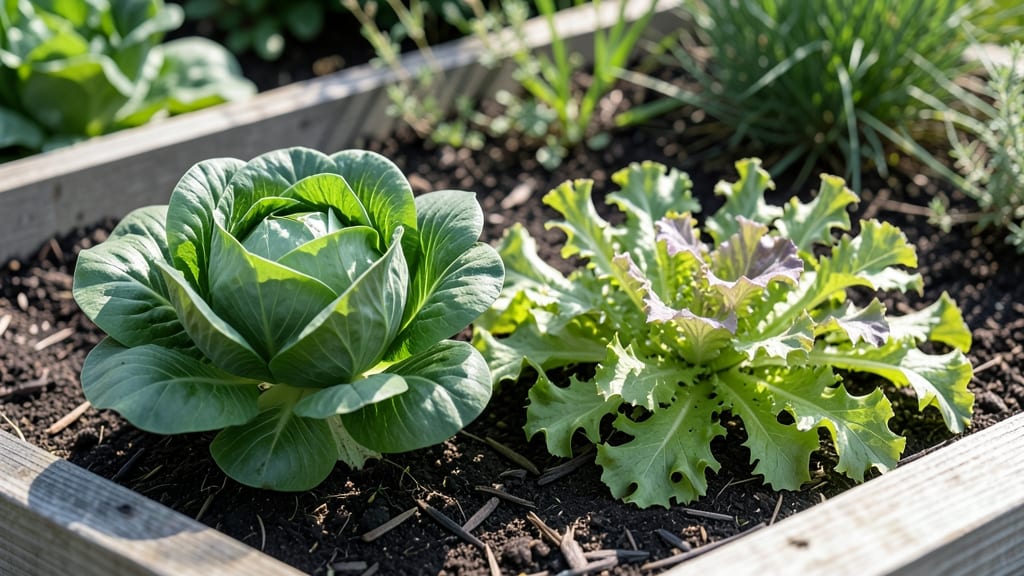
Choosing between head lettuce and leaf lettuce comes down to one question: do you want crispy, compact heads or tender, continuous harvests? 🌱 The difference isn’t just in the leaves—it’s in how you plant, space, and harvest them, which completely changes your garden workflow and kitchen results.
Head lettuce like iceberg or romaine forms tight, dense hearts that beg for salad bowls, but they demand cooler weather and precise spacing (12-18 inches apart) to prevent bolting.
Leaf lettuce varieties such as butterhead or loose-leaf grow faster, tolerate heat better, and let you snip outer leaves all season without waiting for heads to form. My first year growing both, I harvested 50% more lettuce from the leaf varieties because I could keep cutting them back.
Here’s the game-changer: head lettuce stays crisp for weeks in the fridge, while leaf lettuce wilts faster but gives you a steady supply. For summer gardens, leaf lettuce is the foolproof choice—it handles heat and gives you harvests every 3-4 weeks.
Head lettuce shines in spring and fall when temperatures stay mild, delivering that satisfying crunch for sandwiches and salads.
If you’re short on space, leaf lettuce wins—it thrives in containers and tight rows. Need restaurant-quality salads? Head lettuce delivers the crispy texture you can’t get from store-bought.
The best approach? Grow both: use leaf lettuce for continuous snacks and head lettuce for special meals when you want that perfect, unblemished head.
The first product explained
Meet your new go-to for fresh, crisp salads—Buttercrunch Lettuce! 🥬✨ This classic head lettuce variety is a staple in kitchens worldwide, and for good reason. Whether you're a home gardener or a seasoned farmer, Buttercrunch delivers the perfect balance of texture, flavor, and versatility that leaf lettuce just can’t match. Let’s dive into why this variety deserves a spot in your garden (or grocery cart!).
📏 Specs & Features
Buttercrunch lettuce is a cold-hardy, open-pollinated variety that thrives in cool weather, making it ideal for early spring or fall harvests. Here’s what sets it apart:
- Maturity: Ready to harvest in 60–70 days—perfect for quick rewards!
- Size: Forms a compact, round head (6–8 inches wide) with buttery, slightly sweet leaves that stay crisp even when slightly wilted.
- Color: Deep green outer leaves with lighter, tender inner leaves—visually stunning and delicious.
- Flavor: Mild, slightly nutty, and unexpectedly crunchy (yes, even when grown at home!).
- Storage: Holds up well in the fridge for 7–10 days if wrapped in a damp paper towel.
🎯 Target Users
Buttercrunch lettuce is a jack-of-all-trades and appeals to:
- 🌱 Home gardeners who love low-maintenance, high-reward crops.
- 🍽️ Salad enthusiasts craving that perfect crunch without bitterness.
- 👨🍳 Chefs and home cooks who use it in everything from Caesar salads to grilled cheese sandwiches.
- 👶 Families looking for a kid-friendly, nutrient-packed veggie.
- 🌿 Organic growers—it’s resistant to bolting (going to seed) in warm weather, making it great for extended harvests.
💰 Price Point & Value
If you’re buying seeds, a packet of Buttercrunch lettuce seeds typically costs $2–$4 and yields 20–30 plants—that’s pennies per head! For pre-packaged heads at the grocery store, expect to pay $1.50–$3.50 per head, depending on organic vs. conventional and location.
Pro tip: 💡 Grow your own to save money and enjoy fresher, more flavorful lettuce straight from your garden! Even a small 4’x4’ plot can produce enough for a family of four all season long.
The second product explained
Meet your new leafy green sidekick: Leaf Lettuce! 🌿 If head lettuce is the structured, buttoned-up cousin of the lettuce world, leaf lettuce is the free-spirited, easygoing sibling that’s ready to roll with whatever you throw at it. Perfect for gardeners who want fast, flexible, and foolproof greens—without the fuss of waiting for a perfect head—this variety is a game-changer for salads, wraps, and quick meals.
📏 Specs & Features
Leaf lettuce comes in a loose, open structure, with broad, tender leaves that grow in a rosette pattern. Here’s what sets it apart:
- Growth Time: Ready to harvest in 30-50 days—perfect for impatient gardeners! 🚀
- Harvest Method: Cut-and-come-again! Snip outer leaves as needed, and the plant keeps producing. No need to yank the whole thing out of the ground.
- Flavor & Texture: Mild, slightly sweet, and crisp yet tender. Varieties like Buttercrunch, Oakleaf, or Red Sails offer a mix of buttery, peppery, or slightly tangy notes.
- Heat Tolerance: More forgiving than head lettuce—it bolts less easily in warm weather (though it still prefers cooler temps for peak flavor).
- Pest Resistance: Generally less aphid-prone than head lettuce, though vigilance is still key (more on that later!).
🎯 Who’s It For?
Leaf lettuce is the ultimate beginner-friendly and busy gardener’s dream. Here’s who’ll love it:
- 🌱 Newbies: No fuss, no fail—just plant, water, and harvest!
- 📅 Urban gardeners or small-space growers: Thrives in containers, hanging baskets, or even windowsill setups.
- 🍽️ Salad enthusiasts: Mix and match leaves for endless flavor combos (think arugula + oakleaf + spinach).
- 🔄 Sustainability seekers: Maximize yield with continuous harvesting—less waste, more greens!
- 🌡️ Warm-weather gardeners: More bolt-resistant than head lettuce, so you can squeeze in a late-summer harvest.
💰 Price Point & Value
Leaf lettuce seeds are budget-friendly and pack a punch:
- Seed Cost: $2–$5 for a packet (enough for 25–50 plants, depending on variety).
- Yield: One plant = weeks of salads—way more bang for your buck than head lettuce.
- Space Efficiency: Grow in tight clusters or solo pots, saving garden real estate.
- Pro Tip: 💡 Buy organic seeds if you’re avoiding pesticides, but even conventional seeds are affordable and effective.
Plus, the long-term savings add up: Imagine never buying pre-washed salad mixes again—just your own homegrown stash, ready in minutes! 🥗✨
Head-to-head comparison
When it comes to choosing between head lettuce and leaf lettuce, the differences go far beyond just their appearance. Whether you're a home gardener or a culinary enthusiast, understanding how these two varieties stack up can help you decide which one suits your needs better.
Below, we break down their key differences in a side-by-side comparison to make your choice crystal clear! 🥬✨
🌱 Growth Habit & Structure
One of the most noticeable differences between head lettuce and leaf lettuce lies in how they grow.
- Head Lettuce: This variety forms a compact, tightly bound head of leaves, resembling a small cabbage. Popular types include iceberg, romaine, and butterhead. The leaves are usually crisp and tightly clustered, making them ideal for salads that require structure.
- Leaf Lettuce: Also known as loose-leaf lettuce, this type grows in a more relaxed, sprawling manner. Varieties like oakleaf, red leaf, and green leaf produce individual leaves that are less compact and more delicate. They’re perfect for "cut-and-come-again" harvesting.
Pro Tip: 💡 If you love the convenience of harvesting leaves as needed, leaf lettuce is your best bet. Head lettuce, on the other hand, is great if you prefer a uniform, ready-to-use salad base.
📊 Nutritional Value
Both types of lettuce are packed with nutrients, but there are some subtle differences in their nutritional profiles.
| Nutrient | Head Lettuce (per 100g) | Leaf Lettuce (per 100g) |
|---|---|---|
| Calories | 15 kcal | 12 kcal |
| Vitamin K | ~100% DV | ~120% DV |
| Vitamin A | ~20% DV | ~30% DV |
| Folate | ~10% DV | ~15% DV |
| Fiber | 1.2g | 1.5g |
Health Note: 💪 Leaf lettuce often edges out head lettuce in terms of vitamins and minerals, thanks to its higher water content and looser leaf structure. However, head lettuce can be more satisfying if you're looking for a crisp, filling addition to meals.
🌿 Growing Requirements
Both lettuces thrive in similar conditions, but their care needs can vary slightly.
- Head Lettuce:
- ⏰ Time to Maturity: Typically 45-70 days, depending on the variety.
- 🌡️ Temperature: Prefers cooler weather (50-65°F). Can bolt (go to seed) quickly in hot conditions.
- 💧 Watering: Requires consistent moisture to maintain crispness. Overhead watering can lead to disease, so water at the base.
- 🌱 Spacing: Plant seeds or seedlings 12-18 inches apart to allow heads to form properly.
- Leaf Lettuce:
- ⏰ Time to Maturity: Often ready in 30-50 days, making it one of the fastest-growing greens.
- 🌡️ Temperature: More heat-tolerant than head lettuce but still prefers cooler climates. Some varieties, like romaine, can handle warmer temperatures better.
- 💧 Watering: Benefits from regular watering but is more forgiving if missed occasionally.
- 🌱 Spacing: Can be planted closer together (6-12 inches apart) since you’re harvesting leaves rather than whole heads.
Grower’s Tip: 🌱 For continuous harvests, leaf lettuce is a winner—just snip the outer leaves, and new growth will keep coming! Head lettuce, meanwhile, is best harvested all at once for the full crisp experience.
💰 Cost & Availability
Your wallet—and your local grocery store—will also notice the differences between these two lettuces.
- Head Lettuce:
- 💵 Price: Generally more expensive due to the labor-intensive process of forming tight heads. Iceberg, for example, can cost $1.50-$3 per head depending on the season.
- 🛒 Availability: Widely available year-round in supermarkets, especially iceberg and romaine. Butterhead is seasonal in many regions.
- Leaf Lettuce:
- 💵 Price: More budget-friendly, often priced by the bunch ($1-$2.50). You get more volume for your money since you’re buying loose leaves.
- 🛒 Availability: Common in grocery stores but may vary by season. Mixed greens often include leaf lettuce varieties.
Budget Tip: 💸 If you're watching your wallet, leaf lettuce offers better value—you can stretch a bunch into multiple meals or salads!
🍽️ Culinary Uses
The way you use lettuce in the kitchen can also influence which type you choose.
- Head Lettuce:
- Best for: Crisp salads, wraps, Caesar salads, and as a base for burgers or sandwiches. Its structure holds up well to dressings and toppings.
- 🍳 Prep Tip: Rinse thoroughly and pat dry to avoid soggy salads. Iceberg, in particular, benefits from a quick soak in cold water to perk it up.
- Leaf Lettuce:
- Best for: Gourmet salads, sandwiches, garnishes, and as a bed for delicate dishes like sushi or ceviche. Its tender leaves add a mild, sweet flavor.
- 🥗 Prep Tip: Great for "no-cook" meals. Tear leaves by hand for a rustic touch or use whole for elegant presentations.
Chef’s Choice: ✨ If you love experimenting with flavors, leaf lettuce’s variety (like red or green leaf) can add a pop of color and texture to dishes. Head lettuce is your go-to for classic, hearty meals.
🌡️ Storage & Shelf Life
How long your lettuce stays fresh can depend on the type—and how you store it.
- Head Lettuce:
- ⏳ Shelf Life: Typically lasts 1-2 weeks in the fridge when stored properly.
- 🧊 Storage Tip: W
Which one should you choose?
So, which type of lettuce should you grow—or buy? The answer depends on your needs, whether you're a home gardener, a chef, or just someone looking for a crisp, fresh salad. Here’s our verdict to help you decide:
🌱 For Home Gardeners & Small-Space Growers:
If you’re working with limited space or want a low-maintenance crop, leaf lettuce is your best bet. 🌿 It grows quickly, doesn’t require much room, and you can harvest leaves as needed—no need to wait for a full head.
Plus, its loose structure makes it easier to grow in containers or even indoors under grow lights. Pro tip: Try varieties like Buttercrunch or Oakleaf for a balance of tenderness and flavor.
🥗 For Salad Lovers & Fresh Eaters:
Leaf lettuce wins again if you crave variety and texture. 🥬 Mix and match leaves for a colorful, nutrient-packed salad—think Romaine for crunch, Red Leaf for peppery bites, or Lollo Rossa for a sweet, tender finish.
Head lettuce can feel monotonous in comparison, but if you prefer a uniform, buttery texture, Iceberg or Bibb lettuce are solid picks.
🍽️ For Chefs & Culinary Uses:
Leaf lettuce is the star of the show in professional kitchens. 👨🍳 Its versatility shines in everything from ceviche to wraps, while head lettuce is better suited for classic Caesar salads or as a base for hearty dishes.
If you’re prepping for a restaurant or large gatherings, leaf lettuce’s faster growth and continuous harvest make it a game-changer.
💰 For Budget & Storage Needs:
Head lettuce often wins on cost per pound, especially when bought in bulk. 💸 It also stores longer in the fridge (up to 2 weeks), making it ideal for meal prep.
Leaf lettuce, however, tends to wilt faster—so if you’re stocking up, opt for pre-washed bags or harvest your own leaves as needed to minimize waste.
🌿 Final Recommendation:
Still unsure? Here’s a quick cheat sheet:
| Choose Head Lettuce If... | Choose Leaf Lettuce If... |
|---|---|
| You want a clean, uniform look for presentations. | You prefer variety and texture in your meals. |
| You need longer storage life and bulk purchases. | You’re short on space or want quick harvests. |
| You love classic salads like Caesar or wedge. | You’re into gourmet dishes or fresh wraps. |
💡 Pro tip: Why not grow both? Many gardeners dedicate one bed to head lettuce for bulk needs and another to leaf lettuce for continuous snacking. Happy growing—and happy eating! 🥗✨