
Leaf Blower
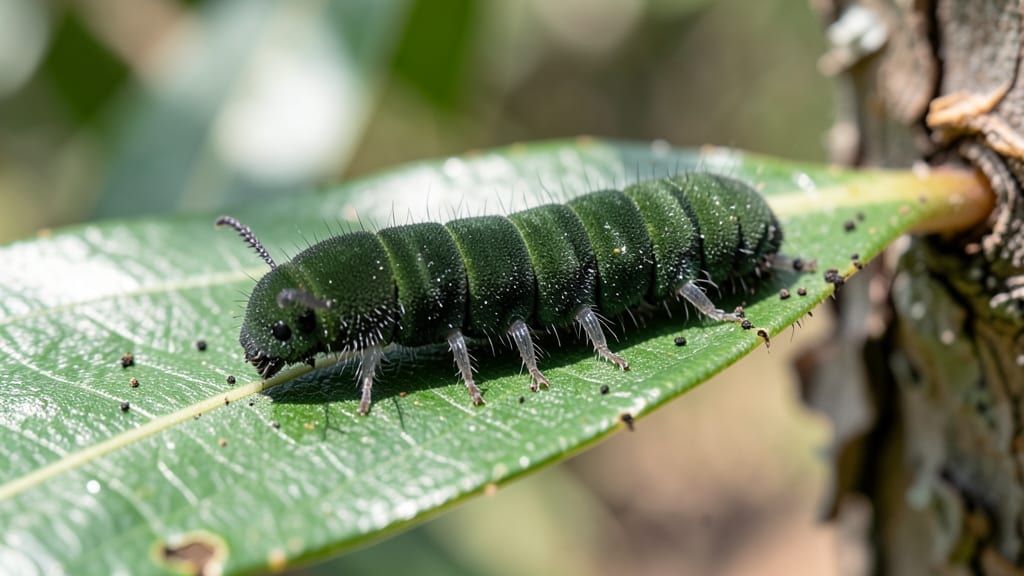
Those crispy, skeletonized eucalyptus leaves are a dead giveaway—eucalyptus leaf beetle larvae have struck. 🌿 I’ve watched these voracious pests turn lush silver-blue foliage into lace in just days, and the key to stopping them lies in a targeted copper spray that disrupts their feeding cycle without harming beneficial insects.
The damage starts when tiny black larvae chew through leaf edges, leaving behind a characteristic "windowpane" effect. By the time you notice the crispy remnants, they’ve already moved deeper into the canopy.
Copper spray works by creating a protective film that irritates their digestive systems, forcing them to seek safer leaves—often on other plants.
Within 7-10 days of application, you’ll see fresh green growth pushing through, and the larvae will either fall to the ground or migrate away. The spray is safe for pets and children once dry, and it breaks down naturally in the soil, making it a sustainable solution for repeated infestations.
For severe cases, combine the spray with physical removal of larvae by hand (drop them into soapy water) and pruning heavily damaged branches. The goal isn’t just to save your eucalyptus—it’s to protect nearby plants from becoming the next buffet.
Root Causes of Eucalyptus Defoliation
Understanding why eucalyptus leaf beetle larvae wreak havoc on your trees starts with peeling back the layers of their behavior and the environment they thrive in. These tiny pests aren’t just random attackers—they’re strategic invaders drawn by specific conditions that make your eucalyptus trees look like an all-you-can-eat buffet.
Let’s break down the key reasons behind their destructive feasts.
Eucalyptus trees, especially young or stressed ones, are the primary target for these larvae. Here’s why: - High Nutrient Appeal: Eucalyptus leaves are rich in oils and nutrients that larvae crave for rapid growth.
A healthy, thriving tree is like a five-star restaurant to them—plenty of high-quality meals to sustain their life cycle. - Lack of Natural Predators: In many regions, eucalyptus trees were introduced without their native predators (like certain birds or insects).
Without checks and balances, larvae populations explode unchecked. - Monoculture Plantings: Large plantings of eucalyptus in a single area create a "green desert" for other plant species, leaving the beetles with only eucalyptus to feast on. Diversity in landscaping disrupts their menu options.
Pro Tip: 🌱 Mix in native plants like acacias or melaleucas to distract beetles and reduce their focus on your eucalyptus.
Larvae don’t just appear out of nowhere—they’re timed to the perfect conditions for survival and reproduction: - Warm, Humid Climates: Temperatures between 70–85°F (21–29°C) and moderate humidity create ideal hatching and feeding conditions.
Coastal or subtropical regions are hotspots for outbreaks. - Drought Stress: While you might think drought would deter pests, the opposite is true. Stressed trees produce more volatile oils, which attract beetles.
Their leaves become even more appealing as a food source. - Seasonal Timing: Larvae typically hatch in spring or early summer, coinciding with new leaf growth. This timing ensures they have a fresh, tender meal ready for their rapid development.
Pro Tip: 💡 Monitor weather patterns—if your area experiences a warm, wet spring, be extra vigilant for early signs of larvae.
Sometimes, the way we manage our landscapes invites these pests. Here’s how: - Overwatering or Poor Drainage: While drought stresses trees, too much water can weaken roots and make leaves more susceptible to damage.
Weakened trees are easier targets for larvae. - Lack of Pruning: Overgrown or densely packed eucalyptus trees create shady, humid microclimates—perfect for beetle egg-laying.
Pruning improves airflow and reduces hiding spots. - Introduction via Nursery Stock: Infested plants purchased from nurseries can unknowingly bring larvae to your property. Always inspect new plants before planting.
Pro Tip: ⏰ Prune in late winter to encourage new growth before the beetle hatching season peaks.
Sometimes, the problem isn’t just the beetles—it’s the absence of their natural enemies: - Pesticide Overuse: Broad-spectrum pesticides can kill off beneficial insects (like ladybugs or parasitic wasps) that prey on beetle larvae.
This creates a vacuum where larvae thrive unopposed. - Soil Depletion: Poor soil health weakens trees, making them more vulnerable.
Eucalyptus trees need well-drained, slightly acidic soil (pH 5.0–6.5) to stay resilient. - Lack of Fungal or Bacterial Controls: Some soil microbes can suppress beetle populations naturally, but chemical fertilizers or fungicides may disrupt these balances.
Pro Tip: 🌡️ Test your soil annually and amend it with compost or organic matter to boost tree health naturally.
Understanding these causes isn’t just about identifying the problem—it’s about strategically disrupting the conditions that allow larvae to thrive. The next step? Targeted solutions to starve out their survival strategies.
Effective Fixes for Leaf Damage
When eucalyptus trees lose their crisp, vibrant edges to voracious larvae, quick action is key. Below are targeted solutions tailored to the root causes—whether it’s an infestation, environmental stress, or poor maintenance.
Each fix is designed to be practical, effective, and easy to implement, with prevention tips to keep your trees thriving long-term.
If larvae are the culprit, a copper-based spray is your first line of defense. Copper disrupts their digestive systems while being safe for the tree (when used correctly).
How to Apply: 🔹 Mix the Solution:
- Combine 1 tablespoon of copper sulfate (or a pre-mixed copper fungicide) with 1 gallon of water.
- Add a dish soap (½ teaspoon) to help the spray stick to leaves.
🔹 Timing & Technique:
- Spray early morning or late evening to avoid leaf burn from sunlight.
- Focus on new growth, undersides of leaves, and egg clusters (tiny yellow dots).
- Reapply every 7–10 days until larvae are gone (usually 2–3 treatments).
💡 Pro Tip: Test a small branch first to ensure your tree tolerates copper.
Instead of chemicals, encourage nature’s cleanup crew. Ladybugs, lacewings, and parasitic wasps love munching on eucalyptus larvae.
How to Attract Them:
- Plant companion flowers like dill, fennel, or marigolds near your trees—they draw beneficial insects.
- Avoid broad-spectrum pesticides (they kill predators too!).
- Install a small water source (like a shallow dish with pebbles) to keep predators hydrated.
✨ Bonus: Release Trichogramma wasps (tiny, egg-laying allies) if your local garden center stocks them.
For small infestations, physical removal can save your tree without chemicals.
Step-by-Step:
- Wear gloves (some larvae have irritating hairs).
- Inspect leaves daily, especially new growth.
- Drop larvae into soapy water (a bucket of water + a drop of dish soap) to kill them instantly.
- Prune heavily infested branches and dispose of them in a sealed bag.
🔪 Warning: If the tree is over 50% defoliated, pruning may stress it—combine this with copper spray for best results.
Sometimes, larvae thrive because the tree is weak or stressed. Boost its resilience with these tweaks:
| Problem | Solution | Prevention Tip |
|---|---|---|
| Drought stress | Deep water 2–3 times per week | Mulch with wood chips to retain moisture |
| Poor soil nutrition | Fertilize with low-nitrogen, high-potassium mix | Test soil annually for deficiencies |
| Overcrowded branches | Thin out crossing or dead branches | Prune in late winter to avoid stress |
🎯 Key Insight: Healthy trees repel pests naturally—focus on water, soil, and airflow first.
The best defense? Stop larvae before they start. Here’s how:
- Monitor regularly (check undersides of leaves weekly in spring/summer).
- Use reflective mulch (aluminum foil or silver plastic) to deter egg-laying adults.
- Plant resistant varieties (e.g., Eucalyptus urnigera is less appealing to beetles).
Final Note: If damage persists after 4 weeks, consult a local arborist—they can assess whether the tree needs systemic treatment or structural support.
Now, roll up your sleeves—your eucalyptus’s crisp edges are waiting for a rescue! 🌿💨
Frequently asked questions
How do I tell if my eucalyptus tree has leaf beetle larvae?
Look for skeletonized leaves with crispy edges—larvae chew between the veins, leaving a lace-like pattern. Check undersides of leaves for tiny black larvae or yellow egg clusters (about 1mm wide). New growth is often the first target.
Is copper spray safe for pets and children?
Yes, once completely dry (24 hours). Copper sulfate breaks down naturally in soil and poses no risk when used as directed. Always keep pets away until the spray dries, and avoid spraying near water sources they might drink from.
Can I use neem oil instead of copper spray?
Neem oil works but is less effective for severe infestations. Mix 1 teaspoon neem oil + ½ teaspoon dish soap per gallon of water and reapply every 5-7 days. Copper is more reliable for disrupting larvae digestion, while neem deters adults from laying eggs.
What should I do if larvae fall to the ground?
Collect them with a damp towel or vacuum and dispose of them in soapy water. Larvae can pupate in soil, so avoid tilling infested areas. For heavy infestations, cover the ground with cardboard or newspaper to suffocate any remaining larvae before they pupate.
Will my eucalyptus tree recover from heavy defoliation?
Young trees may struggle, but mature eucalyptus can regrow leaves quickly if under 50% defoliated. Prune damaged branches and fertilize with low-nitrogen, high-potassium mix to support recovery. If over 50% defoliated, combine treatments with arborist consultation.