
Pests and Diseases
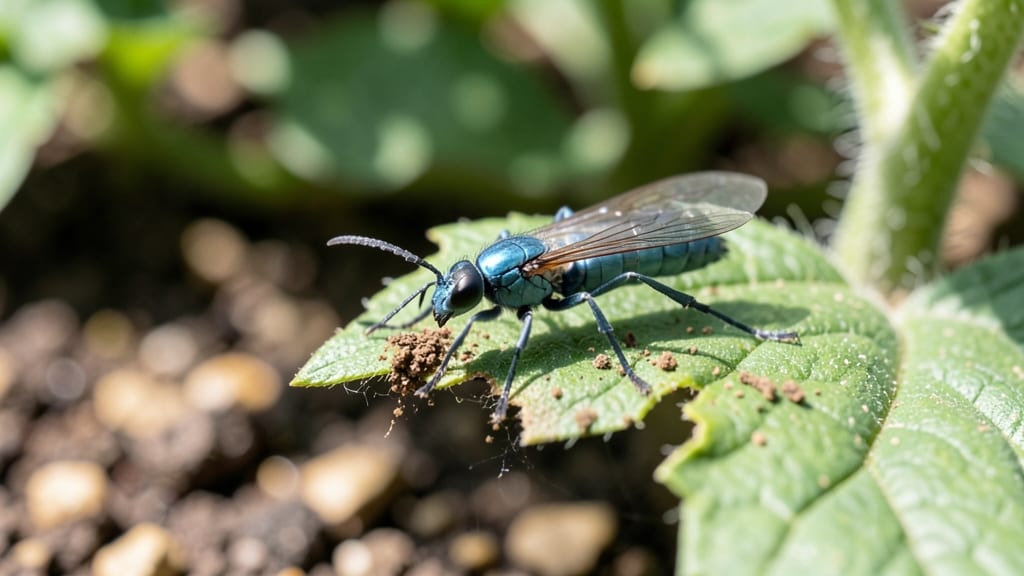
Leaf borer control isn’t just another spray—it’s the secret weapon against these pests that actually works. 🌱 These sneaky pests tunnel through leaves, turning your tomato plants into skeleton frames overnight. The good news? A neem oil barrier smothers eggs and larvae before they can cause real damage, and it’s safer than harsh chemicals.
I’ve used this method on my corn and tomato plants, and the difference is night and day. The key is timing: apply neem oil every 7-10 days during peak borer season (late spring to summer), and watch infestations vanish.
It’s not just about spraying—it’s about creating a protective film that starves out the pests before they even hatch.
You’ll see healthier leaves within 2-3 weeks, with fewer holes and less frass (that telltale sawdust-like poop). The plants grow stronger, resist stress better, and produce more fruit. Plus, neem oil works on tomatoes, corn, peppers, and even fruit trees, making it a versatile fix for any garden.
Works best when combined with pruning damaged leaves and introducing beneficial nematodes for extra protection. Here’s how to make it foolproof—no more helplessly watching your plants get eaten alive.
Root Causes of Leaf Borer Infestations
Leaf borers—tiny, destructive larvae that tunnel through plant stems and leaves—don’t just appear out of nowhere. Their presence is usually a sign of underlying conditions that create the perfect environment for these pests to thrive.
Understanding why they strike helps you take proactive steps to prevent future outbreaks. Here’s a breakdown of the key factors that turn your plants into a leaf borer buffet.
When plants are packed too closely together or struggling to access nutrients, water, or sunlight, their defenses weaken. Leaf borers target these vulnerable plants because:
- Thinner cell walls: Stressed plants produce less chlorophyll and weaker structural tissues, making it easier for larvae to chew through leaves and stems.
- Reduced natural predators: Overcrowding can limit the presence of beneficial insects (like parasitic wasps or ladybugs) that normally keep borer populations in check.
- Excess sap flow: Stressed plants often leak sugars and nutrients through damaged tissues, which attracts egg-laying adult moths or beetles.
Actionable insight: Prune regularly to improve airflow, mulch to retain moisture, and fertilize with balanced nutrients (especially nitrogen and potassium) to bolster plant resilience.
Leaf borers and their eggs often hitch a ride on plant debris, fallen leaves, or even old mulch. If your garden or greenhouse isn’t regularly cleaned, you’re essentially leaving an invitation for these pests:
- Hibernation hotspots: Many borer species overwinter in dead plant material or soil. If you don’t remove debris, they emerge stronger and hungrier in spring.
- Egg-laying havens: Adult moths prefer to deposit eggs on rough, organic surfaces like bark, leaf litter, or even pruning wounds.
- Moisture traps: Decaying matter holds moisture, creating ideal conditions for borer larvae to survive and multiply.
Actionable insight: Clear fallen leaves, prune dead branches, and rotate crops annually to disrupt borer life cycles. Compost debris away from your garden to avoid reintroducing pests.
Leaf borers thrive in specific conditions—usually warm, humid environments with plenty of shade. If your garden mimics these preferences, you’re rolling out the red carpet for infestations:
| Factor | Why It Attracts Borers |
|---|---|
| High humidity (60%+) | Moisture keeps eggs from drying out and speeds up larval development. |
| Stagnant water | Puddles or poor drainage create breeding grounds for borer-friendly fungi and bacteria. |
| Partial shade | Borers avoid direct sunlight; shaded areas (like under dense canopies) provide perfect hiding spots. |
| Sudden temperature spikes | Warm snaps trigger adult moths to emerge early, leading to multiple generations per season. |
Actionable insight: Improve drainage, use drip irrigation to avoid wetting foliage, and prune to increase sunlight penetration. If your region is prone to humidity, opt for drought-tolerant plants less appealing to borers.
Not all plants are equally tempting to leaf borers. Some varieties are naturally more resistant, while others—especially young or tender shoots—are prime targets:
- Soft, succulent leaves: Plants like tomatoes, corn, and citrus have thin, water-rich leaves that larvae adore.
- New growth: Borers prefer tender, fast-growing shoots because they’re easier to penetrate and provide more nutrients.
- Genetic susceptibility: Some cultivars (e.g., certain apple or peach trees) are bred for yield over pest resistance, making them magnets for borers.
Actionable insight: Choose borer-resistant varieties when possible (e.g., ‘Liberty’ apple trees or ‘Celebrity’ peaches). For vulnerable plants, apply neem oil or kaolin clay as a barrier to deter egg-laying adults.
By addressing these root causes—stress, debris, climate, and plant choice—you’re not just treating leaf borers; you’re making your garden a less appealing (and less survivable) place for them. The key is proactive care, not reactive damage control.
Beat Back Leaf Borers Naturally
Leaf borers may sound like a small problem, but their damage can turn your healthy plants into a sad, skeletonized mess. The good news? You don’t need harsh chemicals to fight back.
With the right strategies, you can smother eggs, starve larvae, and protect your plants—all while keeping your garden thriving. Below are practical, step-by-step solutions tailored to the root causes of leaf borer infestations, plus prevention tips to keep them from returning.
Cause: Female moths lay eggs on leaves, and within days, larvae tunnel into stems or leaves, causing irreversible damage.
Fix: 🔥 Neem Oil Barrier (Your First Line of Defense) Neem oil isn’t just a repellent—it smothers eggs and disrupts larval development. Here’s how to apply it effectively:
- Timing is Key 🕒: Spray neem oil every 7–10 days during peak egg-laying seasons (spring and summer).
- Mix It Right 🍳: Combine 1 tbsp neem oil + 1 tsp mild liquid soap + 1 quart of water. Soap helps the oil stick to leaves.
- Target Young Leaves 🎯: Focus on new growth where moths prefer to lay eggs. Use a fine mist sprayer for even coverage.
- Reapply After Rain 🌧️: Rain washes off neem oil, so check your plants and respray if needed.
💡 Pro Tip: Add 1 tsp of horticultural oil to the mix for extra suffocating power against eggs.
Cause: Once larvae hatch, they bore into stems, leaves, or fruit, leaving behind frass (sawdust-like droppings) and weakening plants.
Fix: 🍳 Physical Removal (Best for Small Infestations)
- Handpick Larvae 👨🍳: Inspect plants early in the morning when larvae are sluggish. Drop them into soapy water to kill them instantly.
- Prune Infested Areas ⏰: Cut off damaged leaves or stems (especially near entry holes) and dispose of them in sealed bags—not compost!
- Use Cardboard Traps 🎯: Place rolled-up cardboard tubes near plants. Larvae will crawl inside to pupate—check and destroy them weekly.
🌡️ Heat Treatment (For Stubborn Cases)
- Solarization: Cover infested soil or plants with clear plastic for 4–6 weeks in sunny weather. The trapped heat kills pupae underground.
Cause: Poor garden hygiene, overcrowded plants, and lack of natural predators create the perfect borer buffet.
Fix: ✨ Cultural Controls (The Borer’s Worst Nightmare)
- Rotate Crops 🌱: Avoid planting the same family (e.g., tomatoes, peppers) in the same spot yearly.
- Mulch Strategically 🍂: Use straw or wood chips to disrupt moths’ ability to lay eggs near soil.
- Encourage Beneficial Insects 🐝: Ladybugs, lacewings, and parasitic wasps eat borer eggs and larvae. Plant dill, fennel, or marigolds to attract them.
🔥 Barrier Methods (For High-Risk Plants)
- Row Covers 🛡️: Use fine mesh fabric over young plants to block moths from laying eggs.
- Sticky Traps 🎯: Place yellow sticky traps near plants to catch adult moths before they reproduce.
Final Reminder: Consistency is key! Neem oil + physical removal + prevention = a borer-free garden. Start today, and your plants will thank you with lush, healthy growth—no tunnels in sight! 🚀
Frequently asked questions
How do I know if my plants have leaf borers?
Look for small holes in leaves, sawdust-like frass (larval droppings), or wilting stems with tiny entry points. Check the undersides of leaves and along stems—larvae often hide there. Young plants are especially vulnerable, so inspect them regularly during warm, humid weather.
Can I use neem oil on edible plants like tomatoes?
Yes, neem oil is safe for edible plants when used correctly. Apply it 7-10 days before harvest to ensure residue has time to break down. Always follow the label instructions, and avoid spraying flowers if you want to protect pollinators. The oil works by suffocating pests, not by leaving harmful residues.
What’s the best time of day to apply neem oil?
Apply neem oil early in the morning or late afternoon to avoid harming bees and other beneficial insects. The cooler temperatures help the oil adhere better to leaves, and it won’t evaporate as quickly. Avoid spraying when flowers are open to protect pollinators actively working in your garden.
Will leaf borers come back next year if I treat them now?
They might if you don’t address the root causes. Practice crop rotation, remove all plant debris, and maintain healthy soil to weaken their life cycle. Combine neem oil treatments with beneficial nematodes or parasitic wasps for long-term control. Consistency is key—borers thrive in neglected gardens!
Are there any chemical-free ways to get rid of leaf borers?
Try handpicking larvae (drop them in soapy water), cardboard traps (larvae crawl inside to pupate), or beneficial insects like ladybugs. For a natural spray, mix 1 tbsp neem oil + 1 tsp soap + 1 quart water—it smothers eggs and larvae without chemicals. Prune infested areas and dispose of them properly.