
Planting
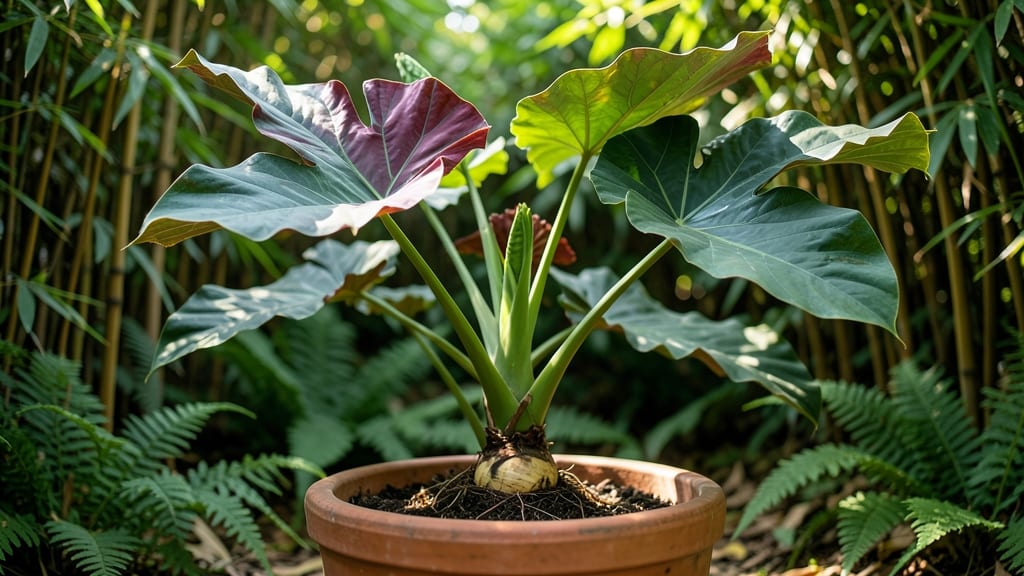
A large-leaf weed plant can turn your carefully tended garden into a battleground 🌱—unless you act fast.
Picture this: You spot a strange, broad-leaved plant popping up near your tomatoes, and by the time you realize it’s not one of your intentional plants, it’s already sending out runners.
Before it crowds out your veggies or becomes a permanent fixture, you need to know how to spot it, pull it, and stop it from coming back.
This isn’t just about aesthetics—some of these weeds, like dock or lamb’s quarters, spread aggressively and can even steal nutrients from your prized plants. The good news? With the right tools and timing, you can reclaim your garden in under 30 minutes—and keep it weed-free long-term.
Below, I’ll walk you through how to identify these sneaky invaders, the most effective removal methods (including organic options), and 5 proven strategies to prevent them from staging a comeback. No more guessing games—just actionable steps to protect your garden’s health.

How to identify large-leaf weeds in your garden (with visual clues)
Spotting a large-leaf weed in your garden can feel like discovering an unwelcome guest—especially when it starts crowding out your desirable plants. These weeds often mimic beneficial plants, making identification tricky.
The key lies in examining leaf shape, growth patterns, and root systems to distinguish them from your prized flowers or vegetables.
Many gardeners confuse lamb’s quarters with spinach or mistake dock for a young hosta. Without proper identification, you might accidentally pull out a plant you’ve been nurturing for months.
I’ve seen this happen more times than I can count—even to experienced gardeners! That’s why I’ve created this guide to help you spot these intruders before they take over.
Below, you’ll find a visual comparison table of the most common large-leaf weeds, including their distinguishing features. This will help you quickly identify whether that mysterious plant is a weed or a welcome addition to your garden.
Pay close attention to the leaf veins, stem texture, and growth habit—these are your best clues.
For example, bindweed has arrow-shaped leaves with pointed tips, while dock leaves are broad with prominent veins. Lamb’s quarters, on the other hand, have soft, fuzzy leaves that resemble spinach but grow much faster and taller. These differences are critical for accurate identification.
Now that you’ve got the visual clues, let’s dive deeper into how to distinguish weeds from desirable plants. One of the easiest ways is to check the leaf arrangement.
Weeds like bindweed often have leaves that grow in a spiral pattern, while many vegetables and flowers have leaves that grow in opposite pairs or whorls.
Another telltale sign is the smell of the leaves when crushed. Many large-leaf weeds, such as dock, emit a strong, unpleasant odor. In contrast, healthy garden plants like basil or mint often release a pleasant aroma.
This sensory check can save you time and effort in the long run.
Don’t overlook the flower structure either. Weeds like lamb’s quarters produce small, greenish flowers that resemble tiny umbrellas, while your garden plants might have more vibrant blooms. If you’re unsure, snap a photo and compare it to the table above—it’s a foolproof way to confirm your suspicions.
Once you’ve identified the weed, act quickly. Many of these plants spread aggressively through seeds or runners, so removing them early prevents a full-blown infestation. I recommend pulling weeds when the soil is moist—this makes it easier to extract the entire root system without breaking it
Step-by-step guide to removing large-leaf weeds without harming your garden
Large-leaf weeds like dock or lamb’s quarters can quickly dominate your garden if left unchecked. The key to removal is acting early and using the right techniques to avoid damaging your plants or soil. Whether you prefer manual methods or organic solutions, timing and tools make all the difference.
Before grabbing your gloves, check the weather forecast. The best time to remove weeds is on a dry, sunny day when the soil is slightly moist but not soggy.
This ensures you can pull weeds cleanly without leaving fragments behind. If the ground is waterlogged, wait 24 hours for the soil to dry out slightly.
Step 1: Gather Your Tools
- ✂️ Garden shears or pruners for cutting thick stems
- 🪣 Hoe or weeding fork for deep-rooted weeds
- 🧤 Gloves to protect your hands from sap or thorns
- 💧 Vinegar solution (1 gallon vinegar + 1 cup salt + 1 tbsp dish soap) for stubborn weeds
Step 2: Pull Weeds at the Base
- Grasp the weed’s stem near the soil line
- Wiggle gently while pulling upward to avoid breaking the root
- For deep-rooted weeds, use a weeding fork to loosen soil first
Step 3: Apply Organic Solutions
- Spray vinegar solution directly on remaining weed roots
- For boiling water, pour slowly on the root zone to kill regrowth
- Cover the area with cardboard or newspaper to block sunlight for 2 weeks
Step 4: Monitor and Repeat
- Check the area weekly for new sprouts
- Reapply vinegar or boiling water if weeds resurface
- Mulch with straw or wood chips to prevent future growth
If manual removal feels too labor-intensive, consider targeted herbicides like glyphosate for large, established weeds. Always follow label instructions and avoid spraying near desirable plants. For organic gardens, corn gluten meal applied in early spring can prevent weed seeds from germinating.
Timing is everything—remove weeds before they flower and seed. A single missed weed can produce thousands of seeds, turning a small problem into a full-blown invasion. Stay vigilant, and your garden will stay lush and weed-free.
For deep-rooted weeds like bindweed, dig a 12-inch trench around the plant to sever roots. Repeat this process every few weeks until the weed weakens. Patience pays off in a weed-free garden.