
Pruning
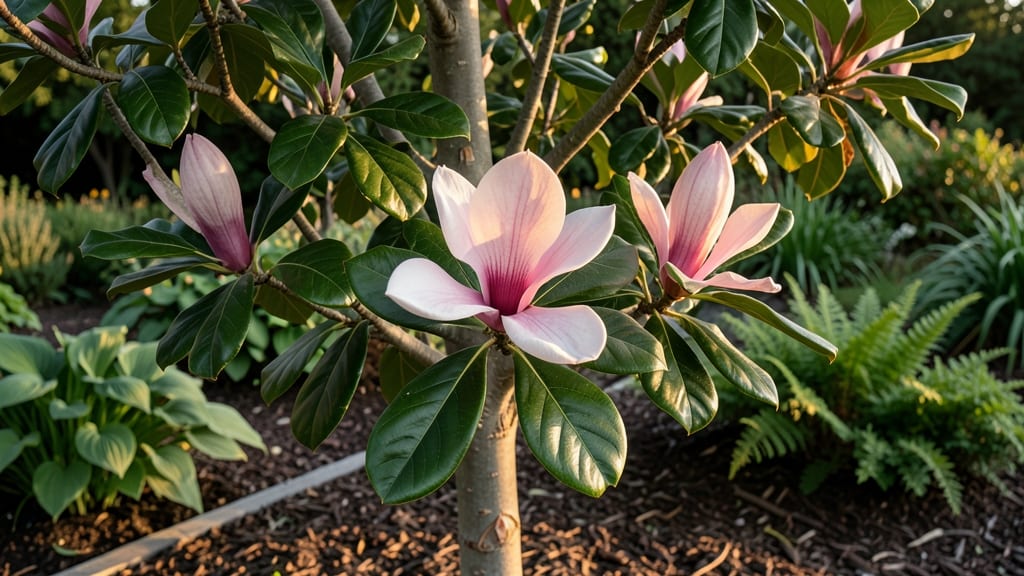
Growing a Japanese bigleaf magnolia means year-round drama with almost no pruning work. 🌿 These evergreen giants deliver glossy, leathery leaves and fragrant white blooms that last for weeks—without the constant trimming other magnolias demand. The key is getting the planting conditions right from day one.
You’ll need a spot with 6+ hours of direct sun, well-draining soil (amend heavy clay with compost), and protection from harsh winds. Plant in early spring when roots can establish before summer heat hits.
Water deeply once a week for the first year, then let nature take over—this magnolia thrives on neglect once settled. By summer, you’ll be rewarded with foot-long blooms that perfume the air, followed by seed pods that add winter interest.
The leaves stay vibrant even in cold snaps, making it a low-maintenance star for any landscape. Just avoid over-pruning—this tree rewards patience with decades of effortless beauty. Perfect for foundations, privacy screens, or bold focal points. Once established, it handles drought and pests better than most ornamental trees.
Here’s how to keep yours thriving with minimal fuss.
📚 In This Guide
- What you need
- Instructions
- Tips and common mistakes
- Wrapping up and next steps
What you need
- ● Japanese Bigleaf Magnolia Tree: 1 container-grown Magnolia × soulangeana (3–5 gallons, 3–5 ft tall) or a bare-root sapling (for winter planting).
- ● Pro tip: 💡 Choose a tree with vibrant, healthy foliage and no signs of pests.
- ● Planting Site: Well-draining soil (amend with compost if needed).
- ● Full sun to partial shade (6+ hours of sunlight daily).
- ● Space: At least 15–20 ft from structures or other trees (they grow wide!).
- ● Hand Trowel (for digging small holes).
- ● Shovel (for larger planting holes, 12–18" wide/deep).
- ● Garden Gloves (to protect your hands from thorns and rough bark).
- ○ Pruning Shears (sharp, bypass-style, for minimal shaping—optional but handy).
- ● Mulch (2–3 inches of organic mulch like pine bark or shredded leaves).
- ● Watering Can or Hose (with a gentle spray nozzle).
- ○ Soil pH Test Kit (optional: Magnolias prefer slightly acidic soil, pH 5.0–6.5).
- ● Slow-release fertilizer (balanced 10-10-10 or acid-loving plant formula).
- ● Tree stakes & ties (if planting in windy areas).
- ● Fungicide (like copper-based spray, only if disease is a concern).
- ● Drip irrigation system (for consistent moisture).
Step-by-Step instructions for planting and caring for Japanese bigleaf magnolia
Here’s the straightforward method I use to establish these stunning trees with minimal fuss.
🪴 Step 1: Choose the Perfect Planting Site
Japanese bigleaf magnolias thrive in partial shade to full sun, but they’re far more forgiving in shadier spots than many trees. I always pick a location with morning sun and afternoon shade—this prevents leaf scorch while still encouraging strong growth. The soil should drain well, but don’t stress if it’s not perfect; these trees tolerate a wide range.
Dig a hole twice as wide as the root ball but only as deep as the container’s base. Loosen the roots gently if they’re circling—this helps them establish faster. Real talk: If your yard gets heavy clay, mix in a few inches of organic compost at the bottom of the hole to improve drainage.
☀️ Step 2: Plant at the Right Time and Depth
Fall is the best time to plant—October to November—when soil is still warm but air temperatures are cooling. Spring works too, but avoid extreme heat. Place the tree so the top of the root ball sits 1-2 inches above ground level. This prevents water from pooling around the trunk, which can rot roots over time.
Backfill with the native soil, tamping lightly every few inches to remove air pockets. Water deeply until the soil is evenly moist 6 inches down. You’ll know it’s right when water drains away within a few hours—no soggy puddles. Mulch with 2-3 inches of organic mulch (like wood chips) and keep it 6 inches away from the trunk to prevent rot.
💧 Step 3: Water Deeply and Consistently for the First Year
Water once a week during the first growing season unless rain provides 1 inch of moisture. Deep watering encourages strong root growth—aim for 6-8 inches of soil moisture when you check with your finger. Overwatering is the biggest mistake; these trees hate wet feet.
After the first year, they’re far more drought-tolerant. You’ll see it when the tree starts dropping lower branches—it’s telling you it’s thirsty. At that point, water deeply again and watch for new growth within a week.
✂️ Step 4: Prune Only When Necessary
Japanese bigleaf magnolias are famous for their minimal pruning needs. The only time to prune is in late winter or early spring before new growth starts. Remove dead, diseased, or crossing branches at the branch collar—never leave stubs. You’ll know a cut is right when you see a slight swelling where the branch meets the trunk.
Never prune in fall—it stimulates new growth that won’t harden off before winter. And skip the idea of shaping these trees; their natural form is their beauty. If you must prune for clearance, limit cuts to no more than 25% of the canopy in one season.
🌿 Step 5: Fertilize Lightly for Long-Term Health
These trees aren’t heavy feeders, but a balanced 10-10-10 fertilizer in early spring gives them a gentle boost. Sprinkle ½ cup around the drip line (the outer edge of the tree’s branches) and water it in. Too much fertilizer causes weak growth and fewer flowers—so light is better.
Watch for yellowing leaves—that’s your signal to skip fertilization that year. Instead, focus on improving soil drainage or reducing water stress. Japanese bigleaf magnolias reward patience with decades of trouble-free growth and those iconic, fragrant blooms.
Tips & tricks for perfect Japanese bigleaf magnolia planting
These practical insights will help you avoid common pitfalls and get your magnolia off to the best possible start.
Location Intelligence: In Step 1, when choosing your site, consider nearby structures—magnolias grow large (up to 40 feet tall) and have wide canopies. Plant at least 15-20 feet away from buildings and other trees to prevent root competition. I've seen beautiful specimens planted against north-facing walls where they get reflected light without afternoon sunburn. The morning sun gives them the energy they need while protecting those delicate leaves from harsh afternoon rays.
Root Ball Rescue: For Step 1's root loosening, if you're dealing with a particularly tight root ball, soak it in a bucket of water for 10-15 minutes before planting. This helps loosen the roots naturally without damaging them. I learned this trick after seeing a nursery worker gently massage roots in water—it makes all the difference for establishment. Just be sure to plant while the roots are still moist but not dripping wet.
Watering Wisdom: In Step 3, that 6-8 inches of soil moisture target is crucial but can be tricky to judge. Use a simple screwdriver or soil probe to check—push it into the soil and see how easily it goes. If it feels dry at 6 inches, water again. For the first year, I set a reminder on my phone for weekly watering to avoid forgetting, especially during hot spells when evaporation increases dramatically. The key is consistency—not letting the soil dry out completely between waterings.
Pruning Precision: When following Step 4's pruning instructions, use sharp, clean pruners to make cuts just outside the branch collar. I always sterilize my tools with rubbing alcohol between cuts to prevent spreading disease. For larger branches, make the cut at a slight angle to prevent water from pooling where the branch used to be. The swelling you should see at the branch collar is actually a natural healing response—it's how the tree knows exactly where to grow new cells.
Pro Tips for Japanese Bigleaf Magnolia
- These practical insights will help you avoid common pitfalls and get your magnolia off to the best possible start.
- Location Intelligence: In Step 1, when choosing your site, consider nearby structures—magnolias grow large (up to 40 feet tall) and have wide canopies.
- Root Ball Rescue: For Step 1's root loosening, if you're dealing with a particularly tight root ball, soak it in a bucket of water for 10-15 minutes before planting.
Frequently asked questions
about the Japanese Bigleaf Magnolia—because even pros need a quick reference! Here are answers to the most common questions to help you grow this stunning tree with confidence.How fast does a Japanese Bigleaf Magnolia grow?
The growth rate is moderate—expect 12–24 inches per year under ideal conditions. In the first decade, they focus on root and branch development, so don’t rush pruning! Patience pays off with their dramatic, slow-to-fade blooms.
Can I grow a Japanese Bigleaf Magnolia in colder climates?
This tree thrives in USDA Zones 5–9, making it perfect for northern gardens. Just plant it in a sheltered spot to protect it from harsh winter winds. Mulch heavily in late fall to insulate the roots—your magnolia will reward you with spring blooms!
Do I need to prune my Japanese Bigleaf Magnolia every year?
Not necessarily! These trees are low-maintenance—prune only to remove dead branches or shape lightly after flowering (late spring). Avoid heavy pruning, as it can reduce next year’s blooms. Think of it as a "set it and forget it" beauty!
What’s the best alternative if I want a similar tree but with fewer pests?
Consider the Saucer Magnolia (Magnolia × soulangeana)—it’s equally stunning but less prone to scale insects and powdery mildew. Another option is the Star Magnolia (Magnolia stellata), which blooms earlier and is slightly more disease-resistant.
Why are the leaves on my Japanese Bigleaf Magnolia turning yellow?
Yellowing leaves often signal overwatering, poor drainage, or nutrient deficiency. Check the soil—it should be moist but not soggy. Amend with compost and ensure the tree isn’t planted in a low-lying area where water pools. A little TLC can bring back that lush green!
Wrapping up and next steps
The Japanese bigleaf magnolia is a stunning, low-maintenance addition to any garden, offering year-round beauty with minimal pruning demands. Its lush foliage, fragrant blooms, and adaptability make it a favorite for both novice and experienced gardeners alike.
Whether you’re drawn to its elegant leaves or its hardy nature, this tree promises a rewarding experience with just a little care.
Ready to transform your outdoor space? Start by selecting the perfect spot—one with well-drained soil and partial shade—and watch your magnolia thrive with confidence! 🌿✨