
Pests and Diseases
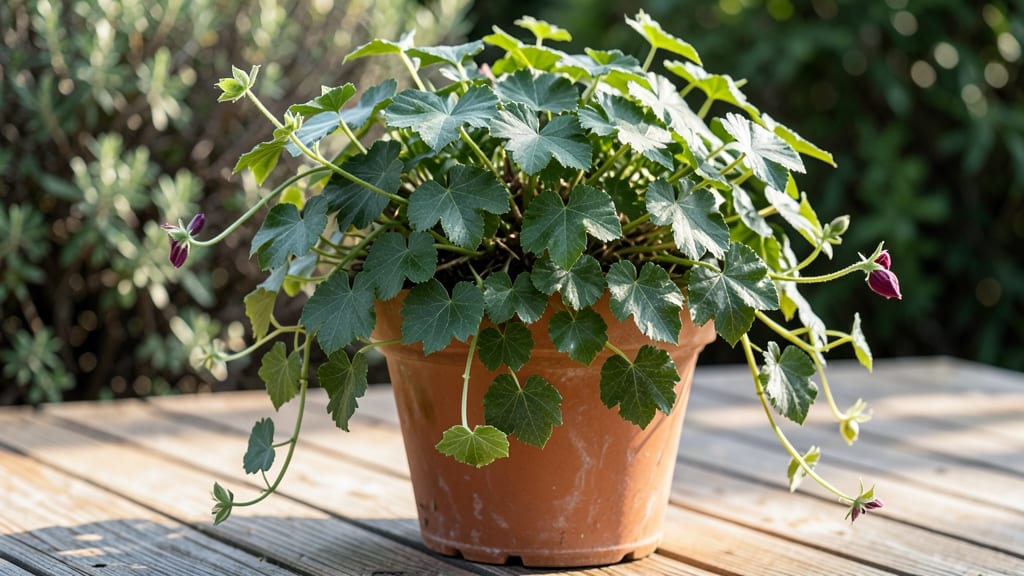
Identify clematis by leaf, and you’ll unlock the secret to spotting these stunning climbers in your garden—each leaf a unique fingerprint of the vine. 🌿 The moment I spotted those deeply lobed, almost fern-like leaves climbing my trellis, I knew I’d found a clematis.
These plants don’t just look distinctive; their leaves are the secret handshake of the vine world, setting them apart from wisteria, grapevines, or even some ivies.
Start with the shape: most clematis leaves are palmately lobed (like fingers spread wide) or ternate (three leaflets per stem). The edges? Often jagged or toothed, never smooth. Compare them to grapevine leaves—those are simpler, with three smooth lobes—and you’ll spot the difference instantly.
The arrangement matters too: clematis leaves grow in opposite pairs along the stem, while many lookalikes alternate.
Once you’ve got the leaf shape locked down, check the stem texture—smooth and often hairy—and the climbing habit (those tendrils are unmistakable).
This isn’t just plant nerd trivia: knowing your clematis by leaf means you’ll prune it right, fertilize it correctly, and keep it thriving instead of confusing it with a vine that needs totally different care. Think of it as the gardener’s version of reading a plant’s handwriting.
Pro tip: Snap a photo of the leaf against a white background—no other vine will match that lobed precision. Whether you’re troubleshooting a mystery climber or just admiring your garden’s architecture, these leaves are your first (and best) clue. Now go find yours!
How Leaf Traits Evolve Naturally
Clematis leaves vary dramatically across species—and even within the same plant—due to a mix of genetic, environmental, and developmental factors. Understanding these causes helps gardeners accurately identify their vines by leaf shape, lobing, and arrangement. Here’s why these differences occur:
Clematis belong to a vast genus with over 300 species, each evolved to thrive in specific climates and ecosystems. Leaf morphology (shape, size, and lobing) is hardwired into their DNA:
- Hereditary adaptations: Species like Clematis montana (with simple, elliptical leaves) evolved in temperate forests where broad leaves maximize sunlight capture. In contrast, Clematis armandii (leathery, ovate leaves) thrives in subtropical climates where water conservation is key.
- Hybrid vigor: Many cultivated clematis (e.g., Clematis × jackmanii) are hybrids bred for ornamental traits. Their leaves may exhibit intermediate lobing or serration patterns, blending traits from parent species.
- Actionable tip: Cross-reference your leaf with a species database (like the Royal Horticultural Society guide) to narrow down matches based on genetic leaf signatures.
Leaves aren’t static—they adapt in real time to sunlight, temperature, and moisture. These factors can temporarily or permanently reshape clematis foliage:
| Factor | Effect on Leaves | Example |
|---|---|---|
| Light exposure | Low light → Smaller, paler leaves with reduced lobing (shade avoidance syndrome). High light → Larger, deeply lobed leaves for photosynthesis. | Clematis viticella grown in full sun develops 3-lobed leaves; in shade, lobes may fuse into simple shapes. |
| Temperature swings | Cold stress → Thicker, darker leaves (to prevent frost damage). Heat stress → Curling or scorch, mimicking pest damage. | Mountain-dwelling Clematis alpina produces woolly undersides in high-altitude heat. |
| Water availability | Drought → Smaller, leathery leaves with fewer veins. Overwatering → Yellowing (chlorosis) or drooping lobes. | Clematis tangutica in arid regions develops silvery-blue foliage to reflect sunlight and retain moisture. |
Pro tip: 🌡️ Observe your clematis’s leaves throughout the season. If lobing changes drastically, note whether it coincides with weather shifts or pruning timing.
A single clematis plant may produce three distinct leaf types over its life cycle, leading to misidentification:
- Seedling leaves: Often simple and rounded (to conserve energy). Example: Clematis recta starts with heart-shaped leaves before developing its signature 3-lobed adult foliage.
- Juvenile growth: Early-season shoots may have fewer lobes or serrated edges (e.g., Clematis florida’s youthful leaves resemble C. montana’s).
- Mature foliage: Fully grown leaves exhibit species-specific lobing (e.g., Clematis texensis’s 5–7 pointed lobes).
Key takeaway: 🔍 Always examine mature leaves (from the middle or upper part of the vine) for accurate ID. Seedling or stressed leaves can be misleading.
Diseases and insects can warp leaf structure, making clematis look like an entirely different species. Common culprits:
- Powdery mildew: Causes white, powdery coatings that distort leaf edges, making lobes appear fused or irregular.
- Clematis wilt (fungus): Leaves yellow and crisp at the edges, mimicking nutrient deficiency.
- Aphids/slugs: Chew lobes into jagged or notched shapes, resembling Clematis vitalba’s natural serration.
Action step: 🦠 Inspect the undersides of leaves and stems for signs of pests or fungal growth. Healthy leaves should have smooth veins and no unusual patterns.
Quick Fixes for Common Leaf Issues
When your clematis leaves start looking less than stellar, the key is acting fast—before problems spiral out of control. Below, we’ve mapped common leaf troubles to practical, step-by-step solutions, plus tips to keep your vine thriving. Think of this as your clematis first-aid kit!
Cause: Overwatering, root rot, or fungal infections (like powdery mildew) often drain leaves of their vibrancy.
How to Fix It: 🔥 Step 1: Check the Soil
- Stick your finger 2 inches deep into the soil. If it’s soggy, your clematis is drowning. Drainage is critical—clematis roots hate "wet feet."
- Fix: Repot (if in a container) or amend garden soil with perlite or sand to improve aeration. For in-ground plants, create a raised bed mound to prevent water pooling.
🍳 Step 2: Trim the Damage
- Snip off yellowed or mushy leaves with sterilized pruners (rubbing alcohol works). Avoid leaving stubs—they invite pests.
- Pro Tip: 💡 If >30% of the vine is affected, prune back 1/3 of the plant to redirect energy to healthy growth.
👨🍳 Step 3: Fungal Foes? Fight Back! - Powdery mildew? Spray leaves with a baking soda mix (1 tsp baking soda + 1 quart water + a drop of dish soap).
Repeat weekly. - Root rot? Apply fungicide (like copper-based or neem oil) to soil and reduce watering to every 4–5 days (check soil moisture first).
🌡️ Prevention:
- Water at the base (not overhead) to keep leaves dry.
- Space plants 3–6 feet apart for airflow—fungi love crowded, damp conditions.
- Mulch lightly (1–2 inches) with gravel or straw to deter soil-borne diseases.
Cause: Clematis are a buffet for slugs, snails, Japanese beetles, and deer. Even aphids can leave a messy trail.
How to Fix It: 🔪 Step 1: Manual Pest Patrol
- Handpick slugs/snails at night (they’re most active) and drown them in soapy water. 🌙
- Japanese beetles? Shake them into a bucket of soapy water—they’re slow fliers but fast eaters.
⏰ Step 2: Barrier Defense - Slug/snail bait: Use iron phosphate pellets (pet-safe) around the base.
Avoid salt—it harms soil. - Beetle traps: Hang yellow sticky traps nearby to catch adults before they munch. - Deer-proofing: Install a 6-foot tall fence or wrap the vine in deer-resistant mesh (like hardware cloth).
🎯 Prevention:
- Plant companion plants like garlic, marigolds, or lavender—their scent repels pests.
- Prune regularly to remove egg-laying sites (beetles love new growth).
- Water in the morning so leaves dry quickly, making them less appealing to slugs.
Cause: Viruses (like clematis wilt or aster yellows), nutrient deficiencies, or herbicide drift can warp leaves.
How to Fix It: 📊 Step 1: Test the Soil
- Grab a DIY soil test kit (or send a sample to your local extension office). Clematis thrive in slightly acidic to neutral soil (pH 6.0–7.5).
- Fix deficiencies:
- Yellow leaves? Likely nitrogen—apply balanced fertilizer (10-10-10) in spring.
- Purple stems? Phosphorus is low—use bone meal or a high-phosphorus fertilizer.
💪 Step 2: Quarantine & Remove - If viruses are suspected (e.g., clematis wilt), dig up and destroy infected plants immediately.
Viruses spread via sap—sterilize tools with bleach between cuts. - Herbicide drift? Move the plant to a safer location or shield it with cardboard barriers during spraying seasons.
✨ Prevention:
- Rotate crops—don’t plant clematis in the same spot yearly.
- Use certified virus-free plants from reputable nurseries.
- Avoid overhead watering—splashing water can spread viral particles.
Final Pro Tip: 🌟 Keep a plant journal! Note when issues arise, treatments used, and results. Patterns (like yellowing after rain) help you predict and prevent future problems.
Need more help? If your clematis leaves still look sad after trying these fixes, snap a photo and consult your local cooperative extension service—they’re like plant doctors with lab access!
Frequently asked questions
What’s the easiest way to tell clematis leaves apart from grapevine leaves?
Look for the lobing pattern: clematis leaves have deep, finger-like lobes (3–7 per leaf), while grapevine leaves are simple with 3 smooth lobes. Clematis also grow in opposite pairs on the stem, whereas grapevines alternate. Snap a photo side-by-side—the difference is obvious!
Can clematis leaves change shape as the plant grows?
Yes! Seedlings often have simple, heart-shaped leaves, but mature clematis develop deeply lobed foliage. Always check middle or upper leaves for accurate ID—young growth can be misleading. Compare to a leaf identification chart for your region.
Why do some clematis leaves look fuzzy or hairy?
Hairy leaves (called pubescent) are common in species like Clematis armandii or C. montana. This trait helps them retain moisture in dry climates or protect against pests. If your leaves are suddenly fuzzy, check for powdery mildew (white powder) or aphids (sticky residue).
How do I identify clematis leaves in winter when they’re dormant?
Look for brown, papery buds along the stems—these are clematis’s winter signature! The stem texture (smooth with hairy nodes) and climbing tendrils also help. Avoid pruning until spring, as buds hold next year’s growth.