
Flowers
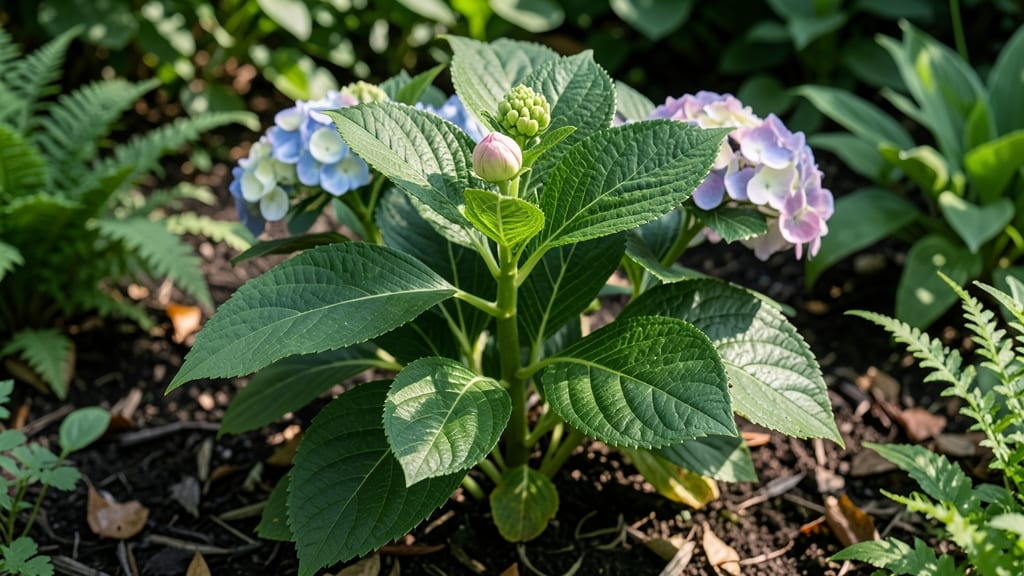
Pruning hydrangeas wrong can mean fewer blooms next summer. 🌸 The difference between flower buds and leaf buds isn't just academic—it determines whether your plant explodes with color or just grows foliage.
Flower buds are plump, rounded, and appear in clusters along last year's growth, while leaf buds are smaller, pointed, and spaced evenly along new stems.
Here's the game-changer: most hydrangeas bloom on old wood, meaning those fat flower buds formed last season. If you prune them off, you're cutting off next year's blooms. Leaf buds, on the other hand, are where new stems and foliage emerge—pruning them back encourages bushier growth.
I learned this the hard way after my first aggressive pruning session left me with a shrub full of leaves and no flowers.
Timing matters too. For bigleaf hydrangeas, prune right after blooming to avoid cutting off next year's buds. For panicle and smooth hydrangeas, which bloom on new wood, you can prune more aggressively in late winter or early spring.
The key is patience—wait until you can clearly see the difference between the two types of buds before making cuts.
Once you master this, you'll see your hydrangeas transform. Instead of guessing, you'll prune with confidence, knowing exactly which buds to keep and which to trim. That first flush of blooms after correct pruning? Worth every careful cut. Let's get those shears ready!
The first option explained
Option A: The Flower Bud 🌸
If you’re pruning hydrangeas with precision in mind, flower buds are your golden ticket! These buds are the secret to vibrant blooms and lush foliage, but they’re often mistaken for their leafy counterparts. Here’s what sets them apart:
🌿 Key Characteristics
- Shape & Size: Flower buds are typically plump, rounded, or slightly elongated, often resembling tiny green or pink pea pods. They’re usually larger than leaf buds and may feel firmer to the touch.
- Location: They grow along the current year’s growth (new wood) or at the tips of mature stems, depending on the hydrangea variety (e.g., mopheads or panicle types).
- Texture: Smooth or slightly fuzzy, with a woody or waxy feel as they mature.
- Color: Starts green but may turn pink, red, or purple as they near blooming season (a dead giveaway!).
🌺 Benefits of Preserving Flower Buds
- Future Blooms: Cutting these buds means no flowers for that season—so save them unless you’re pruning for rejuvenation!
- Variety-Specific: Some hydrangeas (like bigleaf types) bloom on old wood, so flower buds on last year’s stems are critical. Others (like panicle types) bloom on new wood, making them more flexible for pruning.
- Healthy Growth: Retaining flower buds encourages stronger stems and more abundant blooms in the following year.
🌱 Typical Use Cases
Flower buds are best left untouched unless you’re:
- Pruning overgrown or leggy hydrangeas to rejuvenate growth (focus on leaf buds instead).
- Shaping the plant for aesthetic purposes (e.g., removing buds on stems you want to thin out).
- Preparing for winter dormancy—but only if the buds are already set for next year’s blooms.
✨ Pro Tip: If you’re unsure whether a bud is for flowers or leaves, squeeze gently—flower buds often have a tight, compact center, while leaf buds feel looser with visible layers.
The second option explained
Option B: Leaf Bud—the unsung hero of hydrangea growth! 🌿 While flower buds steal the spotlight, leaf buds are the foundation of your plant’s lush, verdant structure. Let’s dive into why these little green powerhouses matter and how to spot them.
🔍 Key Characteristics
Leaf buds are typically smaller, rounder, and smoother than flower buds, often appearing in clusters along the stems. They’re usually a darker green or brownish hue and lack the plump, layered texture of flower buds. When touched, they feel firmer and less "fluffy."
🌱 Benefits of Leaf Buds
- Sustained foliage: Leaf buds ensure your hydrangea keeps its vibrant leaves year after year, even if flowers are pruned back.
- Healthy growth: These buds are the plant’s energy reserve, fueling new stems and leaves for the next season.
- Pruning flexibility: Since leaf buds are less showy, you can trim more aggressively without sacrificing blooms—just prioritize keeping a few buds per stem.
🌸 Typical Use Cases
Leaf buds shine in scenarios where you want to:
- Revitalize an overgrown plant: Prune back old wood to encourage fresh, leafy growth while preserving future blooms.
- Shape your hydrangea: Trim stems to leaf buds to create a fuller, bushier shape without sacrificing flowers.
- Encourage new stems: Cutting just above a leaf bud signals the plant to grow new branches, perfect for rejuvenating tired shrubs.
Pro tip: 💡 If you’re unsure whether a bud is a leaf or flower bud, wait until late winter—leaf buds will swell slightly, while flower buds remain dormant longer.
Key differences
Understanding the differences between hydrangea flower buds and leaf buds is essential for pruning success—especially if you want to avoid accidentally removing next year’s blooms! 🌸 While they may look similar at first glance, these two types of buds have distinct characteristics that help you make the right gardening decisions.
Below, we break down the key differences in a clear, side-by-side comparison.
🌿 Appearance & Shape
One of the easiest ways to tell them apart is by examining their physical form:
- Flower Buds: Typically plump, rounded, or slightly pointed (like tiny green eggs). They often feel firm but slightly fuzzy due to tiny hairs.
- Leaf Buds: Usually smaller, flatter, and more elongated, resembling tiny scales or teardrops. They may have a smooth or slightly rough texture but lack the fuzzy coating.
Pro Tip: 💡 If you gently squeeze a bud and it feels soft or squishy, it’s likely a flower bud—hydrangeas store nutrients here for blooms!
📏 Size & Scale
Size can be a game-changer when identifying buds:
| Bud Type | Typical Size | Comparison |
|---|---|---|
| Flower Bud | ¼” to ½” (6–13 mm) in diameter | Noticeably larger and more prominent than leaf buds. |
| Leaf Bud | About ⅛” to ¼” (3–6 mm) long | Small and compact, often clustered tightly along stems. |
Pro Tip: 🌡️ In late winter, flower buds are already swollen (like a tiny balloon), while leaf buds remain tight and dormant.
🌱 Location on the Stem
Where the bud appears on the hydrangea stem can also hint at its identity:
- Flower Buds: Often grow in terminal positions (at the tips of stems) or in small clusters along the current year’s growth. They may appear slightly raised from the stem.
- Leaf Buds: Usually found in pairs or whorls along the stem’s sides, closer to older wood. They’re often flush with the stem or slightly recessed.
Pro Tip: ✨ If you see a bud sprouting tiny leaf scales (like a miniature fern), it’s almost certainly a leaf bud.
🌸 Seasonal Development
The timing of bud activity can reveal their purpose:
- Flower Buds: Begin forming in late summer/early fall and swell noticeably by winter. They’re the first to break dormancy in spring (often by March/April, depending on climate).
- Leaf Buds: Develop later in the season (fall) and remain small and dormant through winter. They open after flower buds, typically in late spring.
Pro Tip: ⏰ Prune in late winter/early spring (before flower buds swell) to avoid cutting off next year’s blooms!
🔍 Texture & Touch Test
A simple touch test can confirm your guess:
- Flower Buds: Feel dense, slightly waxy, or downy (thanks to protective hairs). They may squeeze slightly when pressed.
- Leaf Buds: Have a firmer, smoother, or slightly rough surface. They don’t compress easily.
Pro Tip: 🔥 If a bud releases a faint floral scent when crushed, it’s likely a flower bud—though this is rare, it’s a fun trick!
When to choose which
Choosing between hydrangea flower buds and leaf buds when pruning can make all the difference in your plant’s health and blooms. Here’s when to pick each for optimal results:
🌸 Prune Flower Buds When:
- You want next year’s blooms: If your hydrangea is mature (3+ years old) and blooms on new wood (like panicle, smooth, or some bigleaf varieties), leave flower buds intact—they’ll grow into next season’s showstoppers!
- Deadheading spent blooms: After flowers fade, trim just above the first set of healthy leaves below the dead bloom to encourage fresh growth and preserve buds.
- Rejuvenating overgrown plants: For heavily wooded hydrangeas, prune selectively—cut back only the oldest stems (3+ years) to the ground, leaving younger stems (with buds) to thrive.
✂️ Prune Leaf Buds When:
- You’re shaping or thinning: Leaf buds are safe to trim if you’re lightly shaping the plant or removing crowded branches. Focus on outer growth to encourage airflow.
- Reviving old-wood bloomers: For varieties like Oakleaf or some bigleaf hydrangeas that bloom on last year’s stems, prune leaf buds only to remove dead or diseased wood—never cut back into old stems!
- Encouraging bushier growth: If your hydrangea looks leggy, trim back some leaf buds to promote side shoots (but avoid over-pruning—balance is key!).
💡 Pro Tip: Always prune after the first frost (for old-wood bloomers) or early spring (for new-wood types) to avoid accidentally cutting off potential blooms. When in doubt, snip a little and observe—hydrangeas are forgiving but reward patience!
The bottom line
Now that you’re a hydrangea bud detective 🕵️♀️, pruning with confidence is just a snap! Remember: flower buds are plump, rounded, and clustered—like tiny snowballs—while leaf buds are smaller, pointed, and spaced apart, nestled along the stems.
Cutting the wrong ones can mean fewer blooms next season, so take your time!
Still unsure? Check the location: flower buds often appear in groups at the tips of branches, while leaf buds hide along the sides. When in doubt, wait until late winter or early spring—just before new growth starts—to make your move. Happy pruning! 🌸✂️