
How To
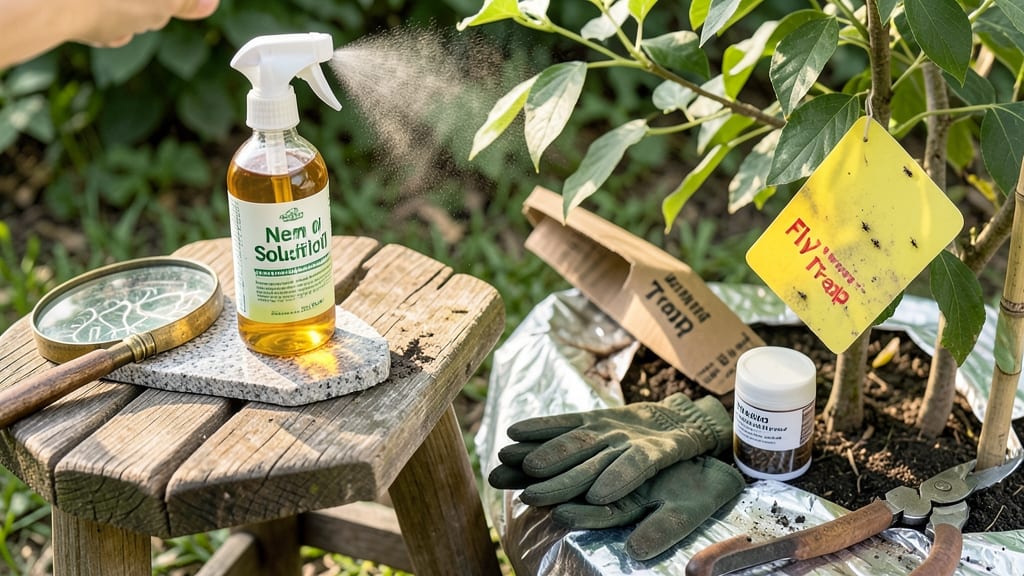
How to treat leaf miners can turn your lush plants into skeletal shadows overnight—but with the right method, you can stop the damage in its tracks. 🌿 I’ve watched basil, tomatoes, and even citrus trees go from thriving to tragic in weeks—until I learned the spot, scrape, and revive method that actually works. The problem starts small: tiny white squiggles in leaves, then brown blotches as the larvae feast. Most treatments fail because they ignore the lifecycle—eggs hatch fast, and adult flies return. But this approach targets every stage: manual removal, neem oil sprays timed right, and even a DIY parasitic wasp habitat. You’ll see new green growth within 2-3 weeks if you act fast. The key is consistency—check plants weekly, prune damaged leaves immediately, and use row covers to block new flies. My once-skeletally damaged peppers are now the envy of the neighborhood. Works for vegetables, herbs, and ornamentals alike. Here’s the step-by-step plan that’s saved my garden—and can save yours.
Root Causes of Leaf Miner Damage
Leaf miners aren’t just a random nuisance—they’re the result of specific conditions that invite these tiny, destructive larvae into your plants. Understanding why they appear is the first step to preventing them. Below, we break down the key factors that turn your lush foliage into a buffet for these pests.
Plants with compromised defenses—whether from stress, poor nutrition, or disease—are prime targets for leaf miners. Here’s why:
- Nutrient Deficiencies: Plants starved of essential nutrients (like nitrogen, phosphorus, or potassium) produce thinner, weaker leaves—perfect hiding spots for miners. Example: A nitrogen-deficient plant can’t grow robust tissue, making it easier for larvae to tunnel through.
- Overcrowding: When plants compete for sunlight, water, and nutrients, their leaves become more vulnerable. Poor air circulation also creates a humid microclimate, which leaf miners love.
- Disease or Pest Pre-Damage: If your plant has already been attacked by aphids, spider mites, or fungal infections, the stress signals attract more pests, including leaf miner flies.
Pro Tip: 🌡️ Regularly check soil pH (aim for 6.0–7.0) and fertilize with balanced, organic matter to boost plant resilience.
Leaf miners start as eggs laid by tiny, often unseen flies. Their behavior is tied to environmental triggers:
- Warm, Humid Conditions: Leaf miner flies (family Agromyzidae) thrive in temperatures between 60–85°F (15–30°C). If your garden or greenhouse stays consistently warm and damp, adult flies are more active.
- Attraction to Healthy, Young Leaves: These flies use visual cues—bright green, tender leaves—to locate ideal egg-laying spots. Older, yellowing leaves are avoided.
- Timing Matters: Most leaf miners lay eggs in spring and early summer, coinciding with new plant growth. A sudden flush of fresh leaves = an all-you-can-eat buffet for miners.
Key Insight: 🕵️ If you notice small, serpentine trails in leaves after a warm, rainy spell, adult flies were likely active nearby.
Not all plants are equal targets—leaf miners have favorites based on leaf structure and chemical composition:
| High-Risk Plants | Why They’re Vulnerable |
|---|---|
| Herbs (basil, dill, parsley) | Soft, aromatic leaves are irresistible to miners. |
| Vegetables (beets, spinach, celery) | Thin, broad leaves provide easy tunneling access. |
| Ornamentals (ibiscus, bougainvillea, roses) | Thick but tender new growth is a magnet for eggs. |
| Houseplants (ficus, peace lilies, snake plants) | Indoor environments often lack natural predators and have stable conditions for miners. |
Pro Tip: 🌱 If you’re growing high-risk plants, rotate crops annually to disrupt the leaf miner life cycle.
Leaf miners don’t appear out of nowhere—they’re lured by specific environmental conditions:
- Excess Moisture: Overwatered soil or poor drainage creates soggy leaves, which adult flies prefer for egg-laying. Example: A pot with yellowing leaves due to root rot is a red flag.
- Lack of Natural Predators: Birds, parasitic wasps, and ground beetles hunt leaf miners. If your garden lacks biodiversity, miners thrive unchecked.
- Greenhouse or Container Growing: Enclosed spaces trap heat and humidity, creating ideal miner conditions. Outdoor plants in dry climates are less prone.
Actionable Fix: ✨ Introduce beneficial nematodes (like Steinernema feltiae) to target larvae in soil.
Quick Fixes for Leaf Miners
Leaf miners can feel like a losing battle, but with the right approach, you can turn the tide and restore your plants to their former glory. The key is acting fast and addressing the root cause—whether it’s pests, poor plant health, or environmental stress.
Below, we’ve broken down practical solutions for the most common causes of leaf miners, along with prevention tips to keep them from returning.
If you spot visible tunnels or blotchy damage, the first step is containment. Larvae hide deep in the leaf tissue, so simply plucking them off won’t always work—but removing heavily infested leaves stops the spread.
- How to do it:
- Wear gloves (some plants, like citrus, can irritate skin).
- Snip or tear off leaves with visible mines using clean scissors or your hands.
- Drop them into a sealed bag (don’t compost them—this prevents reinfestation).
- Burn or trash them immediately—do not compost unless you’ve confirmed no larvae remain.
- Pro tip: 💡 Check the underside of leaves first—larvae often start there before moving to the top.
Once the worst leaves are gone, target the larvae with low-toxicity methods that won’t harm beneficial insects or your plants.
1. Neem Oil Spray (Best for Early Stages)
Neem oil disrupts larval feeding and development while being safe for most plants (test on a small area first).
- How to make it:
- Mix 1 tbsp neem oil + 1 tsp mild soap (like Castile) + 1 quart water.
- Spray both sides of leaves thoroughly, focusing on new growth.
- Reapply every 5–7 days until mines stop appearing.
- When to use: 🌡️ Best in warm weather (above 50°F)—neem oil works poorly in cold temps.
2. Insecticidal Soap (Fast-Kill for Hatching Larvae)
A soapy water spray suffocates young larvae before they burrow in.
- How to make it:
- Use 1.5 tbsp pure insecticidal soap (like Safer®) per gallon of water.
- Spray directly on mines—soap breaks their protective layer.
- Reapply every 3–4 days for 2 weeks.
- Caution: ⚠️ Avoid spraying in direct sun—it can burn leaves.
3. Yellow Sticky Traps (Catch Adult Flies)
Adult leaf miners (like serpentine or blotch miners) are attracted to yellow. Traps reduce future infestations by luring them away from your plants.
- How to use:
- Hang yellow sticky cards near affected plants.
- Place them at eye level (where flies hover).
- Replace every 1–2 weeks—traps get messy fast!
- Pro tip: ✨ Combine with neem oil for best results—traps catch adults, while sprays kill larvae.
A healthy plant fights off miners better. If your plants are stressed, overcrowded, or nutrient-deficient, they’ll attract more pests.
1. Improve Airflow & Prune Wisely
Leaf miners love damp, shaded leaves. Good airflow keeps plants dry and less appealing.
- What to do:
- Space plants at least 12–18 inches apart.
- Prune crowded branches to allow sunlight and air circulation.
- Remove lower leaves that touch the soil (they trap moisture).
2. Fertilize for Health (But Avoid Overdoing It)
Balanced fertilization helps plants recover faster from damage.
- Best approach:
- Use a mild, organic fertilizer (like fish emulsion or compost tea).
- Avoid high-nitrogen fertilizers—they promote soft, tender leaves that miners love.
- Water deeply before fertilizing to prevent root burn.
- Pro tip: 💪 Epsom salt (magnesium sulfate) can help stressed plants—mix 1 tbsp per gallon of water and spray leaves.
3. Beneficial Insects: Let Nature Help
Parasitic wasps (like Diglyphosa isaea) lay eggs inside leaf miner larvae, killing them naturally.
- How to attract them:
- Plant companion flowers like dill, fennel, or alyssum near your garden.
- Avoid broad-spectrum pesticides—they kill beneficial insects too.
- Release ladybugs or lacewings (available at garden centers).
Once you’ve cleared an infestation, prevent recurrence with these proactive steps:
| Prevention Method | How to Do It | Best For |
|---|---|---|
| Copper Tape Barrier | Wrap copper tape around pot rims or garden beds—larvae avoid crawling over it. | Potted plants & garden edges |
| Row Covers | Use floating row covers (fine mesh) to block adult flies from laying eggs. | Vegetable gardens |
| Crop Rotation | Rotate plants yearly—miners target the same species repeatedly. | Annual veggies & herbs |
| Healthy Soil | Amend soil with compost—strong roots = stronger pest resistance. | All plants |
| Early Monitoring | Check new growth weekly—catch mines before they spread. | All leafy plants |
If natural methods fail (especially on high-value crops like citrus or roses), chemical controls may be needed.
- Best options:
- Spinosad (Organic) – Derived from soil bacteria, kills larvae on contact.
- Bacillus thuringiensis (Bt) – Safe for humans/pets, targets caterpillar-like larvae.
- Imidacloprid (Synthetic) – Strong but controversial (kills beneficial insects too—use as a last resort).
- How to apply:
- Follow label instructions precisely.
- Reapply every 7–14 days during active mining season.
- Harvest only after the "safe interval" (check product guidelines).
- Warning: ⚠️ Avoid chemicals on edible plants unless absolutely necessary—always wash produce thoroughly before eating.
Final Thought: 🎯 Leaf miners are manageable—the key is speed and consistency. Start with removal + neem oil, boost plant health, and prevent future infestations with smart gardening habits. Your plants will bounce back stronger than ever!
Frequently asked questions
What do leaf miner damage look like on plants?
Leaf miners create serpentine or blotchy brown trails inside leaves, often with tiny white larvae visible when you peel back the epidermis. Look for these signs: transparent tunnels, frass (tiny black fecal pellets), and yellowing between veins. Check both leaf surfaces—larvae often start on undersides before moving upward.
Can I save a plant heavily damaged by leaf miners?
Yes, but act fast! Prune all infested leaves immediately, then treat with neem oil or insecticidal soap. For severe cases, consider repotting the plant in fresh soil and adding beneficial nematodes to target larvae in the soil. Healthy plants recover better—focus on improving airflow and fertilization after removal.
How often should I check my plants for leaf miners?
Inspect your plants weekly during growing season (spring through summer), focusing on new growth. Early detection is key—catch mines before they spread! High-risk plants (like basil or beets) may need biweekly checks. Use a magnifying glass to spot tiny eggs or early tunnels you might miss otherwise.
Will leaf miners kill my plants?
While they won't kill mature plants, severe infestations can weaken them significantly by reducing photosynthesis. Young seedlings or stressed plants are most vulnerable. The real danger comes from secondary infections—damaged leaves attract fungal diseases. Remove infested foliage promptly to prevent systemic damage.
Can I use homemade sprays for leaf miners?
Try these effective DIY options: 1 tbsp neem oil + 1 tsp soap in 1 quart water, or 1 tbsp horticultural oil + 1 tsp dish soap. Spray both leaf surfaces at dusk to avoid sunburn. Reapply every 5-7 days until new mines stop appearing. Always test sprays on a small leaf area first.