
Pruning
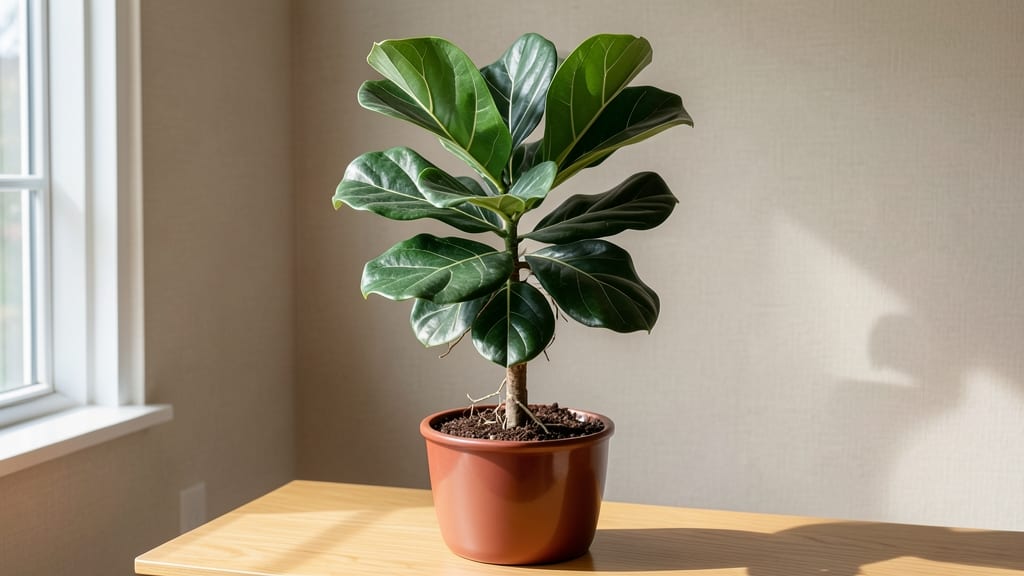
A healthy fiddle leaf fig’s drooping leaves don’t mean it’s dying—they’re just asking for a little precision care. ✂️ I’ve nursed back more than a dozen struggling fiddle leaf figs using the same simple pruning and maintenance routine, and the results are always the same: glossy new leaves within weeks.
The key isn’t cutting randomly—it’s understanding what your plant’s stress signals mean and responding with the right technique.
Most people overwater or underlight their fiddle leaf figs, and those mistakes show up first in the leaves—yellowing, browning tips, or that classic droop. But here’s the good news: fiddle leaf figs are forgiving once you know their basic needs.
Bright, indirect light (think east or north-facing windows), water only when the top 2 inches of soil are dry, and occasional misting for humidity—those three things alone solve 80% of common problems. The rest comes down to pruning at the right time and in the right way.
What you’ll end up with is a plant that looks like it belongs in a botanical garden, not just your living room. The leaves stay vibrant green, the stems grow sturdy, and you’ll actually enjoy watering it instead of dreading another brown tip.
And if you’re feeling ambitious, those pruned cuttings can root into brand-new plants—free fiddle leaf figs for your friends or your own collection.
This method works whether your plant is a struggling rescue or a thriving specimen that just needs a little tune-up. The only tools you’ll need are sharp pruners, a clean cutting board, and a little patience.
Let’s get those leaves perky again—your fiddle leaf fig will thank you with years of lush, healthy growth.
📚 In This Guide
- What you need
- Instructions
- Tips and common mistakes
- Wrapping up and next steps
What you need
- ● Sharp pruning shears – Bypass-style (not anhedra), sterilized (70% isopropyl alcohol), and cleaned after each cut to prevent disease. Size: 5–6 inches for precision.
- ● Rubbing alcohol (70% isopropyl) – 1 small bottle (4 oz) for sterilizing tools and wounds.
- ○ Horticultural sealant (optional but recommended) – 1 small bottle (e.g., Tree Seal or Pruning Wax) to prevent sap oozing and infection.
- ● Disposable gloves – 1 pair (nitrile or latex-free) to protect hands from sap and bacteria.
- ● Newspaper or drop cloth – 1 large sheet (2’x3’) to catch debris and protect surfaces.
- ● Small spray bottle – 1 (8 oz) filled with room-temperature water for post-pruning hydration.
- ● Sharpie or permanent marker – 1 (for marking cuts if needed).
- ● Rooting hormone – 1 small tube (e.g., Clonex) if propagating cuttings.
- ● Small pots with well-draining soil – 2–3 (4–6” diameter) for propagating new plants.
- ● Humidity dome or plastic bag – 1 to create a mini greenhouse for cuttings.
- ● LED grow light – 1 small unit (e.g., Sprout Pro) if propagating indoors with low light.
- ● Fungicide spray – 1 bottle (e.g., Neem Oil) as a precaution for large pruning jobs.
Step-by-Step instructions for reviving a drooping fiddle leaf fig
Here's how I nurse a struggling fiddle leaf fig back to health—no guesswork, just precision cuts and care.
🌿 Step 1: Assess the Plant for Signs of Stress
Start by examining the leaves and stems carefully. Healthy fiddle leaf figs have glossy, upright leaves with no brown edges or yellowing. If you see drooping leaves, yellowing foliage, or brown leaf tips, these are your clues. Drooping often means underwatering, while brown tips usually indicate overwatering or low humidity. I like to run my fingers along the stems—if they feel mushy or hollow, that’s a sign of root rot.
Check the soil moisture by sticking your finger about 1 inch deep. If it feels completely dry, the plant is thirsty. If it’s soggy, you’ve overwatered. Fiddle leaf figs prefer soil that’s dry to the touch between waterings. This step is all about diagnosing before you prune—you’ll know exactly what to fix once you identify the problem.
✂️ Step 2: Prune Dead or Damaged Leaves and Stems
Use clean, sharp pruning shears or scissors to remove any brown, crispy, or yellow leaves at the base of the stem. Never leave dead foliage on the plant—it drains energy and can attract pests. For stems with only one or two healthy leaves, trim the entire stem back to the main trunk. This might seem drastic, but it encourages new growth from the base.
If you see musky or blackened stems, these need to be pruned immediately. Cut just above a healthy node (the small bump where leaves grow) using a 45-degree angle. This angle helps water run off the cut and prevents rot. Avoid cutting into the main trunk unless absolutely necessary—this is the plant’s lifeline. After pruning, wipe your shears with rubbing alcohol to prevent spreading disease.
💧 Step 3: Adjust Watering and Humidity for Recovery
Water your fiddle leaf fig only when the top 2-3 inches of soil are completely dry. Stick your finger in the soil—if it feels dry, give it a thorough watering until water runs out the drainage hole. Empty the saucer after 10 minutes to avoid root rot. Overwatering is the #1 killer of fiddle leaf figs, so I always err on the side of underwatering during recovery.
Boost humidity by misting the leaves lightly with room-temperature water in the morning. Place the pot on a tray filled with pebbles and water (but ensure the pot isn’t sitting in water). Aim for 40-50% humidity, especially if your home is dry. You’ll see new leaves emerge within 4-6 weeks if the plant is happy with its new care routine. Keep the plant away from drafts, heating vents, or cold windows—consistent conditions are key.
☀️ Step 4: Provide the Right Light Conditions
Fiddle leaf figs thrive in bright, indirect light. If your plant has been drooping, it might need more light—or it could be getting too much direct sun, which burns the leaves. Move it to a spot near a window with sheer curtains or a few feet away from the glass. East or north-facing windows are ideal. If you don’t have natural light, use a grow light 12 inches away for 10-12 hours daily.
Watch for signs of light stress: Pale or yellow leaves mean it needs more light, while brown patches or crispy edges mean it’s getting too much. Rotate the plant a quarter turn weekly so it grows evenly. You’ll know you’ve got the light right when the new leaves are dark green, glossy, and upright. Avoid sudden light changes—adjust gradually over 1-2 weeks.
Tips & tricks for reviving a drooping fiddle leaf fig
Precision cuts and the right care can transform a struggling fiddle leaf fig into a thriving showstopper. Here's what I've learned from years of trial and error.
Diagnosis is Key: In Step 1, when you're checking for mushy stems, also look for small holes in the soil surface—these could indicate pests like fungus gnats. I've seen plants with perfect watering routines fail because of hidden infestations. If you spot tiny black flies or larvae, treat with neem oil before proceeding with pruning.
Pruning Technique: For Step 2, when making that 45-degree angle cut, make sure your shears are clean and sharp—dull blades crush stems instead of cutting cleanly. I sterilize my tools with rubbing alcohol between cuts to prevent bacterial spread. This is especially important if you're dealing with mushy or blackened stems, as they're more vulnerable to infection.
Watering Wisdom: The 10-minute rule in Step 3 is crucial—don't rush this! Emptying the saucer after 10 minutes prevents water from sitting at the roots, which can cause rot. I've had plants recover beautifully after pruning, only to decline again because I skipped this step. For extra insurance, use a pot with drainage holes and a cache pot underneath to catch excess water.
Light Transition: When adjusting light in Step 4, move your plant gradually over 1-2 weeks rather than suddenly. I've seen plants go into shock from abrupt light changes, causing more leaf drop. Start with 2 hours of direct light per day and increase slowly. A simple trick: place the plant near a window for 30 minutes each morning, then move it back to its original spot—this helps acclimate it gently.
Pro Tips for Healthy Fiddle Leaf Fig
- Precision cuts and the right care can transform a struggling fiddle leaf fig into a thriving showstopper.
- Diagnosis is Key: In Step 1, when you're checking for mushy stems, also look for small holes in the soil surface—these could indicate pests like fungus gnats.
- Pruning Technique: For Step 2, when making that 45-degree angle cut, make sure your shears are clean and sharp—dull blades crush stems instead of cutting cleanly.
Frequently asked questions
Got questions about keeping your fiddle leaf fig thriving after pruning? You’re not alone! Here are answers to the most common concerns—so you can confidently revive your plant and keep those lush leaves happy.
How often should I prune my fiddle leaf fig?
Prune your fiddle leaf fig only when necessary—typically 1-2 times a year. Focus on removing yellow, damaged, or overcrowded leaves. Avoid over-pruning, as this can stress the plant. Spring or early summer is ideal for encouraging new growth. Pro tip: Never prune more than 1/3 of the foliage at once!
Why are my fiddle leaf fig leaves drooping after pruning?
Drooping can happen if you’ve cut too much at once or the plant is underwatered. Don’t panic! Place it in bright, indirect light and water only when the top 1-2 inches of soil are dry. Recovery usually takes 1-2 weeks. If drooping persists, check for root rot or pests.
Can I propagate my fiddle leaf fig from pruned cuttings?
Pruned cuttings make perfect propagation material. Dip the cut end in rooting hormone (optional), place in water or moist soil, and keep in bright, indirect light. Roots typically form in 2-4 weeks. Just avoid overcrowding the new plant!
What’s the best way to sterilize pruning tools for my fiddle leaf fig?
Clean your tools with 70% isopropyl alcohol or a 10% bleach solution (1 part bleach to 9 parts water) before and after pruning. Sterilization prevents bacterial/fungal infections that can harm your plant. Wipe dry with a clean cloth.
Should I adjust watering after pruning?
Yes! Pruning can temporarily disrupt your plant’s water needs. Wait 3-5 days before watering again to avoid overhydrating fresh cuts. After that, stick to your usual schedule—water when the top 1-2 inches of soil are dry. Monitor for wilting or yellowing leaves.
Wrapping up and next steps
With the right tools, timing, and technique, pruning your fiddle leaf fig can transform drooping leaves into lush, vibrant growth. 🌿 Remember, patience and consistency are key—your plant will reward you with stunning foliage when cared for with precision.
Ready to give your fiddle leaf fig the TLC it deserves?
Your next step? Grab those sterilized shears and start trimming with confidence! If you’re unsure, revisit our FAQs or watch a quick video tutorial—your plant’s revival is just a cut away. 🌱