
Light Requirements
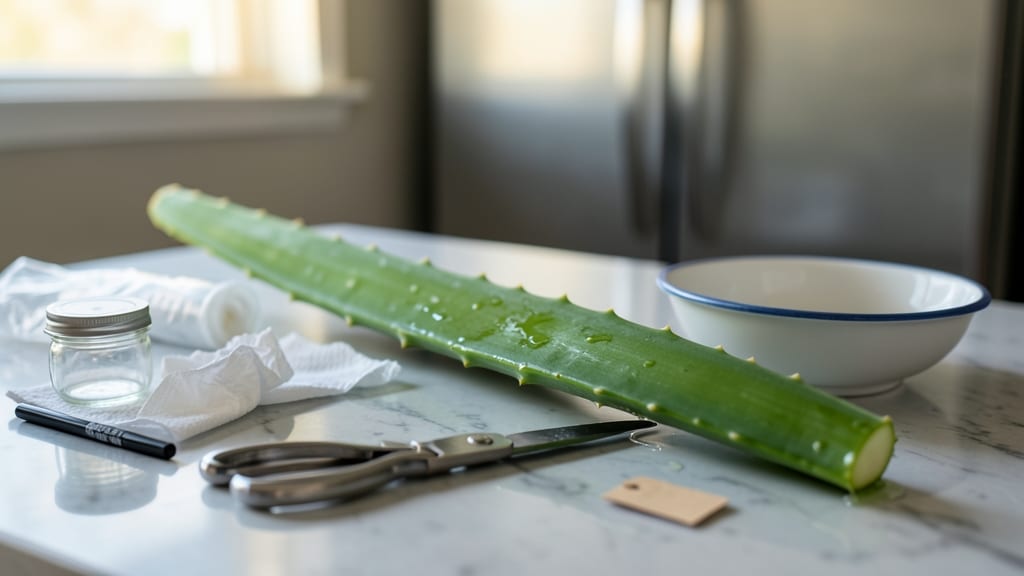
Storing a cut aloe vera leaf properly keeps its healing gel fresh for up to 2 weeks—and I’ve learned the hard way what happens when you don’t. 🌱 The difference between a vibrant, usable leaf and one that dries out or molds comes down to three simple steps: sealing the cut, controlling moisture, and choosing the right storage method.
First, let’s talk prep: after cutting, let the leaf sit for 10 minutes to seal the wound naturally. Then, trim the edges to remove any damaged tissue—this prevents rot. For short-term use, wrap the leaf in a damp paper towel and store it in a sealed bag in the fridge.
The gel stays fresh and ready for skincare or burns.
For longer storage, freezing works best. Scoop out the gel, portion it into ice cube trays, and freeze. Thawed gel keeps its soothing properties for months, perfect for emergency burns or DIY face masks. The key is speed—once you cut the leaf, act fast to lock in moisture and potency.
Common mistakes? Leaving the leaf exposed to air or storing it with too much moisture—both lead to mold. And yes, you can reuse the leaf’s outer skin for compost or propagation. Now go store that aloe like a pro!
📚 In This Guide
- What you need
- Instructions
- Tips and common mistakes
- Wrapping up and next steps
What you need
- ● Fresh aloe vera leaf – 1 large, plump leaf (preferably organic or pesticide-free for best results).
- ● Sharp knife or kitchen shears – A clean, sterilized blade to slice the leaf without crushing it.
- ● Cutting board – A clean, flat surface (preferably food-grade if repurposing for cooking).
- ● Air-tight container – A glass jar, plastic container with a lid, or even a resealable plastic bag (choose based on storage method).
- ● Paper towels or clean kitchen cloth – For patting dry excess gel or latex.
- ○ Spray bottle with water (optional but helpful) – To lightly mist the cut surface and keep it hydrated.
- ● Aluminum foil or parchment paper – For wrapping the leaf to retain moisture.
- ● Small bowl of water (for soaking method) – If storing the whole leaf submerged.
- ● Food-grade silicone wrap or beeswax wrap – Eco-friendly alternative to plastic for sealing.
- ● Refrigerator or cool, dark pantry space – Temperature control is key! Aim for 35–45°F (2–7°C).
- ● Labeling marker – To note the date and purpose (e.g., "skincare" or "culinary").
- ● ✨ Avoid contamination: Wash your hands and tools thoroughly before handling aloe to prevent bacterial growth.
- ● 🌡️ Temperature matters: Never store aloe in direct sunlight or near heat sources—it speeds up degradation.
- ● 🔄 Rotate stock: Use the oldest leaf first to avoid waste (FIFO rule!).
Step-by-Step guide to storing cut aloe vera leaf
Keep your aloe vera fresh and ready for use with these simple storage tricks.
🌿 Step 1: Prepare the Cut Leaf Properly
Start by cutting a healthy aloe vera leaf from the base using a clean knife or scissors. Let it sit upright for 10-15 minutes to allow the gel to settle and any excess latex to dry slightly. This prevents mess when you later extract the gel.
Once the latex has dried, rinse the leaf under cool water to remove any dirt or debris. Gently pat it dry with a clean paper towel. Make sure the leaf is completely dry—any moisture left on the leaf can cause mold. This step is crucial because dampness speeds up spoilage.
🪴 Step 2: Store in a Cool, Dark Place
Place the dried leaf in a paper bag or wrap it loosely in aluminum foil. Both options allow the leaf to breathe while protecting it from light and air. Store it in the crisper drawer of your refrigerator, which maintains a cool, humid environment ideal for preserving freshness.
I like to label the bag with the date to keep track of how long it’s been stored. The refrigerator’s temperature—around 35-40°F—slows down the oxidation process, keeping the gel fresh for up to 2 weeks. Avoid plastic bags, as they trap moisture and can cause the leaf to spoil faster.
⏰ Step 3: Check and Use Before Spoilage
Before using the stored leaf, inspect it for any signs of mold, sliminess, or an off smell. If the leaf feels mushy or looks discolored, it’s time to discard it. Fresh aloe vera gel should have a clear, gel-like consistency with no foul odor.
To use, simply slice open the leaf and scoop out the gel with a spoon. If the leaf has been stored properly, the gel will remain plump and hydrated. Use it immediately for skincare or cooking to get the best results. If you won’t use it right away, store the gel in an airtight container in the fridge for another 3-5 days.
💧 Bonus: Extend Freshness with a Quick Trick
For even longer storage, you can freeze the gel. After extracting the gel, portion it into ice cube trays or small containers. Freeze for up to 6 months. Thaw only what you need, and use it within 24 hours of thawing for the best texture and potency.
This method is perfect if you want to stock up on aloe vera for future use. Just remember, frozen gel works best in recipes or as a soothing aftercare treatment rather than for fresh skincare applications.
Tips & tricks for perfectly stored aloe vera leaves
Keeping your aloe vera fresh longer than two weeks takes just a few smart tricks—here's what I've learned the hard way.
The 10-15 Minute Drying Secret: That initial drying time in Step 1 isn't just about removing latex—it's the most important part of preventing mold. I used to skip this step, and my leaves would always develop slimy spots within days. Let the leaf sit completely upright during those 10-15 minutes so the gel can fully settle at the bottom. If you're in a hurry, you can speed this up slightly by placing the leaf in a warm (not hot) oven at 150°F for 5 minutes, then complete the drying at room temperature.
Breathability is Key: The paper bag or foil wrapping in Step 2 needs to allow some airflow—don't seal it completely. I've found that crumpling the paper bag slightly creates tiny air pockets that prevent condensation buildup. If using foil, leave one small corner slightly open. This mimics the plant's natural environment and keeps the leaf from developing moisture pockets that cause spoilage.
Temperature Consistency Check: Your fridge's temperature matters more than you might think. The ideal 35-40°F range is crucial for slowing oxidation. I keep a fridge thermometer in the crisper drawer to monitor this—some fridges can have temperature swings of 10°F or more! If your fridge runs cooler (below 35°F), you can extend storage to 3 weeks, but the gel texture may become slightly firmer.
Visual Spoilage Indicators: Before using your stored leaf, look for these three telltale signs of spoilage: first, check for any fuzzy white or green spots (mold), then press gently—if the leaf feels mushy instead of firm, it's time to discard it. Finally, give it a sniff: any sour or fermented smell means it's gone bad. Trust your senses here—they're more reliable than just looking at the leaf's appearance.
Pro Tips for Store Cut Aloe Vera Leaf
- Keeping your aloe vera fresh longer than two weeks takes just a few smart tricks—here's what I've learned the hard way.
- The 10-15 Minute Drying Secret: That initial drying time in Step 1 isn't just about removing latex—it's the most important part of preventing mold.
- Breathability is Key: The paper bag or foil wrapping in Step 2 needs to allow some airflow—don't seal it completely.
Frequently asked questions
about storing cut aloe vera leaves—because even the best plans need a little troubleshooting! Here are answers to the most common queries to keep your aloe fresh and ready for use.How long can I store a cut aloe vera leaf in the fridge?
A properly stored cut aloe vera leaf stays fresh for up to 2 weeks in the fridge. Wrap it tightly in plastic wrap or place it in an airtight container with a paper towel to absorb excess moisture. Avoid storing it near strong-smelling foods to prevent flavor or texture changes.
Can I freeze cut aloe vera leaves for longer storage?
Yes! Freezing is a great way to extend shelf life to 3-6 months. Peel the leaf, slice it, and freeze the gel in an ice cube tray or airtight bag. Thaw overnight in the fridge before use—never microwave, as it can destroy beneficial enzymes.
What if my aloe vera leaf turns brown or mushy?
Browning or mushiness usually means oxidation or bacterial growth. If only the edges brown, trim them off—the center should still be usable. If the entire leaf feels slimy or smells off, discard it. Always store leaves in a cool, dry place to prevent spoilage.
Do I need to remove the aloe vera gel before storing?
No, but it’s optional! You can store the whole leaf (peeled or unpeeled) as long as it’s wrapped tightly. However, if you plan to use the gel frequently, peeling and storing just the gel (in a sealed container) keeps it cleaner and more convenient for quick access.
Can I reuse the outer leaf after cutting aloe vera?
The outer leaf cannot be reused once you’ve cut into the gel. However, you can replant the remaining root base in soil if it’s still healthy. Just trim the cut end, let it dry for a day, and replant it—it may regrow into a new aloe plant over time!
Wrapping up and next steps
Storing your cut aloe vera leaf the right way ensures you get the most out of its soothing benefits—whether for skincare, healing, or culinary uses!
By keeping it cool, dry, and sealed in the fridge or freezer, you can extend its freshness for up to 2 weeks (or longer if frozen). Remember, proper prep—like removing the gel and sealing it tightly—is key to avoiding waste.
Now that you’re armed with these freshness secrets, why not experiment? Try blending it into a cooling face mask or adding it to smoothies for a nutrient boost! 🌱✨ Next step: Grab that aloe leaf and start storing it like a pro—your skin (and taste buds) will thank you!