
Light Requirements
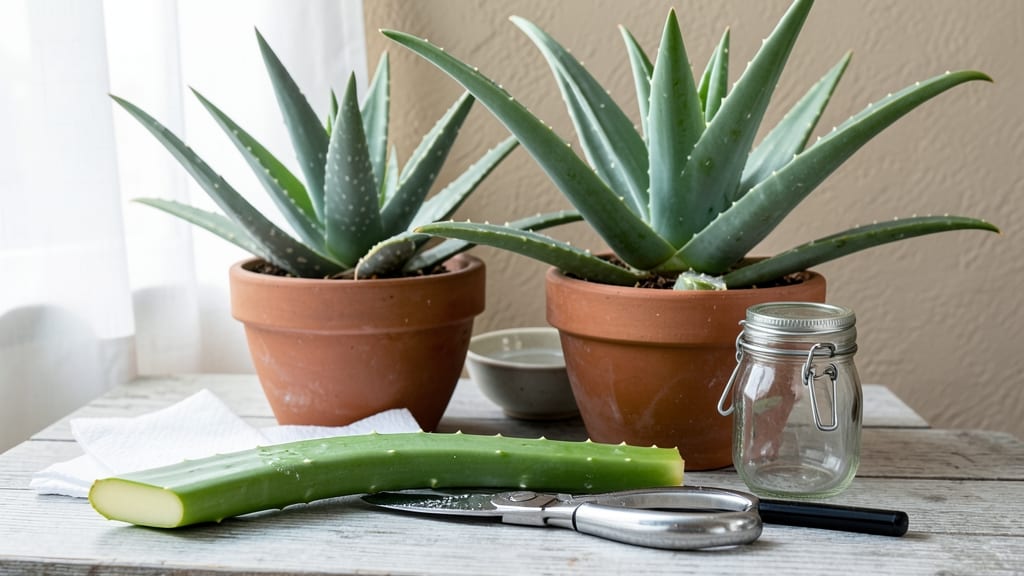
Storing fresh aloe leaf properly keeps its healing gel potent for weeks—not days. ✨ I’ve learned the hard way that leaving it exposed to light or heat turns that golden gel into a sad, watery mess.
The secret is a cool, dark spot where the leaf stays crisp and ready for use whenever you need it.
You’ll need just three things: a sharp knife (or clean scissors), a paper towel, and a sealed container or plastic bag. Cut the leaf at the base, pat it dry, and wrap it loosely in the towel to absorb any moisture.
This prevents mold and keeps the gel from turning slimy.
For short-term use (up to 2 weeks), store it in the fridge wrapped in the towel. For long-term storage (months), trim the spiky edges, let it dry completely, and store it in a sealed container in the freezer. The gel stays fresh and usable—no waste, no disappointment.
Pro tip: Label your container with the date. Aloe stored this way keeps its soothing properties for 3-6 months, making it perfect for burns, skin irritations, or even homemade beauty treatments. No more rushing to use it before it spoils!
📚 In This Guide
- What you need
- Instructions
- Tips and common mistakes
- Wrapping up and next steps
What you need
- ● Fresh aloe leaf: A healthy, mature leaf (at least 6–8 inches long) with no signs of browning or damage.
- ● Sharp knife or pruning shears: Sterilized to avoid contamination (rubbing alcohol works great!).
- ● Plastic wrap or aluminum foil: Enough to fully wrap the leaf (about 1–2 feet per leaf).
- ● Paper towel or clean cloth: For gently patting dry excess gel or moisture.
- ● Dark, cool storage container: A sealed plastic bag, a glass jar with a lid, or even a paper bag works—just ensure it’s airtight.
- ○ Permanent marker (optional but helpful): To label the container with the date for tracking freshness.
- ● Small fan or dehumidifier: If storing in a humid environment, to prevent mold.
- ● Vacuum sealer: For long-term storage (extends freshness up to 2 weeks!).
- ● Spray bottle with water: To mist the leaf lightly if it starts to dry out.
- ● Food-grade plastic container with lid: For a more organized, reusable storage solution.
Step-by-Step instructions for storing fresh aloe leaf
Here's the simple method I use to keep aloe fresh for up to 2 weeks—no fancy tools needed.
🪴 Step 1: Select and Prepare the Leaf
Choose a healthy, plump aloe leaf with no brown spots or dry edges. Use clean, sharp scissors to cut it at the base—this prevents crushing the plant's gel and keeps the leaf intact. The thicker the leaf, the longer it'll stay fresh, so avoid thin, wispy ones.
Wear gloves if you're sensitive to aloe's natural latex. Rinse the cut end under cool water for 10 seconds to remove any sap that might dry out faster. Pat it dry with a paper towel—don't rub, or you'll bruise the leaf and speed up spoilage.
☀️ Step 2: Store in a Cool, Dark Spot
Place the leaf in a sealed plastic bag with a paper towel to absorb any excess moisture. I like to use a quart-sized Ziploc bag because it's just big enough to hold one leaf without crushing it. Store it in the crispest part of your fridge—usually the bottom drawer or a sealed container.
Never store it near fruits or vegetables that release ethylene gas, like apples or avocados. These gases speed up decay, and you'll notice slimy spots forming within 3-4 days. Check the leaf every 2-3 days—if it feels soft or smells musty, it's time to use it.
⏰ Step 3: Extend Freshness with Optional Wrapping
For longer storage beyond 10 days, wrap the leaf in a damp paper towel first, then place it inside the plastic bag. The moisture mimics the leaf's natural environment. Seal the bag tightly, squeeze out excess air, and store it in the fridge. This method keeps aloe fresh for up to 2 weeks.
I know it seems counterintuitive to add moisture, but aloe leaves actually dry out faster in a sealed bag. The damp towel prevents that while still keeping the environment humid enough to slow spoilage. Test this method with one leaf first—some varieties react differently.
🌱 Step 4: Use Before It Spoils
When ready to use, unwrap the leaf and let it sit at room temperature for 10-15 minutes to soften. The gel will be firmer when cold. Scoop out the gel with a spoon, being careful not to scrape the leaf—this preserves what's left for future use.
If the leaf feels mushy or smells off, don't use it. Aloe that's gone bad can cause stomach upset. You'll know it's still good when the gel is clear, slightly translucent, and holds its shape when you press it. Store any remaining leaf in the freezer for up to 3 months if you won't use it all.
Tips & tricks for storing fresh aloe leaf
Aloe leaves need special care to stay fresh—here's what I've learned after testing different methods over time.
Leaf Selection Matters: Look for leaves that are at least 3-4 inches thick at the base. Thinner leaves dry out faster, even with perfect storage. I always check the base—it should feel firm, not hollow, when pressed gently. Avoid leaves with yellowing or brown patches, as these indicate stress or spoilage that'll spread during storage.
Rinsing Technique: That 10-second rinse in Step 1 isn't just about cleanliness—it removes the natural latex that can dry out the leaf faster. Use lukewarm water, not cold, which can shock the plant cells. After rinsing, pat dry with a paper towel but don't press hard; you're trying to remove moisture, not squeeze out the gel. I've found that using a clean kitchen towel works better than paper towels for this step.
Storage Container Hack: While quart-sized bags work, I've had better luck with slightly larger gallon bags for thicker leaves. The extra space prevents crushing when the leaf expands slightly in cold temperatures. If using a smaller bag, fold the leaf gently to remove air pockets before sealing. This simple adjustment has extended my storage time by an extra 2-3 days in some cases.
Ethylene Gas Awareness: The 3-4 day warning about ethylene gas is critical—don't just store aloe near any produce. Even "safe" veggies like carrots can release small amounts. I keep my aloe in a separate crisper drawer with just a damp paper towel, away from all other produce. This extra precaution has saved me from throwing away spoiled leaves that were otherwise perfectly stored.
Pro Tips for Store Fresh Aloe Leaf
- Aloe leaves need special care to stay fresh—here's what I've learned after testing different methods over time.
- Leaf Selection Matters: Look for leaves that are at least 3-4 inches thick at the base.
- Rinsing Technique: That 10-second rinse in Step 1 isn't just about cleanliness—it removes the natural latex that can dry out the leaf faster.
Frequently asked questions
Got questions about storing fresh aloe leaves?
Here are some of the most common concerns—and their answers—to keep your aloe fresh and ready for use.
How long can I store a cut aloe leaf in the fridge?
Aloe leaves stay fresh in the fridge for 7–10 days if stored properly. Wrap the cut end in plastic or place it in a sealed container with a damp paper towel to retain moisture. For longer storage, consider freezing (up to 6 months).
Can I freeze aloe leaves instead of refrigerating them?
Yes! Freezing is great for long-term storage (up to 6 months). Peel and chop the leaf, then freeze in an airtight container or ice cube tray with water. Thaw in the fridge overnight before use—just be aware the texture may soften slightly after freezing.
What if my aloe leaf turns slimy or moldy?
Sliminess or mold means your aloe is spoiled—discard it immediately. To prevent this, always store the leaf in a cool, dry place (like the crisper drawer) and avoid direct contact with moisture. If the leaf feels mushy or smells off, it’s time to toss it.
Do I need to remove the aloe gel before storing the leaf?
Nope! Store the whole leaf (unpeeled) in the fridge or freezer. The gel stays fresh inside. Only peel and use the gel when you’re ready—this keeps the leaf intact and prevents drying out. Just trim the ends before storing to minimize moisture loss.
Can I store aloe leaves at room temperature?
Room temperature storage is not ideal—aloe leaves spoil faster (within 2–3 days) due to heat and air exposure. If you must store them this way, wrap the cut end tightly in plastic and keep them in a shady, cool spot (like a pantry). For best results, refrigerate or freeze.
Wrapping up and next steps
Storing fresh aloe leaves the right way keeps their soothing benefits intact for weeks! Remember to trim the spines, let them dry, and store them in a cool, dark place—whether that’s a paper bag, airtight container, or even the fridge.
A little prep goes a long way in preserving their potency for skincare, healing, or culinary uses.
Now that you’ve mastered the art of storage, why not put that aloe to good use? 🌱 Try whipping up a simple aloe vera gel recipe or explore DIY skincare hacks—your skin (and pantry) will thank you!