
How To
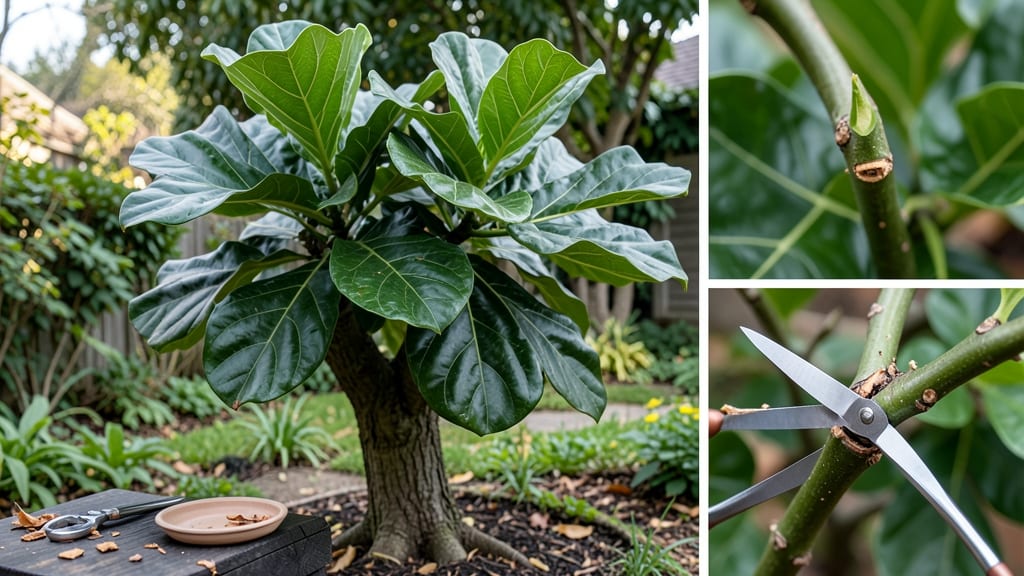
Revitalizing your fiddle leaf fig starts with a sharp pair of shears and a little patience. 🌿 I’ve turned brown-edged, leggy fiddle leaf figs into bushy, vibrant plants by mastering the right cuts—because pruning isn’t about hacking branches, it’s about encouraging growth.
The key is timing: spring or early summer, when the plant is actively growing and ready to bounce back.
You’ll need clean pruning shears, rubbing alcohol for sterilizing, and a plan: trim back leggy stems just above a leaf node to promote branching, and snip off any brown or damaged leaves at the base.
After pruning, give your plant a little extra light and hold off on watering for a few days—this helps it focus on healing instead of recovering from shock. Within weeks, you’ll see fresh new growth pushing out where you made the cuts.
📚 In This Guide
- What you need
- Instructions
- Tips and common mistakes
- Wrapping up and next steps
What you need
- ● Sharp pruning shears or scissors – Choose sterilized, bypass pruners (avoid dull blades—they crush stems and invite disease). A 10-12 inch pair works best for most fiddle leaf figs.
- ● Rubbing alcohol (70% or higher) – 1 small bottle to sterilize tools before and after pruning (prevents bacterial/fungal spread).
- ○ Horticultural sealant (optional but helpful) – 1 small tube (like Tree Seal or Pruning Wax) to coat cuts and reduce sap oozing.
- ● Disposable gloves – 1 pair (latex or nitrile) to protect your hands from sap and sharp edges.
- ● Healthy plant assessment – Check for pests (spider mites, mealybugs) or diseased leaves first. Treat those separately before pruning.
- ● Watering can or spray bottle – 1 small to mist the plant lightly 24 hours before pruning (reduces stress).
- ● Newspaper or drop cloth – 1-2 sheets to lay under the plant and catch fallen leaves/debris.
- ● Small container with water – 1 shallow dish to temporarily store cuttings for propagation (if you plan to grow new plants!).
Step-by-step instructions for pruning a fiddle leaf fig
Revitalize your fiddle leaf fig with these simple, confidence-building steps.
✂️ Step 1: Gather Tools and Assess the Plant
You'll need a pair of sterilized pruning shears (clean with rubbing alcohol) and a small container of water. Start by examining your fiddle leaf fig from all angles—look for brown, crispy leaves, leggy stems, or branches growing away from the main trunk. These are your pruning targets. I always check the undersides of leaves too; yellowing or curling there signals stress.
Focus on removing only the damaged or unwanted growth. Healthy leaves have a deep green, slightly waxy surface with no brown edges. If you're unsure, snap off a small section of a questionable leaf—if the stem inside is green, it's still alive. This step ensures you don't over-prune and weaken your plant.
🌿 Step 2: Prune Brown Edges and Damaged Leaves
Use your sterilized shears to cut off any brown edges or completely dead leaves. Make your cuts just above a leaf node (the small bump where leaves attach to the stem)—this encourages new growth. For brown edges, you can trim them back to where the leaf turns green, but avoid cutting into healthy tissue. I like to work my way around the plant, starting at the bottom and moving upward.
Don’t worry if your plant looks sparse after this step. Fiddle leaf figs are forgiving, and new leaves will emerge from the nodes you’ve preserved. Water the plant lightly after pruning to help it recover. If you notice sap oozing from the cuts, it’s normal—just wipe it away with a damp cloth to prevent mold.
✂️ Step 3: Trim Leggy or Overgrown Branches
Leggy stems (long, bare branches) or branches growing at odd angles can be pruned back to encourage fuller growth. Look for the strongest, healthiest branches—these will produce the most vibrant new leaves. Cut just above a leaf node, making sure to leave at least two healthy leaves on the stem. If you’re unsure which branch to keep, choose the one with the most leaves or the most upright growth.
After trimming, step back and admire your work. You’ll notice the plant’s shape becoming more balanced. If your fiddle leaf fig has multiple trunks, you can also prune back the tallest one slightly to promote even growth. Avoid cutting more than one-third of the plant’s foliage in a single session—this can stress the plant.
☀️ Step 4: Encourage New Growth with Proper Care
Once you’ve finished pruning, place your fiddle leaf fig in a spot with bright, indirect light—this is critical for recovery. Avoid direct sunlight for at least a week, as new growth can be sensitive. Water the plant only when the top 1-2 inches of soil feel dry, and avoid getting water on the leaves to prevent fungal issues.
Within 4-6 weeks, you should see new leaves emerging from the nodes where you made your cuts. This is your reward for pruning! If you don’t see new growth after 6 weeks, check your light conditions—fiddle leaf figs need plenty of light to thrive. A grow light can help if natural light is lacking.
⏰ Step 5: Maintain and Repeat as Needed
Pruning isn’t a one-time task—fiddle leaf figs benefit from light trims every 3-6 months to keep them healthy and shaped. After your initial pruning, monitor your plant for new brown edges or leggy growth. If you notice these signs again, repeat the process, but never prune more than one-third of the plant’s foliage in a single session.
With consistent care, your fiddle leaf fig will reward you with lush, vibrant growth. I’ve seen plants bounce back beautifully after pruning, sometimes even producing larger leaves than before. The key is patience—give your plant time to recover, and it’ll thrive for years to come.
Tips & tricks for pruning a fiddle leaf fig
Confession: I skipped proper pruning for years and ended up with a sad, leggy plant. Here's what I learned the hard way about keeping your fiddle leaf fig thriving.
Tool Preparation: Sterilizing your pruning shears is non-negotiable. I use rubbing alcohol on a cotton swab between cuts, especially if I'm working with multiple plants. Clean tools prevent bacterial infections that can spread through your plant's open wounds. This simple step makes all the difference in how quickly your plant recovers.
Node Identification: Those tiny bumps where leaves attach (leaf nodes) are growth powerhouses. When pruning brown edges in Step 2, make your cuts just above these nodes—this is where new leaves will sprout. I always count nodes before cutting to ensure I leave at least two healthy leaves per stem. It's like giving your plant a roadmap for future growth.
Stress Management: Never prune more than one-third of your plant's foliage at once—this is the golden rule I wish I'd known earlier. Your fiddle leaf fig needs its leaves for photosynthesis to fuel recovery. If you're dealing with multiple problem areas, space out your pruning sessions. Think of it like a spa day for your plant—gentle treatments work best.
Light Transition: After pruning, move your plant to bright, indirect light immediately. I've seen plants struggle when kept in low light during recovery—new growth becomes weak and leggy. If your space lacks natural light, a simple LED grow light (just 6-8 inches away) can work wonders. The key is consistency: maintain this light setup for at least the full 4-6 week recovery period mentioned in Step 4.
Pro Tips for Prune Fiddle Leaf Fig
- Confession: I skipped proper pruning for years and ended up with a sad, leggy plant.
- Tool Preparation: Sterilizing your pruning shears is non-negotiable.
- Node Identification: Those tiny bumps where leaves attach (leaf nodes) are growth powerhouses.
Frequently asked questions
Got questions about pruning your fiddle leaf fig? You’re not alone! Here are answers to the most common concerns—so you can confidently trim and keep your plant thriving.
When is the best time to prune a fiddle leaf fig?
Prune your fiddle leaf fig after it’s finished growing in late spring or early summer. Avoid heavy pruning in winter, as the plant is dormant. Light trims to remove dead leaves or yellowing foliage can happen year-round, but major shaping should wait for the growing season.
Can I prune a fiddle leaf fig too much?
Yes! Over-pruning can stress your plant, leading to shock, leaf drop, or stunted growth. Never remove more than 1/3 of the plant’s foliage in one session. If you’ve already trimmed too much, reduce watering slightly and give it time to recover—new growth will return!
What should I do with the cuttings after pruning?
Fiddle leaf fig cuttings can root in water or soil! For water propagation, place 3-4 inch cuttings in a jar of water (change weekly) until roots form (4-6 weeks). For soil, dip cuttings in rooting hormone and plant in moist potting mix. Keep humidity high and avoid direct sunlight until new growth appears.
Why are my fiddle leaf fig leaves turning brown after pruning?
Brown edges after pruning usually mean underwatering or low humidity. Increase watering (let soil dry slightly between waterings) and mist leaves or use a pebble tray. Brown tips can also signal fluoride buildup from tap water—switch to filtered or distilled water if needed.
Do I need special tools to prune my fiddle leaf fig?
Nope! Clean, sharp scissors or pruning shears work best, but you can also use sterilized kitchen shears in a pinch. Always disinfect tools with rubbing alcohol before and after pruning to prevent disease. Avoid tearing leaves—use a clean cut for the best results.
Wrapping up and next steps
Pruning your fiddle leaf fig doesn’t have to be intimidating—it’s all about confidence, patience, and a little green thumb love! 🌿 By following the right steps, you’ll not only revive those pesky brown edges but also encourage lush, vibrant growth.
Remember, every trim is a chance to shape a healthier, happier plant.
Now that you’re armed with knowledge, grab those shears and get pruning! Start with small cuts, observe your plant’s response, and soon you’ll be the proud caretaker of a thriving fiddle leaf fig. Happy trimming—and may your leaves stay perky and green! 🌱