
How To
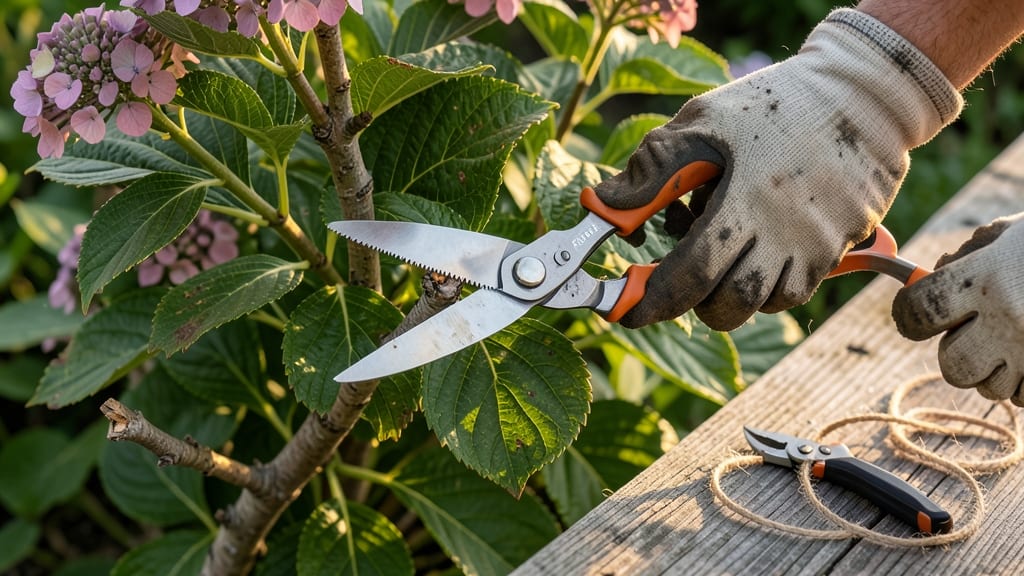
Pruning big leaf hydrangeas in late winter reveals their hidden potential—those lush blooms you love start with just a few strategic cuts. ✂️ I’ve turned my overgrown shrubs into showstopping seasonal stars by timing cuts right and shaping them properly, and you can too.
The key? Waiting until after the worst cold snaps but before new growth begins.
You’ll need sharp pruners, a ladder (for taller shrubs), and a clear plan to remove dead or crossing branches while leaving strong stems. Cut back last year’s blooms—those dried clusters—to encourage fresh growth, but never trim more than ⅓ of the plant at once.
The goal is to shape the shrub while keeping its natural form, and the reward? A summer full of vibrant blooms that last well into fall.
📚 In This Guide
- What you need
- Instructions
- Tips and common mistakes
- Wrapping up and next steps
What you need
- ● Bypass pruners – Sharp, clean pruners (for cuts up to ½ inch thick). Pro tip: Choose ergonomic handles for comfort during long sessions. 🔥
- ● Loppers – For thicker branches (½ to 1½ inches in diameter). Look for bypass-style loppers to avoid crushing stems.
- ○ Pruning saw – A curved-tooth saw for any branches thicker than 1½ inches. Optional but handy: A foldable saw for portability.
- ● Disinfectant (70% isopropyl alcohol or bleach solution) – Clean tools between cuts to prevent disease spread. Mix: 1 part bleach to 9 parts water.
- ● Garden gloves – Heavy-duty, cut-resistant gloves (e.g., mechanics or rose-pruning gloves) to protect hands from thorns and sap.
- ● Garden twine or zip ties – For securing branches if you’re doing major structural pruning.
- ● Rake or broom – To clear debris after pruning and keep your workspace tidy.
- ● Hand pruners with extendable handles – Reduces strain if your hydrangea is tall or dense.
- ● Pruning sealant – For large cuts (over 1 inch thick) to prevent disease entry. Note: Only use on woody stems, not green growth.
- ● Ladder or step stool – If your hydrangea is over 6 feet tall. Safety tip: Use a stable, three-legged ladder for balance.
- ● Marking spray or tape – To label branches you plan to remove (helpful for complex pruning plans).
- ● Mulch or compost – To replenish nutrients after pruning and protect the base of the plant.
- ● Know your hydrangea’s age – Big leaf hydrangeas (Hydrangea macrophylla) bloom on old wood, so timing and technique matter! 💡
- ● Check the weather – Prune on a dry, overcast day (avoid pruning in extreme heat or cold).
- ● Review your pruning plan – Sketch a rough outline of what you’ll remove to avoid over-pruning.
Step-by-step instructions for pruning big leaf hydrangeas
Here's the straightforward method I use every year to keep my big leaf hydrangeas thriving with vibrant blooms.
✂️ Step 1: Time Your Pruning for Late Winter or Early Spring
Prune your big leaf hydrangeas between late February and early March, before new growth begins but after the worst winter cold passes. This timing ensures you don't cut off next year's flower buds, which form on old wood. I test by looking for the first signs of swelling buds—those little bumps on last year's stems—that signal it's time to grab your shears.
Wait until temperatures stay consistently above 32°F to avoid stressing the plant. If you prune too early, you risk damaging tender new growth. If you wait too late, you'll accidentally cut off flower buds that have already formed. This is the moment that matters: get it right, and your blooms will be bigger and more abundant.
✂️ Step 2: Remove Dead or Weak Growth First
Start by scanning your hydrangea for any dead, diseased, or crossing branches. Dead wood is easy to spot—it's brown, brittle, and won't bend. Snip these out first using clean, sharp pruners. I always sterilize my tools with rubbing alcohol before starting to prevent spreading any hidden pathogens.
Next, remove any branches that are growing inward or rubbing against others. These create wounds that invite pests and disease. You'll know you're doing it right when the plant's center opens up, allowing better airflow and sunlight to reach the interior stems. This step alone makes a huge difference in your plant's overall health.
✂️ Step 3: Shape the Plant by Cutting Back Last Year's Stems
Big leaf hydrangeas bloom on old wood, so you'll focus on shaping rather than drastic cutting back. Look for the largest, healthiest stems and trim them back by about one-third to encourage bushier growth. I like to make my cuts just above a set of buds or leaves—this ensures new growth will emerge from the right spot.
Step back frequently to check your progress. The goal is to maintain a balanced shape while keeping the plant's natural form. Avoid cutting into the center of the plant too much—this can create a "donut hole" effect where sunlight never reaches. You'll see the difference in just a few weeks as new leaves begin to unfurl from the cut stems.
☀️ Step 4: Encourage New Growth with Proper Aftercare
After pruning, give your hydrangea a light application of balanced fertilizer (10-10-10 works well) to support new growth. Water deeply at the base, keeping the soil consistently moist but not soggy. I water until I see moisture seep out of the drainage holes—this ensures the roots get the hydration they need without sitting in water.
Monitor your plant closely over the next few weeks. You'll notice new shoots emerging from the cut stems within 2-3 weeks. These will develop into next year's blooms, so protect them from late frosts. If you see any leaves yellowing or wilting, it's usually a sign of overwatering or poor drainage—adjust your care routine accordingly.
⏰ Step 5: Prepare for Summer Blooms with Ongoing Maintenance
Throughout the growing season, keep an eye out for any spent blooms and remove them by cutting the stem back to a leaf or bud. This practice, called deadheading, encourages the plant to produce more flowers. I do this every 2-3 weeks during the blooming season to keep my hydrangeas looking their best.
Watch for signs of stress like leaf curl or discoloration—these can indicate pests or disease. If you catch problems early, you can often treat them with a simple spray of neem oil or insecticidal soap. By following this routine, your big leaf hydrangea will reward you with lush, vibrant blooms from mid-summer through fall.
Tips & tricks for perfect big leaf hydrangea pruning
These little-known tricks will help you avoid common mistakes and get the most stunning blooms from your big leaf hydrangeas.
Timing is Everything: The late February to early March window is critical because big leaf hydrangeas bloom on old wood. I've learned the hard way that pruning too early can damage tender new growth, while waiting too late risks cutting off flower buds that have already formed. Look for those tiny swelling buds on last year's stems—they're your signal to start. If you miss this window, you might end up with fewer blooms next season.
The Right Tools Make All the Difference: Don't use scissors or dull pruners—they can crush stems and create jagged cuts that invite disease. I always use clean, sharp bypass pruners (like Felco or Corona) and sterilize them with rubbing alcohol before starting. For thicker branches, I grab my loppers. The cleaner the cut, the faster the plant recovers and the healthier it grows. This simple step prevents so many common problems I see in gardens.
Shape with Purpose: When you're cutting back those one-third reductions in Step 3, think about creating an open center. This might feel counterintuitive, but it's what allows sunlight and air to reach the interior stems. I step back every few cuts to check my progress—you want to see light shining through the center when you're done. This "donut hole" effect actually prevents fungal issues and encourages more vigorous growth from the base.
Aftercare Determines Success: That light application of 10-10-10 fertilizer after pruning is just the beginning. I've found the real magic happens in the weeks that follow. Keep the soil consistently moist (but not soggy) and watch for those new shoots emerging within 2-3 weeks. These little green signals mean your pruning worked! If you see yellowing leaves, it's usually a sign to cut back on watering—hydrangeas hate soggy roots. A simple spray of neem oil can also prevent pests from moving in during this vulnerable period.
Pro Tips for Prune Big Leaf Hydrangeas
- These little-known tricks will help you avoid common mistakes and get the most stunning blooms from your big leaf hydrangeas.
- Timing is Everything: The late February to early March window is critical because big leaf hydrangeas bloom on old wood.
- The Right Tools Make All the Difference: Don't use scissors or dull pruners—they can crush stems and create jagged cuts that invite disease.
Frequently asked questions
Got questions about pruning your big leaf hydrangeas? You’re not alone! Here are some of the most common concerns—and straightforward answers to keep your plant thriving.
When is the best time to prune big leaf hydrangeas?
Prune after the plant blooms in late summer or early fall (August–September). This ensures you don’t accidentally cut off next year’s flower buds, which form on old wood. Avoid pruning in late fall, winter, or early spring—this can stimulate new growth that won’t survive frost.
Can I prune big leaf hydrangeas in spring?
Not ideal! Spring pruning risks removing next year’s blooms before they form. If you must prune in spring (e.g., for storm damage), do so lightly—focus on removing dead or broken branches only. Wait until late summer to shape the plant for full blooms.
How do I know if I’ve pruned too much?
If your hydrangea has no new growth by late spring or fewer blooms the following year, you may have over-pruned. Big leaf hydrangeas bloom on old wood, so aggressive cuts (like rejuvenation pruning) can reduce flowers. Aim to remove no more than 1/3 of the plant per year.
Will pruning change my hydrangea’s flower color?
Pruning doesn’t directly alter flower color, but it can influence pH-sensitive varieties (like ‘Endless Summer’). To shift colors (e.g., pink to blue), adjust soil pH with lime (for blue) or sulfur (for pink) after pruning. Prune first, then amend the soil for best results!
What if my hydrangea isn’t blooming after pruning?
Check these fixes:
- Location: Ensure it gets partial shade (6+ hours of sun). Too much sun = fewer blooms.
- Water: Big leaf hydrangeas need consistent moisture—drought stress = no flowers.
- Age: Young plants (under 3 years) may not bloom heavily. Be patient!
- Fertilizer: Use a balanced, acidic fertilizer (like 10-10-10) in early spring.
Wrapping up and next steps
Pruning your big leaf hydrangeas doesn’t have to be intimidating—with the right timing, tools, and techniques, you’ll unlock vibrant blooms and healthier growth year after year! 🌸 Remember, patience and precision are key, whether you’re shaping for size, encouraging more flowers, or revitalizing an overgrown plant.
Now that you’re armed with seasonal tips and expert advice, grab those shears and get pruning! For extra confidence, bookmark this guide or share it with fellow gardening enthusiasts. Happy pruning—your hydrangeas will thank you with a showstopping display come summer! 🌿✨