
Plants
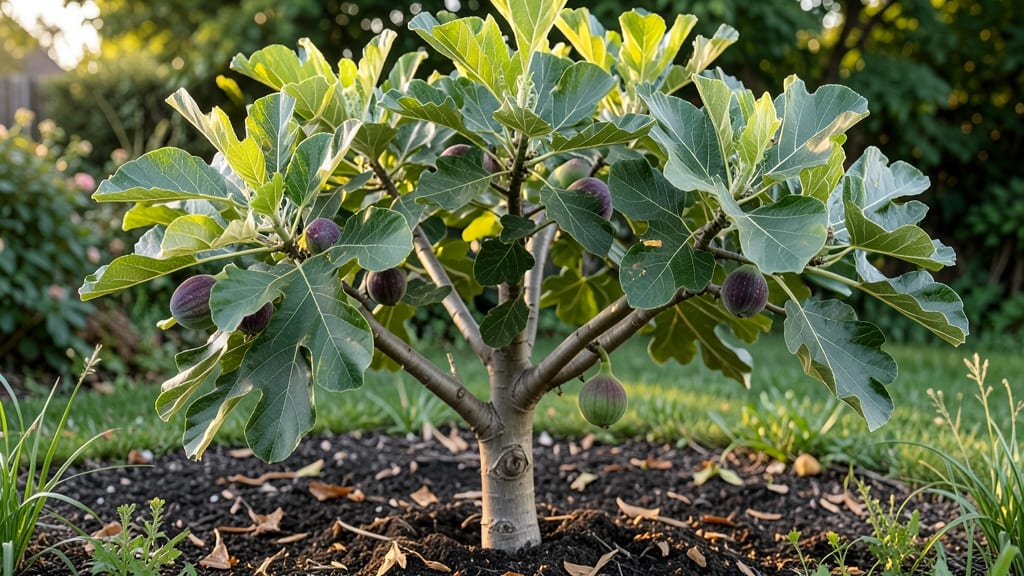
A fig leaf plant needs bright, indirect light for 6-8 hours daily—the sweet spot between too little and too much that keeps those glossy leaves thriving.
Struggling to keep your Ficus lyrata 🌿 lush and vibrant? Light exposure is the #1 factor determining whether it thrives or slowly declines—and most plant owners get this crucial detail wrong. Too little light? Yellowing leaves and leggy stems. Too much? Brown crispy edges and sunburn. The balance is everything.
This guide reveals exactly where to place your plant for perfect lighting, how to spot the warning signs when something’s off, and even how to supplement with grow lights if your home falls short. No more guesswork—just a happy, healthy houseplant that stays vibrant year-round.
By the end, you’ll know the ideal window spots, how to adjust for seasonal changes, and what to watch for when your fig leaf plant starts talking to you through its leaves. Let’s get started!


Fig leaf plant light requirements: ideal sunlight exposure for healthy growth
Your fig leaf plant (Ficus lyrata) thrives on bright indirect light, but many gardeners accidentally place it in conditions that stunt its growth or cause stress. Unlike sun-loving succulents, this tropical beauty needs filtered sunlight—think dappled shade under a canopy, not harsh midday rays.
Understanding the light spectrum and your home's natural lighting will transform your plant care routine from guesswork to precision.
The key to perfect lighting lies in replicating its natural understory habitat. In the wild, fig leaf plants grow beneath taller trees where sunlight is diffused through leaves.
At home, this means positioning your plant near east or north-facing windows, where morning sun gently illuminates the leaves without the intensity of afternoon rays. South-facing windows can work too, but only with a sheer curtain to filter the harshest light.
🌿
| Light Condition | Characteristics | Plant Response | Best For |
|---|---|---|---|
| Bright Indirect Light | Sunlight filtered through sheer curtains or 3-6 feet from windows | Healthy growth, glossy dark green leaves, rapid growth | Primary ideal condition (year-round) |
| Medium Light | 2-3 feet from east/west windows or 6+ feet from south windows | Slower growth, smaller leaves, may lose variegation | Temporary adjustment (e.g., winter months) |
| Low Light | North-facing windows or deep shade (no direct light) | Yellowing leaves, leaf drop, weak stems, leggy growth | Avoid long-term (max 2-3 months) |
| Direct Sunlight | South-facing windows without filter or full afternoon sun | Brown crispy edges, sunburn patches, slow growth | Never expose (irreversible damage) |
To determine your home's lighting conditions, use the shadow test method. Place a small object (like a pencil) on your windowsill at 10 AM and 2 PM during peak sunlight months.
If the shadow is sharp and dark, the light is too intense—move your plant back or add a filter. If the shadow is soft and faded, you've found the perfect spot. This simple test reveals whether your space provides the ideal filtered light your fig leaf plant craves.
Seasonal adjustments are crucial because natural light shifts throughout the year. During summer months (June-August), your plant may need protection from the stronger sun. Rotate it quarter-turns weekly to ensure even growth and prevent lopsided development.
In winter (December-February), when daylight hours drop below 10 hours/day, supplement with a grow light for 2-3 extra hours to maintain its energy levels.
🌳
One common mistake is assuming more light is always better. While your fig leaf plant enjoys brightness, direct sunlight acts like a sunburn for its delicate leaves. Look for signs like brown crispy edges or bleached patches—these are clear indicators your plant is getting too much intensity.
If you notice these symptoms, immediately move your plant to a spot with indirect light and avoid placing it within 3 feet of a south-facing window without a sheer curtain.
For gardeners in apartments or offices with limited natural light, LED grow lights are a game-changer. Opt for full-spectrum bulbs (5000-6500K) and position them 12-18 inches above your plant. Run them for 12-14 hours daily to mimic a natural photoperiod.
This setup works especially well in west-facing rooms, where afternoon sun can be too harsh but morning light is insufficient.
💡
Remember, the goal is to create a consistent light environment that mimics your fig leaf plant's tropical origins. Whether you're using natural light or grow lights, monitor your plant's response weekly.
Adjust gradually—sudden changes can cause stress. With the right lighting, your Ficus lyrata will reward you with lush, vibrant foliage and rapid growth that's the envy of every plant parent.
Signs your fig leaf plant has too much or too little light
Your fig leaf plant (Ficus lyrata) sends clear signals when its light conditions are off. Unlike many houseplants, it’s highly sensitive to light stress, showing symptoms within weeks of improper exposure.
The key is recognizing these visual cues early before damage becomes permanent. I’ve seen countless plants recover after adjusting light—once you know what to watch for, it’s easier than you think!
Start by observing your plant’s leaf color and growth pattern. Healthy fig leaf plants have deep green, glossy leaves with a sturdy stem. Any deviation from this—whether yellowing, browning, or stretching—is your plant’s way of saying, “Something’s wrong with my light.”
Let’s decode these signals so you can act fast and save your plant.
- Yellowing leaves (starting from bottom)
- Leggy stems (reaching toward light)
- Small, sparse new growth
- Leaves growing toward light source
- Brown crispy edges on leaves
- Bleached or sunburned patches
- Slow growth despite ample light
- Premature leaf drop
If your fig leaf plant shows signs of too little light, act immediately. These plants are tropical and crave bright indirect sunlight—think of it like their natural habitat under a canopy.
I’ve had my own plant nearly die from neglect in a dim corner, but moving it to an east-facing window brought it back to life in just 2 weeks. The key is gradual adjustment: Don’t shock the plant by moving it from deep shade to full sun overnight.
For too much light, the damage is often irreversible if left unchecked. Direct sunlight acts like a magnifying glass, burning your plant’s leaves. I once placed mine too close to a south-facing window without a curtain, and within days, the leaves developed brown patches.
The fix? Move it back 3 feet and add a sheer curtain to diffuse the light. Pro tip: Rotate your plant every week so all sides get even exposure—this prevents lopsided growth and ensures those stunning variegated leaves stay vibrant.
Don’t wait until your fig leaf plant starts dropping leaves to act. Regularly check for these early warning signs and adjust its lighting before the damage becomes severe. With the right light, your plant will reward you with glossy, deep green leaves and rapid, healthy growth.
Trust me, your plant will thank you for paying attention to its light needs!