
Companion Plants
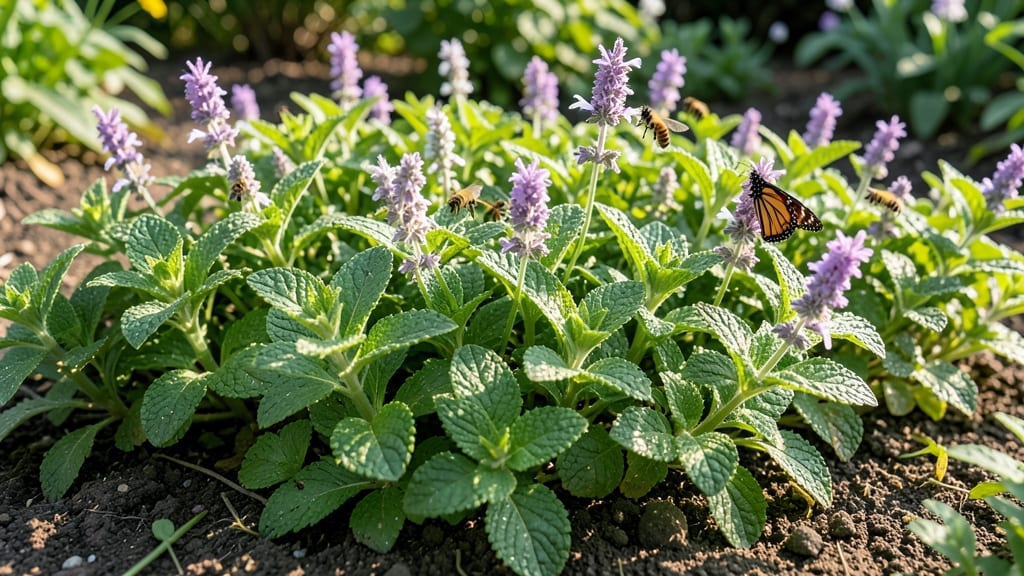
Transform your outdoor space into a pollinator paradise with these 10 hardy green leaf plants. Their lush foliage not only enhances beauty but also supports bees, butterflies, and beneficial insects throughout every season.
Lavender Hyssop for Bees and Butterflies
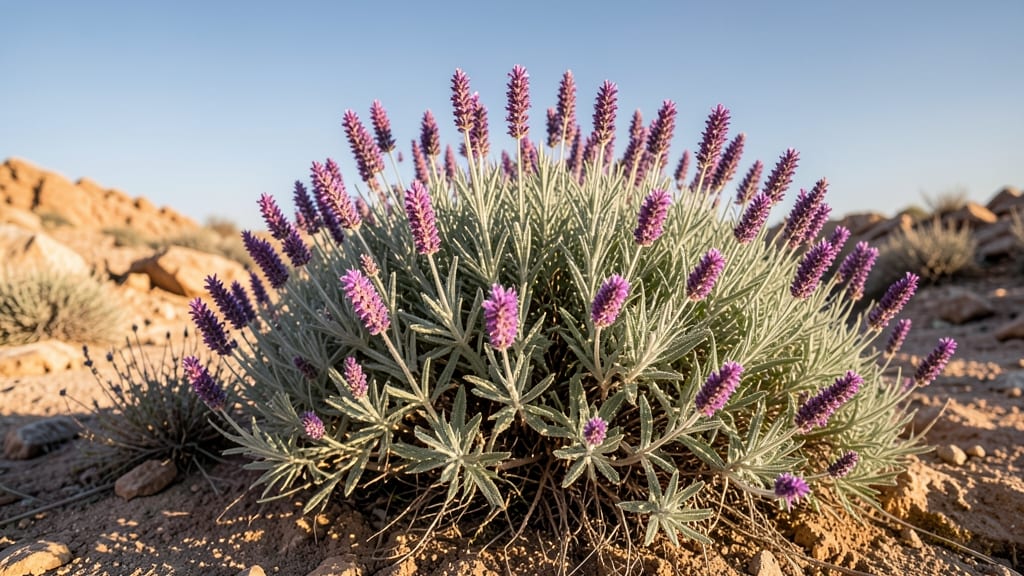
If you're struggling to keep plants alive in hot, dry climates, lavender hyssop (Agastache foeniculum) is your secret weapon. This drought-resistant perennial thrives in full sun and poor soil while packing a punch for pollinators with its aromatic foliage and vibrant purple blooms.
Plant it in well-drained soil and water sparingly after establishment—it’s happy with just one inch of water per week. The anise-scented leaves deter pests while attracting bees, butterflies, and hummingbirds. Deadhead spent blooms to encourage continuous flowering from early summer to fall.
Perfect for low-maintenance gardeners and urban containers, lavender hyssop adds fragrance and color while supporting pollinators in even the harshest conditions. 🌟
Hostas for Shady Garden Spaces
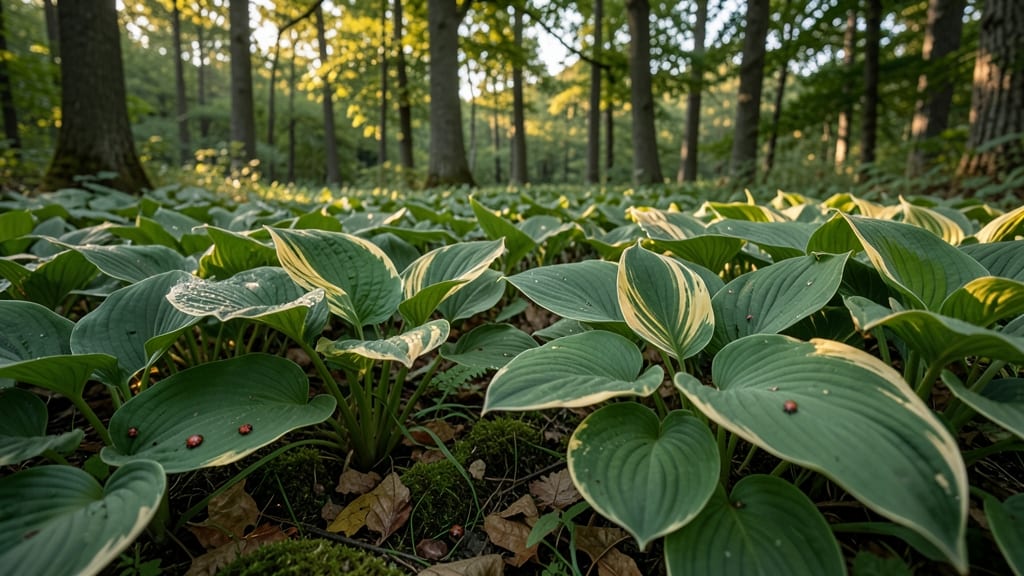
Tired of fighting for space in sunny garden beds? Hostas are the unsung heroes of shady spots, offering bold, textured foliage that thrives where other plants struggle. Their broad leaves create a living carpet that suppresses weeds while providing shelter for beneficial insects like ladybugs and early-season pollinators.
Choose from varieties like Blue Angel or Halcyon for striking variegation, or opt for French Green Giant for dramatic, elephant-ear-sized leaves. Plant in well-draining soil with afternoon shade, and keep the roots consistently moist—hostas reward patience with year-round interest, even in winter.
Perfect for beginners or urban gardeners with limited sun, hostas add drama without demanding attention. Just avoid slug-prone areas or use organic slug bait to protect your investment. 🌿
Dill Plants for Pollinators and Cooking
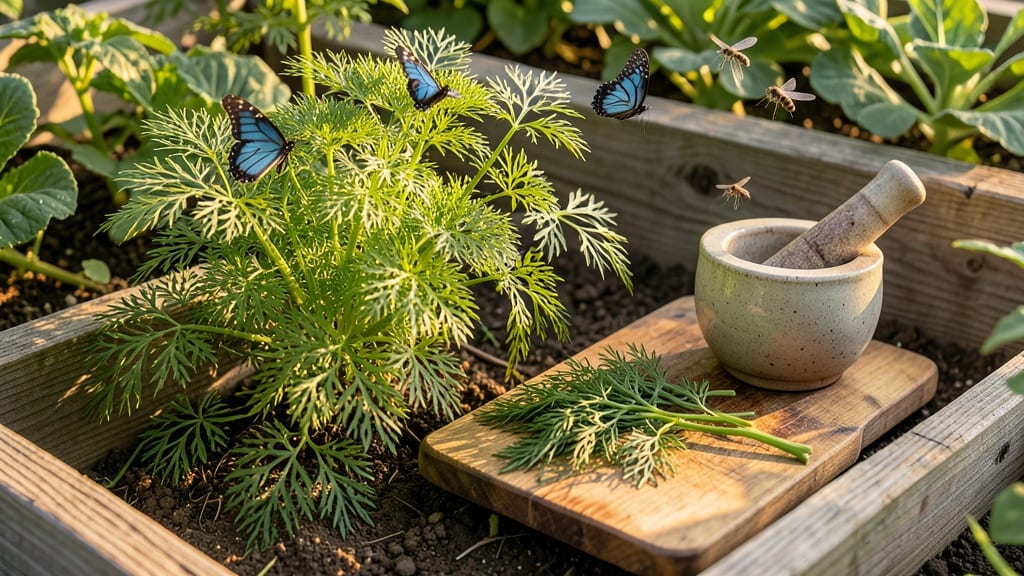
Looking for a plant that works as hard in the kitchen as it does in the garden? Dill is your secret weapon—this fast-growing annual delivers feathery green leaves for your favorite dishes while luring swallowtail butterflies and parasitic wasps that naturally control pests like aphids and cabbage worms.
Sow seeds directly in the garden after the last frost, spacing them 12-18 inches apart in full sun to partial shade. Dill thrives in average soil and grows quickly—you’ll see blooms in just 6-8 weeks, providing a year-round harvest if you succession plant every 3-4 weeks. The more you harvest, the bushier it grows, so snip leaves regularly for both culinary and pollinator benefits.
Urban gardeners and small-space growers will love that dill also performs well in containers, making it a versatile addition to patios or balconies. Plus, its delicate yellow flowers add a charming touch to summer bouquets. 🌻
Ferns for Moisture-Rich Garden Corners
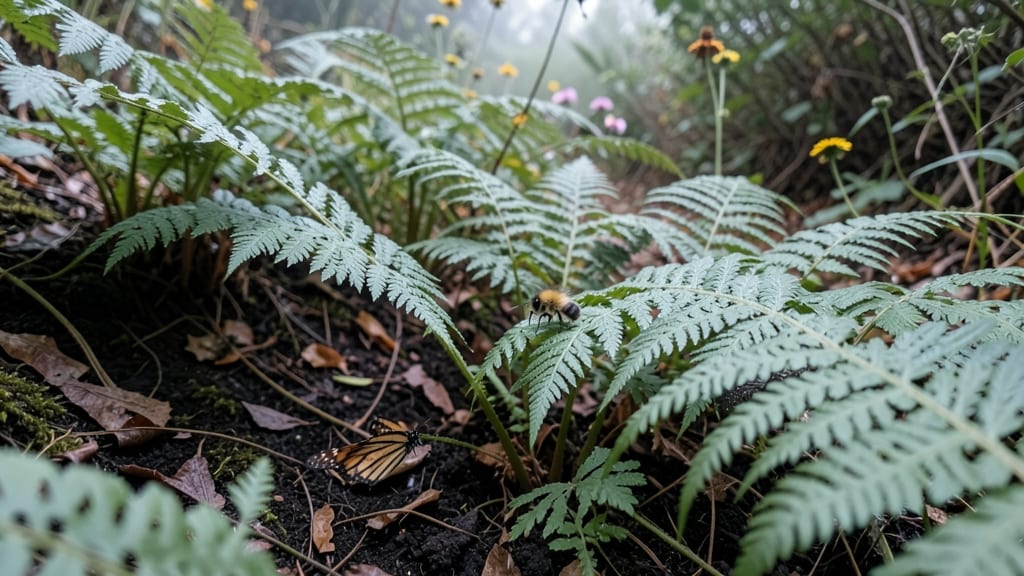
Turn that often overlooked moisture-rich garden corner into a thriving ecosystem with native ferns. Their delicate, textured green fronds create a lush understory that supports ground-dwelling pollinators like bees and butterflies while providing shelter for early spring wildlife.
Ferns like maidenhair or wood fern prefer shady, consistently damp conditions—perfect for rain gardens or areas near water features. Plant them in well-draining soil mixed with organic matter to prevent root rot, and water regularly to keep foliage vibrant. These low-maintenance plants return year after year, offering year-round greenery with minimal effort.
Ideal for gardeners with shady, wet spots or those wanting to boost biodiversity, ferns transform "problem areas" into lush habitats. 🌿
Catmint for Long-Blooming Beauty
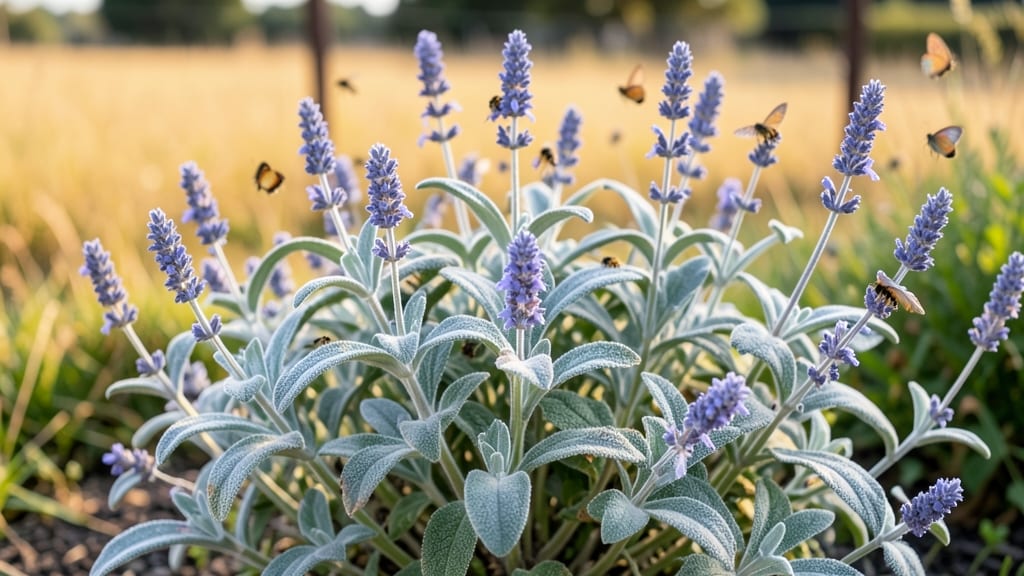
If you're craving a pollinator magnet that thrives on neglect and delivers year-round color, catmint is your secret weapon. This drought-tolerant perennial blooms continuously from spring to frost, offering nectar when other flowers have faded—making it a lifeline for bees and butterflies during lean seasonal periods.
Plant catmint in full sun and well-drained soil, where it spreads gracefully while requiring minimal water once established. Its silvery-green foliage adds texture, and the lavender-blue flowers attract pollinators aggressively. Deadhead spent blooms to encourage more flowers, but don’t worry—it’s hardy enough to bounce back even if you forget.
Perfect for urban gardeners, low-maintenance landscapes, or pollinator gardens, catmint proves that beauty and sustainability go hand in hand. 🌟
Chives for Edible Green Ground Cover
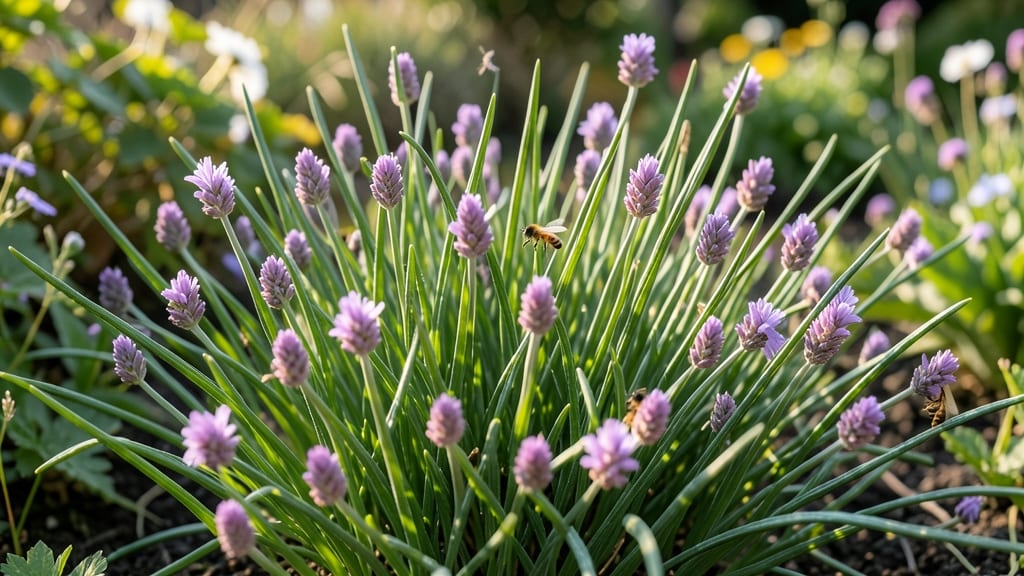
Looking for a dual-purpose plant that feeds both you and pollinators? Chives deliver fresh, mild onion flavor while serving as a pollinator magnet—especially for early-season bees and hoverflies. This cold-hardy perennial thrives in zones 3-9, making it one of the most versatile herbs for kitchen gardens.
Plant chives in full sun to partial shade with well-draining soil, and watch them spread gently over time. Snip leaves as needed for cooking, but leave some foliage to attract beneficial insects. The delicate purple flower stalks in late spring add a pretty touch while providing nectar for pollinators. For best results, divide clumps every 2-3 years to maintain vigor.
This hardworking herb is ideal for urban gardeners with limited space or those wanting a low-maintenance edible border. With chives, you get fresh flavor and a pollinator-friendly garden—all in one tidy package. 🌱
Oregano for Mediterranean Garden Style
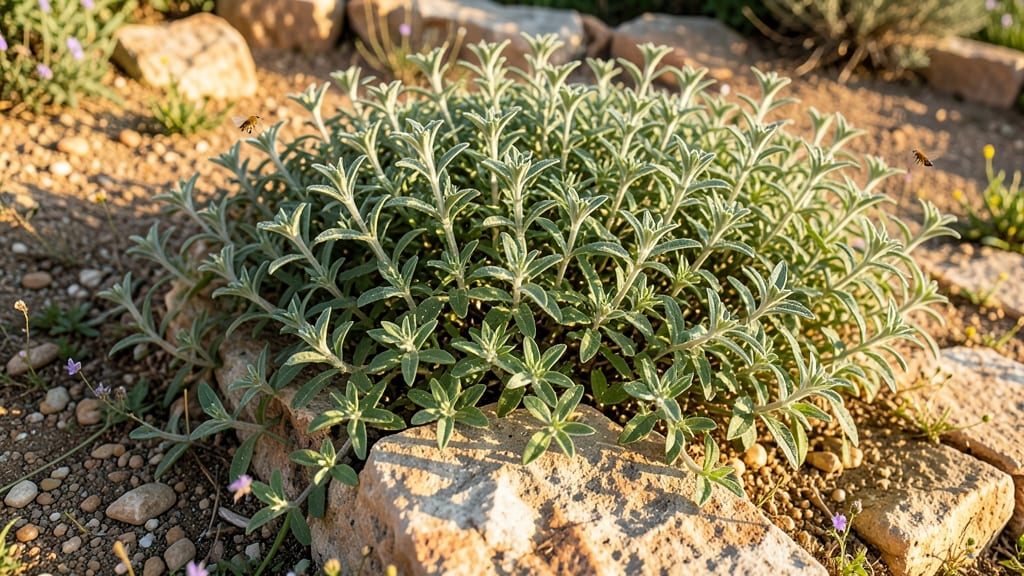
Craving a garden that looks effortlessly Mediterranean while also feeding your kitchen and local pollinators? Oregano is the unsung hero of sun-drenched herb beds—it thrives where other plants refuse to grow, spreading cheerfully in poor, rocky soil with minimal care.
This hardy perennial loves 6+ hours of sun daily and tolerates drought once established, making it perfect for slopes or dry borders. Its fragrant foliage repels pests while attracting bees and hoverflies, and you can harvest leaves year-round for cooking. Just snip what you need—the more you cut, the bushier it grows!
Ideal for beginners or busy gardeners, oregano transforms neglected corners into fragrant, pollinator-friendly havens with almost no effort. 🌿
Japanese Forest Grass for Texture
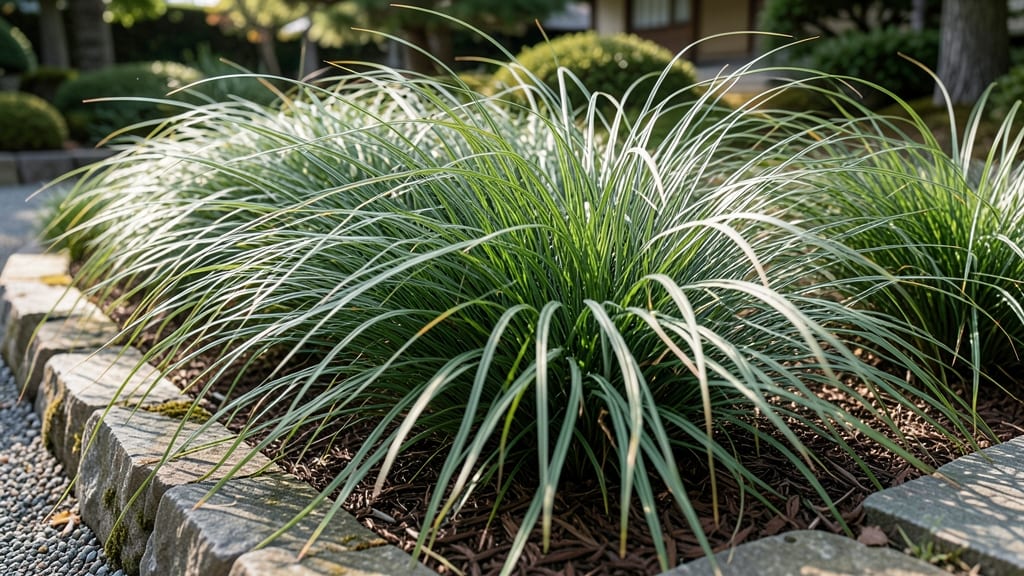
Looking for a plant that adds movement and texture to your garden without overwhelming your borders? Japanese Forest Grass (Hakonechloa macra) is your answer—its cascading, fine green blades sway gently in the breeze, creating a dynamic focal point that no broadleaf plant can match.
This pollinator-friendly grass thrives in partial shade to full sun and handles moist to average soil conditions, making it versatile for many garden settings. Its arching habit reaches 2-4 feet tall, perfect for softening edges or framing pathways. Unlike many ornamental grasses, it stays lush year-round in mild climates and provides shelter for beneficial insects like bees and butterflies.
Urban gardeners and small-space enthusiasts will love how it fits into tight spots while adding vertical interest—ideal for containers or mixed borders. Plant in clusters of 3-5 for maximum impact. 🌱
Sweet Alyssum for Early Season Pollinators
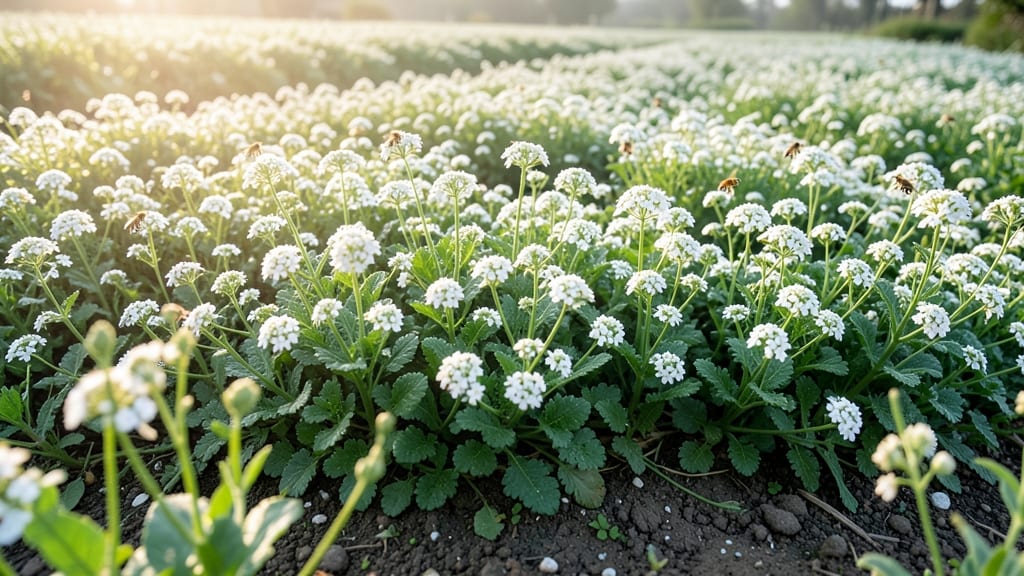
When spring arrives and most gardens are still bare, sweet alyssum bursts into bloom with its tiny white flowers and dense green foliage, creating a fragrant carpet that early pollinators can't resist. Unlike many spring bloomers that require careful timing, this cool-season annual thrives in temperatures between 40°F and 75°F, making it perfect for early planting or fall succession.
Its self-cleaning habit means you won’t need to deadhead spent blooms—just enjoy the continuous show from late spring until frost. The low-growing habit (6–8 inches tall) makes it ideal for borders, containers, or filling gaps between spring bulbs. Plant seeds directly in well-draining soil with full sun to partial shade, and watch as bees, hoverflies, and parasitic wasps flock to your garden before other flowers even think about blooming.
This is the easiest pollinator magnet for beginners—just scatter seeds and forget about it. Perfect for cottage gardens, window boxes, or even balcony planters, sweet alyssum proves that beautiful green leaf plants can do double duty as wildlife heroes. 🌱
Mint Varieties for Pollinator Havens

If you want a pollinator magnet that grows faster than weeds and keeps pests at bay, mint varieties are your secret weapon. Their highly aromatic foliage repels unwanted insects while drawing bees and butterflies with their fragrant blooms—creating a natural defense system for your garden.
Choose spearmint for classic flavor and bee balm (a mint relative) for bold purple flowers that pollinators adore. Plant in partial shade to prevent bolting, and contain aggressive spreaders with buried root barriers. The strong scent deters rabbits, deer, and even some garden pests like cabbage moths.
Urban gardeners and small-space growers will love how mint thrives in containers—just be prepared for its vigorous growth! Add a few varieties to your pollinator patch for a fragrant, functional green leaf powerhouse. 🌿