
Pests and Diseases
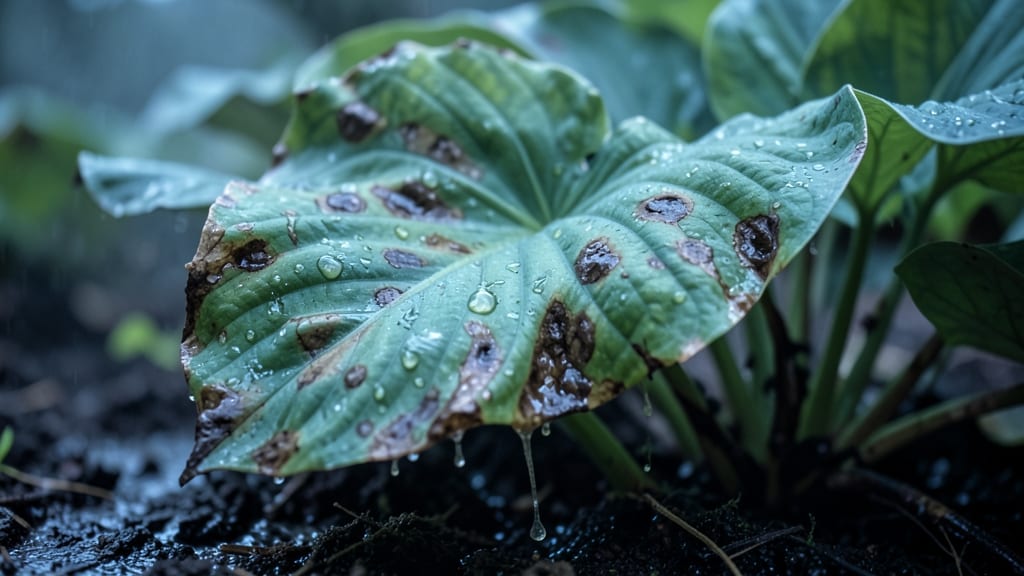
Hostas are prized for their lush foliage, but crispy edges, unsightly spots, and yellowing leaves can ruin their beauty. These 10 common hosta leaf problems—plus their quick fixes—will help you restore your plants to their full glory and prevent future damage.
Crispy Brown Edges on Hosta Leaves
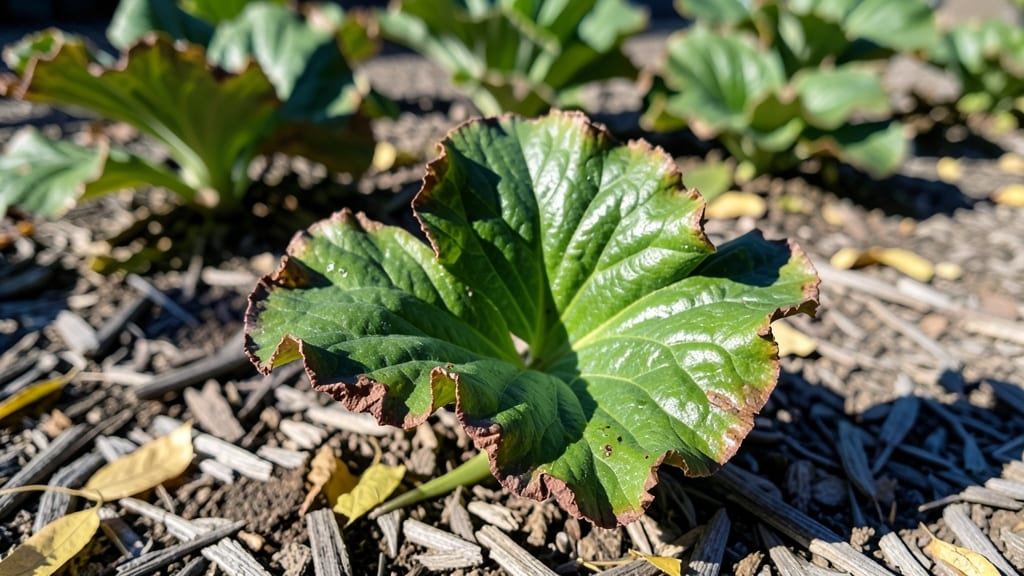
If your hosta leaves are developing crispy brown edges, don’t assume it’s just a sign of age—this is often a cry for help from your plant. In hot, dry climates, underwatering or too much direct sun can cause this common but preventable issue, leaving your hostas looking ragged instead of lush.
First, check the soil moisture—hostas prefer consistently damp (not soggy) soil. Water deeply once or twice a week, depending on your climate, and always in the morning to reduce evaporation. If your hostas are in full sun, consider moving them to partial shade, especially during peak afternoon heat. Mulching with organic matter like shredded bark will also help retain moisture and protect roots from temperature swings.
This fix is especially critical for gardeners in arid regions or those transitioning hostas from shady spots to sunnier locations. With the right care, your hostas will bounce back with vibrant, healthy edges in no time. 🌱
Yellowing Leaves Starting at the Tips
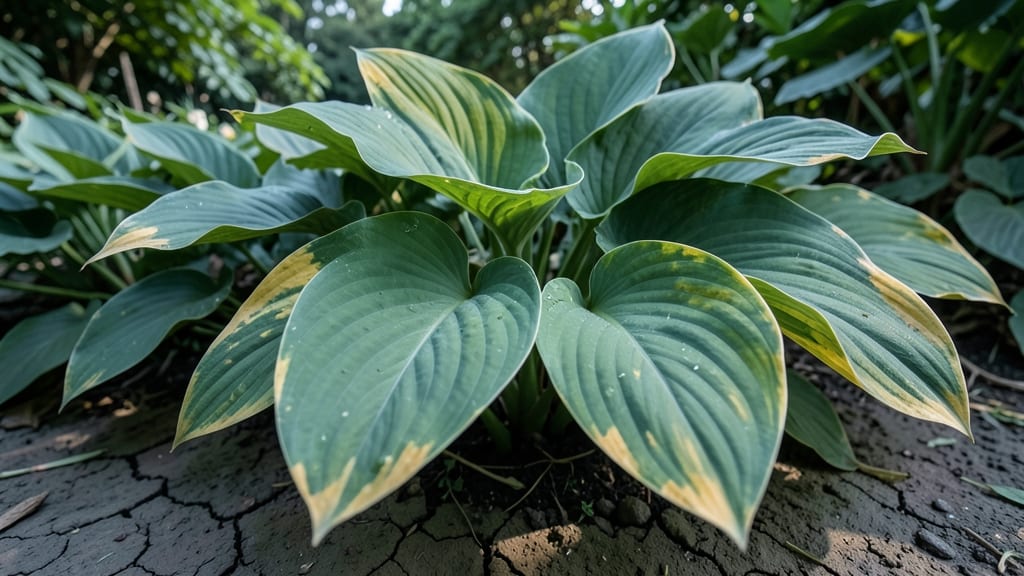
If your hosta leaves are turning yellow starting at the tips while the centers stay green, your plants may be crying out for nutrients—especially in alkaline soils. This classic sign often points to iron or nitrogen deficiency, common in heavy clay or high-pH gardens where nutrients bind tightly and become unavailable.
Test your soil pH to confirm—ideal levels for hostas are between 6.0 and 7.0. If it’s higher, amend with sulfur or peat moss to lower pH gradually. For a quick fix, apply a balanced fertilizer (like 10-10-10) in early spring, or use chelated iron for severe cases. Mulch with compost to improve soil structure and nutrient uptake over time.
Gardeners in heavy clay regions or those with alkaline water should monitor hostas closely—this issue is preventable with the right soil prep. A little proactive care keeps your hostas thriving. 🌱
Black Spots with Yellow Halos
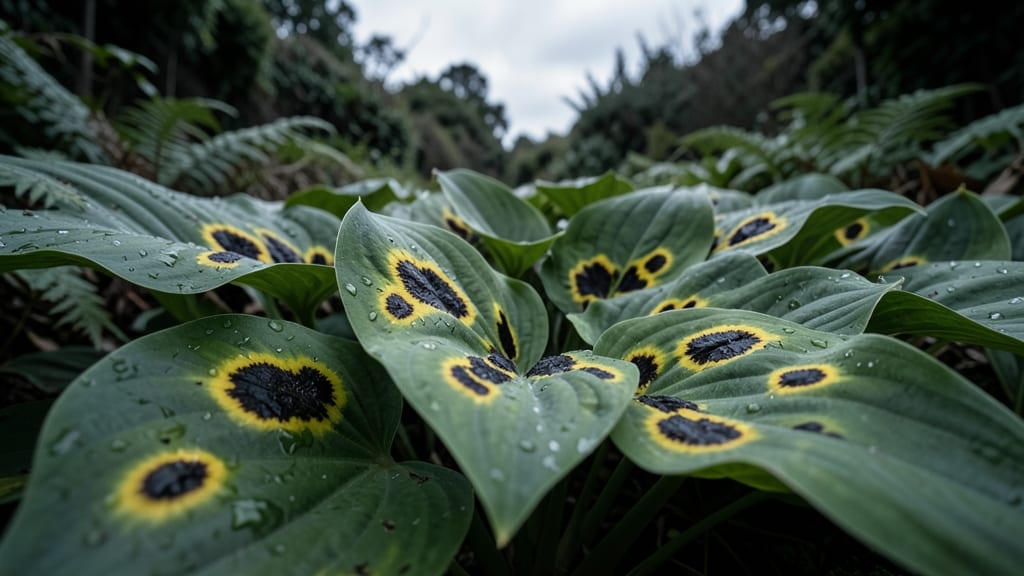
If your hostas are developing black spots with yellow halos, you’re likely dealing with anthracnose, a fungal disease that thrives in damp, humid conditions. This unsightly issue is especially common in shaded gardens or areas with poor airflow, where leaves stay wet longer than ideal.
To tackle this problem, start by removing and destroying infected leaves immediately to prevent spread. Improve air circulation by spacing plants apart and trimming back dense foliage that traps moisture. Fungicides containing copper or neem oil can help, but apply them before rain for best results. Watering in the morning lets foliage dry quickly, reducing fungal growth.
Gardeners in humid climates or those with shaded hosta beds should prioritize this solution. With consistent care, you can keep your hostas vibrant and disease-free. 💚
White Powdery Coating on Leaves
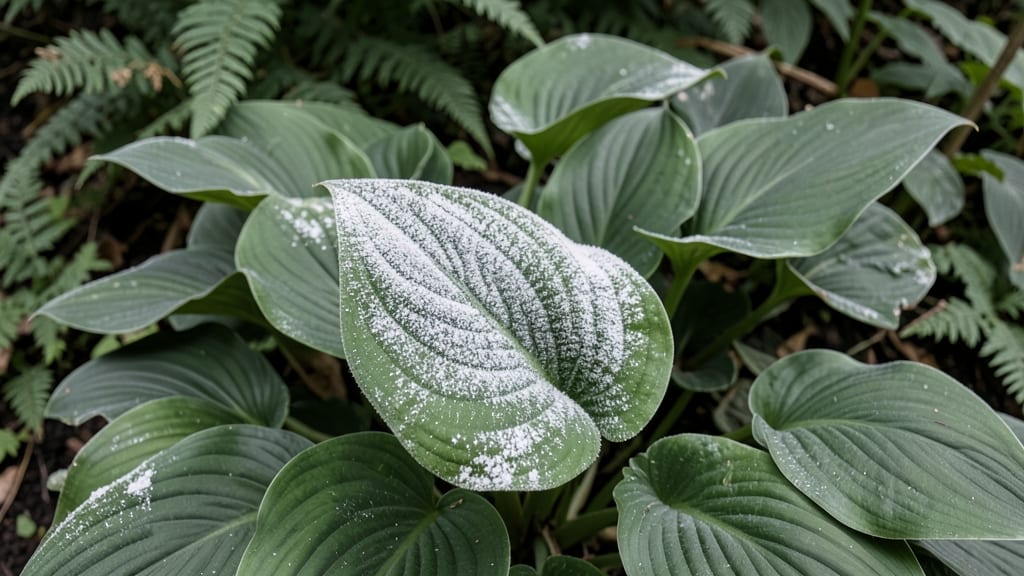
That fuzzy white coating on your hosta leaves isn’t dust—it’s powdery mildew, a fungal infection that thrives in crowded, low-light spots. Unlike other hosta issues, this problem spreads faster when leaves can’t dry quickly, making shaded garden beds prime breeding grounds.
To stop it, prune nearby plants to improve airflow and remove heavily infected leaves immediately. A weekly spray of neem oil or baking soda solution (1 tsp baking soda + 1 quart water + a drop of dish soap) disrupts the fungal spores. For severe cases, consider relocating hostas to sunnier spots where leaves dry faster after rain.
This fix is especially helpful for gardeners with dense shade gardens or those who love planting hostas close together for a lush look. Early action prevents the mildew from spreading to neighboring plants. 💚
Holes Chewed in Hosta Leaves
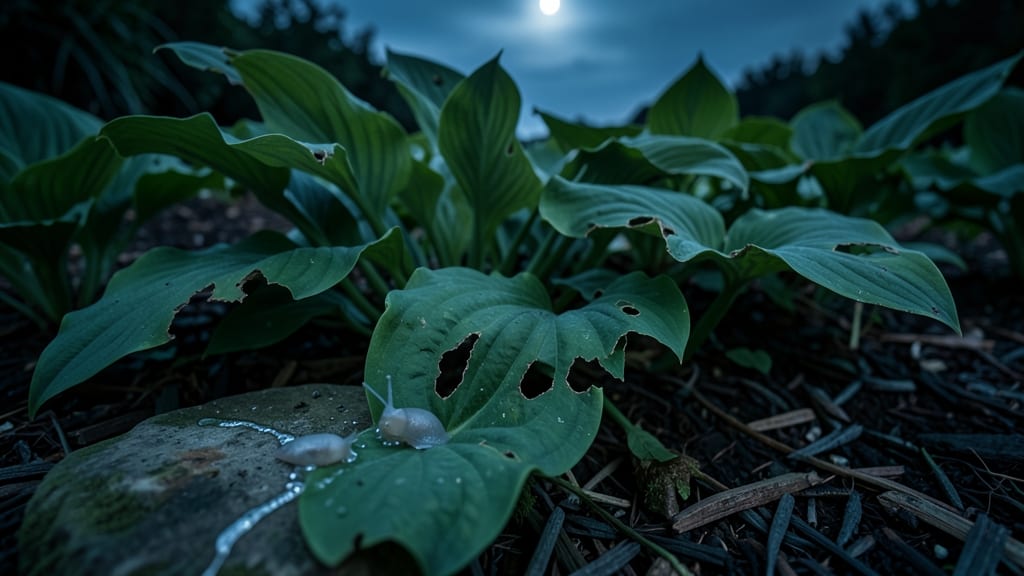
If your hosta leaves look like they’ve been attacked by tiny, nocturnal snackers, slugs and snails are likely the culprits. These pests target new growth first, leaving behind jagged holes and slimy trails that reveal their presence after dark.
To combat them organically, start by removing damaged leaves and placing copper barriers around plantings—slugs avoid copper like the plague. For a natural deterrent, try beer traps (bury a shallow dish filled with beer) or sprinkle dried coffee grounds around the base of your hostas. These methods work best in evening hours when slugs are most active, and they’re perfect for gardeners avoiding chemical solutions.
This approach is especially helpful for organic gardeners or those in slug-prone areas, ensuring your hostas stay lush without harsh pesticides. 🌱
Purple or Red Leaf Discoloration
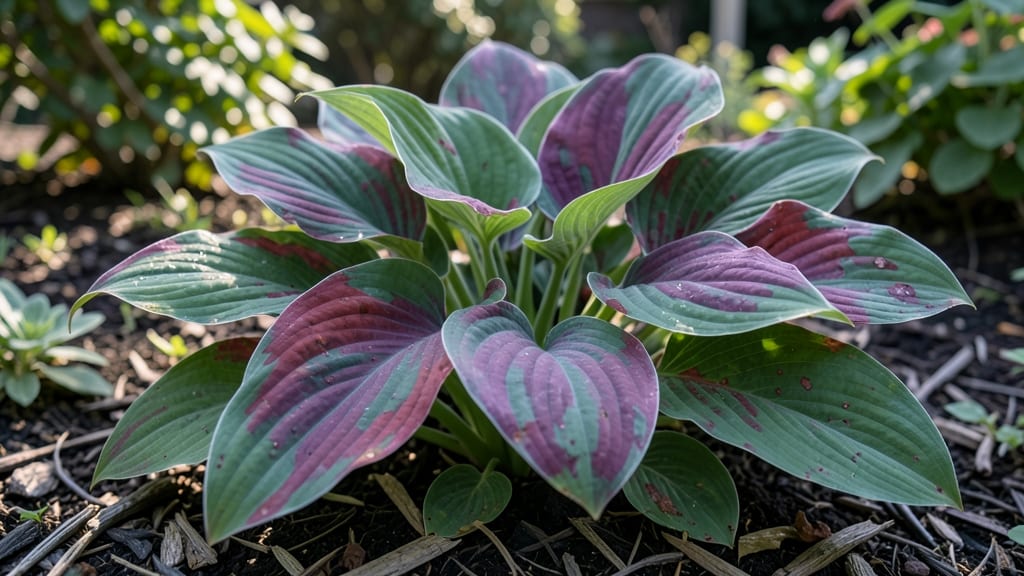
When your hosta leaves turn an unexpected purple or red instead of their usual green, it’s often a cry for help from your plant—especially in spring or fall. This discoloration usually signals either cold damage from late frosts or a lack of phosphorus, a key nutrient for root and flower development.
To diagnose, check for frost damage (common in early spring or late fall) or test your soil for phosphorus levels. If cold is the culprit, protect your hostas with lightweight row covers or mulch to insulate roots. For phosphorus deficiency, apply a bone meal fertilizer in early spring or use compost rich in organic phosphorus. Purple leaves on mature hostas may also indicate natural aging, but young plants with this symptom need immediate attention.
Gardeners in colder climates or those with nutrient-poor soils will find this issue especially common. Addressing it now ensures your hostas bounce back with vibrant, healthy foliage next season. 🌱
Curling or Rolled-Up Leaf Edges
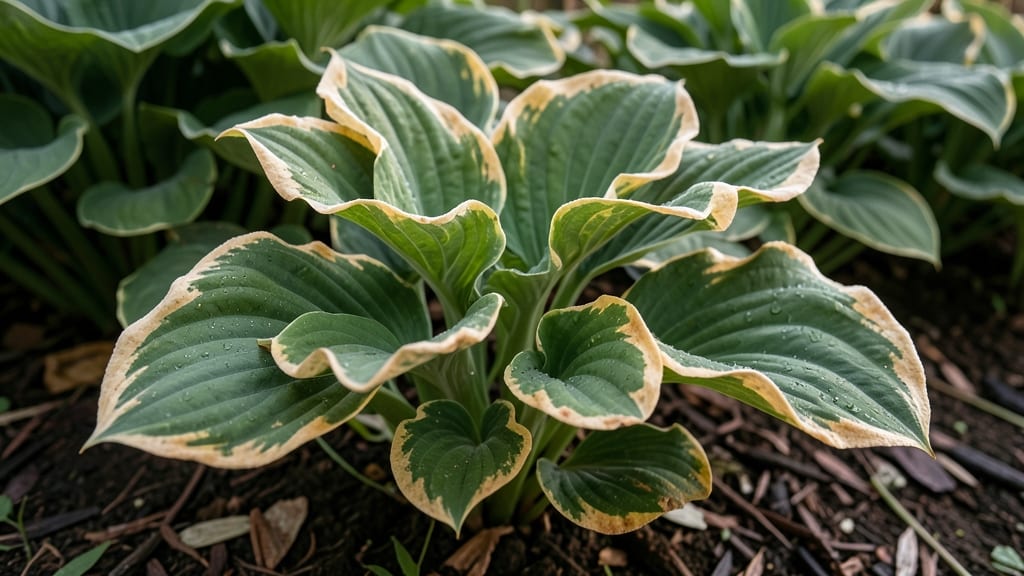
When your hosta leaves start curling at the edges like a crisped-up tortilla, it’s not just a cosmetic issue—it could signal a viral infection (hosta virus X) or your plants are fighting extreme heat stress. This problem is especially critical if you propagate hostas or live in sweltering summer regions where temperatures soar.
If the curling is paired with stunted growth or mosaic-like patterns on leaves, hosta virus X is likely the culprit. Unfortunately, there’s no cure—remove infected plants immediately to prevent spreading. For heat stress, provide afternoon shade and mulch heavily to retain moisture. Varieties like 'Blue Angel' or 'Halcyon' tolerate heat better than others.
Gardeners who propagate hostas from cuttings should test new plants for viruses before adding them to collections. If you’re in a hot climate, prioritize shade-loving varieties and monitor leaf health during peak summer months. 🌿
Stunted Growth with Small Leaves
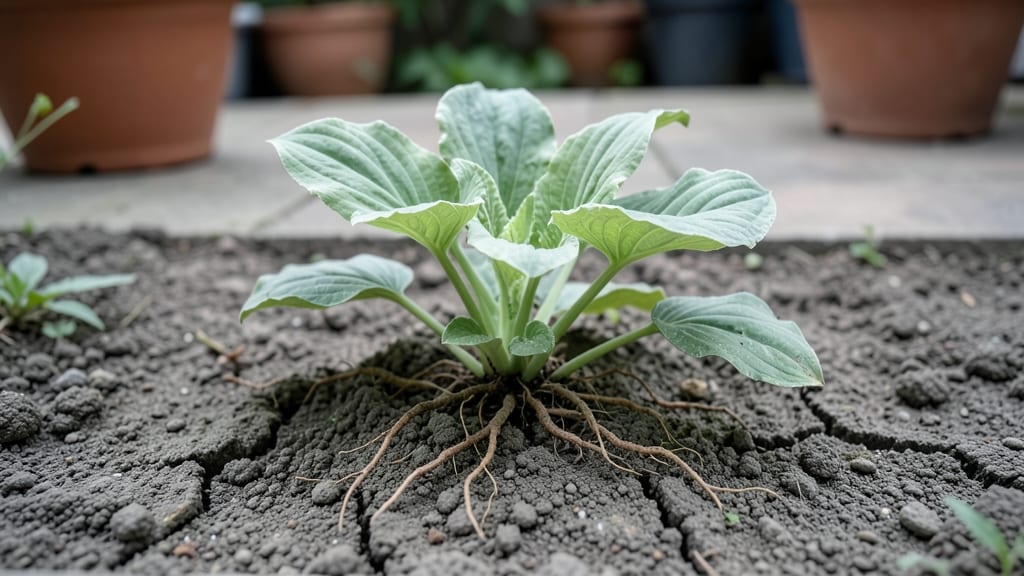
If your hostas are producing small, stunted leaves instead of their usual lush foliage, the issue likely lies underground—either root-bound containers or compacted clay soil. This problem is especially common for container gardeners or those with heavy, poorly draining garden beds where roots can’t spread freely.
For potted hostas, check if roots are circling the container’s base. If so, repot into a larger container with fresh, well-draining soil mixed with compost. If your hostas are in the ground, amend the soil with organic matter like compost or peat moss to loosen compaction and improve drainage. Water deeply but infrequently to encourage root growth downward rather than outward.
This fix is ideal for urban gardeners with limited space or those battling clay-heavy soil. A little soil prep can transform your hostas from puny to proud! 💪
Leaf Scorch with Papery Texture
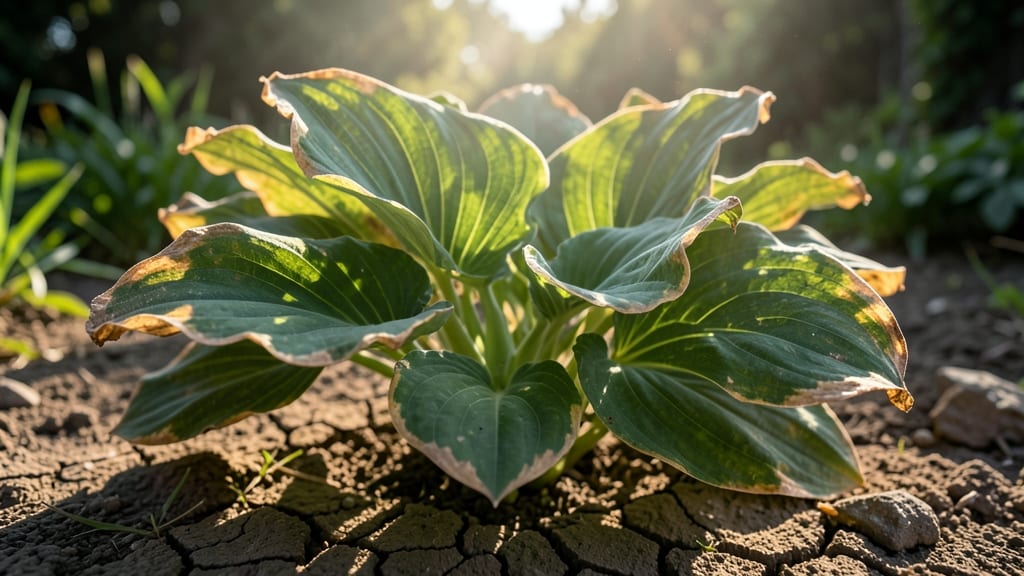
If your hosta leaves are turning crispy with a papery texture, it’s a clear sign they’re struggling with afternoon sun exposure or dehydration. This problem often appears when hostas—typically shade-lovers—are suddenly moved to sunnier spots or when summer heat dries out the soil too quickly.
To fix it, provide afternoon shade using lightweight shade cloth or plant taller neighbors to break direct sunlight. Water deeply in the morning to keep roots hydrated, and mulch with organic matter to retain moisture. For container hostas, ensure pots have drainage and water when the top inch of soil feels dry. Varieties like 'Blue Angel' or 'Halcyon' handle slightly more sun better than delicate types.
This issue is especially common for gardeners in full-sun climates or those expanding their hosta collection to brighter garden areas. With adjustments, your hostas will bounce back to their lush, healthy selves. ✨
Mushy or Soft Rotten Leaves

If your hosta leaves feel mushy to the touch or develop soft, rotting patches, you're likely dealing with bacterial leaf blight—a sneaky disease thriving in soggy soil or after heavy rains. Unlike fungal issues, this bacterial infection spreads quickly, turning vibrant foliage into a slimy mess within days.
To stop the spread, remove and destroy affected leaves immediately (don’t compost them!). Improve drainage by amending soil with organic matter like compost or perlite, and avoid overhead watering. Copper-based bactericides can help, but prevention is key—ensure your hostas have well-draining soil and aren’t planted in low-lying areas where water pools.
Gardeners in rainy climates or those with heavy clay soil should monitor hostas closely during wet seasons. With quick action, you can save your plants and keep bacterial blight from turning your shade garden into a soggy disaster. 💚