
Planting
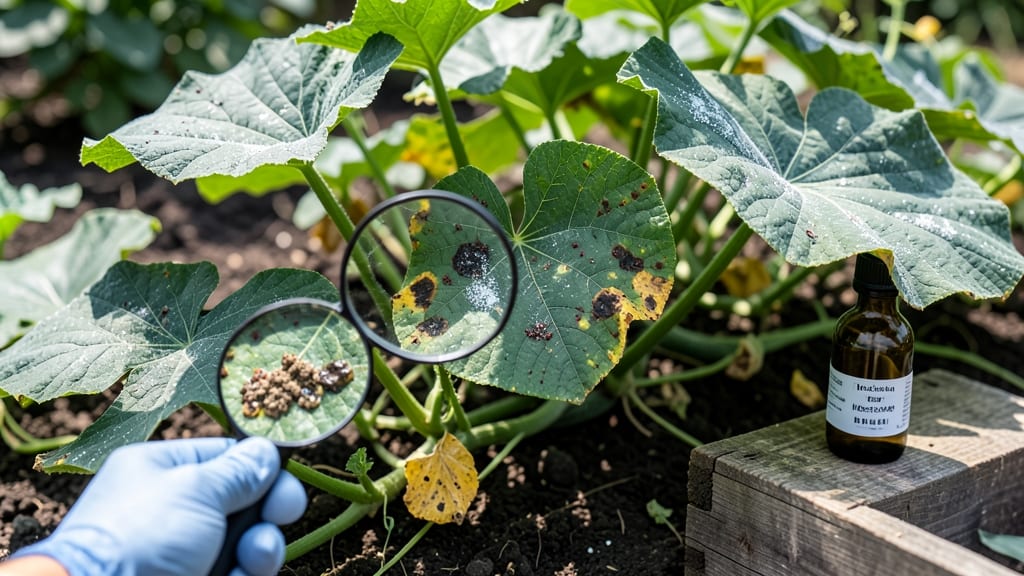
Cucumber plant leaf problems can turn your thriving vines into a sad, spotted mess—unless you act fast. 🌿 I’ve seen powdery mildew turn lush green leaves into ghostly white sheets in just days, and bacterial spots create holes that ruin harvests. The good news?
Most issues have simple fixes if you catch them early. Yellowing leaves, black spots, or curled edges all mean something’s off—whether it’s too much water, pests, or disease.
I’ll walk you through the 10 most common problems, how to diagnose them, and what to spray (or not spray) to save your plants. No fancy tools needed, just sharp eyes and quick action.
By the end, you’ll know exactly what’s wrong with your cucumbers and how to stop it before it spreads. Think of this as your cucumber plant’s first aid kit—because once you spot the signs, you’ll fix them faster than you think.
Some issues, like powdery mildew, love humid summers, while others, like aphids, show up when plants stress. The key is checking leaves weekly—especially the undersides—where pests and fungi hide. I’ve saved entire plants by acting within 48 hours of noticing the first weird spot.
Whether it’s a fungal spray, adjusting watering, or introducing beneficial insects, we’ll cover organic solutions that work without harsh chemicals. Your goal? Keep those vines strong, leaves healthy, and cucumbers rolling in all season.
Root Causes Behind Leaf Woes
Understanding why your cucumber plant’s leaves are acting up starts with identifying the hidden triggers lurking in your garden. These problems rarely appear out of nowhere—they’re usually a response to environmental stress, pests, or even subtle mismanagement.
Let’s break down the science behind the most common culprits so you can tackle them like a pro.
Cucumber plants thrive in consistently moist—but not soggy—soil.
When roots sit in waterlogged conditions, they struggle to absorb oxygen, leading to: - Yellowing leaves (chlorosis) due to nutrient starvation. - Mushy stems or wilting as cells collapse from lack of oxygen. - Fungal infections (like Pythium or Phytophthora) taking hold in waterlogged roots.
Why it happens:
- Compacted or clay-heavy soil holds excess water, suffocating roots.
- Overzealous watering (especially without checking soil moisture) drowns plants.
- Lack of drainage in containers or raised beds traps water at the root zone.
Actionable fix: Test soil moisture by sticking your finger 1–2 inches deep—if it’s damp, wait. Amend heavy soil with perlite or compost to improve aeration. Elevate containers to prevent water pooling.
Cucumbers are 90% water by weight, and drought stress forces them into survival mode. Signs include:
- Crispy, brown leaf edges (scorching) from evaporation.
- Drooping leaves that don’t bounce back when watered (a classic wilting signal).
- Premature leaf drop as the plant prioritizes fruit over foliage.
Why it happens:
- Inconsistent watering (e.g., deep soaks followed by dry spells) shocks the root system.
- High temperatures (above 90°F/32°C) increase transpiration rates, outpacing water uptake.
- Shallow root systems in young plants can’t reach deep moisture reserves.
Actionable fix:
- Water deeply 1–2 times per week (early morning is best) to encourage deep root growth.
- Mulch heavily with straw or grass clippings to retain moisture and cool roots.
- Provide afternoon shade in extreme heat with floating row covers or shade cloth.
Cucumber leaves often scream for help when starved of key nutrients. Here’s what each symptom reveals:
| Symptom | Likely Deficiency | Why It Happens |
|---|---|---|
| Yellow lower leaves | Nitrogen (N) | Poor soil fertility or leaching from overwatering. Nitrogen fuels leafy growth. |
| Purple stems/leaves | Phosphorus (P) | Cold soil slows microbial activity, reducing P availability. |
| Yellow veins, green edges | Magnesium (Mg) | Overwatering or high soil pH locks out magnesium. |
| Small, dark leaves | Potassium (K) | Stress (drought, disease) or sandy soil with low K retention. |
Actionable fix:
- Test your soil (DIY kits or lab analysis) to pinpoint deficiencies.
- Feed young plants with a balanced 10-10-10 fertilizer at planting.
- Top-dress with compost mid-season for slow-release nutrients.
- Use Epsom salt (1 tbsp/gallon water) for magnesium if leaves show interveinal chlorosis.
Cucumber leaves are a buffet for pests and microbes, and early infestations often go unnoticed until damage spreads. Common offenders:
- Aphids, Spider Mites, or Whiteflies 🐜:
- Symptoms: Sticky residue (honeydew), curled leaves, or fine webbing.
- Why it happens: These sap-suckers thrive in dry, dusty conditions and weak plants (often stressed by poor watering or fertilizer burn).
- Powdery Mildew (Fungus) 🍄:
- Symptoms: White, powdery patches on upper leaves.
- Why it happens: Fungal spores love humidity (70%+ air moisture) and poor airflow. Crowded plants or overhead watering create the perfect petri dish.
- Bacterial Leaf Spot 🦠:
- Symptoms: Water-soaked spots with yellow halos (often on older leaves).
- Why it happens: Bacteria (Xanthomonas spp.) spread via splashing water or contaminated tools. Warm, wet weather accelerates outbreaks.
Actionable fix:
- Isolate infected plants immediately to prevent spread.
- Blast leaves with water (early morning) to dislodge pests.
- Apply neem oil (for pests) or baking soda spray (1 tsp baking soda + 1 quart water + soap) for fungal issues.
- Space plants 12–24 inches apart and prune for airflow to reduce humidity.
Cucumbers are tender annuals and hate extremes. Sudden changes in their environment trigger leaf problems:
- Cold Snaps or Frost ❄️:
- Symptoms: Blackened, mushy leaves or stunted growth.
- Why it happens: Cucumbers cannot tolerate temps below 50°F/10°C. Cold slows metabolism, causing cell damage.
- Wind or Physical Damage 🌪️:
- Symptoms: Torn leaves, brown edges, or "flagging" (leaves pointing downward).
- Why it happens: Wind desiccates leaves and breaks cell walls. Young plants are especially vulnerable.
- Soil Toxicity (Salt or Chemical Burn) 🧪:
- Symptoms: Crispy, brown leaf tips or margins.
- Why it happens: Over-fertilizing (especially with synthetic salts) or hard water builds up toxic levels, burning roots.
Actionable fix:
- Use row covers for frost protection or move potted plants indoors.
- Stake or trellis vines to shield from wind.
- Flush soil with rainwater if you suspect salt buildup (test with a soil moisture meter).
- Avoid fertilizing in extreme heat—roots can’t absorb nutrients efficiently.
Quick Fixes for Cucumber Leaf Woes
When your cucumber plant’s leaves start showing signs of distress, acting fast can make all the difference between a bountiful harvest and a sad, wilted disappointment. Below, we’ve mapped out practical, step-by-step solutions for the most common cucumber leaf problems—plus prevention tips to keep your plants thriving long-term.
Fix it fast:
- Check the soil moisture 💧—stick your finger 1–2 inches deep. If it’s soggy, your plant is drowning.
- Action: Water only when the top inch is dry. Use a well-draining pot or raised bed if container-grown.
- Drain excess water ⏰—if the soil is waterlogged, let it dry out for 24–48 hours before watering again.
- Fertilize smartly 🌿—yellowing from deficiency? Switch to a balanced, organic fertilizer (like 10-10-10) or a seaweed extract for a micronutrient boost.
- Pro tip: Avoid over-fertilizing—too much salt can burn roots!
Prevent it:
- Use mulch (straw or shredded leaves) to retain moisture without overwatering.
- Choose container cucumbers (like ‘Bush Champion’) if drainage is a concern.
Fix it fast:
- Identify the culprit 🔍—common pests include:
- Aphids (sticky residue, curled leaves)
- Cucumber beetles (chewed holes, yellowing)
- Spider mites (tiny webs, speckled leaves)
- Blast them off 💦—spray leaves with neem oil (1 tsp per quart of water) or soapy water (1 tbsp mild soap per gallon).
- Handpick beetles 👨🍳—check undersides of leaves daily and drop them into soapy water.
- Encourage predators 🐞—plant marigolds or nasturtiums nearby to attract ladybugs and lacewings.
Prevent it:
- Row covers (fine mesh) can block beetles until flowers appear.
- Rotate crops yearly to disrupt pest cycles.
Fix it fast:
- Move the plant ☀️—if leaves are scorched, relocate to partial shade (4–6 hours of sun max).
- Protect from wind 🌬️—use burlap windbreaks or stake plants to prevent flopping.
- Water deeply 💦—dry edges often mean thirsty roots. Water at the base, not the leaves, to avoid fungal issues.
Prevent it:
- Morning sun is gentler than afternoon heat—position plants accordingly.
- Trellis cucumbers to keep leaves off hot soil.
Fix it fast:
- Remove infected leaves 🗑️—snip off spots with sterilized scissors and dispose of them (don’t compost!).
- Apply fungicide 🍄—spray with baking soda mix (1 tsp baking soda + 1 quart water + a drop of soap) or copper fungicide.
- Improve airflow 🌬️—space plants 12–24 inches apart and prune lower leaves to reduce humidity.
Prevent it:
- Water at the base (never overhead) to keep leaves dry.
- Rotate crops—don’t plant cucumbers in the same spot yearly.
Fix it fast: 1. Check roots 🌿—gently pull up the plant. Healthy roots are white; mushy or black roots mean rot. - If rot: Repot in fresh, dry soil. - If healthy: The plant may just need evening shade on hot days.
- Revive with cool water ❄️—soak roots in lukewarm water for 10 minutes if heat-stressed.
- Mulch heavily 🌾—add 2–3 inches of straw to retain moisture and cool roots.
Prevent it:
- Drip irrigation keeps soil consistently moist without wilting.
- Choose heat-tolerant varieties like ‘Straight Eight’ or ‘Marketmore’.
- Test your soil 📊—aim for a pH of 6.0–6.8 (use a simple kit from a garden center).
- Rotate crops 🔄—don’t plant cucumbers (or squash/melons) in the same spot for 3 years.
- Inspect weekly 👀—catch problems early with a magnifying glass for close-ups.
- Harvest often 🍉—overripe cucumbers stress the plant; pick when 6–8 inches long.
Remember: Most cucumber leaf problems are fixable—don’t toss the plant just yet! With a little TLC, your vines will bounce back, and you’ll be feasting on crisp, homegrown cucumbers in no time. 🥒✨
Frequently asked questions
Why are my cucumber leaves turning yellow first at the bottom?
This is usually a sign of overwatering or nitrogen deficiency. Cucumbers drop older leaves first when roots can't absorb nutrients properly due to soggy soil. Check soil moisture—it should feel like a damp sponge, not a swamp. If the soil is waterlogged, let it dry out for 24 hours before watering again.
What do those white powdery spots on my cucumber leaves mean?
Those are almost certainly powdery mildew, a fungal disease that thrives in humid conditions. The white powder spreads quickly, so act fast: spray leaves with a baking soda mix (1 tsp baking soda + 1 quart water + a drop of soap) every 7 days until it clears. Improve airflow by spacing plants 12–24 inches apart and pruning crowded vines.
Can I still eat cucumbers if the leaves have holes or spots?
Yes, but focus on young, healthy fruits that haven't been exposed to pesticides or fungal spores. The leaves absorb most contaminants, so harvest cucumbers before applying sprays. If you used organic treatments, wait 24 hours before picking. Avoid eating leaves with severe bacterial spots (like Xanthomonas), as they can harbor harmful bacteria.
How do I tell if my cucumber plant is wilting from thirst or disease?
Check the soil moisture first—if the top 1–2 inches are dry, it's likely thirst. For disease (like Fusarium wilt), look for yellowing veins or blackened stems. Gently tug on the vine: if it pulls away easily, roots may be rotting. If the plant perks up after watering, it's probably just dry—if not, isolate it immediately to prevent spread.
Will neem oil harm my cucumber plants if I use it too often?
Neem oil is safe when used correctly, but don't apply more than once every 7–10 days. Overuse can stress plants or disrupt beneficial insects. Always spray early in the morning and avoid getting it on flowers (it can harm pollinators). For stubborn pests, alternate with soapy water sprays (1 tbsp mild soap per gallon) to reduce dependency.