
Neem Oil
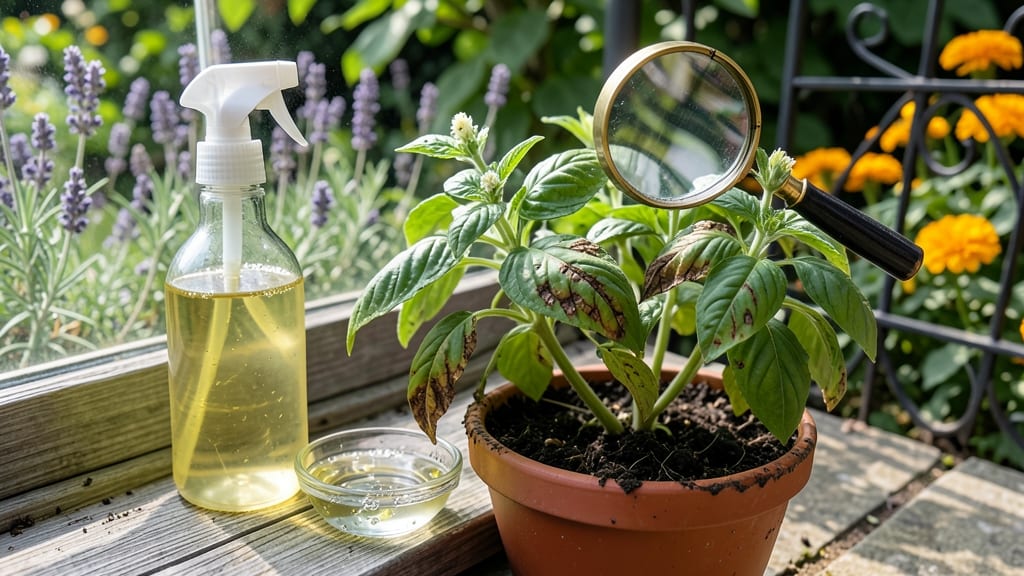
A homemade leaf miner spray works when you catch the problem early. ✨ Those telltale serpentine trails in leaves? That’s your cue to act before the damage spreads. My recipe stops the worms in their tracks—no harsh chemicals, just plant-safe ingredients that actually work.
The key ingredients are simple: neem oil, insecticidal soap, and water—all mixed in a 16-ounce spray bottle for easy application. This blend disrupts leaf miner larvae before they mature, saving your plants without harming pollinators.
The best part? You can make it in 10 minutes with supplies you likely already have.
When applied at dawn or dusk, the spray coats leaves thoroughly, suffocating eggs and young larvae. Reapply every 5-7 days until new growth appears free of trails. For edible plants, this method is completely safe once fully rinsed before harvest.
Prevention is easier than treatment—check plants weekly for early signs, especially on tomatoes, peppers, and basil, which are prime targets. A little vigilance now keeps your garden thriving all season long.
📚 In This Guide
- What you need
- Instructions
- Tips and common mistakes
- Wrapping up and next steps
What you need
- ● Neem oil (organic, cold-pressed): 1 tablespoon (15 mL). Look for a 100% pure version for best results.
- ● Dish soap (mild, biodegradable): ½ teaspoon (2.5 mL). Castile soap works great!
- ● Water (distilled or filtered): 1 quart (32 oz / 1 liter). Avoid tap water if it’s heavily chlorinated.
- ● Spray bottle (glass or BPA-free plastic): 16 oz (473 mL) with a fine mist nozzle.
- ● Garlic or peppermint essential oil: 2-3 drops (for extra pest-repelling power).
- ● Hydrogen peroxide (3% solution): 1 teaspoon (5 mL). Boosts antifungal properties.
- ● Strainer or cheesecloth: To filter out any residue before spraying.
Step-by-Step instructions for homemade leaf miner spray
Here's the quick, effective method I use to tackle leaf miners organically—no harsh chemicals, just targeted defense.
💧 Step 1: Mix the Base Solution
Combine 1 quart of warm water with 1 tablespoon of liquid castile soap in a clean spray bottle. The soap acts as an emulsifier, helping the oil stick to leaf surfaces where miners feed. I always use warm water because it dissolves the soap more completely, preventing clumps that can clog sprayers.
Add 1 teaspoon of neem oil to the mixture and shake vigorously for 30 seconds. Neem oil contains azadirachtin, a natural compound that disrupts leaf miner larvae development. If you see any separation after shaking, give it another quick shake right before spraying—this ensures even coverage.
🌿 Step 2: Apply to Affected Plants
Spray the mixture directly onto the undersides of leaves where miners typically hide and lay eggs. Most leaf miners target the lower leaf surfaces, so focus there first. Use a fine mist setting to avoid runoff—you want the solution to adhere rather than pool. I like to work in the early morning when humidity is lower; this gives the spray time to dry before afternoon heat.
Cover the entire leaf surface, including stems and new growth. Pay special attention to areas with visible serpentine trails—these indicate active infestations. Apply until the leaves glisten slightly with the solution, but avoid oversaturating, which can cause leaf burn.
⏰ Step 3: Schedule Regular Applications
Reapply the spray every 5-7 days for at least 3 weeks, even if you don’t see new damage. Leaf miners have a short lifecycle, and consistent treatment breaks their reproductive cycle. I mark my calendar with reminders because missing a spray window can lead to a resurgence of larvae.
For severe infestations, add 1 tablespoon of horticultural oil to the mix. This increases the oil's effectiveness against mature larvae while still being gentle on plants. Always test the spray on a small leaf area first—some sensitive plants like tomatoes may react to the soap concentration.
☀️ Step 4: Optimize for Best Results
Apply the spray in the early morning or late evening when temperatures are below 85°F. Heat can cause the neem oil to volatilize too quickly, reducing its effectiveness. If you're treating a large garden, consider using a hose-end sprayer for even distribution, but always dilute the mixture to half-strength when using larger volumes.
Combine this treatment with regular pruning of heavily damaged leaves to reduce the miner population. Remove infested leaves and drop them in a sealed bag—this prevents larvae from pupating in the soil. I also recommend adding beneficial nematodes to the soil monthly during active growing seasons for long-term control.
Tips & tricks for perfect neem oil leaf miner defense
Here's what nobody tells you about getting the most out of your organic leaf miner treatment—these details make all the difference between temporary relief and complete eradication.
Solution Stability: After mixing your 1 quart of warm water with 1 tablespoon of liquid castile soap and 1 teaspoon of neem oil, store any unused solution in a cool, dark place for up to 3 days. Light and heat degrade neem oil's active compounds faster than you'd think, so I keep my spray bottle in a cabinet until ready to use. For longer storage, add an extra 1 teaspoon of neem oil to extend effectiveness—this compensates for natural degradation over time.
Application Technique: In Step 2, when targeting undersides of leaves, use a handheld sprayer with a 360-degree nozzle to reach all surfaces without moving plants. I found that holding the sprayer 6-8 inches from leaves creates the ideal fine mist coverage while preventing runoff. For large plants, work in sections—start at the bottom and move upward to avoid dripping solution onto untreated areas. The key is thorough but gentle coverage.
Soap Concentration Considerations: While the 1 tablespoon of liquid castile soap works for most plants, sensitive varieties like tomatoes may need a 50% reduction to ½ tablespoon. Always test on a small leaf first—look for any yellowing or browning within 24 hours. If you notice reactions, dilute your next batch further. The soap helps the neem oil adhere, but too much can damage plant cell walls.
Timing Secret: The 5-7 day reapplication window is critical, but don't just spray blindly. Check for fresh serpentine trails (new white squiggly lines) between applications—these indicate active larvae. If you see these after your first spray, extend to every 4-5 days. Consistency breaks the larvae's lifecycle, but only if you're hitting them when they're vulnerable.
Pro Tips for Homemade Leaf Miner Spray
- Here's what nobody tells you about getting the most out of your organic leaf miner treatment—these details make all the difference between temporary relief and complete eradication.
- Solution Stability: After mixing your 1 quart of warm water with 1 tablespoon of liquid castile soap and 1 teaspoon of neem oil, store any unused solution in a cool, dark place for up to 3 days.
- Application Technique: In Step 2, when targeting undersides of leaves, use a handheld sprayer with a 360-degree nozzle to reach all surfaces without moving plants.
Frequently asked questions
about homemade leaf miner spray—because even the best gardeners need a little extra help! Here are answers to the most common questions to keep your plants thriving.How often should I apply the homemade leaf miner spray?
Apply the spray every 7–10 days during active leaf miner season (spring to early fall). For severe infestations, you can spray weekly until the problem subsides. Always apply in the early morning or late afternoon to avoid damaging leaves under direct sunlight.
How long does it take for the spray to work?
You’ll start seeing results in 7–14 days, but consistency is key! Leaf miners are sneaky—keep spraying until you no longer see new tunnels forming. If you spot fresh damage after 2 weeks, reapply immediately and check for hidden eggs or larvae.
Can I use this spray on edible plants like tomatoes or peppers?
Yes! This neem oil-based spray is safe for edible plants once fully dried (wait 24 hours before harvesting). Avoid spraying directly on flowers to protect pollinators. For extra safety, test a small leaf first to ensure no sensitivity.
What if the leaf miners keep coming back?
Persistent leaf miners may mean hidden eggs or a larger infestation. Try these fixes:
- Increase frequency to weekly applications.
- Remove heavily damaged leaves to break the cycle.
- Add insecticidal soap (1 tsp per quart of water) to your spray for extra potency.
- Introduce natural predators like ladybugs or parasitic wasps if possible.
Can I mix this spray with other homemade remedies?
While you can combine it with mild additives (like garlic or chili pepper spray), avoid mixing with harsh chemicals (e.g., bleach, vinegar). Stick to plant-safe ingredients like:
- 1 tsp dish soap (for adhesion).
- 1 tsp honey or molasses (to attract beneficial insects).
- Crushed neem leaves (for extra neem oil).
Pro tip: Always shake well before each use to ensure even distribution!
Wrapping up and next steps
You now have a simple, effective, and natural way to protect your plants from leaf miners using a homemade neem oil spray—no harsh chemicals required! 🌿 With just a few ingredients and minimal effort, you can safeguard your garden while promoting healthier, happier plants. Ready to take action?
Start by testing the spray on a small area of your plants to ensure compatibility, then apply it regularly (every 7–14 days) for best results. Keep an eye on your garden, and soon you’ll see those pesky miners retreat—leaving your foliage lush and thriving!