
Leaf Blower
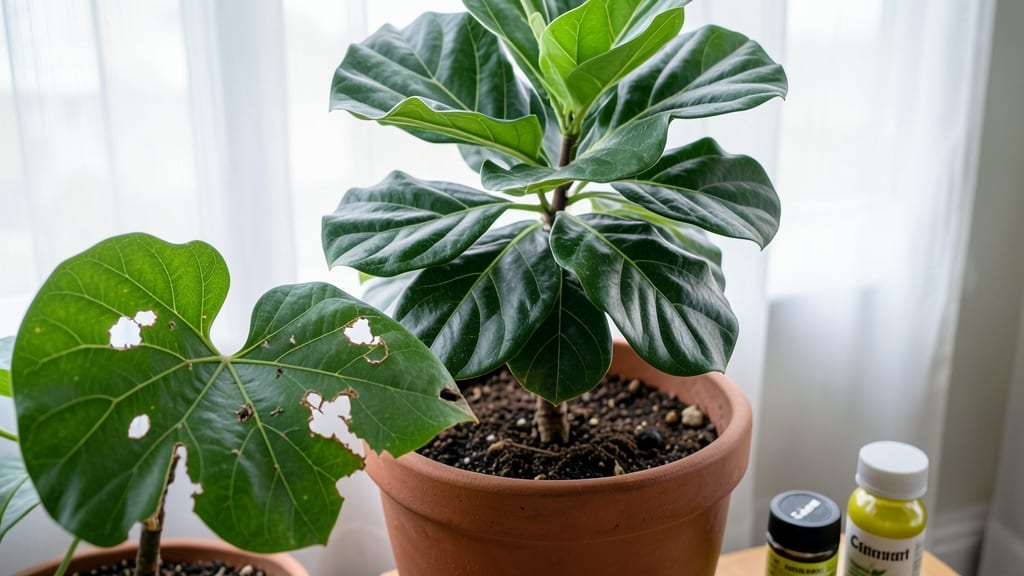
Your fiddle leaf fig’s leaves are turning into Swiss cheese, and I get it—those crispy edges and holes are heartbreaking. 🌿 The good news? Copper spray isn’t just a last resort; it’s a fast, effective way to stop the damage before it spreads further.
I’ve used it to revive plants with holes caused by spider mites, thrips, or even environmental stress, and the results are noticeable within days.
First, identify the culprit: tiny webs or specks on leaves mean pests, while brown, crispy edges often signal fungal issues. Copper spray works for both—it disrupts pests’ life cycles and prevents fungal growth.
Just mix it with water, spray undersides of leaves (where pests hide), and repeat every 7-10 days until new growth appears. No harsh chemicals, just a quick fix that saves your plant.
What you’ll end up with is a fiddle leaf fig that stops losing leaves and starts thriving again. The holes may not disappear overnight, but new growth will be smooth and healthy, with no more crispy edges.
Humidity trays and better light will help too—think of copper spray as the shock treatment while you tweak the environment.
If the holes keep coming back after two treatments, it’s time to dig deeper. Check for root rot or systemic issues, and if all else fails, consult a local plant specialist. Most cases, though? Copper spray is the game-changer you need to see results fast.
Root Causes Behind Leaf Damage
When your fiddle leaf fig starts showing holes, it’s often a distress signal from the plant itself. Understanding the why behind these unsightly marks is the first step to restoring its health.
Below, we break down the most common culprits—each with a clear scientific explanation and actionable insights to help you address the issue.
One of the most common reasons for holes in fiddle leaf fig leaves is insect activity. These pests don’t just nibble—they can weaken the plant over time, making it susceptible to secondary issues like fungal infections. Here’s what’s likely chewing away at your plant:
- Spider Mites: These microscopic arachnids thrive in dry conditions and create tiny, stippled holes as they feed on leaf sap. Their webbing is a dead giveaway—check the undersides of leaves for fine silk strands. 💡 Pro Tip: Use a magnifying glass to spot them early.
- Mealybugs: These cotton-like pests cluster in leaf axils and stems, piercing leaves to suck out nutrients. Their feeding leaves behind irregular holes and a sticky residue (honeydew), which can attract sooty mold.
- Thrips: Slender and fast-moving, thrips create tiny, scattered holes and leave behind black fecal specks. They’re often introduced through contaminated soil or new plants.
- Caterpillars or Leaf Miners: Larger holes or serpentine trails inside leaves? These could be the work of caterpillars or the larvae of leaf miners, which burrow into leaf tissue, creating visible damage.
Why it happens: Pests target fiddle leaf figs because their sap-rich leaves are an easy food source. Environmental stress (like low humidity or poor watering) makes the plant more vulnerable to infestations. 🔥 Action Step: Isolate the plant and inspect it thoroughly—especially under leaves and along stems—before treating.
While fiddle leaf figs love moisture, excessive watering can lead to a cascade of problems, including holes in leaves. Here’s how it connects:
- Root Rot: Overwatered soil deprives roots of oxygen, leading to Pythium or Phytophthora fungal infections. As the roots decay, the plant struggles to transport nutrients, causing leaves to develop brown, crispy edges—or even holes—as cells die from starvation.
- Bacterial Leaf Spot: Waterlogged conditions create the perfect breeding ground for bacteria like Xanthomonas. These pathogens enter through natural openings (like stomata) and create water-soaked lesions that expand into holes over time.
Why it happens: Fiddle leaf figs prefer well-draining soil and bottom-watering to avoid soggy roots. When pots lack drainage holes or you water on a rigid schedule (e.g., every 2 days), roots suffocate. 🌡️ Pro Tip: Stick your finger 2 inches into the soil—if it’s damp, wait before watering again.
Fiddle leaf figs crave bright, indirect light, but too much direct sunlight—especially harsh afternoon rays—can scorch leaves, leading to holes and crispy edges. Here’s the science:
- Photosynthesis Overload: Excess light triggers an overproduction of reactive oxygen species (ROS) in chloroplasts, damaging cell membranes. This causes oxidative stress, leading to brown, papery patches that eventually tear or develop holes.
- Transpiration Imbalance: Intense sun increases water loss through leaves faster than roots can replenish it. Dehydrated leaf cells collapse, creating dry, brittle spots prone to tearing.
Why it happens: South- or west-facing windows, or placing the plant too close to a glass pane, magnifies UV exposure. 🎯 Action Step: Move the plant to a spot with filtered light (e.g., 10–20 feet from a window) or use sheer curtains to diffuse sunlight.
Fiddle leaf figs are tropical plants, so drastic shifts in temperature or humidity can stress them into developing holes. Here’s how:
- Cold Drafts: Temperatures below 60°F (15°C) can cause chilling injury, disrupting cell membranes and leading to necrotic (dead) spots. Drafts from AC vents, doors, or windows accelerate this damage.
- Low Humidity: Air drier than 40% humidity forces the plant to conserve water, causing leaf edges to dry out and develop holes. This is common in winter when indoor heating kicks in.
- Heat Stress: While not as common as sunburn, temperatures above 85°F (29°C) can denature enzymes in leaves, leading to cellular breakdown and hole formation.
Why it happens: Fiddle leaf figs thrive in 65–75°F (18–24°C) with 60%+ humidity. Sudden changes—like moving the plant from a humid bathroom to a dry living room—can shock the system. ✨ Pro Tip: Group plants together or use a humidifier to create a microclimate.
Too much of a good thing can backfire when it comes to fertilizers or household chemicals. Here’s how overuse leads to leaf damage:
- Salt Burn: Excessive fertilizer (especially synthetic blends) accumulates in the soil, raising salt levels. This disrupts the plant’s ability to absorb water, causing leaf tips to brown and develop holes as cells dehydrate.
- Chemical Irritation: Household sprays (e.g., aerosol cleaners, pesticides) or tap water with high chlorine/fluoride can burn leaf tissue. Holes may form where the chemical directly contacts the leaf surface.
Why it happens: Fiddle leaf figs only need fertilizer every 4–6 weeks during spring/summer. Overdoing it or using tap water without letting it sit for 24 hours can introduce harmful residues. 🔥 Action Step: Flush the soil with distilled water to leach out excess salts.
📊 Key Takeaway: Most hole-related damage stems from either biological stress (pests, disease) or environmental mismanagement (light, water, temperature). Identifying the root cause—whether it’s a hidden spider mite or a drafty windowsill—lets you target the fix precisely.
Quick Fixes for Damaged Fiddle Leaves
Reviving your fiddle leaf fig’s crispy, hole-ridden leaves starts with identifying the root cause—whether it’s pests, environmental stress, or disease. Below, we break down practical, step-by-step solutions tailored to each issue, plus prevention tips to keep your plant thriving. Let’s get those leaves back to lush in no time! 🌿✨
If tiny holes, webbing, or chewed edges are to blame, pests like spider mites, thrips, or leaf miners are likely the offenders. Act fast—these critters multiply quickly!
🔥 Step 1: Isolate and Inspect
- Remove your fiddle leaf fig from other plants to prevent cross-contamination.
- Use a hand lens or magnifying glass to confirm the type of pest (e.g., spider mites leave fine webbing; thrips create dark speckles).
🍳 Step 2: Wipe Down Leaves
- Dip a soft cloth or sponge in a mix of 70% isopropyl alcohol and water (1:1 ratio).
- Gently wipe both sides of the leaves to dislodge eggs and adults.
- Pro tip: 💡 Do this outdoors to avoid alcohol fumes indoors.
👨🍳 Step 3: Apply Copper Spray (Your Secret Weapon!)
Copper spray is non-toxic, fast-acting, and perfect for fiddle leaf figs. Here’s how to use it: 1. Mix 1 tsp copper fungicide (like Bonide Copper Fungicide) in 1 quart of water.
- Spray leaves thoroughly (focus on undersides where pests hide).
- Reapply every 5–7 days for 2–3 weeks, even if you don’t see pests anymore.
🥘 Step 4: Introduce Beneficial Insects (Optional)
- Release lacewings or ladybugs (available at garden centers) to naturally prey on pests.
- Prevention tip: 🌡️ Keep humidity above 40%—pests thrive in dry air!
If holes appear without visible pests, your plant may be reacting to temperature swings, drafts, or improper watering.
❄️ Fixing Temperature/Draft Issues
- Move your fiddle leaf fig away from AC vents, heaters, or cold windows.
- Ideal temp range: 65–80°F (18–27°C). Avoid sudden drops below 50°F (10°C).
- Pro tip: ✨ Use a thermometer near the plant to monitor conditions.
💧 Correcting Watering Habits
- Check soil moisture before watering: Stick your finger 1–2 inches deep—if it’s dry, water; if damp, wait.
- Use room-temperature water (cold water shocks roots).
- Empty the saucer after 10–15 minutes to prevent root rot.
- Prevention tip: 🎯 Water deeply but infrequently—fiddle leaf figs prefer slightly dry soil over soggy conditions.
☀️ Adjusting Light Exposure
- Too much direct sun? Move to bright, indirect light (e.g., near an east-facing window).
- Legs too far from light? Rotate the plant quarter-turn weekly for even growth.
- Signs of over/underlighting:
- Yellow leaves + crispy edges = too much sun.
- Stretched, pale leaves = not enough light.
If holes are brown, mushy, or accompanied by black spots, a fungal or bacterial infection (like anthracnose or bacterial leaf spot) may be at play.
🔪 Step 1: Prune Damaged Leaves
- Sterilize pruners with rubbing alcohol before cutting.
- Snip off infected leaves at the base to stop the spread.
- Pro tip: 💡 Dispose of pruned leaves in the trash (not compost)—they can reinfect your plant.
🌿 Step 2: Apply Fungicide or Baking Soda Spray
- For fungal issues: Use copper fungicide (same as for pests) or a baking soda spray (1 tsp baking soda + 1 quart water + a drop of dish soap).
- For bacterial spots: Spray with neem oil (2 tsp per quart of water)—it’s antibacterial and safe for fiddle leaf figs.
- Reapply every 7–10 days until new growth appears.
🌡️ Step 3: Improve Airflow and Hygiene
- Space plants apart to reduce humidity buildup (fungi love damp, stagnant air).
- Wipe leaves weekly with a damp cloth to remove dust and debris.
- Prevention tip: 🎯 Avoid overhead watering—water at the base only to keep leaves dry.
Once your plant recovers, lock in these habits to prevent future damage: ✅ Monthly inspections – Check leaves for pests or early signs of stress. ✅ Balanced watering – Let the top 1–2 inches of soil dry out between waterings. ✅ Humidity control – Use a pebble tray with water or a humidifier if your home is dry. ✅ Seasonal cleaning – Dust leaves every 2–3 months to maximize light absorption. ✅ Rotate regularly – Turn the plant weekly for even growth and light exposure.
Remember: Fiddle leaf figs are resilient—with the right care, they’ll bounce back faster than you think! If holes persist after 4–6 weeks, reassess light, water, and pest control strategies. Your plant’s comeback starts with consistency and patience. 🌱💪
Frequently asked questions
Why do my fiddle leaf fig leaves have holes but no visible pests?
Holes without pests often signal environmental stress like sunburn (from direct light) or low humidity. Check for crispy brown edges near holes—this usually means overwatering or root rot. Adjust to bright indirect light and let soil dry between waterings.
Can I save a fiddle leaf fig with severe holes in most leaves?
Yes! Prune the worst leaves immediately and focus on fixing the root cause (pests, light, or water). Healthy new growth will emerge in 4-6 weeks if you address the issue. For fungal/bacterial spots, use copper spray or neem oil. Patience is key—fiddle leaf figs recover well with proper care.
How often should I use copper spray on my fiddle leaf fig?
Apply copper spray every 5-7 days for 2-3 weeks to treat pests or fungal issues. After that, switch to preventative maintenance—once every 2-3 months during growing seasons. Always test on one leaf first to check for sensitivity.
Will my fiddle leaf fig grow new leaves without holes?
Once you correct the underlying problem (pests, light, water), new growth will be hole-free. Focus on stable conditions: 65-80°F, 40-60% humidity, and bright indirect light. The older leaves may stay damaged, but fresh leaves will emerge smooth and healthy.
Is it safe to use neem oil on fiddle leaf figs?
Yes, neem oil is safe and effective for fiddle leaf figs—it treats pests, fungi, and bacterial spots. Mix 1 tsp per quart of water, spray leaves (including undersides), and reapply every 7-10 days. Avoid overuse—stick to monthly treatments during active growth.