
Pests
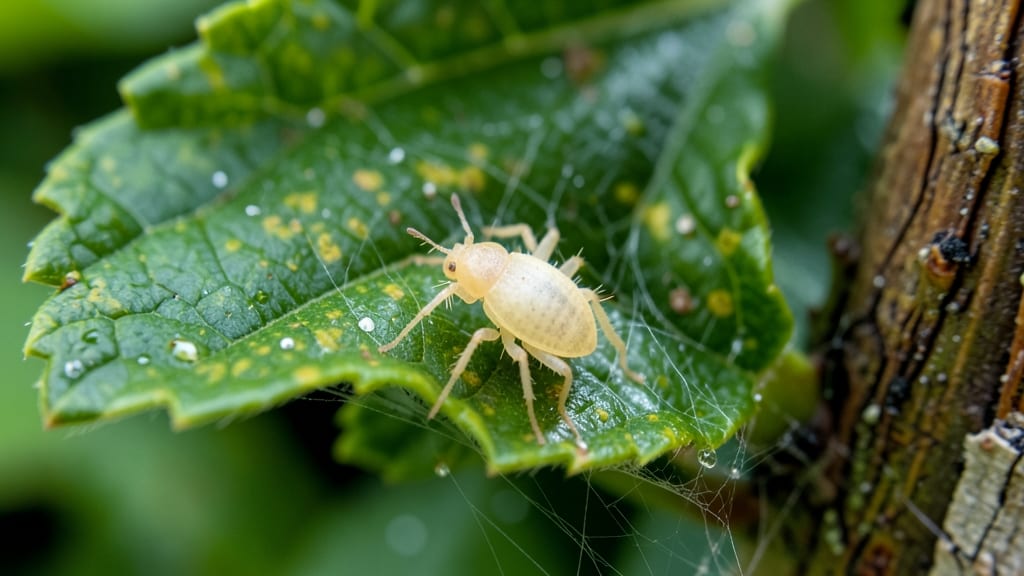
Your hibiscus leaves are turning into a stippled mess, and you're not sure why. 🌿 The hibiscus leaf mite is a sneaky pest that thrives in warm climates, and once it takes hold, it can turn your beautiful blooms into a sad, yellowing mess—unless you act fast.
These tiny mites love the undersides of leaves, where they suck out sap and leave behind a telltale pattern of tiny white dots. If you catch it early, you can save your plant with simple organic sprays and good old-fashioned pruning.
The key is acting before the webs appear—because once that happens, your hibiscus is in real trouble. With the right approach, you’ll see fresh, healthy growth within 2-3 weeks of treatment. The secret is consistency: check your plants weekly, especially after rain or when humidity spikes.
A little effort now keeps your hibiscus thriving for years.
Most people reach for chemical sprays first, but neem oil, insecticidal soap, and even a strong spray of water can knock these pests back—if you’re thorough. I’ve saved multiple hibiscus bushes using just these methods, and your plants can too.
The trick is hitting them when they’re most vulnerable: right after pruning or when they’re still clustered on new growth.
Prevention is easier than cleanup, so focus on keeping your hibiscus happy. Healthy plants resist pests better, and a little extra care—like removing spent blooms and keeping the area around your plant clean—goes a long way. Think of it as an investment in next season’s showstopper flowers.
Root Causes of Tiny Leaf Invaders
If your hibiscus plants are suddenly looking dull, speckled, or covered in a fine webbing, leaf mites are likely the culprits. These microscopic pests thrive under specific conditions, and understanding why they appear is the first step to stopping their spread.
Below, we break down the key factors that create the perfect environment for these tiny troublemakers.
Leaf mites—especially the Tetranychus urticae species—love hot, dry weather. When temperatures rise above 80°F (27°C) and humidity drops below 40%, these pests become more active. Here’s why:
- Faster reproduction: High heat accelerates their life cycle, allowing females to lay 50-100 eggs in just a few days.
- Thicker plant stress: Dry air causes hibiscus leaves to wilt slightly, making them easier for mites to pierce and feed on sap.
- Reduced natural predators: Many mite-eating insects (like ladybugs or predatory mites) struggle in extreme heat, leaving your plants defenseless.
Actionable fix: Increase humidity with mulch or a light misting in the early morning. Avoid overhead watering during peak sun to prevent leaf burn.
Weak hibiscus plants are like an all-you-can-eat buffet for leaf mites. When your plants are nutrient-deficient, overwatered, or root-bound, their weakened defenses make them prime targets. Key triggers include:
| Cause | How It Attracts Mites |
|---|---|
| Nitrogen deficiency | Yellowing leaves (chlorosis) reduce chlorophyll, making plants less resilient to pests. |
| Root rot or compacted soil | Poor root health limits water/nutrient uptake, stressing the plant and signaling mites to feed. |
| Pruning wounds | Fresh cuts release sap, which mites use as a food source and a signal to colonize. |
Actionable fix: Test soil pH (aim for 6.0–6.5) and fertilize with a balanced 10-10-10 formula. Space plants 3–4 feet apart to improve airflow and reduce stress.
Leaf mites don’t act alone—they’re part of a hidden plant ecosystem. When their natural enemies disappear, populations explode. Common disruptors:
- Pesticide overuse: Broad-spectrum chemicals (like neonicotinoids) kill beneficial insects like lacewings, ladybugs, and predatory mites that feast on leaf mites.
- Monoculture gardening: Planting only hibiscus (or similar hosts) starves diverse predators, creating a mite-friendly zone.
- Urbanization: Lawns and sealed gardens reduce habitats for mite-eating insects.
Actionable fix: Introduce companion plants like marigolds or basil to attract predators. Avoid systemic pesticides—opt for neem oil or horticultural oil instead.
💡 Pro Tip: Check the undersides of leaves for tiny predatory mites (like Phytoseiulus persimilis). If you spot them, your plant’s defenses are already at work!
Fixing Tiny Leaf Pests Naturally
Tiny pests like hibiscus leaf mites can turn your vibrant hibiscus into a sad, speckled mess—but don’t panic! With the right approach, you can restore your plant’s health without harsh chemicals.
Below are practical, organic solutions tailored to the root causes of an infestation, plus prevention tips to keep your hibiscus thriving.
Cause: Mites thrive in dry, dusty conditions, leaving behind fine webbing or stippled leaves.
How to Fix It:
- 💦 Increase Humidity – Mites hate moisture. Place a tray of water near your hibiscus or use a humidifier. Mist the leaves daily (especially in dry climates).
- 🧼 Clean Leaves Thoroughly – Wipe leaves with a damp cloth dipped in neem oil soap (1 tsp neem oil + 1 tsp mild soap per quart of water). This smothers mites and disrupts their life cycle.
- 🌬️ Improve Airflow – Prune crowded branches to reduce hiding spots. A fan on low speed can also deter mites by creating movement they dislike.
💡 Pro Tip: Check the undersides of leaves—this is where mites hide! Use a magnifying glass if needed.
Cause: Heavy infestations weaken the plant, causing leaves to yellow, curl, or drop prematurely.
How to Fix It:
- 🔥 Blast Off Mites with Water – Use a strong spray nozzle to blast both sides of leaves. Repeat every 2–3 days until signs disappear.
- 🍳 DIY Neem Oil Spray – Mix 1 tbsp neem oil + 1 tsp dish soap + 1 quart water in a spray bottle. Apply early morning or late evening (avoid direct sunlight). Reapply every 5–7 days for 2–3 weeks.
- 🌿 Introduce Beneficial Predators – Release predatory mites (Phytoseiulus persimilis) or lacewings—nature’s pest control! Available at garden centers.
⚠️ Warning: Test neem oil on a small leaf first—some hibiscus varieties are sensitive.
Cause: Severe cases may involve visible webbing, indicating a large colony.
How to Fix It:
- 🧹 Remove Infested Leaves – Prune heavily affected leaves and dispose of them in a sealed bag (not compost).
- 🔪 Prune & Sterilize Tools – Use rubbing alcohol on pruners to prevent spreading mites to other plants.
- 🌡️ Heat Treatment (For Potted Plants) – Place pots under bright grow lights for 2–3 days to raise leaf temps to 90°F+. Mites can’t survive extreme heat.
🎯 Prevention Tip: After treatment, quarantine new plants for 2 weeks before introducing them to your hibiscus collection.
Stop mites before they start with these easy habits: - 💧 Water Deeply & Consistently – Mites love drought-stressed plants.
Water at the base (not leaves) to avoid moisture buildup that attracts them. - 🌿 Rotate Organic Sprays – Alternate between neem oil, insecticidal soap, and horticultural oil to prevent resistance. - 🍂 Fall Cleanup – Remove all debris (fallen leaves, dead branches) where mites overwinter. - 🌱 Healthy Soil = Strong Plants – Feed hibiscus with balanced fertilizer (high in potassium) to boost resilience.
Final Thought: With patience and consistency, your hibiscus can bounce back! Start with humidity control + neem oil, and monitor closely. If the problem persists after 2–3 weeks, consider professional organic pest control for stubborn cases.
Frequently asked questions
How do I tell if my hibiscus has leaf mites vs. spider mites?
Leaf mites on hibiscus create tiny white dots on leaves (like pepper spray), while spider mites leave yellow stippling and fine webs. Check leaf undersides with a magnifying glass—leaf mites are larger (0.5mm+) and move slower than spider mites. Spider mites also cause more webbing between branches.
Will neem oil kill hibiscus leaf mites completely?
Neem oil disrupts mites' life cycle but rarely eradicates them in one application. For best results, spray every 5-7 days for 2-3 weeks and combine with water blasts. Add 1 tsp dish soap to help the spray stick to leaves. Severe cases may need a second organic treatment like horticultural oil.
Can I use store-bought insecticidal soap on hibiscus?
Yes, but dilute it properly—most commercial sprays are 50% stronger than homemade versions. Mix according to package instructions and test on a small leaf first. Avoid spraying in direct sunlight (can cause leaf burn). Reapply every 3-5 days until mites disappear, then every 2 weeks as prevention.
Why do my hibiscus leaves keep getting mites even after treatment?
Mites often return due to underlying plant stress or reinfestation. Check these common causes: Overcrowded plants (improve airflow), dry soil (water deeply), or new plants nearby (quarantine new additions). Also rotate treatments—mites can build resistance to neem oil if used exclusively.
Are there any chemical-free ways to prevent leaf mites?
Try these preventive measures: Companion planting with marigolds or basil, weekly leaf inspections (especially undersides), and mulching to retain soil moisture. Water at the base early morning (avoids evening humidity that attracts mites). Healthy plants resist pests better!