
Pests and Diseases
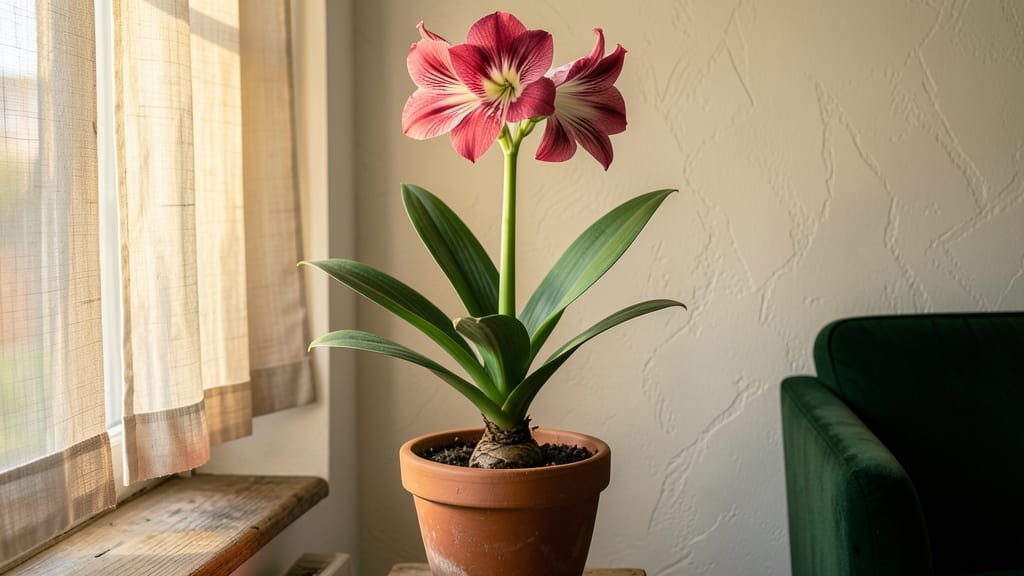
That heart-shaped leaf name is nature’s way of stealing your heart—literally. 🌿 From lush philodendrons to delicate hoyas, these plants bring instant charm to any space, and I’ll help you ID them like a pro.
The key lies in leaf shape, size, and texture: smooth-edged Philodendron hederaceum vs. waxy Hoya kerrii with its tiny heart outline.
You’ll learn to match each plant’s needs—bright indirect light for philodendrons or low light for hoyas—and how to spot common care mistakes (like overwatering, which turns those pretty leaves yellow). Popular varieties like Coleus blumei add bold colors, while Syngonium podophyllum climbs with arrow-shaped leaves that start heart-shaped when young.
By the end, you’ll recognize these plants in nurseries, repot them with confidence, and keep their leaves plump and vibrant. Whether you’re filling a shelf or hanging baskets, these plants thrive in small spaces—and they’re impossible to resist. Let’s get identifying!
Underlying Causes of Leaf Distortion
Heart-shaped leaves—often a sign of stress in plants—can occur due to a mix of biological and environmental factors. While it might seem like a whimsical quirk, these deformities usually point to deeper issues affecting your plant’s health.
Below, we break down the most common culprits and why they trigger this unusual growth pattern.
Plants rely on a balanced diet of macronutrients (nitrogen, phosphorus, potassium) and micronutrients (iron, magnesium, zinc) to grow properly. When one or more of these are missing or overabundant, leaf development can spiral out of control.
- Nitrogen (N) Deficiency: While nitrogen fuels leafy growth, too little can stunt expansion, leading to small, distorted shapes.
However, excess nitrogen (common in over-fertilized soil) can also cause abnormal leaf formation by promoting rapid, uneven cell division. - Actionable fix: Test your soil’s pH (ideal: 6.0–7.0 for most plants) and adjust fertilizer ratios.
Use a balanced 10-10-10 or 20-20-20 formula for general growth, but avoid "green-up" fertilizers high in nitrogen if your plant shows signs of stress.
- Micronutrient Starvation: Zinc and boron are critical for cell wall formation.
A deficiency in these minerals can lead to heart-shaped or cupped leaves, as cells fail to expand symmetrically. - Pro tip 💡: Apply chelated zinc or boron supplements (like Solubor) if your soil is sandy or alkaline (pH >7.0), as these conditions lock out micronutrients.
Insects like aphids, spider mites, and leafhoppers don’t just suck sap—they inject toxins and disrupt plant hormones (like auxins) that regulate growth. When young leaves are attacked, their development can become stunted or misshapen, often resulting in a heart-like appearance.
- Aphids & Scale Insects: These pests cluster on new growth, piercing cells and feeding on sap.
Their saliva contains phytotoxins that interfere with normal cell division, causing leaves to curl or form uneven lobes. - How to spot them: Check undersides of leaves for sticky residue (honeydew) or tiny white/yellow insects. - Solution: Blast them off with water (for aphids) or use neem oil (1 tsp per quart of water) to disrupt their life cycle.
- Spider Mites: These microscopic pests thrive in dry, hot conditions and feed on chlorophyll-rich cells, leading to stippled, distorted leaves.
Their feeding patterns can create a zigzag or heart-shaped deformation as the plant tries (and fails) to compensate. - Prevention: Increase humidity (50–70%) and spray leaves with water daily during outbreaks. Introduce predatory mites (Phytoseiulus persimilis) for biological control.
Plants are sensitive to extreme heat, cold snaps, or rapid temperature fluctuations, which can disrupt enzyme activity and cell elongation.
Heart-shaped leaves often appear when: - Nighttime temperatures drop below 50°F (10°C) while days stay warm (e.g., spring/fall transitions). - Heat stress (above 90°F/32°C) causes protein denaturation, stunting growth and altering leaf shape. - Wind or physical abrasion (e.g., near fans or open windows) can damage emerging leaves, leading to asymmetrical growth.
- Quick fixes:
- Acclimate plants gradually to outdoor conditions (harden off seedlings over 7–10 days).
- Use shade cloth (30–50%) during peak summer hours to protect tender species.
- Mulch heavily to stabilize soil temperature and retain moisture.
Water is the lifeblood of plant growth, but too much or too little can warp leaves into heart shapes. Here’s how:
| Issue | Effect on Leaves | Solution |
|---|---|---|
| Overwatering | Root suffocation → yellowing, cupping | Improve drainage; water only when top 1–2" of soil is dry. |
| Underwatering | Stunted cell expansion → thick, small leaves | Use self-watering pots or drip irrigation for consistency. |
| Splashing Water | Fungal spores (e.g., Alternaria) infect edges → distorted growth | Water at soil level, not overhead. |
| Hard Water Buildup | Excess calcium/magnesium → leaf tip burn | Flush soil with rainwater or use a chelating agent. |
Not all heart-shaped leaves are a sign of distress—some plants naturally produce lobed or rounded leaves (e.g., heuchera, begonia, or certain oak varieties).
However, viral infections (like Tobacco Mosaic Virus) can mimic these traits by: - Altering RNA in plant cells, leading to malformed growth. - Stunting meristem activity (the growth tips), causing leaves to develop in abnormal shapes. - How to confirm: Look for mosaic patterns, stunted stems, or yellow rings on leaves. Isolate infected plants immediately and disinfect tools with 70% rubbing alcohol.
Herbicides, pesticides, or even household chemicals (like bleach fumes) can mimic plant hormones, leading to epinasty (downward curling) or heart-shaped distortions.
Common culprits: - 2,4-D (Weed Killer): Drifts onto non-target plants, causing cupped, deformed leaves. - Copper-based fungicides: Overuse can lead to nutrient lockout, stressing the plant. - Solution: Test soil for residues and switch to organic fungicides (e.g., copper soap alternatives) if needed. Wear gloves when applying chemicals to avoid accidental spray.
Fixing and Preventing Leaf Distress
When your prized plant develops heart-shaped leaf deformities, quick action can save it—whether the issue stems from pests, disease, or environmental stress. Below are practical, step-by-step solutions tailored to the root cause, plus prevention tips to keep your garden thriving.
If tiny bugs (like aphids, mites, or scale) are sucking the life out of your plant’s leaves, act fast to stop further damage.
🔥 Step 1: Identify the Culprit
Hold a magnifying glass near the underside of deformed leaves to spot:
- Sticky residue (honeydew) → Likely aphids or scale.
- Fine webbing → Spider mites.
- Holes or chewed edges → Caterpillars or beetles.
👨🍳 Step 2: Manual Removal (For Small Infestations)
- Handpick large pests (like caterpillars) and drop them in soapy water.
- Wipe leaves with a damp cloth dipped in neem oil (1 tsp per quart of water) to smother soft-bodied pests.
🥘 Step 3: Natural Sprays for Heavy Infestations
Mix one of these in a spray bottle and apply early morning or late evening (avoid direct sunlight):
- Neem oil spray: 1 tbsp neem oil + 1 tsp mild soap + 1 quart water. Reapply every 5–7 days.
- Insecticidal soap: 2 tbsp castile soap + 1 quart water. Test on a small leaf first.
- Garlic spray: Blend 2 garlic cloves + 1 quart water, strain, and add 1 tsp soap. Strong smell repels pests.
⏰ Step 4: Quarantine & Monitor
- Isolate the infected plant for 1–2 weeks to prevent spread.
- Check soil for pests (like fungus gnats) and let the topsoil dry between waterings.
💡 Pro Tip: Introduce beneficial insects like ladybugs or lacewings—they eat pests naturally!
If leaves are yellowing, wilting, or covered in spots, a fungal or bacterial infection may be to blame.
🔪 Step 1: Prune Infected Areas
- Sterilize pruners with rubbing alcohol between cuts.
- Remove all deformed, spotted, or mushy leaves down to healthy tissue.
- Dispose of clippings in the trash (not compost)—don’t let spores spread!
🌿 Step 2: Fungicide or Bacterial Treatment
- For fungus (powdery mildew, rust):
- Spray with baking soda solution (1 tsp baking soda + 1 quart water + a few drops of soap).
- Apply copper fungicide (follow label instructions) for severe cases.
- For bacterial issues (soft rot, leaf spot):
- Use hydrogen peroxide spray (1 tbsp 3% H₂O₂ per quart water). Test on a small area first.
- Avoid overhead watering—water at the base instead.
🎯 Step 3: Improve Airflow & Light
- Space plants 2–3 feet apart to reduce humidity buildup.
- Increase airflow with a small fan (on low) near the plant.
- Ensure 6+ hours of sunlight daily—fungus thrives in damp, shady conditions.
✨ Prevention Tip: Water only in the morning so leaves dry quickly. Mulch around the base to prevent soil splashing onto foliage.
If leaves are cupped, curled, or stunted but no pests/disease are present, environmental factors are likely the culprit.
💧 Watering Woes: Too Much or Too Little
| Problem | Fix | Prevention |
|---|---|---|
| Overwatering (soggy soil, yellow leaves) | Let soil dry 2–3 inches deep between waterings. Use pots with drainage holes. | Use a moisture meter or stick your finger in the soil. |
| Underwatering (brown, crispy edges) | Water deeply until it drains from the bottom. Use a self-watering system if you travel often. | Group plants with similar water needs together. |
☀️ Light & Temperature Shocks
- Too much sun? Move to partial shade (east or north-facing window for indoor plants).
- Too little light? Supplement with a grow light 12–14 hours/day.
- Temperature swings? Keep plants away from drafts, AC vents, or heaters.
🌱 Soil & Nutrient Imbalances
- Compacted or poor soil? Repot with well-draining potting mix (add perlite or vermiculite).
- Nutrient deficiency? Use a balanced fertilizer (10-10-10) every 4–6 weeks in growing season.
- Over-fertilized? Flush soil with water to remove excess salts.
💡 Quick Fix: If leaves are purple or red, it’s a phosphorus deficiency—feed with a bone meal or fish emulsion.
To keep your plant’s leaves lush and healthy, follow this monthly maintenance routine: ✅ Inspect leaves weekly for early signs of pests or disease. ✅ Rotate pots every few weeks for even sunlight exposure. ✅ Clean leaves with a damp cloth to remove dust (helps with photosynthesis). ✅ Avoid wetting foliage when watering—always direct water to the soil. ✅ Quarantine new plants for 2–4 weeks before introducing them to your garden.
Final Note: Most leaf issues are fixable with the right care! Start with the cause-specific solution above, then adjust based on your plant’s response. 🌿💚
Frequently asked questions
What are the most common plants with heart-shaped leaves?
Popular varieties include Philodendron hederaceum (heartleaf philodendron), Hoya kerrii (sweetheart hoya), and Syngonium podophyllum (arrowhead plant). These plants are prized for their distinctive foliage and adaptability to indoor growing conditions.
How do I tell if my plant's heart-shaped leaves are natural or a sign of stress?
Natural heart-shaped leaves are symmetrical and grow uniformly. Stress-related leaves may appear irregular, yellowed, or accompanied by other symptoms like spots or curling. Check for pests, watering issues, or nutrient deficiencies if the shape seems abnormal.
Can I propagate plants with heart-shaped leaves?
Yes! Many heart-leafed plants like philodendrons and hoyas can be propagated through stem cuttings. Use sharp scissors to cut just below a node, remove lower leaves, and place in water or moist potting mix. Keep in bright, indirect light until roots develop (2-4 weeks).
What's the best light condition for heart-leafed plants?
Most prefer bright, indirect light (like an east-facing window). Too much direct sun can scorch leaves, while low light may cause leggy growth. For indoor plants, supplement with a grow light if natural light is insufficient. Rotate pots occasionally for even growth.
Why are my heart-shaped leaves turning yellow?
Yellowing often indicates overwatering or nutrient deficiencies. Let the top 1-2 inches of soil dry between waterings, and test your soil's pH. If the issue persists, consider a balanced fertilizer (like 10-10-10) to restore nutrients. Check for root rot if yellowing spreads.