
Pests and Diseases
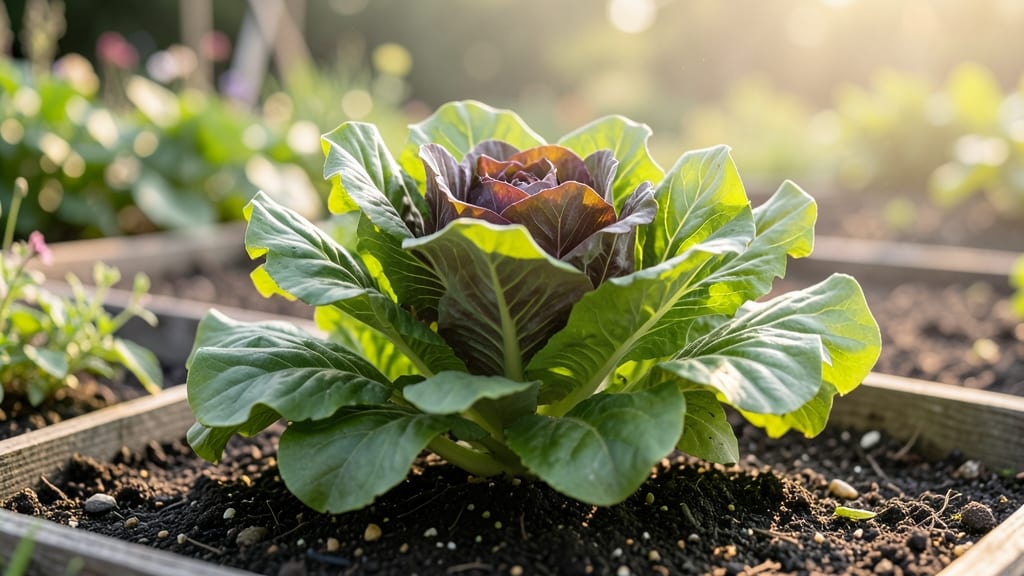
Growing big leaf lettuce means crisp stems and buttery leaves all season long—no more sad, wilted grocery store greens. 🌱 I’ve learned the hard way that the right soil, spacing, and shade tricks keep lettuce thriving even in summer heat.
Start with loose, well-draining soil mixed with compost—lettuce hates compacted roots. Plant seeds ¼ inch deep or transplants 12 inches apart in rows. For containers, use 6-inch pots and keep them in partial shade during peak afternoon sun. You’ll harvest the outer leaves first, encouraging regrowth for weeks.
Just watch for slugs and aphids—they love tender lettuce. A quick spray of soapy water keeps them away without chemicals. This method works for buttercrunch, romaine, and even loose-leaf varieties. Perfect for small spaces, balconies, or full gardens. Let’s get those seeds in the ground!
📚 In This Guide
- What you need
- Instructions
- Tips and common mistakes
- Wrapping up and next steps
What you need
- ● Big Leaf Lettuce Seeds: Choose varieties like Romaine, Buttercrunch, or Bibb (3–5 seed packets for a full harvest).
- ● Containers or Garden Bed: For containers: 6–12-inch deep pots (1–2 plants per pot) or raised beds (12–18 inches deep).
- ● For in-ground planting: Well-draining soil with partial shade (especially in hot climates).
- ● Potting Mix: High-quality, organic, seed-starting mix (10–20 lbs, depending on container size).
- ● Compost or Fertilizer: Balanced organic fertilizer (e.g., 5-5-5) or compost (1 cup per plant at planting).
- ● Watering Can or Hose: With a gentle spray nozzle to avoid damaging tender leaves.
- ● Row Covers or Shade Cloth: 30–50% shade cloth (for hot climates) or lightweight row covers (to deter pests).
- ● Garden Trowel or Transplanter: For planting seeds or seedlings.
- ● Pruners or Scissors: For harvesting outer leaves without damaging the core.
- ○ Gloves (Optional): To protect hands from soil or prickly stems.
- ○ pH Test Kit (Optional): To ensure soil pH is between 6.0–7.0 (ideal for lettuce).
- ● Sunlight: 3–6 hours of partial sun daily (morning sun is best).
- ● Temperature: Ideal germination range: 45–75°F (avoid planting when temps exceed 80°F).
- ● Consistent Moisture: Keep soil evenly moist (not soggy) to prevent bolting.
- ● Spacing: Sow seeds ½ inch apart, thin to 12–18 inches apart when seedlings emerge.
Step-by-step instructions for growing big leaf lettuce
Here's how to grow big, crisp lettuce leaves that stay sweet and sturdy—no bitter surprises.
🌱 Step 1: Start Seeds Indoors or Choose Transplants
Big leaf lettuce thrives when started indoors 4-6 weeks before your last frost date. Use biodegradable seed pots (2-3 inches deep) filled with seed-starting mix—never garden soil, which compacts too easily. Plant seeds ¼ inch deep, spacing them ½ inch apart in each pot. Gently press them into the soil, then mist with water until the surface looks damp but not soggy.
If you prefer transplants, choose varieties labeled "big leaf" or "romaine-type" from a nursery. Look for sturdy seedlings with 3-4 true leaves and no yellowing. Handle them carefully—lettuce roots are delicate and bruise easily. Plant them in the garden when soil temperatures reach 45°F or warmer to prevent rot.
🪴 Step 2: Prepare the Garden Bed for Planting
Lettuce loves rich, well-draining soil with a pH between 6.0 and 7.0. Work in 2-3 inches of compost or aged manure into the top 6 inches of soil to loosen it and improve fertility. Avoid fresh manure—it can scorch tender lettuce roots. Rake the bed smooth and create shallow 1-inch-deep furrows spaced 12 inches apart for rows.
For container growing, use pots at least 6 inches deep with drainage holes. Fill with a mix of 50% potting soil and 50% perlite to prevent compaction. Place containers in a spot where they’ll get 4-6 hours of sunlight daily—lettuce tolerates partial shade better than full sun in hot climates.
☀️ Step 3: Plant and Water for Optimal Growth
Transplant seedlings or sow seeds in the prepared furrows, spacing them 8-12 inches apart in rows. Cover lightly with soil and pat down gently to remove air pockets. Water immediately after planting with a gentle spray to settle the soil around the roots. Keep the soil consistently moist—lettuce roots are shallow, so they dry out quickly.
Here’s the thing—overhead watering can spread disease, so use a drip irrigation system or water at the base of plants. Aim for 1 inch of water per week, adjusting for rain. You’ll know you’re doing it right when the soil feels damp 1 inch below the surface but never waterlogged. Mulch with 1 inch of straw to retain moisture and keep weeds at bay.
🌿 Step 4: Maintain for Crisp, Sweet Leaves
Lettuce grows best in cool weather (ideal temperatures: 55-75°F). If summer heat arrives, provide afternoon shade to prevent bolting (when lettuce goes to seed prematurely). Harvest outer leaves when they reach 4-6 inches tall, cutting just above the soil line. This encourages continuous regrowth and keeps the plant producing for weeks.
Fertilize lightly every 3-4 weeks with a balanced, water-soluble fertilizer (like 10-10-10) diluted to half strength. Too much nitrogen makes leaves soft and prone to rot. Watch for pests like aphids or slugs—handpick aphids in the morning or set out beer traps for slugs. Aphids love the tender new growth, so check the undersides of leaves regularly.
⏰ Step 5: Harvest and Extend the Season
For year-round harvests, succession plant every 2-3 weeks until 6 weeks before your first frost. In warm climates, use shade cloth to protect plants during hot months. In cold regions, grow lettuce in fall or spring and use row covers to extend the season. Harvest in the morning when leaves are crispest and most flavorful.
To harvest a whole head, cut the stem ½ inch above the base with a sharp knife. For baby leaves, snip individual leaves when they’re 3-4 inches tall. Rinse lettuce gently under cool water and pat dry with a salad spinner or clean towel. Store in a plastic bag with a paper towel in the fridge for up to 5-7 days—this keeps them crisp longer than leaving them uncovered.
Tips & tricks for growing big leaf lettuce
Took me a while to figure these out, so here are the game-changers for growing big, crisp lettuce leaves all year.
Seed Starting Secret: When starting seeds indoors, place your biodegradable seed pots on a heating mat set to 70°F to speed up germination. This can cut your 4-6 week indoor growing time by 1-2 weeks—just make sure your seed-starting mix stays consistently moist. I learned this the hard way after waiting two extra weeks for stubborn seeds to sprout!
Soil Temperature Matters: The 45°F soil temperature threshold for transplanting is non-negotiable—colder soil can cause rot. Use a soil thermometer to check temperatures, especially in spring or fall. If your soil is still chilly, wait it out or use black plastic mulch to warm it faster. Trust me, this simple check prevents weeks of disappointment.
Watering Wisdom: For the 1 inch of water per week guideline, I recommend splitting it into two sessions: ½ inch in the morning and ½ inch in the evening. This mimics natural rainfall patterns and prevents fungal diseases that thrive in constantly wet soil. A moisture meter helps track that 1 inch below the surface dampness—it's your best friend for avoiding both underwatering and soggy roots.
Harvesting Hack: When harvesting outer leaves at 4-6 inches tall, leave at least 2 inches of growth attached to the base. This ensures the plant keeps producing crisp leaves for weeks. I've seen gardeners cut too aggressively and watch their lettuce bolt within days. The key is patience—harvesting just the outer leaves lets the center keep growing.
Pro Tips for Big Leaf Lettuce
- Took me a while to figure these out, so here are the game-changers for growing big, crisp lettuce leaves all year.
- Seed Starting Secret: When starting seeds indoors, place your biodegradable seed pots on a heating mat set to 70°F to speed up germination.
- Soil Temperature Matters: The 45°F soil temperature threshold for transplanting is non-negotiable—colder soil can cause rot.
Frequently asked questions
How do I prevent pests like aphids or slugs from destroying my big leaf lettuce?
Use row covers early in the season to block flying insects, and handpick slugs at night with a flashlight. For aphids, spray a soapy water mix (1 tsp mild soap per quart of water) or introduce ladybugs as natural predators. Mulch with straw to deter slugs and keep soil moist without inviting pests.
When is the best time to harvest big leaf lettuce for maximum crispness?
Harvest outer leaves when they’re 6–8 inches tall, leaving the inner leaves to regrow. For cut-and-come-again varieties, trim leaves 1–2 inches above the base. Morning harvests yield the crispest stems—avoid cutting during hot afternoons to prevent wilting. Use sharp scissors to avoid damaging the plant.
Can I grow big leaf lettuce in containers, or does it need a garden bed?
Yes! Big leaf lettuce thrives in 5–10 gallon containers with drainage holes. Use a lightweight potting mix and place pots in full sun to partial shade. For year-round growth, move containers indoors near a sunny window or under grow lights in winter. Just ensure they’re at least 6 inches deep to accommodate roots.
Why does my big leaf lettuce turn bitter or bolt prematurely?
Bitterness or bolting (sending up a flower stalk) often happens due to heat stress or long daylight hours. To delay bolting, plant heat-tolerant varieties like ‘Jericho’ or ‘Black Seeded Simpson’ and use shade cloth (30–50%) in summer. Keep soil consistently moist and avoid letting plants dry out—stress triggers bolting.
What are the healthiest ways to store harvested big leaf lettuce?
Store lettuce in a sealed container with a paper towel to absorb moisture, and refrigerate at 32–35°F. For longer shelf life, rinse leaves just before eating (not before storage) to prevent sogginess. Trim stems and wrap loosely in plastic wrap for up to 10 days of freshness. Avoid washing until ready to use!
Wrapping up and next steps
Big leaf lettuce is a rewarding crop—crisp, flavorful, and perfect for year-round growing with the right care! 🌱 Whether you're battling downy mildew, aphids, or slugs, proactive pest and disease management keeps your harvest thriving.
Start with healthy seedlings, rotate crops, and stay vigilant with organic solutions to protect your garden.
Ready to level up your lettuce game? Try planting a small test batch this week—experiment with companion plants like radishes or chives to deter pests naturally. Happy growing, and may your stems stay crisp and your harvests be bountiful! 🌿