
Vegetables
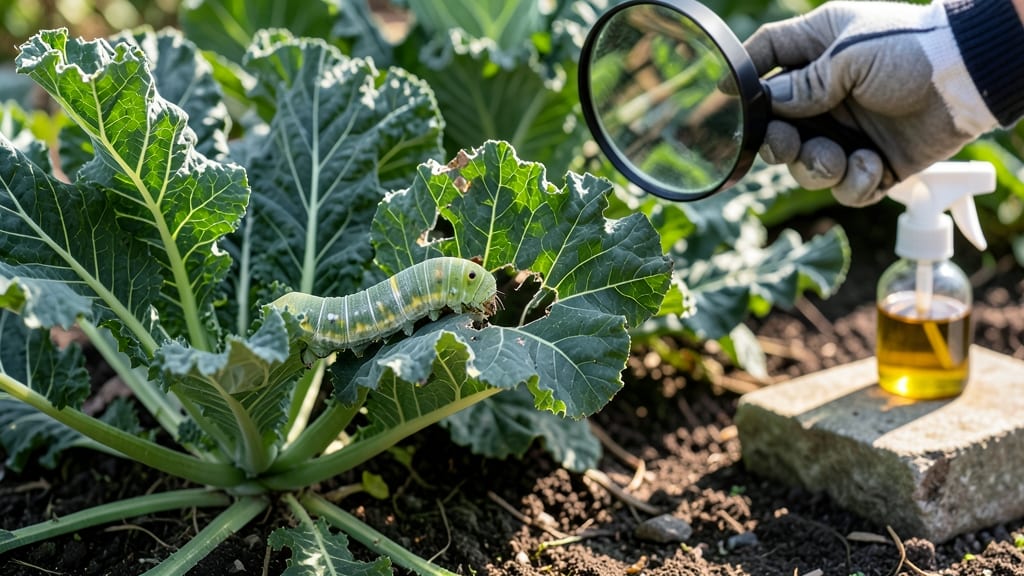
Finding your tomato plants suddenly skeletonized overnight? 🌱 Those green leaf eaters—like tomato hornworms or cabbage loopers—can strip a garden bare in days if you don’t act fast. I’ve lost entire rows to them, but I’ve also learned which copper-free, fast-acting fixes actually work (and which don’t).
The damage is unmistakable: chewed leaves, frass (tiny black pellets), and plants that look like lace. Common culprits include tomato hornworms (with their green bodies and white stripes) and cabbage loopers (small green caterpillars that curl up when threatened).
The key to stopping them? Handpicking at dusk (they’re most active then) or using Bacillus thuringiensis (Bt), an organic spray that kills them within hours without harming beneficial insects.
Within 24 hours of treatment, you’ll see the feeding slow down—and within a week, your plants can bounce back with new growth. The trick is acting before they’ve hollowed out entire leaves. Row covers and companion plants like basil or marigolds also help deter them long-term.
This works for tomatoes, peppers, cabbage, and even herbs like dill or parsley. Let’s get those plants back to thriving before the pests win.
Root Causes Of Fungal Leaf Spots
Fungal leaf spots—like the dreaded green leaf eater—don’t just appear out of nowhere. They’re usually the result of a perfect storm of conditions that give fungi the upper hand.
Understanding these triggers helps you stop the problem before it spreads. Here’s why your plants develop these unsightly spots in the first place.
Fungal spores love moisture, and excessive leaf wetness is their golden ticket. When water droplets linger on leaves—especially in warm, humid conditions—they create the ideal breeding ground for pathogens like Alternaria or Septoria.
Even worse, poor drainage in soil keeps roots waterlogged, weakening plants and making them more susceptible to infection.
Why it happens:
- Splashback: Water droplets from overhead irrigation or rain splash spores from soil onto leaves.
- Stagnant moisture: Fungal hyphae thrive in damp environments, spreading rapidly when leaves stay wet for more than 6–12 hours.
- Compacted soil: Roots suffocate in waterlogged conditions, stressing plants and lowering their resistance.
Actionable fix: Water at the base of plants in the morning (so leaves dry by evening) and improve soil drainage with compost or raised beds.
Fungi are opportunistic—some species, like Cercospora, flourish in hot, humid weather (75–85°F / 24–29°C), while others, like Botrytis, prefer cooler, damp conditions. When temperatures swing wildly or humidity stays consistently high (above 70%), fungal spores germinate and spread faster than your plants can defend themselves.
Why it happens:
- Heat stress: High temps weaken plant cell walls, making them easier targets for fungal penetration.
- Condensation traps: Greenhouses or dense foliage create microclimates where moisture lingers, even if the air seems dry.
- Slow drying: Cool nights followed by warm days prevent leaves from drying properly, extending the fungal "window" of opportunity.
Actionable fix: Use shade cloth in peak heat, space plants for airflow, and avoid watering late in the day to reduce humidity spikes.
A plant under stress—whether from nutrient deficiencies, over-fertilization, or physical damage—has a harder time fending off fungal invaders. For example, low nitrogen weakens leaf structure, while excess phosphorus can promote fungal growth by altering plant chemistry.
Why it happens:
- Deficiency signs: Yellowing leaves (nitrogen), purple stems (phosphorus), or weak growth (potassium) signal a compromised immune system.
- Salt buildup: Over-fertilization or poor-quality water stresses roots, making plants more vulnerable.
- Physical trauma: Hail, pests (like aphids), or rough handling create entry points for spores.
Actionable fix: Conduct a soil test, balance fertilizers (avoid high-phosphorus blends), and prune damaged leaves immediately to prevent spread.
Fungal spores are tiny but tenacious. Pruners, gloves, or even your hands can transfer pathogens from infected plants to healthy ones. If you’re reusing tools or moving plants without cleaning them, you’re basically giving fungi a free ride to your entire garden.
Why it happens:
- Tool transfer: Spores cling to blades and spread when you prune or harvest.
- Shared soil/compost: Reusing infected compost or potting mix introduces pathogens to new plants.
- Wind/water spread: Spores hitchhike on breeze or irrigation systems to nearby foliage.
Actionable fix: Sterilize tools with 70% isopropyl alcohol or a bleach solution (1 part bleach to 9 parts water) between uses. Quarantine new plants for 2 weeks and avoid working with wet leaves.
Next up: How to identify the specific type of fungal spot plaguing your plants—and what to do about it.
Quick Fixes for Fungal Spots
Fungal spots on your leafy greens can feel like a nightmare, but the good news is that most cases can be turned around in 24 hours with the right moves.
Below, we’ll break down cause-specific fixes, so you can tackle the problem head-on—whether it’s excess moisture, poor airflow, or nutrient imbalance. Plus, we’ll share prevention tips to keep your greens spot-free long-term.
If your plants are sopping wet from overwatering, rain, or high humidity, fungal spores thrive like all-you-can-eat buffets. Act now to stop the spread:
🔥 Step 1: Trim the Damage
- Snip off yellowing or spotted leaves immediately—don’t wait! Fungal spots spread faster than gossip at a farmers' market.
- Use sterilized scissors (wipe with rubbing alcohol) to avoid cross-contamination.
🍳 Step 2: Boost Airflow
- Space plants wider (at least 6–12 inches apart) to let air circulate.
- If growing in containers, thin out crowded foliage—think of it like giving your greens a breath of fresh air.
- Fan it out! Place a small oscillating fan (on low) near your plants for 10–15 minutes daily. Yes, really! This dries leaves faster and deters fungi.
👨🍳 Step 3: Adjust Watering Habits
- Water in the morning (never at night) so leaves dry by sunset.
- Avoid overhead watering—use a drip irrigation system or water at the base instead.
- Check soil moisture before watering: Stick your finger 1 inch deep—if it’s damp, wait another day.
💡 Pro Tip:
🌡️ Morning dew? Wipe leaves with a damp (not soaking) cloth to remove moisture without harming them.
Stagnant air = fungal party. If your greens are cramped in a greenhouse, dense container, or shaded spot, spores have a field day.
✨ Step 1: Rearrange Your Garden
- Move plants to a sunnier, breezier spot (but avoid scorching afternoon sun).
- If indoors, open windows or use a small exhaust fan to improve airflow.
🔪 Step 2: Prune for Light & Air
- Remove lower leaves that brush against wet soil or mulch.
- Prop up plants with stakes or small cages to keep them upright.
🎯 Prevention Move:
✨ Rotate crops yearly—don’t plant greens in the same spot where fungal issues popped up before.
Fungal spots love stressed plants. If your greens are yellowing, stunted, or wilty, they’re vulnerable.
📊 Step 1: Test Your Soil
- Grab a DIY soil test kit (or send a sample to your local extension office).
- Look for low nitrogen, phosphorus, or potassium—these weaken plant defenses.
💪 Step 2: Feed Smart
- Add compost or worm castings (1 cup per plant) for slow-release nutrients.
- Avoid synthetic fertilizers—they can burn roots and stress plants further.
- Foliar feed with a seaweed or fish emulsion spray (diluted) to boost immunity.
🥗 Prevention Tip:
🌱 Mulch lightly (straw or shredded leaves) to retain moisture without suffocating roots.
If spots are already spreading, natural remedies can stop them in their tracks:
| Remedy | How to Use | Frequency |
|---|---|---|
| Baking Soda Spray | Mix 1 tsp baking soda + 1 quart water + few drops of dish soap. Spray leaves. | Every 3–4 days |
| Neem Oil | Mix 1 tbsp neem oil + 1 tsp mild soap + 1 quart water. Spray at dusk. | Weekly (rotate) |
| Hydrogen Peroxide | 1 tbsp 3% H₂O₂ + 1 quart water. Spray leaves (test a small area first). | Every 5–7 days |
| Copper-Free Fungicide | Use potassium bicarbonate spray (follow label). | As needed |
⚠️ Warning: Always test sprays on a few leaves first—some plants (like spinach) are sensitive.
- ✅ Rotate crops—don’t plant greens in the same bed two years in a row.
- ✅ Clean up debris—remove fallen leaves and weeds where spores hide.
- ✅ Sterilize tools—wipe pruners with rubbing alcohol between uses.
- ✅ Choose resistant varieties—look for fungal-resistant lettuce or kale at nurseries.
- ✅ Harvest regularly—overcrowded plants = fungal hotspots.
Final Thought: Fungal spots don’t stand a chance when you act fast, improve airflow, and keep plants healthy. Try one fix today—your greens will thank you with spotless, crisp leaves in no time! 🌿💚
Frequently asked questions
What are the most common green leaf-eating pests in my garden?
The top culprits are tomato hornworms (green with white stripes), cabbage loopers (small green caterpillars), and armyworms (striped, fast-moving). Look for chewed leaves, frass (tiny black pellets), or curled foliage. These pests can defoliate plants in 24-48 hours if left unchecked.
How do I tell if my plants are being eaten by caterpillars vs. beetles?
Caterpillars (like loopers or hornworms) leave irregular chew marks and often hide on the undersides of leaves. Beetles (e.g., flea beetles) create tiny holes along leaf edges. Check for frass (droppings) near the damage—caterpillars leave more visible signs.
Will handpicking really make a difference against these pests?
Handpicking at dusk (when they’re most active) removes adults before they lay eggs. Drop them in soapy water to prevent reinfestation. For large infestations, repeat daily for 3-5 days—it’s labor-intensive but chemical-free.
Can I use neem oil on edible plants like tomatoes or peppers?
Yes, but use it at dusk to avoid harming bees. Mix 1 tbsp neem oil + 1 tsp mild soap + 1 quart water and spray directly on pests. Reapply every 5-7 days or after rain. Always test a small leaf first for sensitivity.
What’s the fastest way to stop an outbreak before it spreads?
Combine handpicking (remove adults/larvae) with Bacillus thuringiensis (Bt) spray (kills caterpillars in 24 hours). For immediate relief, wrap plants in lightweight row covers to block pests entirely. Act within 48 hours to save your plants!