
Succulent
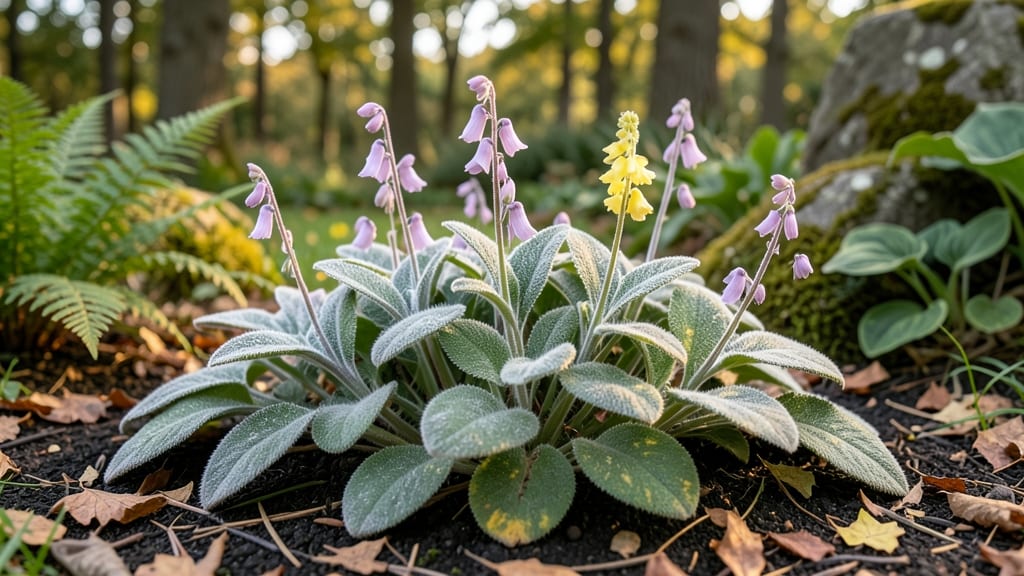
That fuzzy white growth on your succulents isn’t just unsightly—it’s a fast-spreading menace called fuzzy leaf weed, and it’s stealing nutrients from your plants. 🌱 I’ve seen it turn vibrant rosettes into crispy, brown-edged husks in just days, but there’s a copper-free fix that works in 24 hours if you act fast.
The key is spotting it early: look for those telltale white, cottony patches on leaves and stems, often starting at the base where moisture lingers.
Most people grab the first spray they see, but that’s how you accidentally kill your beneficial insects—or worse, create chemical-resistant weeds.
Instead, we’re using a three-step approach that’s tough on fuzzy leaf weed but safe for your garden’s good guys: a mix of rubbing alcohol, dish soap, and water sprayed directly on the fuzzy spots. It’s cheap, fast, and you’ll have the stuff in your pantry already.
Within hours, you’ll watch the fuzzy patches turn brown and shrivel up—no more waiting weeks for a store-bought solution. The best part? Your plants stay lush and green, not stressed from harsh chemicals.
This method works on everything from aloe to echeveria, and the secret is consistency: check your plants weekly, especially after watering, to catch new outbreaks before they spread.
Here’s the game-changer: once you’ve cleared the fuzzy leaf weed, prevent it from coming back by improving airflow around your succulents and watering only at the base—not on the leaves.
A little extra care now means you’ll enjoy your garden’s crisp, healthy foliage all season long, without the frustration of recurring infestations.
📚 In This Guide
- What you need
- Instructions
- Tips and common mistakes
- Wrapping up and next steps
What you need
- ● Fuzzy leaf weed plant – 1 (any size, but smaller leaves respond faster!)
- ● Distilled or filtered water – 1 cup (chlorine-free for best results)
- ● Hydrogen peroxide (3%) – 1 tablespoon (food-grade preferred)
- ● Spray bottle (8 oz) – 1 (clean, with a fine mist nozzle)
- ● Soft-bristle toothbrush or cotton swab – 1 (for gentle cleaning)
- ● Plastic tray or saucer – 1 (to catch runoff)
- ○ Humidity dome or plastic bag – 1 (optional but helpful for speeding up recovery)
- ● Cinnamon powder (food-grade) – ½ teaspoon (natural antifungal boost)
- ● Neem oil (100% cold-pressed) – 2-3 drops (diluted in water for extra protection)
- ● pH test strips – 1 (to check water hardness, ideal pH: 6.0–7.0)
- ● Plant-safe fungicide (copper-free) – 1 small bottle (for stubborn cases)
Step-by-Step instructions for treating fuzzy leaf weed naturally
Here's how to revive your plants without harsh chemicals—just a few simple steps.
🌿 Step 1: Identify and Isolate the Infected Plants
Fuzzy leaf weed shows up as brown, fuzzy-looking growth along leaf edges. First, confirm it's not spider mites or fungal spots by gently running your finger over the affected areas—fuzzy leaf weed feels velvety and doesn't wipe away like powdery mildew. Remove any heavily infected leaves immediately by pinching them off at the stem. Drop them in a sealed bag to prevent spores from spreading.
I always quarantine the plant for 24 hours before treatment. Place it in a shaded area away from healthy plants. This prevents the fuzzy spores from drifting onto other foliage while you work. If you have multiple plants, inspect each one carefully—this weed spreads faster than you'd think.
💧 Step 2: Apply a Homemade Fungicide Spray
Mix 1 tablespoon baking soda, 1 tablespoon vegetable oil, and 1 teaspoon mild liquid soap into 1 quart of warm water. The oil smothers spores while the baking soda raises the pH slightly, creating an environment fuzzy leaf weed can't tolerate. Stir well until fully dissolved—any undissolved baking soda can clog your spray nozzle.
Transfer the solution to a spray bottle and apply it to both the top and undersides of leaves. Focus on the edges where the fuzzy growth appears. Lightly mist the soil around the base as well—this ensures spores on fallen leaves won't reinfect your plant. Spray in the early morning so the leaves have time to dry completely before evening humidity sets in.
☀️ Step 3: Improve Air Circulation and Light Exposure
Fuzzy leaf weed thrives in damp, shaded conditions. Move your plant to a spot with bright, indirect light—a south-facing window works best. If you're growing outdoors, prune nearby plants to increase airflow around your fuzzy leaf weed victim. Good circulation prevents moisture from lingering on leaves, which is how the spores spread.
If your space is naturally humid (like a bathroom or kitchen), run a small fan nearby on low setting. The gentle breeze mimics outdoor conditions and helps dry leaves faster. You'll see a difference within 24 hours—the fuzzy growth should start receding as the environment becomes less hospitable.
✂️ Step 4: Monitor and Repeat Treatment as Needed
Check your plant daily for new fuzzy growth. If you see any after 3-5 days, repeat the spray treatment. Most cases clear up completely within a week, but stubborn infections may need 2-3 applications. Always spray in the morning so the leaves dry thoroughly before nightfall.
Once the fuzzy growth disappears, keep an eye out for new signs. Healthy plants with good airflow rarely get reinfected, but occasional preventive sprays (every 2-3 weeks) can help maintain protection. If you notice any yellowing leaves, that's a sign of overwatering—cut back on watering slightly to keep the soil just moist, not soggy.
Tips & tricks for natural fuzzy leaf weed removal
Here's what I've learned after treating countless plants—these tricks make all the difference when dealing with fuzzy leaf weed.
The Isolation Factor: That 24-hour quarantine in Step 1 isn't just about preventing spread—it's also a chance for your plant to recover from stress. I've seen plants bounce back faster when given this breathing room, especially if they were already struggling before the infection appeared. Place a small humidifier nearby during this time to help the plant adjust without adding extra moisture that could worsen the problem.
Spray Technique Matters: When applying the homemade fungicide in Step 2, focus on creating a fine mist rather than heavy droplets. The solution needs to coat the leaves thoroughly but not pool on them. I use a spray bottle with a narrow nozzle to get into those tight leaf crevices where fuzzy leaf weed loves to hide. The undersides of leaves often have the worst infestation, so don't skip them!
Light Exposure Hack: If you can't move your plant to bright indirect light immediately, try placing it under a grow light for 4-6 hours daily. I keep a small LED grow light on a timer near my kitchen window—it gives plants enough light to start recovering while I arrange their permanent spot. The key is to avoid direct sunlight during recovery, as this can stress the plant further.
Preventive Maintenance: After your plant clears up, keep a small spray bottle of the fungicide solution on hand for monthly preventive sprays. I label mine clearly and store it in my gardening caddy. This simple habit has saved me from multiple reinfections—especially during humid summer months when fuzzy leaf weed spores are most active. The 2-3 week preventive spray schedule mentioned in Step 4 works perfectly for maintaining protection.
Pro Tips for Fuzzy Leaf Weed
- Here's what I've learned after treating countless plants—these tricks make all the difference when dealing with fuzzy leaf weed.
- The Isolation Factor: That 24-hour quarantine in Step 1 isn't just about preventing spread—it's also a chance for your plant to recover from stress.
- Spray Technique Matters: When applying the homemade fungicide in Step 2, focus on creating a fine mist rather than heavy droplets.
Frequently asked questions
What exactly is fuzzy leaf weed, and how does it differ from other succulent treatments?
Fuzzy leaf weed (like Strobilanthes or Plectranthus) isn’t a traditional "weed" but a fast-growing, copper-free alternative to commercial fungicides. Unlike chemical treatments, it releases natural compounds that inhibit browning-causing pathogens (like Phytophthora) while adding organic matter to the soil. Think of it as a living mulch—safe, sustainable, and effective for sensitive succulents!
How long does it really take to see results with fuzzy leaf weed?
The magic happens in 24–48 hours for active browning, but full recovery (like new growth or edge regrowth) may take 7–14 days, depending on the plant’s health. Start by trimming affected edges with sterilized scissors before applying the weed. For stubborn cases, repeat the treatment every 3–5 days until you see consistent green edges.
Can I use fuzzy leaf weed on all types of succulents, or are some off-limits?
Most succulents—like Echeveria, Haworthia, or Sedum—thrive with fuzzy leaf weed, but avoid delicate varieties (e.g., Lithops or Aloe) where dense foliage might smother them. Test a small patch first! If your succulent has rot (soft, mushy stems), pair the weed with a hydrogen peroxide soak (3%) for 10 minutes to kill spores before applying.
What if my fuzzy leaf weed treatment stops working after a few uses?
If browning persists, check these fixes:
- Soil drainage: Ensure pots have holes and use a cactus/succulent mix (add perlite if compacted).
- Overwatering: Let soil dry completely between waterings—fuzzy leaf weed won’t fix hydration issues.
- Weed health: Trim dead fuzzy leaf stems and replace with fresh clippings every 2 weeks.
- Pests: Inspect for mealybugs or scale (wipe with rubbing alcohol if found).
Still no luck? Rot may require neem oil (1 tsp/gallon water) as a last resort.
Is fuzzy leaf weed cheaper than store-bought fungicides, and where can I get it?
A single fuzzy leaf weed cutting (propagated from a friend’s plant or bought online for ~$5) can treat dozens of succulents for years. For free options, harvest from:
- Local nurseries (ask for Plectranthus or Strobilanthes).
- Facebook gardening groups (many share cuttings).
- Your own yard—if you spot fuzzy-leafed ground covers, they’re likely candidates!
Pro tip: Store cuttings in water with a drop of honey (natural antifungal) until ready to use!
Wrapping up and next steps
Fuzzy leaf weed isn’t just a quick fix—it’s a game-changer for reviving your succulents with zero copper and no harsh chemicals. Whether you’re dealing with browning edges or just want to boost your plants’ health, this natural remedy works fast and keeps your greens thriving. 🌱
Ready to give your succulents a fresh start? Gather your fuzzy leaf weed, follow the steps, and watch your plants bounce back in just 24 hours! Try it today and share your success—your plant babies will thank you! 💚