
Leaf Blower
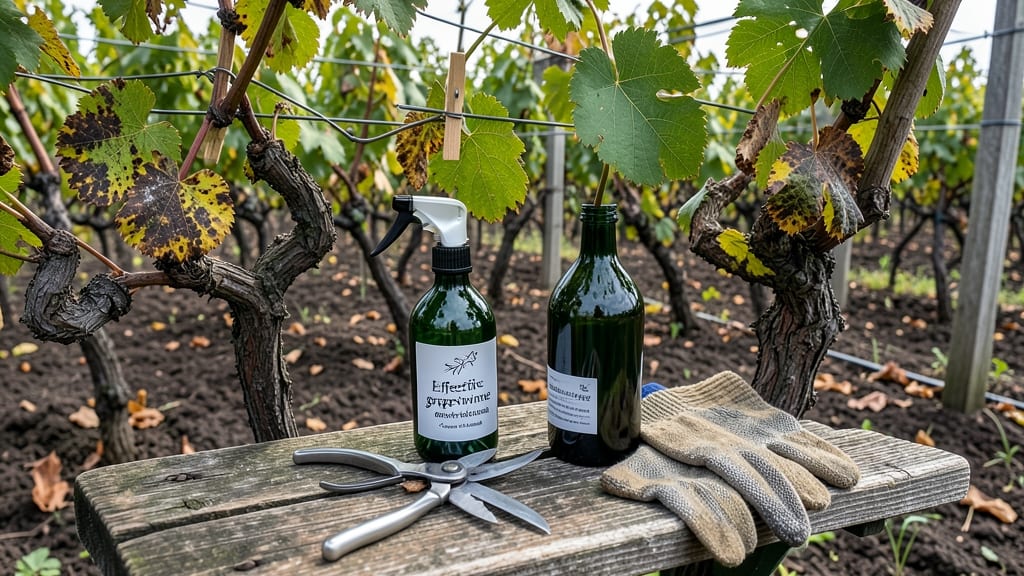
Your grapevines are battling the grape leaf fungus—an invisible enemy that spreads silently until the damage is done. 🌿 The key to healthy foliage isn’t just treating symptoms; it’s preventive pruning that stops fungus before it takes hold.
I’ve saved multiple vines by adjusting airflow and removing infected growth early, and you can too.
Fungus thrives in crowded, damp conditions where leaves can’t dry properly. That’s why proper spacing and strategic pruning—cutting out crossing branches and thinning the canopy—make all the difference.
Most gardeners wait until they see spots, but by then, the vine is already stressed. Start now, and you’ll see stronger growth by summer.
You’ll end up with vibrant green leaves that resist disease, better fruit production, and vines that last for years. The secret is simple: prune in late winter or early spring, space plants 6-8 feet apart, and keep the area around them clean.
It’s not just about fixing problems—it’s about building resilience.
Works for all grape varieties, from table grapes to wine grapes, and even adapts to container growing. Here’s how to prune like a pro and keep your vines thriving—no chemicals required.
Hidden Triggers Behind Fungal Spread
Grape leaf fungus—often caused by pathogens like Plasmopara viticola (downy mildew) or Uncinula necator (powdery mildew)—doesn’t strike at random. Instead, it thrives when specific conditions align, turning your vines into a fungal buffet.
Understanding these triggers is the first step to stopping the problem before it starts. Below, we break down the key culprits behind fungal outbreaks, so you can act with precision.
Fungi love water—literally. Plasmopara viticola, for example, requires free moisture on leaf surfaces to germinate and infect. Here’s why it’s a major risk:
- Overnight dew or rain: Prolonged leaf wetness (over 6–12 hours) creates the perfect breeding ground. Fungal spores splash onto leaves, germinate, and penetrate tissue.
- Compacted or waterlogged soil: Poor drainage around roots stresses vines, weakening their defenses. Uncinula necator (powdery mildew) exploits this by thriving in humid, stagnant microclimates near foliage.
- Irrigation practices: Overhead sprinklers or drip systems that mist leaves (rather than soaking soil) accelerate spore dispersal. Pro tip: Water at the base of vines in the early morning to allow foliage to dry by sunset.
Actionable fix: Improve soil aeration with organic matter (compost or pine bark fines) and space vines for airflow. Use drip irrigation or soaker hoses to avoid wetting leaves.
Fungi are not hardy survivors—they’re picky about conditions. Most grape leaf pathogens peak when:
| Pathogen | Temperature Range (°F) | Humidity Threshold | Time of Day Risk |
|---|---|---|---|
| Plasmopara viticola (Downy Mildew) | 50–77°F (optimal: 60–70°F) | >90% humidity (dew or rain) | Dawn to midday (spores release when leaves are wet) |
| Uncinula necator (Powdery Mildew) | 60–85°F (optimal: 70–80°F) | >70% humidity (no free water needed) | Afternoon (spores spread via wind) |
Why it matters: Cool, damp springs and warm, humid summers are peak infection periods. Uncinula necator, for instance, can spread even in dry conditions if temperatures and humidity are just right.
Actionable fix:
- Monitor degree-day models for your region (extension services often provide alerts).
- Use shade cloth (30–50%) during high-risk periods to reduce leaf moisture.
- Avoid planting vines in low-lying areas where cold air pools overnight.
Fungi spread like wildfire in a dense, stagnant vineyard. Here’s how foliage structure fuels outbreaks:
- Thick canopies: Leaves rub together, damaging tissue and creating entry points for spores. Uncinula necator latches onto wounds within 24 hours.
- Low light penetration: Shady inner leaves stay damp longer, extending the window for Plasmopara viticola to infect.
- Dead or senescent leaves: These act as spore reservoirs, releasing pathogens onto healthy foliage when disturbed (e.g., by wind or pruning tools).
Actionable fix:
- Prune strategically: Aim for a sunlight-friendly structure—remove 20–30% of old wood and thin suckers to improve airflow.
- Train vines upward: Use trellises or espalier systems to elevate foliage, reducing humidity near the ground.
- Remove debris: Rake and dispose of fallen leaves before they become spore factories (compost them only if heat-treated).
A vine under stress is like an open invitation to fungi. Common vulnerabilities include:
- Nitrogen excess: Lush, soft growth is highly susceptible to Plasmopara viticola. Too much nitrogen reduces cuticle thickness, making leaves easier to penetrate.
- Potassium/calcium deficiencies: These nutrients strengthen cell walls. Low levels leave vines more prone to pathogen entry.
- Root damage or disease: Compromised roots (from Phytophthora or nematodes) starve the canopy, weakening its immune response.
- Water stress: Alternating drought and overwatering shocks vines, making them 3x more likely to succumb to mildew.
Actionable fix:
- Test soil annually and amend with balanced fertilizer (e.g., 10-10-10 or organic options like kelp meal).
- Apply calcium supplements (e.g., calcium nitrate) during bud break to fortify cell walls.
- Mulch with wood chips to stabilize soil moisture and temperature.
Key takeaway: Fungal infections aren’t random—they’re the result of environmental perfect storms. By addressing moisture, temperature, airflow, and vine health, you can disrupt the cycle before it starts. Next, we’ll explore proactive pruning techniques to keep your grapevines resilient.
How to Treat and Prevent Fungal Leaf Issues
Fungal infections on grape leaves can feel like a losing battle—until you know the right moves. The good news? With targeted fixes and smart prevention, you can restore your vines to lush, disease-free health.
Below, we break down the most common causes of grape leaf fungus and the practical, step-by-step solutions to tackle them, plus long-term strategies to keep your foliage thriving.
Fungus loves damp, stagnant air. If your grapevines are packed too tightly or pruned incorrectly, moisture lingers, creating the perfect breeding ground.
Fix It:
- 🔥 Prune Strategically: Remove dense, crossing, or inward-growing branches to improve airflow. Aim for an open "V" shape—this lets sunlight and air circulate freely.
- 🌿 Thin Out Leaves: If leaves are blocking airflow, selectively trim excess foliage (especially near the base). Focus on removing yellowed or diseased leaves first.
- 📏 Spacing Matters: If your vines are too close together, consider replanting or spacing them 6–8 feet apart for better ventilation.
Prevention Tip: 💡 After pruning, sterilize your tools with rubbing alcohol or a 10% bleach solution to avoid spreading spores.
Fungus thrives in wet conditions. Heavy dew, rain, or overhead watering can turn your grape leaves into a fungal buffet.
Fix It:
- 💦 Water at the Base: Always water at the soil level (not the leaves) in the early morning. This gives foliage time to dry before nightfall.
- 🌡️ Reduce Humidity: If your climate is humid, use drip irrigation or soaker hoses instead of sprinklers. For greenhouses, improve ventilation with fans or open vents.
- ☀️ Morning Sun Exposure: Position vines where they get at least 6–8 hours of direct sunlight daily. Sunlight naturally inhibits fungal spores.
Prevention Tip: ✨ Mulch with straw or wood chips (2–3 inches deep) to keep soil moist without wetting leaves.
If you’ve already spotted black spots, powdery mildew, or downy mold, act fast to stop the spread.
Fix It:
- 🧼 Remove Infected Leaves: Snip off and dispose of (don’t compost!) diseased leaves immediately. Bag them and throw them away.
- 🧴 Apply Fungicide: Use a copper-based fungicide (like Bordeaux mixture) or a baking soda spray (1 tbsp baking soda + 1 tsp dish soap + 1 gallon water) every 7–10 days until new growth appears.
- 🌿 Boost Plant Health: Strengthen your vines with a balanced fertilizer (high in potassium and phosphorus) to help them fight infections.
Prevention Tip: 🔥 Rotate fungicides annually to prevent resistance—don’t use the same product every season.
Stressed plants are fungus magnets. Nutrient deficiencies, pests, or root damage make vines vulnerable.
Fix It:
- 💪 Soil Test First: Check your soil’s pH (ideal: 6.0–6.5 for grapes). Amend with compost or sulfur if needed.
- 🍽️ Feed Regularly: Use a low-nitrogen, high-potassium fertilizer (like 5-10-10) in early spring and after harvest to support recovery.
- 🚫 Watch for Pests: Treat aphids, mites, or scale insects promptly—they weaken vines and invite fungus.
Prevention Tip: 🎯 Plant resistant grape varieties (like 'Chardonnay' or 'Cabernet Franc') if fungal issues are chronic in your area.
Once you’ve treated the problem, keep it from returning with these proactive steps:
| Step | Action | When to Do It |
|---|---|---|
| Sanitize Tools | Clean pruners with rubbing alcohol or bleach. | Before/after pruning. |
| Rotate Crops | Avoid planting grapes in the same spot yearly (fungus builds up in soil). | Every 3–4 years. |
| Mulch Properly | Use organic mulch (straw, wood chips) but keep it 2–3 inches away from stems. | Spring and fall. |
| Monitor Weather | Cover vines with row covers during rainy spells if fungus is severe. | Before heavy rain predicted. |
| Inspect Regularly | Check leaves weekly for early signs (yellowing, spots, powdery residue). | Every 7–10 days. |
Final Thought: Fungal issues on grape leaves don’t have to be a recurring nightmare. By pruning for airflow, controlling moisture, treating early, and strengthening your vines, you’ll create an environment where fungus struggles to survive.
Stay consistent, and your grapevines will reward you with vibrant, disease-free foliage—and a bountiful harvest! 🍇✨
Frequently asked questions
Why do grape leaves develop fungus even with regular fungicide treatments?
Fungicides work best when applied preventively, not as a cure. If fungus persists, spores may have built up in soil or old plant debris, or you might be using the same fungicide repeatedly (leading to resistance). Always rotate products and remove all infected plant material before treatment.
Can I still harvest grapes if leaves show signs of fungus?
Yes, but focus on organic grapes (like table grapes) rather than wine grapes, as fungal spores can affect flavor. Remove heavily infected leaves and harvest fruit promptly. For wine grapes, monitor for black rot or downy mildew, which can degrade quality faster.
What’s the difference between powdery mildew and downy mildew on grape leaves?
Powdery mildew appears as white, dusty patches on leaf surfaces (visible on both sides), while downy mildew shows as yellow spots on top and fuzzy gray growth on the underside. Powdery mildew thrives in dry conditions, while downy mildew needs prolonged leaf wetness to spread.
How often should I prune grapevines to prevent fungal issues?
Prune once annually in late winter/early spring (before buds swell) to remove dead wood and improve airflow. Thin out crossing branches and suckers regularly during the growing season to maintain an open canopy. This reduces humidity and stops fungal spores from spreading.
Are there organic fungicides that work better than chemical ones?
Yes! Neem oil and copper-based sprays (like Bordeaux mixture) are highly effective against grape leaf fungus. For prevention, baking soda sprays (1 tbsp baking soda + 1 tsp dish soap per gallon of water) also work well when applied weekly during humid periods.