
Pests and Diseases
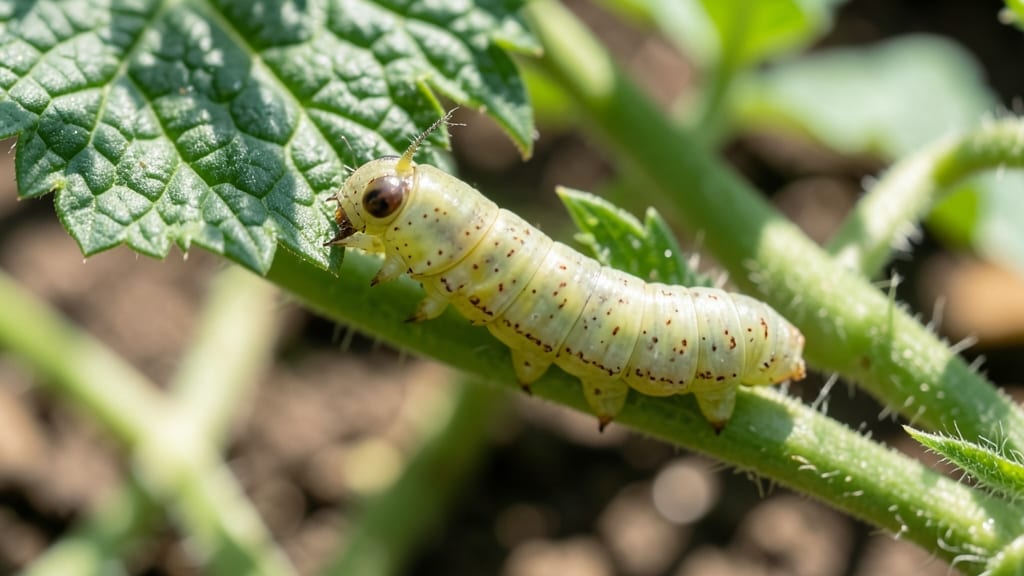
Your tomato plants are under siege by tiny, destructive leaf borers—tiny holes in leaves and wilting vines mean it’s time to act. 🌱 These sneaky pests drill into stems, cutting off water and nutrients, but organic control works if you catch them early.
I’ve battled them in my garden for years, and I’ll show you how to stop them without harsh chemicals.
The first sign is usually chewed leaves with sawdust-like frass (larvae poop) around tiny entry holes. Adult moths lay eggs on stems, and within days, larvae burrow in—so check plants weekly, especially after warm, humid spells.
The key is acting fast: once they’re inside, they’re nearly impossible to reach without cutting back infected stems.
You’ll restore plant health with a mix of neem oil sprays, parasitic wasps, and row covers to block adult moths. Within 2-3 weeks, new growth stays strong, and the damage stops. The best part? These methods keep your garden thriving and safe for pollinators.
Works for home gardens, greenhouses, and even container-grown tomatoes. The secret is consistency—check plants every 5-7 days during peak season (late spring to early summer). Let’s get those borers under control before they ruin your harvest.
📚 In This Guide
- What you need
- Instructions
- Tips and common mistakes
- Wrapping up and next steps
What you need
- ● Neem oil (100% cold-pressed, organic): 1–2 tbsp per gallon of water (or 1 tbsp per liter). Look for brands with Azadirachtin (active ingredient).
- ● Insecticidal soap (organic, potassium-based): 1–2 tbsp per gallon of water. Avoid synthetic detergents!
- ● Garlic or chili pepper spray: 1–2 heads of garlic (or 2 tbsp garlic powder)
- ● 1–2 fresh chili peppers (or 1 tbsp cayenne powder)
- ● 1 tsp liquid dish soap (mild, biodegradable)
- ● 1 quart (liter) of water
- ● Diatomaceous earth (food-grade): 1–2 cups. Use a fine-mesh strainer for even application.
- ● Yellow sticky traps: 2–4 traps (or DIY with yellow cards + petroleum jelly).
- ● Pruning shears (sterilized): Sharp, clean pair to remove infested leaves/stems.
- ● Garden twine or copper tape: For creating physical barriers around young plants.
- ● Spray bottle (16–32 oz) or garden sprayer: For liquid applications. Rinse thoroughly between uses!
- ○ Gloves (nitrile or rubber): Optional but recommended for handling sprays or borer-infested plants.
- ● Beneficial nematodes (e.g., Steinernema carpocapsae): Targets larvae in soil. Apply at dusk with a watering can.
- ● Beauveria bassiana (fungal spray): Organic pathogen that infects borers. Mix per label instructions.
- ● Compost or worm castings: Strengthens plant immunity. Mix 1 cup per hole when transplanting.
- ● Row covers (floating fabric): Protects seedlings from adult moths (remove during pollination).
- ● UV flashlight: Helps spot borer entry holes in stems (shines through translucent silk).
Step-by-Step organic control for tomato leaf borer infestations
Here’s how I keep my tomato plants thriving despite leaf borers—no harsh chemicals needed.
🌿 Step 1: Identify and Remove Infested Leaves
Start by inspecting your plants for the classic signs: chewed leaves, sawdust-like frass (borer droppings), or holes in the foliage. The moment you spot these, grab a pair of clean pruning shears and snip off any heavily damaged leaves. Drop them into a sealed bag—this prevents the larvae from crawling back onto your plants or spreading to others.
I check my plants every 2-3 days during warm weather, since leaf borers multiply fast. Focus on the lower leaves first—they’re often the earliest targets. The key is to remove leaves before you see the actual borers tunneling into stems, which is when damage becomes irreversible.
🪴 Step 2: Apply Neem Oil Spray as a Barrier
Mix 1 tablespoon of neem oil with 1 teaspoon of mild liquid soap in 1 quart of water. The soap helps the oil stick to leaves, while the neem disrupts the borers’ life cycle. Shake well and spray evenly on both leaf surfaces, including the undersides where eggs are often laid. I use a handheld sprayer for precision—neem oil works best when it coats the foliage thoroughly.
Spray in the early morning or late evening to avoid burning leaves under direct sun. Reapply every 7-10 days or after heavy rain, as neem oil washes off. This isn’t an instant fix, but it breaks the borer cycle over time. I’ve seen results within 2 weeks of consistent applications.
☀️ Step 3: Introduce Beneficial Nematodes to the Soil
Beneficial nematodes (Steinernema carpocapsae) are microscopic predators that seek out and kill leaf borer larvae in the soil. Mix 1 pound of nematodes with 1 gallon of cool, dechlorinated water in a bucket. Stir gently and let it sit for 30 minutes before pouring the solution directly onto the soil around your tomato plants—focus on the base of the stems where larvae may be tunneling.
Water the soil lightly 24 hours before and after applying nematodes to create ideal moisture conditions for them to move through the soil. They’re most effective in 60-80°F soil temperatures, so avoid applying during extreme heat or cold. I apply nematodes in the evening to protect them from UV light, which can harm their delicate bodies.
✂️ Step 4: Hand-Pick Larvae and Monitor Traps
Grab a flashlight and inspect stems and leaf axils for small, white larvae. Use a pair of tweezers or your fingers (wear gloves!) to pluck them off and drop them into soapy water. This might sound tedious, but it’s the fastest way to reduce populations. I do this every morning for 10 minutes—it’s surprising how many you’ll find once you start looking.
Set up yellow sticky traps near your plants to catch adult borer moths before they lay eggs. Hang them 18-24 inches above the plant canopy and check them daily. Replace traps every 3-5 days or when they’re covered in insects. This interrupts the borer’s life cycle and gives your organic controls a better chance to work.
💧 Step 5: Strengthen Plants to Resist Future Infestations
Healthy tomatoes are less appealing to leaf borers. Water deeply once a week (or more in extreme heat) to encourage strong root growth, and mulch with 2-3 inches of organic mulch to retain moisture and regulate soil temperature. I also fertilize with a balanced organic fertilizer (10-10-10 ratio) every 4-6 weeks to keep plants vigorous.
Rotate crops next season—don’t plant tomatoes or nightshades (peppers, eggplants) in the same spot for 3 years. This breaks the borer’s life cycle and reduces soil-borne eggs. I also interplant tomatoes with basil or marigolds, as their strong scents repel borers naturally. Prevention is the best defense!
Tips & tricks for effective organic leaf borer control
These practical strategies will help you maximize your organic defenses against tomato leaf borers while keeping your plants thriving.
Timing is Everything: In Step 1, when you're checking plants every 2-3 days, focus on the undersides of leaves first—this is where borer eggs are most commonly laid. I've found that early morning inspections (before 9 AM) reveal fresh damage that might have been missed later in the day. The key is catching infestations before they tunnel into stems, which becomes nearly impossible to treat organically once established.
Neem Oil Application Technique: For Step 2, here's what I've learned about making neem oil work better: After mixing your 1 tablespoon neem oil with 1 teaspoon soap in 1 quart water, add 1 teaspoon of vegetable oil (optional but helpful). This creates a better emulsion that clings to leaves longer. Spray until leaves glisten—you can't overdo it, but you can under-apply. I always spray the undersides thoroughly since that's where eggs hide. The 7-10 day reapplication schedule is critical; don't skip it just because you don't see immediate results.
Nematode Success Factors: When applying beneficial nematodes in Step 3, the 30-minute resting period before application is crucial—it allows them to become active and seek out larvae. I've found that applying them in the evening (after 6 PM) gives them the best chance to work overnight when soil temperatures are ideal (60-80°F). The 24-hour watering requirement before and after is non-negotiable—without proper moisture, nematodes can't move through the soil effectively. If your soil feels dry, water lightly first to create the right conditions.
Hand-Picking Strategy: For Step 4's hand-picking, I've discovered that a small flashlight with a red LED works better than white light—it's less disturbing to beneficial insects. Focus on the leaf axils (where leaves meet stems) and the undersides of leaves. I keep a small container of soapy water nearby and transfer larvae immediately. This might seem tedious, but I've seen populations drop dramatically within just 3-4 days of consistent morning inspections. The 10-minute daily commitment pays off big time in preventing stem damage.
Pro Tips for Tomato Leaf Borer
- These practical strategies will help you maximize your organic defenses against tomato leaf borers while keeping your plants thriving.
- Timing is Everything: In Step 1, when you're checking plants every 2-3 days, focus on the undersides of leaves first—this is where borer eggs are most commonly laid.
- This creates a better emulsion that clings to leaves longer.
Frequently asked questions
Got questions about tackling the tomato leaf borer? You’re not alone! Here are answers to the most common concerns—from early signs to organic fixes—so you can keep your tomato plants thriving without harsh chemicals.
What does a tomato leaf borer infestation look like?
The first clue is frass (tiny black sawdust-like droppings) near leaf stems or fruit stems. Later, you’ll spot 1-inch-long yellowish larvae tunneling into leaves or stems, causing wilting, browning, or even plant collapse. Check the undersides of leaves first!
When is the best time to treat tomato leaf borers?
Act early—as soon as you spot frass or wilting. Larvae hatch in late spring to early summer, so monitor plants weekly during peak growing season. Prevention is key: Treat before infestations spread, especially after transplanting seedlings or during warm, humid weather.
Are there organic sprays that actually work?
Yes! Try these DIY solutions:
- Neem oil (1 tbsp + 1 tsp mild soap per quart of water): Spray on larvae and leaf undersides every 5–7 days.
- Bacillus thuringiensis (Bt): A microbial pesticide safe for humans and beneficial insects. Reapply after rain.
- Garlic/chili spray: Blend 2 garlic cloves + 1 tbsp chili powder in water, strain, and spray (reapply weekly).
For severe cases, handpick larvae with tweezers and drop them in soapy water.
How can I prevent future infestations?
Combine these proactive steps:
- Use row covers (fine mesh) over young plants to block adult moths.
- Rotate crops yearly—don’t plant tomatoes or nightshades (peppers, eggplants) in the same spot.
- Encourage predatory insects like parasitic wasps by planting dill, fennel, or marigolds nearby.
- Remove and destroy (don’t compost!) infested plant debris in fall.
Pro tip: Prune lower leaves to improve airflow and reduce hiding spots for eggs.
Will my tomatoes still be safe to eat if I’ve had leaf borers?
Yes! Larvae rarely tunnel into fruit, but inspect tomatoes thoroughly before eating. If you’ve treated organically, the residue is minimal. For peace of mind, wash produce with baking soda solution (1 tbsp per gallon of water) to remove any lingering pests or debris.
Wrapping up and next steps
Fighting the tomato leaf borer organically is absolutely doable—and your garden will thank you! 🌱 By staying vigilant, using natural predators, and applying simple yet effective methods like neem oil or handpicking larvae, you can protect your tomato plants without harsh chemicals. The key is consistency and early action.
Ready to take the next step? Start by inspecting your plants weekly and implementing just one or two of these organic methods this season. Small changes lead to big results—your tomatoes (and future harvests) will be thriving in no time!