
Pests and Diseases
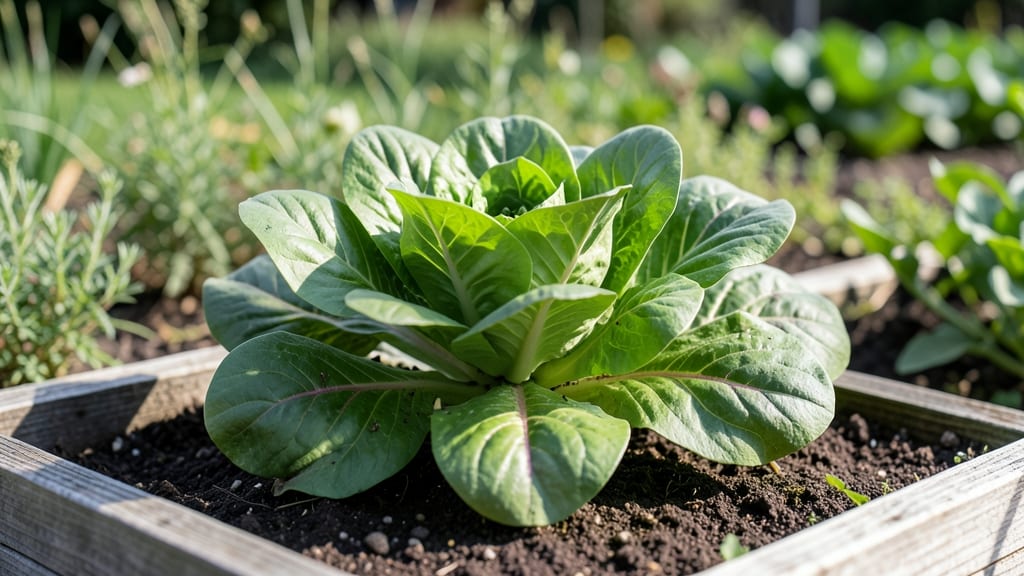
Growing Grand Rapids leaf lettuce means crispy-edged greens that stay fresh even when temperatures dip. 🌿 I’ve grown this variety for years in my Michigan garden, and it’s become my go-to for salads that last through early spring and late fall.
The secret lies in its cold tolerance—it thrives when other lettuces bolt or turn bitter.
You’ll need well-draining soil, partial shade in hot afternoons, and consistent moisture to keep those edges crisp. Start seeds indoors 4-6 weeks before your last frost or sow directly in cool weather.
Space plants 6-8 inches apart to give them room to spread without crowding. Water gently at the base to avoid wetting the leaves, which can lead to disease.
By mid-season, you’ll be harvesting outer leaves for weeks, letting the plant keep producing. The flavor is mild with a slight peppery kick, perfect for fresh salads or sandwiches. With the right care, you’ll enjoy crispy lettuce straight from your garden for months—no store-bought wilted bags needed.
For cooler climates, succession planting every 2-3 weeks ensures a steady supply. If summer heat arrives, provide afternoon shade to keep the leaves from bolting. This variety is forgiving, but timing and moisture are key to that perfect crunch.
📚 In This Guide
- What you need
- Instructions
- Tips and common mistakes
- Wrapping up and next steps
What you need
- ● Seeds: 1 packet of Grand Rapids leaf lettuce seeds (about 50-100 seeds per packet). Look for organic or non-GMO options for the best results!
- ● Growing Containers: Option 1: 2-3 shallow trays (6-8 inches deep) with drainage holes, or
- ● Option 2: A raised garden bed (at least 6 inches deep) in full sun or partial shade.
- ● Potting Soil: 1 bag (5-10 gallons) of high-quality, well-draining seed-starting mix or organic potting soil.
- ○ Compost: 1-2 cups of aged compost or organic fertilizer (optional but recommended for nutrient boost).
- ● Watering Can or Spray Bottle: With a fine mist nozzle for gentle watering.
- ● Gloves: A pair of gardening gloves to keep hands clean.
- ● Trowel or Small Shovel: For planting and soil prep.
- ○ Row Cover or Lightweight Fabric: (Optional) To protect seedlings from pests or harsh weather.
- ● Sunlight Access: A spot with 4-6 hours of direct sunlight daily (partial shade is ideal in hot climates).
- ● Cool Climate: Grand Rapids lettuce thrives in temperatures between 45°F and 75°F—perfect for spring or fall planting!
Step-by-Step instructions for growing Grand Rapids leaf lettuce
Here's how to grow the crisp, buttery-edged lettuce that makes every salad worth waiting for.
🌱 Step 1: Prepare Your Planting Site for Cool-Season Success
Grand Rapids lettuce thrives in 50-70°F temperatures, so aim to plant 4-6 weeks before your last frost date in spring or 6-8 weeks before your first frost in fall. Choose a location with partial shade (4-6 hours of morning sun) to prevent bolting—this variety hates heat. Clear the area of weeds and loosen soil to a depth of 6 inches with a garden fork, breaking up any compacted layers.
Work in 2-3 inches of compost into the top 6 inches of soil to provide nutrients without excessive nitrogen, which causes bitter leaves. I like to sprinkle a handful of aged manure or worm castings into each planting row for extra texture and moisture retention. Rake the area smooth—you want a fine, crumbly surface for even seed contact.
💧 Step 2: Sow Seeds at the Right Depth for Germination
Scatter seeds ¼ inch deep in rows spaced 12 inches apart—Grand Rapids grows best with room to spread. I use a seed spacing tool or my finger to create shallow furrows, then tap the seed packet gently to release seeds one at a time. Planting too many at once leads to competition and weak, bitter leaves.
Cover seeds lightly with soil and water gently using a fine-mist spray nozzle until the surface looks damp but not soggy. Keep soil consistently moist (not wet) until germination, which takes 7-14 days depending on temperature. You'll see the first tiny green shoots when soil feels cool to the touch—this is your signal to reduce watering slightly.
☀️ Step 3: Maintain Consistent Moisture for Crisp Edges
Once seedlings reach 2 inches tall, thin them to 6 inches apart in rows. Use scissors to snip unwanted plants at soil level—this prevents disturbing roots of remaining seedlings. Water deeply 2-3 times per week, aiming for 1 inch of water total per week. I water in the morning so leaves dry quickly, preventing fungal issues.
Here's the thing—Grand Rapids lettuce stays crisp when soil moisture is steady. Let the top ½ inch dry out between waterings, but never let it get bone-dry. You'll notice the edges start to soften if you skip watering for more than a day. Mulch with 1 inch of straw after thinning to retain moisture and keep leaves clean.
✂️ Step 4: Harvest Outer Leaves for Continuous Production
Start harvesting when plants reach 4-6 inches tall—this is when the crisp edges develop their signature buttery texture. Use clean scissors to cut the outer 2-3 leaves at the base, leaving the inner leaves to grow. This method gives you 6-8 weeks of harvests per planting.
Real talk: Don't wait for a full head to form. Grand Rapids bolts quickly in warm weather, so harvest aggressively. You'll know it's time to pull the plant when the center stem elongates and flowers form—this means the leaves will turn bitter. For a second crop, succession-plant seeds every 2 weeks in early spring or late summer.
Tips & tricks for perfect Grand Rapids leaf lettuce
These simple secrets will help you grow lettuce so crisp it’ll make your salads irresistible.
Timing is Everything: The 4-6 hours of morning sun in Step 1 are critical—this variety bolts when temperatures climb above 70°F. If you notice leaves getting bitter or flowering, move plants to a shadier spot immediately. I've had success using shade cloth during hot afternoons, which extends the harvest window by weeks.
Soil Prep Secret: Don't skip the 6-inch soil loosening in Step 1—compacted soil prevents roots from spreading properly, leading to weak plants. For even better results, mix in a handful of aged manure or worm castings along with the 2-3 inches of compost. This combo gives you the perfect balance of nutrients without overdoing nitrogen, which causes bitter leaves.
Germination Hack: When planting seeds ¼ inch deep in Step 2, use a fine-mist spray nozzle to keep soil damp but not soggy. I've found that placing a clear plastic dome or even a cut-open plastic bottle over the seed bed speeds up germination by creating a mini greenhouse effect. Just remove it once you see those first tiny shoots!
Harvesting Pro Tip: For continuous production in Step 4, harvest leaves when plants reach 4-6 inches tall by cutting the outer 2-3 leaves at the base. This method keeps your plants producing for 6-8 weeks instead of just one harvest. I like to use clean kitchen scissors for this—it gives you the cleanest cuts and prevents tearing the leaves.
Pro Tips for Grand Rapids Leaf Lettuce
- These simple secrets will help you grow lettuce so crisp it’ll make your salads irresistible.
- Timing is Everything: The 4-6 hours of morning sun in Step 1 are critical—this variety bolts when temperatures climb above 70°F.
- Soil Prep Secret: Don't skip the 6-inch soil loosening in Step 1—compacted soil prevents roots from spreading properly, leading to weak plants.
Frequently asked questions
about growing Grand Rapids Leaf Lettuce—your top concerns answered!Is Grand Rapids Lettuce hard to grow for beginners?
Grand Rapids is one of the easiest lettuces for new gardeners! It thrives in cool weather and tolerates light frosts, making it forgiving for beginners. Just ensure well-draining soil and consistent moisture—no fancy skills required.
How long does it take to harvest Grand Rapids Leaf Lettuce?
You can start harvesting outer leaves in 30–40 days for baby greens, or wait 50–60 days for full heads. For continuous harvests, snip leaves from the outside, letting the center keep growing. Pro tip: Harvest in the morning for crispest texture!
What pests should I watch for with Grand Rapids Lettuce?
Common pests include aphids, slugs, and cabbage worms. Prevent issues with row covers or neem oil. If slugs are a problem, set up beer traps or handpick them early. Grand Rapids is less prone to bolt than loose-leaf varieties, but watch for downy mildew in humid weather—space plants for airflow!
Can I grow Grand Rapids Lettuce in hot summer weather?
This variety bolts (goes to seed) quickly in heat—aim for spring or fall planting in most climates. For summer, try shade cloth (30–50%) or grow it in containers you can move. If you must plant in heat, opt for heat-tolerant varieties like Black Seeded Simpson as a backup.
What’s the best way to store harvested Grand Rapids Lettuce?
Store leaves in a perforated plastic bag with a paper towel to absorb moisture, or wrap in a damp cloth and refrigerate. For longer shelf life, trim stems and place in a jar of water like a bouquet—this keeps it crisp for 7–10 days!
Wrapping up and next steps
Growing Grand Rapids leaf lettuce in your cool-climate garden is a rewarding journey—packed with crisp, flavorful harvests and minimal fuss! 🌱 With the right soil, spacing, and pest-prevention strategies, you’ll enjoy a steady supply of fresh greens, even when temperatures dip.
Whether you’re a seasoned gardener or just starting, this variety proves that successful growing doesn’t require a green thumb—just patience and a little know-how.
Ready to dive in? Start by planting your first seeds this week and watch your garden transform into a leafy paradise. Happy growing! 🌿