
Pests and Diseases
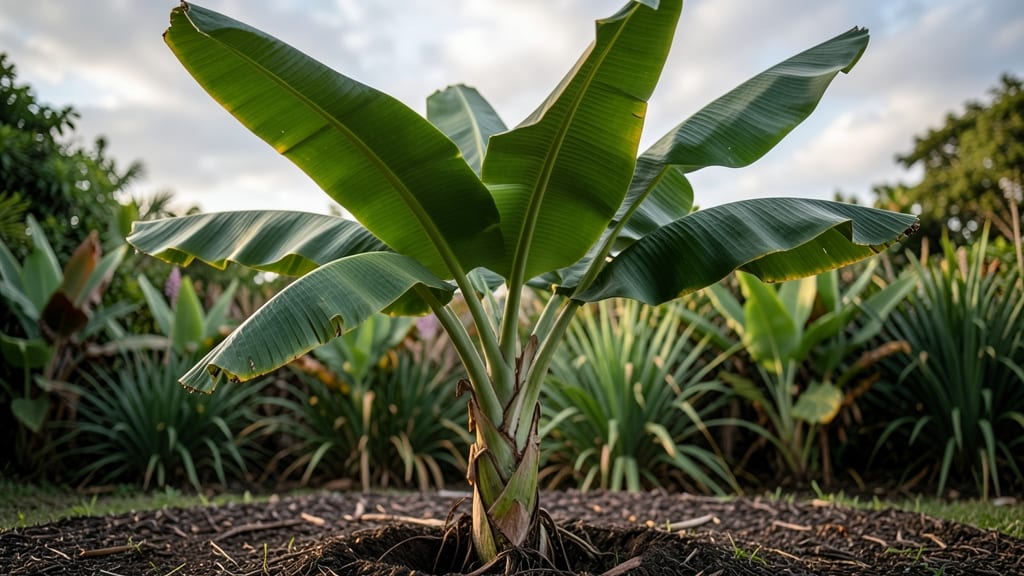
Growing a large banana leaf that stretches wider than your outstretched arms is easier than you think—if you mimic its tropical jungle roots. 🌿 I’ve watched my 5-foot-wide leaves unfurl over just two seasons, and the secret isn’t fancy equipment but understanding what these sun-lovers really need: rich, well-draining soil, morning sun, and a watering routine that keeps roots happy without drowning them.
Start with the right variety—Musa acuminata or Musa balbisiana hybrids like ‘Dwarf Cavendish’ or ‘Lady Finger’ deliver those dramatic leaves, while Musa velutina (the velvet banana) adds rustling texture. Plant in spring after frost, giving them 6+ hours of sunlight daily and a spot sheltered from strong winds.
The first year focuses on root growth, so resist pruning until you see 3-4 sturdy stalks emerging.
By summer’s end, you’ll be harvesting leaves big enough to use as edible platters or mulch—each one a bold, glossy green that towers over your garden. The key is consistent moisture (think swampy, not soggy) and a balanced fertilizer every 6 weeks.
Mulch heavily to protect roots from temperature swings, and watch your plant reward you with leaves so wide they’ll make neighbors ask, “How’d you grow that?”
Works in USDA zones 9-11 (or in containers moved indoors in cooler climates), and even small yards can fit one—just choose a dwarf variety. Here’s how to keep yours thriving year after year.
📚 In This Guide
- What you need
- Instructions
- Tips and common mistakes
- Wrapping up and next steps
What you need
- ● Banana plant (Musa spp.): Choose a variety known for large leaves, like Musa acuminata or Musa balbisiana. Opt for a healthy, mature plant (3–5 feet tall) from a nursery or reputable grower.
- ● Well-draining soil: Mix 2 parts loamy soil with 1 part compost and 1 part perlite or coarse sand (10–15 gallons per planting site). Bananas thrive in slightly acidic to neutral soil (pH 5.5–7.5).
- ● Sunlight: A full-sun location (6+ hours of direct sunlight daily). Banana leaves grow best in warm, humid climates (zones 9–11).
- ● Watering supplies: Garden hose with adjustable nozzle (for deep watering)
- ○ Drip irrigation system (optional, for consistent moisture)
- ● Fertilizer: Balanced fertilizer (10-10-10 or 20-20-20) – Apply every 4–6 weeks during growing season.
- ● Potassium-rich fertilizer (e.g., banana-specific fertilizer) – Boosts leaf size and disease resistance.
- ● Mulch: Straw or wood chips (2–3 inches thick) to retain moisture and regulate soil temperature.
- ● Support stakes: Bamboo or wooden stakes (5–6 feet tall) to prevent leaf drooping in windy areas.
- ● Pest/disease control: Neem oil (for fungal issues like Sigatoka leaf spot)
- ● Yellow sticky traps (to monitor banana aphids)
- ● Greenhouse or shade cloth: If growing in cooler climates (zones 8 or below), use a temporary shelter for young plants.
Step-by-Step guide to growing a stunning giant banana leaf display
Here's how to cultivate a dramatic tropical focal point that thrives year-round with minimal fuss.
🌱 Step 1: Select and Prepare Your Planting Site
Banana plants need rich, well-draining soil with a pH between 5.5 and 7.0. Choose a location that receives full sun (at least 6-8 hours daily) and has protected roots from strong winds—their large leaves can tear easily. I always dig a hole twice as wide as the root ball but only as deep as the container it came in.
Amend the native soil with 3-4 inches of compost mixed into the top 12 inches of soil. This ensures proper drainage while retaining moisture—banana plants hate soggy roots but need consistent hydration. If your soil drains poorly, consider planting in a large raised bed instead.
☀️ Step 2: Plant Your Banana Plant Correctly
Remove the plant from its container and gently loosen the roots if they're circling. Place it in the hole so the top of the root ball sits level with the surrounding soil—burying too deep can cause rot. Backfill with native soil, pressing lightly to eliminate air pockets but avoiding compaction.
Water deeply immediately after planting to settle the soil and eliminate air gaps. You'll see water pooling at the base—this is normal as the soil settles. Mulch with 3-4 inches of organic mulch (like shredded bark) to retain moisture and regulate soil temperature, which is critical for tropical plants.
💧 Step 3: Establish a Consistent Watering Routine
Banana plants require deep, infrequent watering—about 1-2 inches per week during active growth. Water when the top 2-3 inches of soil feel dry to the touch. I use a soaker hose to deliver water slowly at the base, preventing leaf damage from overhead sprinklers.
During the first 6-8 weeks after planting, keep the soil consistently moist—not soggy, but never allowed to dry out completely. You'll notice new leaves emerging within 2-3 weeks if conditions are right. Once established, banana plants become drought-tolerant but still prefer regular moisture.
✂️ Step 4: Prune and Maintain for Optimal Growth
Remove any dead or yellowing leaves at the base to redirect energy to new growth. I also trim suckers (small shoots at the base) to one per plant, keeping only the strongest to prevent overcrowding. Use sterilized pruners to make clean cuts just above a leaf node.
Fertilize every 4-6 weeks during growing season with a balanced tropical fertilizer (10-10-10 or similar). Apply half the recommended dose to avoid burning roots. In winter, reduce watering and fertilization—banana plants enter a dormant phase when temperatures drop below 50°F.
🪴 Step 5: Protect and Winterize Your Tropical Beauty
Before the first frost, cover the base with 6-8 inches of mulch to insulate roots. If temperatures drop below 32°F, wrap the trunk and leaves in burlap or frost cloth to prevent damage. Most banana plants die back in cold climates but regrow from the rhizome in spring.
In warmer climates, banana plants continue growing year-round. Here, I simply reduce watering by half in winter and avoid fertilizing. Watch for new shoots emerging in early spring—this signals it's time to resume regular care and watch your tropical canopy flourish again.
Tips & tricks for growing stunning giant banana leaf displays
Transforming your yard into a tropical paradise with giant banana leaves takes more than just planting—it's about creating the perfect environment for these dramatic plants to thrive. Here's what I've learned from years of growing these showstoppers.
Soil Preparation Secret: The 3-4 inches of compost mixed into the top 12 inches of soil isn't just about nutrients—it's about creating the perfect air-to-water ratio. I've found that adding a handful of perlite to this mix prevents compaction while still retaining moisture. This is especially important in Step 1, where proper drainage prevents root rot while maintaining hydration. For heavy clay soils, consider mixing in coconut coir instead of regular compost—it mimics the tropical forest floor conditions these plants love.
Planting Depth Matters: That critical instruction about keeping the root ball level with the soil surface can't be emphasized enough. I once buried a plant too deep and watched it struggle for weeks before finally giving up. Use a level to verify placement—this ensures the rhizome (the thick underground stem) stays above the soil line where it belongs. If your soil settles after planting, add more soil around the base rather than burying deeper.
Watering Technique: The deep, infrequent watering routine is key, but here's what nobody tells you: use a moisture meter to verify when the top 2-3 inches are dry. I've seen banana plants wilt from overwatering just as much as from underwatering. In Step 3, when you're establishing that routine, water in the early morning so leaves have time to dry before evening—this prevents fungal issues that can kill your plant quickly. A soaker hose isn't just about gentle watering; it delivers moisture right to the roots where it's needed most.
Winter Protection Hack: For that critical 32°F threshold in Step 5, I've found that wrapping the trunk with bubble wrap before adding the frost cloth creates an extra insulating layer. The bubble wrap traps heat while allowing some airflow—this prevents moisture buildup that can lead to rot. In colder climates, consider moving potted banana plants to a garage or shed during winter rather than trying to protect them outdoors. The rhizome can survive freezing temperatures, but the leaves will inevitably die back.
Pro Tips for Large Banana Leaf
- Transforming your yard into a tropical paradise with giant banana leaves takes more than just planting—it's about creating the perfect environment for these dramatic plants to thrive.
- Soil Preparation Secret: The 3-4 inches of compost mixed into the top 12 inches of soil isn't just about nutrients—it's about creating the perfect air-to-water ratio.
- Planting Depth Matters: That critical instruction about keeping the root ball level with the soil surface can't be emphasized enough.
Frequently asked questions
Got questions about growing giant banana leaves?
You’re not alone! Here are answers to the most common queries—from troubleshooting to timing—so you can cultivate a lush, tropical canopy with confidence.
How long does it take for a banana plant to produce large leaves?
A mature banana plant typically starts producing large, dramatic leaves (like the iconic 5–6 foot varieties) within 12–18 months of planting. However, dwarf or ornamental types (like the Musa basjoo) may show impressive foliage in as little as 6–12 months. Patience is key—these plants prioritize leaf growth before flowering!
What pests or diseases should I watch for on large banana leaves?
Banana leaves are tough, but they’re not pest-proof! Keep an eye out for:
- Spider mites: Tiny webs on undersides = spray with water or neem oil.
- Banana aphids: Sticky residue on leaves? Blast them off with water.
- Sigatoka leaf spot: Brown spots? Prune infected leaves and treat with copper fungicide.
- Scale insects: Bumpy growths? Scrape them off or use horticultural oil.
Can banana plants survive cold weather, or do they need large banana leaves year-round?
Most banana plants are tropical and cannot survive frost. If you’re in a cold climate:
- Grow them in containers and bring them indoors when temps drop below 30°F (-1°C).
- Use mulch to protect the roots in mild winters.
- Opt for cold-hardy varieties like Musa basjoo (tolerates down to 15°F (-9°C)).
What are some alternatives to banana leaves for cooking or decor?
If you love the look or function of banana leaves but want options, try:
- Pine needles: Smoky flavor for grilling (use fresh, green needles).
- Aluminum foil: Mimics the non-stick properties for wrapping foods.
- Dried palm leaves: Cheaper for decor but less flexible.
- Large cabbage or lettuce leaves: Edible and biodegradable for small wraps.
Why are my banana leaves curling or yellowing?
Curling or yellowing leaves usually signal one of these issues:
Symptom
Likely Cause
Fix It!
Yellow edges
Low potassium or overwatering
Fertilize with a banana-specific feed (high in K) and adjust watering.
Curling upward
Underwatering or wind stress
Water deeply at the base and stake young plants.
Yellow patches with brown spots
Fungal disease (e.g., Sigatoka)
Remove affected leaves and apply fungicide.
Curling downward
Pest damage (e.g., mites) or nutrient deficiency
Spray with neem oil and test soil pH (aim for 5.5–6.5).
Wrapping up and next steps
Growing a large banana leaf isn’t just about aesthetics—it’s a rewarding journey into tropical gardening! By selecting the right variety, providing optimal care, and staying vigilant against pests and diseases, you can cultivate a stunning, functional centerpiece in your yard. 🌿
Ready to turn your vision into reality? Start by ordering healthy rhizomes or young plants from a trusted nursery, then roll up your sleeves—your future giant banana leaf awaits! Happy growing! ✨