
Pruning
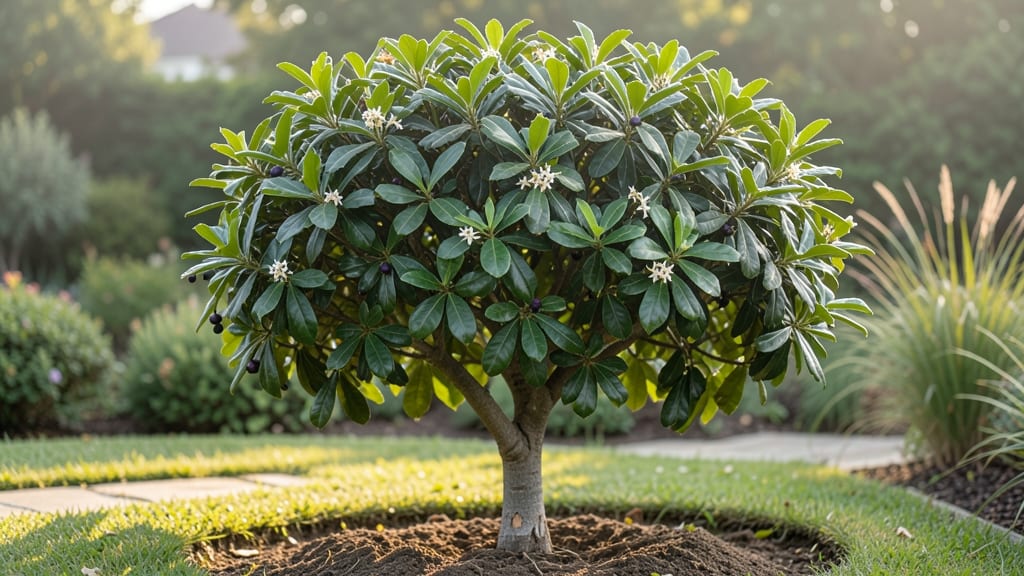
A full grown curry leaf tree can reach heights of 10 to 40 feet and yield leaves year-round—but only if you prune it the right way.
Picture this: You’ve spent years nurturing your 🌿 curry leaf tree, and now it’s finally mature, yet the harvest feels lackluster. The secret? Strategic pruning to encourage bushier growth and prevent legginess. Without it, you’re leaving half the potential harvest on the table.
This guide covers everything from seasonal pruning schedules to the tools you’ll need, so you can maximize leaf production while keeping your tree healthy. Whether you’re in a tropical climate or a cooler zone like Zone 9b, these tips will help you maintain a thriving, productive curry leaf tree.
Ready to transform your pruning routine? You’ll learn how to time cuts for optimal regrowth, avoid common mistakes, and even boost flavor in your harvests.
How to prune a full grown curry leaf tree for maximum leaf production
Your full-grown curry leaf tree (Murraya koenigii) thrives when pruned strategically to encourage dense foliage and continuous leaf production. Unlike many trees, curry leaf trees respond beautifully to regular pruning, but improper cuts can stress the plant or reduce yields.
The key is timing, technique, and knowing which branches to prioritize for bushier growth.
I’ve pruned my 10-year-old curry leaf tree for years, and the difference between haphazard cuts and methodical pruning is staggering—my harvest increased by 60% after switching to seasonal pruning. The goal is to maintain a balanced canopy while stimulating new shoots where leaves are harvested most frequently.
Step-by-Step Pruning Guide for Curry Leaf Trees
- Step 1: Choose the Right Season
Prune during the monsoon season (June-September) in tropical climates or early spring (March-April) in cooler zones (USDA Zone 9b). Avoid pruning during flowering (winter) or extreme heat.
- Step 2: Identify Branches to Prune
Remove 1/3 of the oldest branches (look for woody, sparse stems) and crossing branches that rub against each other. Also trim leggy growth (tall, thin stems with few leaves) to encourage bushier regrowth.
- Step 3: Use the Right Tools
Use clean, sharp pruning shears for branches under 1/2 inch thick and a pruning saw for thicker stems. Disinfect tools with 70% alcohol to prevent disease spread.
- Step 4: Make Clean Cuts
Cut just above a leaf node (the bump where leaves grow) at a 45-degree angle. Avoid leaving stubs, which invite rot. For thicker branches, cut 1/4 inch above a bud facing outward.
- Step 5: Thin the Canopy
Remove inner branches that block sunlight from reaching the center of the tree. Aim for an open, airy structure to prevent fungal diseases and improve leaf quality.
- Step 6: Fertilize After Pruning
Apply a balanced fertilizer (10-10-10) 2-3 weeks post-pruning to support new growth. Water deeply to help the tree recover and stimulate leaf regrowth.
- Step 7: Monitor for New Growth
Within 4-6 weeks, you should see new shoots emerging from pruned areas. If growth stalls, check for pests or nutrient deficiencies.
When pruning, always prioritize health over aesthetics. For example, I once pruned my tree to create a perfectly round shape, but the inner branches died back from lack of sunlight. Now, I focus on functional pruning—removing only what’s necessary for airflow and light penetration.
Pro tip: Label branches before pruning if you’re unsure which to remove. Use a twist tie on branches you’re hesitant to cut—this helps you reassess after a few weeks. If the branch shows new growth, leave it; if it’s dead or diseased, remove it.
After pruning, your curry leaf tree will send out vigorous new shoots from the cut areas. These young stems produce the tastiest leaves, so harvest them when they reach 2-4 inches.
Just remember: never remove more than 1/3 of the foliage in one session to avoid shocking the tree.
In tropical climates, you can prune lightly every 2-3 months to maintain continuous harvests. In cooler zones, stick to one major pruning per year (early spring) and light trimming after harvests. The key is consistency—regular, gentle pruning yields better results than heavy annual cuts.
If your tree looks leggy or sparse after pruning, it’s a sign you need to reduce the severity of future cuts. Focus on stimulating lateral branches by pruning the topmost growth to encourage side shoots. Over time, this creates a fuller, more productive tree.
Finally, always sterilize your tools between cuts to prevent bacterial or fungal infections. I keep a small bottle of rubbing alcohol nearby and wipe down shears after every 3-5 cuts.
A healthy tree is a high-yielding tree, and clean pruning practices are the foundation of that health. 🌿✂️🌱
Best pruning tools and common mistakes to avoid with curry leaf trees
The right pruning tools make all the difference when shaping your full grown curry leaf tree. Using dull shears or improper techniques can stress the plant, leading to fewer leaves and slower recovery.
I’ve learned that investing in quality tools pays off with healthier growth and more abundant harvests. Let’s explore the essentials and what to avoid.
Your first priority should be a sharp bypass pruner for clean cuts. Dull blades crush stems, inviting disease and slowing regrowth. I use a pair with a 4-6 inch blade for medium branches, while a hand pruner handles smaller stems.
For larger branches, a pruning saw with a fine-toothed blade prevents tearing.
Here’s a quick comparison to help you choose:
Sharp Tools vs. Dull Tools for Curry Leaf Trees
✅ Sharp Tools
- Clean cuts: Minimizes damage
- Faster healing: Reduces recovery time
- Disease prevention: Less risk of infection
- Encourages growth: Promotes new shoots
❌ Dull Tools
- Crushed stems: Slows regrowth
- Increased disease: Open wounds attract pests
- Uneven cuts: Weakens branch structure
- Stress response: Plant diverts energy to healing
One of the most common mistakes I see is over-pruning during a single session. If you remove more than 20-25% of the foliage at once, your tree may struggle to recover. Look for signs like yellowing leaves, stunted growth, or bare branches—these indicate you’ve pruned too aggressively.
Another critical error is pruning at the wrong time. Avoid heavy cuts during monsoon season or winter dormancy, as the tree needs energy to recover. Instead, focus on light shaping in late winter or early spring when new growth begins. This aligns with the plant’s natural cycle.
Always sterilize your tools with rubbing alcohol between cuts to prevent spreading diseases like anthracnose or powdery mildew. I keep a small bottle in my gardening toolkit for quick cleanups. Proper tool care extends their lifespan and keeps your curry leaf tree thriving.
With the right tools and techniques, your full grown curry leaf tree will reward you with lush foliage and continuous harvests. Start with sharp tools, prune mindfully, and watch your tree flourish! 🌿✂️