
Trees
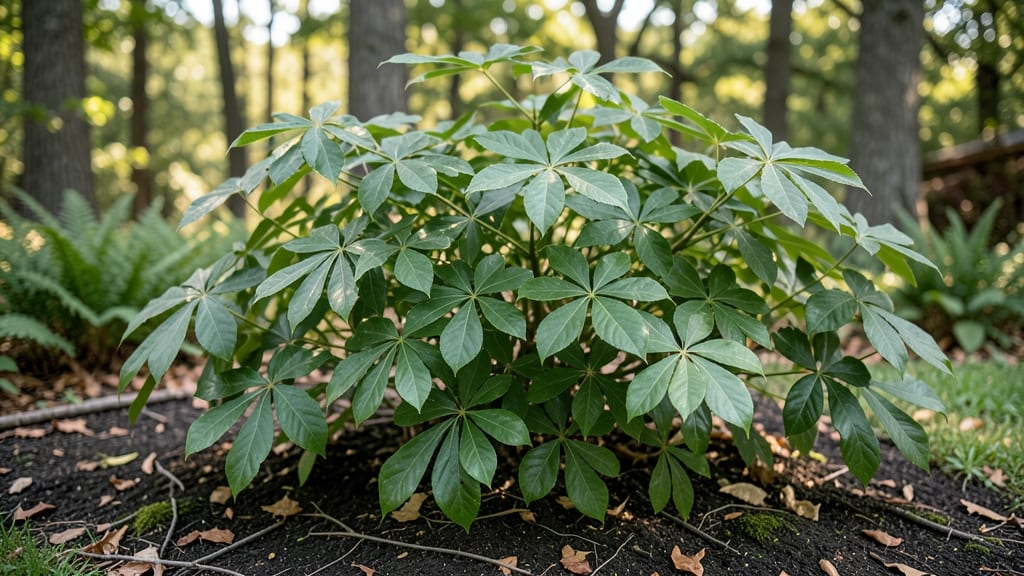
That five-leaf poison oak picture is your first warning sign—and ignoring it could mean a week of itchy misery. 🌿 Poison oak mimics harmless plants like boxelder or Virginia creeper, but its smooth-edged leaves with pointed tips and glossy finish give it away when you look closely.
One brush against the plant or crushed leaves triggers oil (urushiol) that causes blisters for 80% of people, so knowing what to watch for is your best defense.
The key is comparing leaf shapes: poison oak's leaves have five smooth lobes (like a mitten) and grow in groups of three along the stem. Boxelder leaves are jagged-edged and grow opposite each other, while Virginia creeper has seven-to-nine leaflets per stem.
In fall, poison oak turns fiery red—just when you're most likely to mistake it for harmless vines during hikes or yard work.
If you spot it, don't touch. Even dead plants release urushiol for years. For small patches, smother with thick cardboard or use vinegar-based spray (never burn it—the smoke carries the oil).
When in doubt, take a photo and text it to a local extension office—they'll confirm if it's the dangerous lookalike before you get too close.
Here's the hard truth: poison oak thrives in sunny areas and disturbed soil, so it's everywhere from forests to suburban backyards. Learning to spot it now means you'll avoid that familiar rash later—and trust me, you'll want to recognize it before your skin does. Safety first, always.
📚 In This Guide
- What you need
- Instructions
- Tips and common mistakes
- Wrapping up and next steps
What you need
- ● Smartphone or camera – A high-resolution device (12MP or better) to capture clear five-leaf poison oak pictures for comparison.
- ● Magnifying glass or loupe (3x–10x magnification) – Helps examine leaf details, stems, and berries up close.
- ● Field guide or app (e.g., iNaturalist, PictureThis, or a printed poison oak identification book) – For real-time comparisons.
- ● Gloves (nitrile or leather) – Protects hands from accidental contact while handling plants.
- ● Small notepad & pen – To jot down observations like leaf shape, location, or growth patterns.
- ● Handheld UV light (blacklight) – Poison oak leaves may fluoresce under UV, making identification easier in low light.
- ● Plastic bags or zip-top containers – For safely collecting leaf samples (seal tightly to avoid contamination).
- ● Spray bottle with water – Keeps leaves moist for better photography in dry conditions.
- ● First-aid kit – Include calamine lotion or hydrocortisone cream in case of accidental exposure.
How to identify five-leaf poison oak using visual clues
Here’s how I spot poison oak every time—no confusing it with harmless lookalikes.
🌿 Step 1: Examine the Leaf Shape and Arrangement
The defining feature is the five leaflets arranged in a clustered pattern (not alternating like true oak leaves). Each leaflet has a smooth, slightly rounded edge with a pointed tip. Hold the leaf up to light—you’ll see a slightly lighter underside than the top, which helps distinguish it from other plants.
I always compare it to a dandelion’s shape—three lower leaflets form a base, while the top two point upward. If you see three leaves instead of five, it’s likely poison ivy (its close cousin). Real talk: this is the moment that matters—mistaking it for a harmless vine or shrub can lead to a painful rash.
🌱 Step 2: Check the Stem and Bark for Telltale Signs
Young stems are greenish-brown and hairy, while older stems turn grayish-brown and smooth. Run your fingers along the stem—if it feels rough or slightly fuzzy, that’s a strong clue. Poison oak stems also climb or sprawl rather than grow upright like many trees.
Look for tiny white berries in late summer or fall—these are a dead giveaway. I’ve seen people overlook this because they focus only on the leaves, but the berries are a clear warning. If you’re in a wooded area and spot clusters of these, back away slowly—they’re toxic too.
☀️ Step 3: Compare to Safe Lookalikes Using Light and Shadows
Place the plant in bright, indirect light to see the leaf patterns clearly. Poison oak’s leaflets have distinct veins that spread outward like fingers. If you’re unsure, snap a photo and compare it to trusted sources—lighting makes all the difference in spotting the subtle differences.
I keep a small field guide or app handy when hiking. The key is to memorize the "leaves of three, let it be" rule for poison ivy, but poison oak’s five leaves are its signature. If the plant has thick, leathery leaves and grows as a shrub or vine, it’s almost certainly poison oak.
✂️ Step 4: Test with a Safe Method (If You Must)
If you’re still unsure, do not touch the plant. Instead, use a long stick or tool to gently brush a leaf. If the white, milky sap appears, that’s poison oak. I’ve seen people try to "test" with their fingers—don’t do this. Even a tiny amount of sap can cause a severe reaction.
Wash any tools or clothing that came into contact with the plant immediately with soapy water. I keep a small bottle of rubbing alcohol in my gardening bag to wipe down tools after handling suspicious plants. If you accidentally touch the plant, wash with cold water within 10 minutes to reduce irritation.
🪴 Step 5: Document and Report for Safety
Take clear photos from multiple angles—front, back, and close-ups of leaves, stems, and berries. I always include a reference object (like a coin or my hand) for scale. This helps experts confirm your ID and keeps others safe.
If you’re in a public area, report the location to local park services or wildlife agencies. They can mark it on maps to warn others. I’ve seen poison oak spread rapidly in trails—early reporting prevents outbreaks. Keep your photos in a digital album for future reference, too.
Tips & tricks for identifying five-leaf poison oak
Confession: I've spent too many summers itching from misidentifying this plant. Here's how I've learned to spot it every time without the painful consequences.
Lighting is Everything: The instructions mention using bright, indirect light, but I'll add this—morning sunlight works best. The subtle differences in leaf color and vein patterns become much clearer when the light is soft but bright. I've made the mistake of checking in harsh midday sun, and the details get lost. If you're out in the field, position yourself where the sun is behind you, casting light directly onto the leaves. This creates the best contrast for spotting those five leaflets and their distinct veins.
Seasonal Clues Don't Lie: While the instructions highlight berries in late summer/fall, I've learned to watch for another seasonal tell: new growth in spring. Young poison oak leaves start out with a reddish tint that fades to green. This color change is unique to poison oak in its early stages—most lookalikes maintain consistent green coloring. I always check for this reddish flush when hiking in spring, as it's a dead giveaway before the leaves even fully mature.
The Safety Test Backup: The instructions warn against touching, but I carry an extra safety measure: a small bottle of rubbing alcohol in my backpack. If I accidentally brush against a plant while using my stick test, I immediately wipe any exposed skin with this. Alcohol breaks down the urushiol oil faster than soap alone, and I've found it's more effective when applied within those critical 10 minutes mentioned in the instructions. Keep one in your car or hiking gear—it's a small investment that prevents big headaches.
Pro Tips for Five Leaf Poison Oak Pictures
- Confession: I've spent too many summers itching from misidentifying this plant.
- Lighting is Everything: The instructions mention using bright, indirect light, but I'll add this—morning sunlight works best.
- Seasonal Clues Don't Lie: While the instructions highlight berries in late summer/fall, I've learned to watch for another seasonal tell: new growth in spring.
Frequently asked questions
about five-leaf poison oak can help you stay safe and informed. Here are some common concerns and quick answers:How can I tell the difference between five-leaf poison oak and other plants?
Five-leaf poison oak has three shiny leaves with smooth edges (though often grouped in fives), while other lookalikes like boxelder or Virginia creeper have five or seven leaves with toothed edges. Rubbing the leaves can also cause an itchy rash—if you’re unsure, avoid touching!
How long does it take for poison oak symptoms to appear?
Symptoms like itchy red bumps, blisters, or swelling usually show up 12 to 48 hours after exposure. In rare cases, it may take up to a week. If you suspect contact, wash the area with soapy water immediately to reduce severity.
What’s the best way to treat poison oak if I get it?
Start with over-the-counter hydrocortisone cream or calamine lotion to ease itching. For severe reactions, see a doctor—oral steroids may be needed. Never scratch! It can worsen irritation and risk infection.
Are there natural alternatives to avoid poison oak?
Yes! Wear long sleeves/pants when hiking, use barrier sprays (like ivy block), and apply baking soda paste (mix with water) to neutralize oils if exposed. Jewelweed juice (from the plant) can also soothe rashes—just don’t touch poison oak first!
What should I do if I think I’ve been exposed near kids or pets?
Act fast! Wash the area with cold water and mild soap, then monitor for rashes. Keep pets away from the plant, and consult a vet if they lick contaminated fur. For kids, use fragrance-free lotions and avoid scratching to prevent infection.
Wrapping up and next steps
Identifying five-leaf poison oak is your first line of defense against its itchy, uncomfortable rash—so you’re already taking a smart step by learning its distinctive look. Remember: "Leaves of three, let it be!" But with five leaves, this sneaky plant demands extra caution.
Now that you’ve seen the pictures, tips, and FAQs, you’re equipped to spot it in the wild and avoid contact. Next, share this guide with friends or bookmark it for future hikes—because knowledge is the best protection! 🌿🛡️
- Pro Tip: Download a plant ID app to double-check suspicious foliage on the go!