
Pests and Diseases
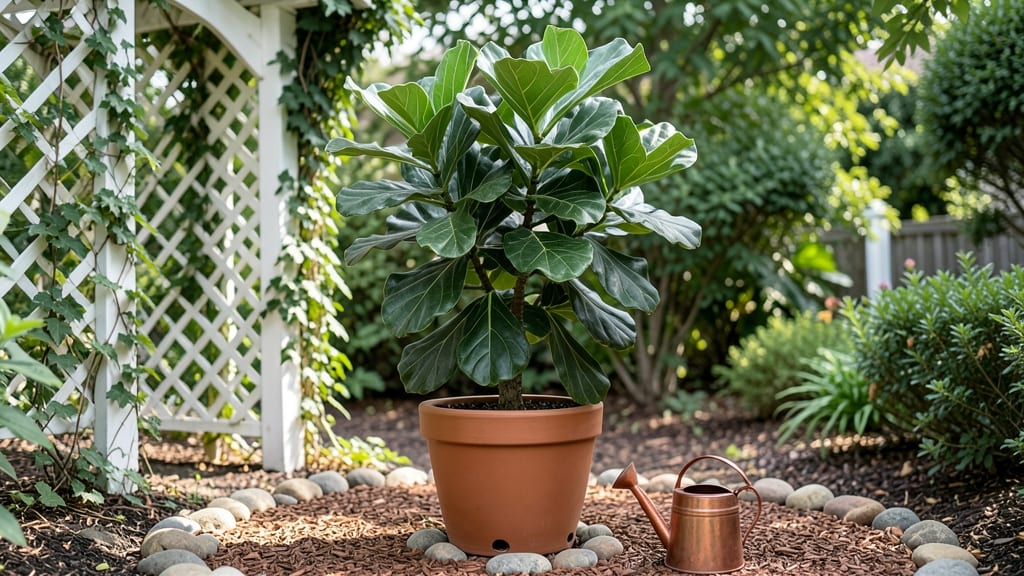
Your fiddle leaf fig outdoor can thrive in summer with the right care—no crispy edges required! 🌿 I’ve nursed more than a dozen back from the brink by adjusting just three things—light, water, and airflow—and the results are shockingly lush foliage by mid-July.
The key starts with hardening off over 7-10 days before moving it outside. Begin with morning sun only, then gradually extend exposure, always bringing it in by afternoon. Use a well-draining potting mix in a container with drainage holes—no soggy roots, ever—and keep it in partial shade at first.
Once established, your plant will reward you with deep green, glossy leaves that stay vibrant all season. The secret? Watering only when the top 1-2 inches of soil are dry, and misting leaves daily in hot weather to mimic its native humidity.
Even in full sun, the right care keeps those edges soft.
This works for both balconies and backyards—just watch for spider mites in dry heat, and you’ll have a fiddle leaf fig that thrives outdoors without the usual struggles. Ready to rescue yours?
📚 In This Guide
- What you need
- Instructions
- Tips and common mistakes
- Wrapping up and next steps
What you need
- ● Fiddle leaf fig (Ficus lyrata) – Ensure it’s healthy enough to transition outdoors (no severe pest infestations or root rot).
- ● Large, sturdy pot – 1-2 inches larger in diameter than the current pot, with drainage holes. Pro tip: Terracotta or ceramic works best for breathability! 🌡️
- ● High-quality potting mix – 1 bag (5-10 gallons) of well-draining, peat-based mix (e.g., African violet or cactus/succulent blend).
- ● Pruning shears or clean scissors – Sterilized with rubbing alcohol to avoid spreading disease.
- ○ Pruning sealant (optional but helpful) – 1 small bottle (e.g., tree wound pruning paste) to seal cuts and prevent infection.
- ● Misting bottle or spray nozzle – For gentle hydration adjustments.
- ● Gloves – 1 pair (nitrile or leather) to protect your hands from sap and sharp edges.
- ● Outdoor location checklist: Partial shade (morning sun + afternoon shade) or dappled sunlight.
- ● Protection from direct wind, rain, or extreme temperatures (below 50°F or above 90°F).
- ● Humidity tray or pebble tray – 1 tray + small pebbles to boost moisture levels if needed.
- ● Plant food – 1 bottle of balanced liquid fertilizer (e.g., 10-10-10) for a post-transplant boost.
- ● Shade cloth – Lightweight (30-50% coverage) to gradually acclimate your fig to outdoor light.
- ● Moisture meter – To monitor soil hydration without guesswork.
- ● Decorative mulch – 1 bag of organic mulch (e.g., bark chips) to retain moisture and add aesthetics.
Step-by-step instructions for reviving a fiddle leaf fig with crispy edges
Here’s how I nurse fiddle leaf figs back to health—no fancy tools, just smart care.
💧 Step 1: Check and Adjust Watering Habits
Crispy edges scream "overwatering" or inconsistent moisture. Stick your finger 1-2 inches deep into the soil—if it feels damp, wait. If dry, water thoroughly until it drains from the bottom. I use room-temperature water to avoid shocking the roots.
Fiddle leaf figs hate soggy soil but also can’t handle drought. Water when the top 2 inches feel dry, then let excess drain completely. Yellowing leaves mean you’ve overdone it; crispy edges mean you’ve underwatered. Find that sweet spot where the soil stays evenly moist but never soggy.
Pro tip: Group plants together to create a microclimate with more stable humidity. I place mine near a pebble tray filled with water to add moisture to the air without drowning the roots.
☀️ Step 2: Optimize Light Exposure Gradually
Fiddle leaf figs crave bright, indirect light—think filtered sunlight or a spot near a sheer curtain. If your plant’s been burning up in direct sun, move it to a spot with medium to bright indirect light immediately. Sudden changes can stress the plant further.
Watch for new growth: healthy leaves emerge with a deep green hue and smooth edges. If you see crispy edges persisting, the light might still be too harsh. Rotate the plant a quarter turn weekly so all sides get even exposure. Avoid south-facing windows in peak afternoon sun—it’s a crispy-edge magnet.
I’ve found that placing my figs 3-5 feet from an east or west window gives them enough light without the risk of leaf scorch. If that’s not an option, a grow light on a timer for 12-14 hours daily works wonders.
✂️ Step 3: Trim Damaged Leaves and Boost Humidity
Use clean, sharp scissors to snip off crispy edges or entire leaves at the base. Don’t leave stubs—they invite rot. I sterilize my scissors with rubbing alcohol between cuts to prevent spreading any hidden pathogens.
Boost humidity by misting the leaves 2-3 times weekly or placing a humidifier nearby. Fiddle leaf figs thrive in 40-60% humidity, but most homes run drier. Grouping plants together or using a pebble tray with water underneath the pot helps too.
For extra care, wipe the leaves gently with a damp cloth to remove dust—this helps them absorb light better. I do this every 2-4 weeks during the growing season. If you notice new growth with crispy edges, adjust your humidity first before blaming other factors.
🌿 Step 4: Fertilize Lightly and Monitor Progress
Wait until you see new healthy leaves before fertilizing—this usually takes 4-6 weeks. Once you’re in the clear, use a balanced liquid fertilizer (like 10-10-10) diluted to half strength. Feed every 4-6 weeks during spring and summer, then stop in fall and winter.
Over-fertilizing stresses fiddle leaf figs, so less is more. If you notice crispy edges after fertilizing, flush the soil with water to rinse out excess salts. I always fertilize in the morning so the plant has time to absorb nutrients before the heat of the day.
Keep an eye on your plant’s progress. If new leaves emerge with crispy edges, revisit your watering and humidity habits. If they’re smooth and vibrant, you’re on the right track. Patience is key—fiddle leaf figs can take 6-8 weeks to fully recover from crispy edges.
Tips & tricks for perfect fiddle leaf fig outdoor care
Here's what nobody tells you about bringing your fiddle leaf fig outdoors without turning its edges into crispy disaster zones.
Transition Tip: When moving your fiddle leaf fig outside, do it gradually over 7-10 days rather than all at once. Start with just 1-2 hours of morning sun in a shaded spot, then gradually increase exposure. Sudden changes can shock the plant and make crispy edges worse. Think of it like sunbathing—you wouldn't go from zero to full sun either!
Soil Check: Outdoor conditions change soil moisture faster than indoor environments. Test soil moisture by sticking your finger 2-3 inches deep—if it's dry at this depth, it's time to water. Remember, fiddle leaf figs prefer the top 2 inches to dry out between waterings, but outdoor winds and sun can dry soil more quickly. Keep a watering log to track patterns.
Outdoor Light Strategy: East-facing spots are ideal for outdoor fiddle leaf figs—they get gentle morning sun without the harsh afternoon rays that cause crispy edges. If you must use a west-facing spot, provide afternoon shade with a sheer curtain or mesh screen. The 12-14 hour grow light guideline from indoors translates to natural daylight hours outdoors, but supplement with shade during peak sun (11 AM - 3 PM).
Humidity Boost: Outdoor air is often drier than indoor environments, especially in windy conditions. Create a DIY humidity dome by placing your potted fig on a tray filled with pebbles and water, then covering it with a clear plastic tent (like a large plastic bag with holes for airflow). This mimics the 40-60% humidity range while protecting from direct wind. Remove the cover during watering to prevent root rot.
Pro Tips for Fiddle Leaf Fig Outdoor
- Here's what nobody tells you about bringing your fiddle leaf fig outdoors without turning its edges into crispy disaster zones.
- Transition Tip: When moving your fiddle leaf fig outside, do it gradually over 7-10 days rather than all at once.
- Soil Check: Outdoor conditions change soil moisture faster than indoor environments.
Frequently asked questions
Got questions about keeping your fiddle leaf fig happy outdoors?
You’re not alone! Here are some of the most common concerns—plus quick fixes to keep those lush leaves thriving.
Can I leave my fiddle leaf fig outside year-round?
Nope! While fiddle leaf figs (Ficus lyrata) love fresh air, they’re tropical plants and can’t handle frost or temperatures below 50°F (10°C). Bring it indoors before fall or use a greenhouse to protect it from cold snaps. A covered patio or balcony is great for summer, but monitor humidity—dry air can stress the plant.
Why are the edges of my fiddle leaf fig turning crispy?
Crispy edges usually mean underwatering or low humidity. If you’ve moved it outdoors, direct sun or wind can dry it out faster. Water when the top inch of soil is dry, and mist leaves (or use a pebble tray) to boost moisture. Pro tip: Check for pests like spider mites—they love dry conditions too!
How much sun does a fiddle leaf fig need outside?
Bright, indirect light is key—think dappled shade or morning sun. Too much direct sunlight (especially in summer) can scorch leaves, while too little causes leggy growth. A north- or east-facing spot is ideal. If leaves yellow, it might be getting too much sun; move it to a shadier area.
Do I need to adjust watering when my fiddle leaf fig is outside?
Yes! Outdoor conditions change water needs. Potted plants dry out faster in wind or heat, so check soil moisture daily. Water deeply until it drains from the bottom, but avoid soggy soil—root rot is a risk. Rule of thumb: Stick your finger in the soil; if it’s dry 1–2 inches down, it’s time to water.
What’s the best way to transition my fiddle leaf fig from indoors to outdoors?
Acclimate it gradually over 1–2 weeks to avoid shock. Start with 1–2 hours of shade daily, then slowly increase exposure. Watch for stress signs like wilting or brown spots—if they appear, slow down the process. Bonus tip: Fertilize lightly (half-strength) after 2–3 weeks outdoors to support new growth.
Wrapping up and next steps
Your fiddle leaf fig doesn’t have to be a lost cause—even those crispy edges can bounce back with the right care! 🌿 By mastering outdoor exposure, hydration balance, and protective measures, you’ll help your plant thrive year-round.
Remember, consistency is key, and a little patience goes a long way.
Ready to give your fiddle leaf fig the love it deserves? Start with one small adjustment today—whether it’s moving it to a shadier spot, checking soil moisture, or applying a protective spray. Your plant will thank you with lush, vibrant leaves! 🌟