
Pruning
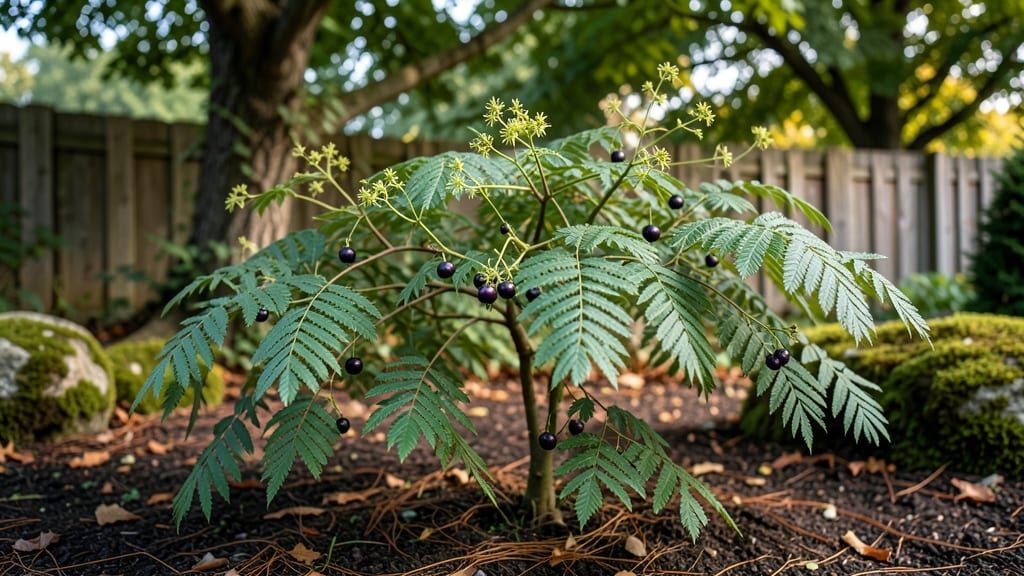
Pruning your fernleaf buckthorn tree keeps it lush and compact year-round. ✨ This evergreen shrub thrives with the right cuts—too much or too little can stunt its growth or leave it looking ragged. The key is timing, technique, and knowing which stems to prioritize.
Start by removing dead or crossing branches first—they’re easy to spot and create weak spots. Next, thin out older growth from the center to improve airflow and sunlight penetration.
I’ve found that pruning in late winter or early spring gives the plant the best chance to bounce back before the growing season kicks in. You’ll notice new, vibrant growth within weeks, with denser foliage that stays green even in winter.
The fernlike leaves add texture to any garden, and with proper pruning, it forms a neat, hedge-like shape that works as a screen or foundation plant. Works well in partial shade to full sun, making it versatile for different garden spots.
Just avoid heavy pruning in fall—it can stress the plant before winter dormancy.
📚 In This Guide
- What you need
- Instructions
- Tips and common mistakes
- Wrapping up and next steps
What you need
- ● Pruning shears: Sharp, bypass-style shears (for clean cuts on small branches). (1 pair)
- ● Loppers: For thicker branches (up to 2 inches in diameter). (1 pair, with a 6–8-inch cutting range)
- ● Pruning saw: For stubborn, larger branches (3+ inches). (1 saw, with a fine-tooth blade)
- ● Garden gloves: Heavy-duty, cut-resistant gloves (to protect from thorns and sap). (1 pair)
- ● Disinfectant (70% isopropyl alcohol or pruning sealant): To sterilize tools and prevent disease spread. (Small bottle or spray)
- ● Buckets or bags: For collecting pruned branches. (2–3 containers, lined with trash bags if needed)
- ○ Extension pole (optional): For high branches (10+ feet). (Adjustable, 6–10 ft)
- ● Ladder: Sturdy, non-slip ladder (if tree exceeds 8 feet). (Check weight limit!)
- ○ Hand pruners (optional): For precise trimming of tiny shoots. (1 pair, if needed)
- ○ Tree wound dressing (optional): For sealing large cuts (controversial—skip if unsure!). (Small tube)
- ● Notebook & pen: To map out pruning cuts before you start. (1 notebook)
Step-by-step pruning guide for fernleaf buckthorn trees
Pruning this hardy tree keeps it lush, encourages vibrant foliage, and prevents disease—here's how to do it right.
✂️ Step 1: Prune in Late Winter or Early Spring
Wait until just before new growth begins, when the tree is still dormant. This is typically February through March in most climates. You'll know it's time when buds swell but haven't yet opened. Pruning at this time prevents stressing the tree during its active growing season.
Start by removing any dead, diseased, or crossing branches first. These are easy to spot—they'll be brown, brittle, or growing inward toward the center of the tree. Use clean, sharp pruning shears to make cuts at a 45-degree angle, about ¼ inch above a bud or branch collar. This ensures proper healing and prevents water from pooling.
✂️ Step 2: Thin Out the Canopy for Better Airflow
Fernleaf buckthorn benefits from an open, airy structure. Look for branches that are too dense or rubbing against each other. Remove about 20-30% of the smallest branches to improve light penetration and reduce disease risk. Focus on the inner canopy first, where airflow is typically poorest.
When thinning, cut branches back to a lateral branch or bud. Avoid leaving stubs—these can invite pests and diseases. If you're unsure which branch to remove, step back and look at the tree from all sides. The goal is to create a balanced, pyramid-like shape that allows sunlight to reach all leaves.
✂️ Step 3: Shape the Tree for Balance and Structure
Now it's time to refine the tree's overall shape. Fernleaf buckthorn responds well to light pruning, so avoid heavy cutting. Instead, focus on removing branches that disrupt the natural form or grow in awkward directions. Start at the bottom and work your way up to maintain a tapered silhouette.
Pay special attention to any branches growing toward the center of the tree. These compete for sunlight and nutrients, weakening the tree over time. Cut them back to a strong lateral branch or bud. You'll see the tree's natural growth pattern emerge as you prune—let that guide your cuts. Avoid over-pruning; even a mature fernleaf buckthorn can recover from light shaping.
⏰ Step 4: Light Summer Pruning for Maintenance
After the initial spring pruning, monitor the tree throughout the summer. Remove any new growth that appears weak, leggy, or diseased as soon as you spot it. This keeps the tree healthy and prevents problems from spreading. Summer pruning should be minimal—just enough to maintain the shape you established in spring.
If you notice any branches growing too vigorously or disrupting the tree's balance, trim them back by ⅓ of their length using the same 45-degree angle technique. Avoid heavy pruning in summer, as it can stress the tree and encourage new growth that won't harden off before winter. Always use clean tools to prevent introducing pathogens.
✂️ Step 5: Clean Up and Prepare for Winter
In late fall, after the leaves have dropped but before the first hard frost, do a final cleanup. Remove any remaining dead or diseased branches, as well as any sucker growth at the base of the tree. These can harbor pests and diseases over winter. Dispose of all pruned material in the trash—not the compost—since diseased branches can spread pathogens.
Sharpen your pruning tools and store them in a dry place. A little maintenance now ensures your fernleaf buckthorn stays healthy and vibrant year-round. With consistent pruning, your tree will develop a strong structure, lush foliage, and resistance to common pests and diseases. You'll notice the difference in just one growing season!
Tips & tricks for pruning fernleaf buckthorn trees
Let me save you from the common mistakes that can turn your pruning session into a frustrating chore. These simple tricks will help you achieve a healthy, vibrant tree with minimal stress.
Timing is Everything: The February through March window is critical because this is when the tree is still dormant but just starting to wake up. I learned this the hard way—pruning too early can leave the tree vulnerable to cold damage, while waiting too long stresses it during active growth. Look for those swollen buds that haven't yet opened; that's your perfect cue. If you miss this window, you can still do light maintenance pruning in summer, but avoid heavy shaping.
Tool Prep Makes All the Difference: Before you even touch the tree, take 10 minutes to clean and sharpen your pruning shears. A dull blade tears tissue instead of making clean cuts, which slows healing and invites disease. I keep a small file in my toolkit and sharpen blades after every few cuts during heavy pruning sessions. Also, disinfect your tools with rubbing alcohol between cuts on diseased branches—this prevents spreading pathogens to healthy parts of the tree.
The 20-30% Rule for Canopy Thinning: When you're removing those 20-30% of smallest branches in Step 2, focus on the inner canopy first where airflow is poorest. I use a simple trick: step back and look at the tree from all sides. If you can't see light filtering through to the center, that's where you need to work. Start with the smallest branches—these are often the ones causing crowding. Cutting them back to a lateral branch or bud creates a natural, open structure that lets sunlight reach all parts of the tree.
Visual Cues for Proper Cuts: That 45-degree angle and ¼-inch above the bud might sound technical, but here's how to do it right: imagine slicing off the top of a slice of pizza at a slight angle. The cut should be just above a bud that's facing outward from the branch. This ensures new growth will continue in the right direction. If you're unsure which bud to aim for, look for the one that's positioned where you want the new growth to emerge—usually facing away from the center of the tree.
Pro Tips for Fernleaf Buckthorn Tree
- Let me save you from the common mistakes that can turn your pruning session into a frustrating chore.
- Timing is Everything: The February through March window is critical because this is when the tree is still dormant but just starting to wake up.
- Tool Prep Makes All the Difference: Before you even touch the tree, take 10 minutes to clean and sharpen your pruning shears.
Frequently asked questions
Got questions about keeping your fernleaf buckthorn tree thriving with the right pruning? Here are some common concerns—and their answers—to help you maintain a healthy, lush tree year-round.
When is the best time to prune fernleaf buckthorn?
The ideal time to prune is late winter or early spring (just before new growth begins). For light shaping, you can prune in summer or fall, but avoid heavy cuts during these seasons to prevent stress. Avoid pruning in winter if temperatures drop below freezing—it can damage tender new growth.
How much can I prune without harming the tree?
Fernleaf buckthorn is highly resilient, so you can remove up to 25-30% of the foliage in a single session without major issues. For young trees, limit pruning to 10-15% to encourage strong root and branch development. Always use clean, sharp tools to minimize damage and disease risk.
Why are my leaves turning yellow or brown after pruning?
Yellowing or browning leaves after pruning usually signals over-pruning, stress, or disease. If it’s mild, the tree may recover in a few weeks with proper watering. For severe discoloration, check for powdery mildew or fungal issues—prune affected branches immediately and apply a fungicide if needed. Avoid pruning during wet conditions to reduce infection risks.
Can I prune fernleaf buckthorn to control its size?
This tree responds well to regular shaping. To keep it compact, prune back by 1/3 each year during late winter. For a hedge-like appearance, trim new growth in summer to encourage bushier growth. Just avoid cutting into old wood—fernleaf buckthorn struggles to regrow from severe cuts.
Are there alternatives to pruning for managing growth?
If pruning feels overwhelming, consider selective thinning (removing only crowded or crossing branches) or root pruning (for container-grown trees) to control size. For aggressive growth, fertilizing in early spring with a balanced 10-10-10 formula can promote healthier, slower expansion. Mulching also helps regulate root growth naturally!
Wrapping up and next steps
The fernleaf buckthorn tree thrives with the right pruning care, offering year-round beauty and resilience! By following seasonal techniques—like light shaping in spring, structural trimming in summer, and protective cuts in winter—you’ll keep this hardy tree lush and healthy.
Remember, consistency is key, and a little effort now means vibrant foliage and fewer pests later.
Ready to give your fernleaf buckthorn the TLC it deserves? Grab your tools and start pruning today! 🌿✂️ For extra confidence, bookmark this guide or share it with fellow gardening enthusiasts. Happy pruning!