
Diseases
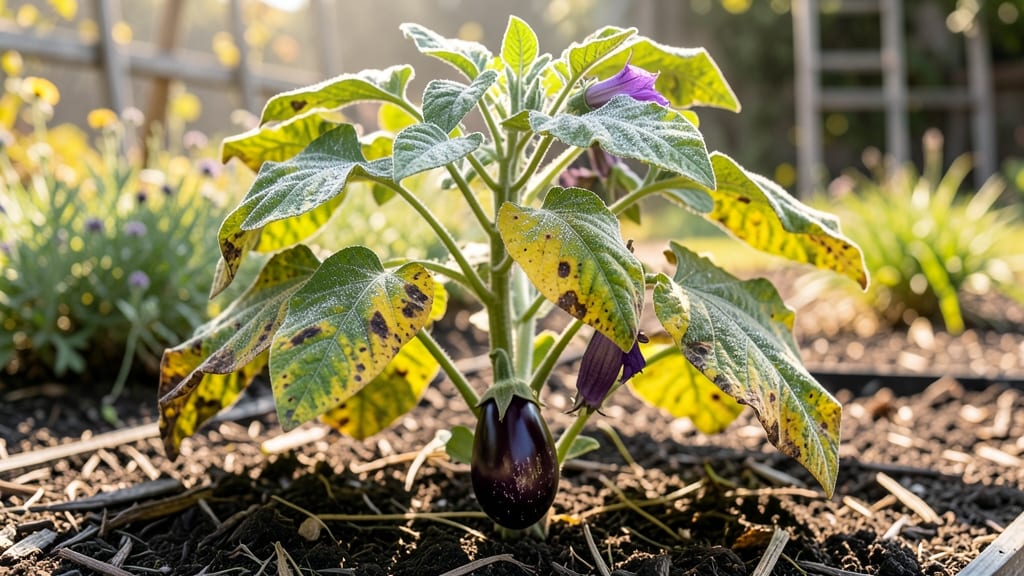
Seeing those suspicious brown spots on your eggplant leaf diseases pictures? 🌿 That’s your first warning sign before the plant’s health spirals. I’ve spent three summers battling fungal spots that turned my thriving plants into sad, yellowing shadows—until I learned to spot the early clues and act fast.
The most common culprits are leaf spot diseases (like Septoria or Alternaria) and powdery mildew, both of which start as tiny dots that expand into ugly, spreading patches. The key to saving your harvest is catching these early—before the spots merge, the leaves crisp, and the plant gives up.
I’ll show you exactly what to look for, plus the simple fixes that actually work. By the end, you’ll recognize the difference between a harmless leaf blemish and a full-blown infection.
You’ll also know which organic sprays (like neem oil or copper fungicide) to reach for, and how to adjust your watering and spacing to stop future outbreaks. No more guessing—just clear visuals and actionable steps. This works for both backyard gardens and container-grown eggplants.
Let’s get those leaves healthy again before the next downpour turns things worse.
Root Causes Behind Leaf Troubles
Eggplant leaves don’t just wilt or spot out of the blue—they’re usually sending SOS signals about deeper issues. Understanding why these diseases strike helps you stop them before they ruin your harvest.
Let’s break down the science behind the most common triggers, so you can protect your plants like a pro.
Most eggplant leaf diseases are caused by fungi, which thrive in warm, humid conditions. These microscopic invaders latch onto weak spots—like wounds or old leaves—and multiply rapidly. Here’s how they take hold:
- Spore Spread: Fungi release spores (like tiny seeds) that float in the air or hitchhike on water, tools, or even your shoes. Once they land on a leaf, they germinate if moisture and warmth are present.
- Overcrowded Plants: Poor airflow between leaves creates a fungal paradise. Dense foliage traps humidity, giving pathogens the perfect breeding ground. 🌱💨 Pro Tip: Space plants 18–24 inches apart for better circulation.
- Old or Damaged Leaves: Yellowing, torn, or diseased leaves act as fungal buffets. Remove them immediately to starve the spores.
Key Fungi to Watch For:
Disease
How It Starts
Early Blight (Alternaria solani)
Spores survive in soil or plant debris, then splash onto leaves during watering or rain.
Powdery Mildew (Oidium)
Thrives in high humidity (70%+) and low light, forming white, powdery patches.
Target Spot (Corynespora cassiicola)
Loves hot, wet conditions—common in southern climates or greenhouses.
Water isn’t just a necessity—it’s a fungal delivery system. Here’s how it backfires:
- Overhead Watering: Splashing water onto leaves spreads spores like confetti. 💦 Fix: Use drip irrigation or water at the base.
- Poor Drainage: Soggy soil weakens roots, making plants vulnerable. Check: If water pools after 30 minutes, amend soil with compost or sand.
- Late-Day Watering: Leaves stay wet overnight, giving fungi a 24-hour party. Rule: Water early in the day so foliage dries by sunset.
💡 Quick Test: If your soil feels like a sponge (won’t drain in 1–2 hours), it’s time to improve drainage.
Eggplants under stress stop fighting diseases. Common stressors include:
- Nutrient Deficiencies:
- Magnesium (Mg) deficiency (yellow leaves between veins) weakens cell walls, making them easier targets.
- Nitrogen (N) deficiency stunts growth, leaving plants slow to recover from damage.
- Extreme Temperatures: Heat stress (above 90°F) or cold snaps (<50°F) shock plants, lowering their disease resistance.
- Pests as Gatecrashers: Bugs like aphids or spider mites damage leaves, creating entry points for fungi. 🐜 Solution: Treat pests before fungal symptoms appear.
🎯 Prevention Hack: Mulch with straw or wood chips to regulate soil temperature and retain moisture without drowning roots.
Some factors are out of your hands—but you can still mitigate them:
- Humidity: Fungi love 80%+ humidity. Use a hygrometer to monitor levels; aim for <60% during growth.
- Rainy Seasons: Heavy downpours wash spores onto plants. Plan ahead: Choose disease-resistant varieties like ‘Black Beauty’ or ‘Ichiban.’
- Poor Airflow: Greenhouses or shaded areas trap moisture. Upgrade: Add fans or prune to improve ventilation.
🔥 Emergency Move: If downpours are forecasted, apply a copper fungicide as a preventive shield.
Fixing Fungal Foes on Eggplants
Now that you’ve spotted the trouble, let’s roll up our sleeves and tackle those pesky eggplant leaf diseases before they turn your garden into a fungal buffet. 🍄🚫 The good news? Most of these issues respond well to early action—so don’t wait!
Below, we’ve matched the most common causes with practical, step-by-step fixes, plus prevention tips to keep your plants thriving.
1. Early Blight (Brown Spots with Concentric Rings)
🔥 Act Fast: Remove infected leaves immediately - 🍳 Prune & Dispose: Snip off leaves with brown spots (at least 6 inches below the damage) using sterilized pruners (wipe with rubbing alcohol between cuts).
Bag and trash them—do not compost. - 👨🍳 Fungicide Spray: Apply a copper-based fungicide (like Bordeaux mixture) or neem oil spray (1 tbsp neem oil + 1 tsp mild soap per quart of water).
Spray undersides of leaves where spores hide. - 🥘 Boost Plant Health: Feed with balanced fertilizer (10-10-10) to strengthen defenses. Avoid overhead watering—water at the base in the morning.
💡 Prevention Pro Tip: Rotate crops yearly—never plant eggplants, tomatoes, or peppers in the same spot for 3 years. Fungal spores love lingering in soil!
2. Late Blight (Dark, Greasy Patches + Yellowing) ⚠️ Emergency Mode: This spreads like wildfire!
🔪 Quarantine & Destroy: Remove all infected plants (including roots) and burn or deep-trash them.
Do not leave plant debris in the garden. - 🌡️ Copper or Chlorothalonil: Spray chlorothalonil fungicide (e.g., Daconil) every 5–7 days until new growth appears.
For organic gardens, copper soap spray (4 tbsp copper sulfate + 2 tbsp soap per gallon) works. - 🎯 Adjust Watering: Water only in the morning and avoid wetting leaves. Use drip irrigation or soaker hoses.
✨ Game-Changer Tip: Plant resistant varieties like ‘Black Beauty’ or ‘Ichiban’. If late blight hits, cover plants with row fabric at night to block spore spread.
3. Powdery Mildew (White, Fluffy Coating) 🍯 Baking Soda to the Rescue!
🧼 Homemade Spray: Mix 1 tsp baking soda + 1 tbsp horticultural oil + 1 tsp soap per quart of water.
Spray both sides of leaves every 7–10 days until mildew disappears. - 🌿 Improve Airflow: Space plants 18–24 inches apart and prune for better ventilation. Avoid crowding! - 💪 Strengthen Leaves: Apply potassium-rich fertilizer (like wood ash or kelp meal) to boost natural resistance.
💡 Prevention Hack*: Reflective mulch (aluminum foil or silver plastic) under plants confuses mildew spores—reduce infection by 50%!
4.
Anthracnose (Sunken, Dark Lesions) 🔪 Surgical Strike: Cut it out! - 🍴 Remove Severely Infected Leaves: Focus on young, healthy leaves—save them for propagation if possible. - 🧴 Fungicide Rotation: Alternate between chlorothalonil and myclobutanil (like Immunox) every 10 days for 3 weeks. - 🌧️ Dry It Out: Anthracnose thrives in humidity.
Use fungicide-treated row covers in rainy seasons.
🎯 Prevention Must-Do: Sterilize tools after each use—anthracnose spores hitchhike on dirty pruners!
5.
Bacterial Leaf Spot (Water-Soaked Spots) 🚨 No Cure—But Control! - 🧼 Copper Bactericide: Spray copper hydroxide (e.g., Kocide) every 7–10 days to slow spread. - 🚫 Stop Overhead Watering: Use drip irrigation and water early to dry leaves by nightfall. - 🌱 Crop Rotation + Solarization: After harvest, solarize the soil (cover with clear plastic for 4–6 weeks) to kill bacteria.
💡 Last Resort*: If bacterial spot is rampant, replace the plant—it won’t recover, and bacteria will spread to neighbors.
To keep fungal diseases at bay, follow this maintenance routine: - 🌿 Space Plants Properly: Crowding = fungal paradise. Aim for 18–24 inches between eggplants. - 💦 Water Wisely: Morning watering at the base only.
Avoid wet foliage. - 🧹 Clean Up Debris: Remove fallen leaves, mulch, and weeds weekly—fungi love hiding there. - 🔄 Rotate Crops: Never plant nightshades (eggplant, tomato, pepper) in the same spot two years in a row. - 🌡️ Monitor Humidity: Use a dehumidifier in greenhouses or improve airflow with fans.
⏰ Remember: The key to beating eggplant leaf diseases is speed + consistency. Start treatments at the first sign of trouble, and your plants will bounce back stronger than ever! 🚀🌱
Frequently asked questions
How can I tell if my eggplant leaf spots are fungal vs. bacterial?
Fungal spots usually have concentric rings (like target patterns) and may appear fuzzy or powdery (like mildew). Bacterial spots look water-soaked or greasy, often with yellow halos around them. Check the undersides of leaves—fungi often start there with white or gray mold.
Can I use the same fungicide spray for all eggplant leaf diseases?
No—some diseases need specific treatments. Copper-based sprays work for bacterial spots and early blight, but powdery mildew responds better to baking soda mixes. Always match the treatment to the disease (see our visual guide for exact matches). Rotate fungicides every 2-3 weeks to prevent resistance.
Why do my eggplant leaves get spots even when I water at the base?
Base watering helps, but spores can still spread through tools, wind, or contaminated soil. Check for: overcrowding (poor airflow), old mulch (harbors spores), or pests (aphids carry diseases). Sterilize pruners and remove all plant debris after harvest to break the cycle.
Are there any eggplant varieties that naturally resist leaf diseases?
Yes! Try 'Black Beauty' or 'Ichiban'—both have better disease resistance. For extreme climates, 'Rosa Bianca' handles humidity well. Always buy from reputable nurseries and inspect leaves before planting. Pro tip: Start with disease-free seedlings to avoid introducing problems.
How long does it take to see improvement after treating fungal spots?
With early treatment, you may see new growth in 7-10 days. For severe cases, it could take 2-3 weeks to fully recover. Consistency is key—keep spraying every 5-7 days and remove infected leaves immediately. If no improvement after 3 weeks, the plant may be too compromised to save.