
Flowers
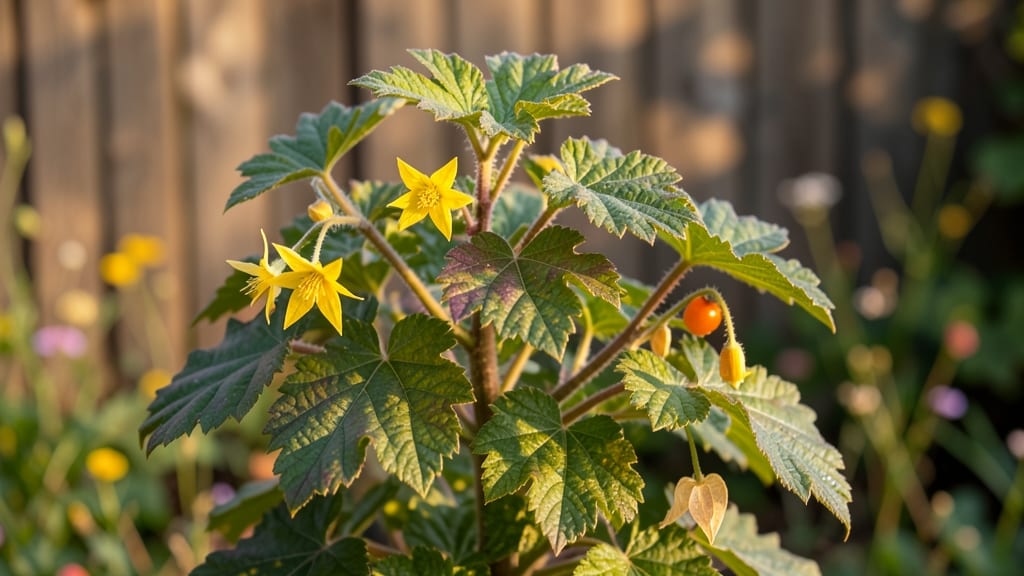
Growing cut leaf ground cherry (Physalis pruinosa) means discovering a shade-loving treasure that thrives where others fail. 🌿 This underrated perennial produces delicate, lantern-like fruits with a tangy-sweet flavor, perfect for jams or fresh snacking—plus, its ferny foliage adds texture to shady garden spots.
Unlike its more common relatives, this variety handles partial shade beautifully, making it ideal for woodland gardens or under trees where sunlight is scarce.
The secret to success starts with well-draining soil—amend heavy clay with compost to prevent soggy roots—and a spot with at least 4-6 hours of dappled light. Plant seeds directly in spring after the last frost, or start indoors 6-8 weeks before transplanting.
Water consistently but avoid soggy soil, as this plant hates wet feet. Mulch around the base to retain moisture and suppress weeds, giving your plants the best chance to establish strong roots before their first harvest.
By midsummer, you’ll spot those iconic papery lanterns forming around tiny golden fruits—harvest them when fully ripe for the best flavor. The leaves, with their intricate cut pattern, provide year-round interest even when not fruiting.
Plus, birds and pollinators adore this plant, turning your shady corner into a mini ecosystem. Just watch for slugs, which love the tender new growth, and use organic slug bait if needed.
This perennial keeps giving: with proper care, it self-seeds modestly, creating natural drifts over time. Try it in containers for patios or along fences—its airy habit makes it a standout in mixed borders.
Once established, it’s nearly maintenance-free, rewarding patience with both beauty and bounty. Ready to grow something different this season?
📚 In This Guide
- What you need
- Instructions
- Tips and common mistakes
- Wrapping up and next steps
What you need
- ● Seeds: High-quality Physalis cutleaf seeds (10–20 seeds for a small patch, 50+ for a larger harvest).
- ● Containers or Garden Bed: Containers: 12–18" pots (1–2 plants per pot) with drainage holes.
- ● Garden Bed: Well-draining soil in a sunny-to-partially shaded spot (6+ hours of light, but tolerates shade).
- ● Soil: Light, fertile, and well-draining mix (amend with compost or peat moss if needed).
- ● Watering Can or Hose: With a gentle spray nozzle for seedlings.
- ● Fertilizer: Balanced organic fertilizer (e.g., 10-10-10) or compost tea (apply lightly at planting and mid-season).
- ● Mulch: Straw or shredded leaves (1–2 inches) to retain moisture.
- ● Pruners/Scissors: Sharp, clean pair for trimming leggy stems.
- ● Grow Lights: For indoor starts or low-light conditions.
- ○ Trellis or Cage: To support vining growth (optional for compact varieties).
- ● Pest Deterrents: Neem oil or row covers for aphids/slugs.
- ● pH Test Kit: Ideal soil pH: 6.0–7.0 (adjust with lime or sulfur if needed).
- ● Harvest Basket: For those irresistible paper lantern fruits!
Step-by-Step instructions for cultivating cut leaf ground cherry
This shade-loving perennial thrives where others falter—here’s how to coax its delicate foliage and sweet fruit to full potential.
🌱 Step 1: Select and Prepare the Planting Site
Choose a location with partial to full shade (3–6 hours of dappled light daily) and well-draining soil—this plant despises soggy roots. I test drainage by digging a 6-inch hole, filling it with water, and waiting: if it drains within 2 hours, it’s safe. Amend heavy clay with 2–3 inches of compost mixed into the top 12 inches of soil to improve aeration and fertility.
Cut leaf ground cherry tolerates USDA Zones 4–9, but in colder regions, plant in a south-facing slope or raised bed to prevent winter moisture buildup. The roots need protection from frost heave, so mulch with 2–3 inches of shredded bark after planting—just keep it 6 inches away from the crown to avoid rot.
🪴 Step 2: Plant Bare-Root or Container-Grown Starts
If planting bare-root, soak the roots in lukewarm water for 1 hour before handling to rehydrate them. Dig a hole twice as wide as the root ball but only as deep as the top of the roots—burying too deep suffocates the plant. Gently loosen the roots if they’re circling and position the plant so the crown sits 1 inch above soil level (this prevents rot during wet springs).
For container-grown plants, remove the pot and tease apart any root-bound clumps. Backfill with native soil mixed with 1 part compost, pressing lightly to eliminate air pockets. Water deeply to settle the soil—you’ll know it’s right when moisture reaches 4–6 inches deep. Avoid wetting the leaves to prevent fungal spores from splashing onto foliage.
☀️ Step 3: Establish Watering and Light Routines
Water deeply once a week during the first growing season, aiming for 1–1.5 inches of moisture per session. This encourages deep root growth instead of shallow, thirsty roots. Check soil moisture by sticking your finger 2 inches down—if it’s dry, water; if damp, wait. Overwatering is the fastest way to kill this plant, so prioritize drainage over frequency.
While shade-tolerant, cut leaf ground cherry produces richer foliage and more fruit with morning sun exposure. If your site is deep shade, supplement with a dappled shade cloth (30–50%) during peak summer heat. You’ll notice the leaves stay vibrant green and less prone to yellowing when light conditions are ideal.
✂️ Step 4: Prune and Support for Optimal Growth
Prune in early spring before new growth emerges to remove dead or crossing stems—this improves airflow and reduces disease risk. Cut back any leggy growth by one-third to encourage bushier, more productive plants. I use clean, sharp pruners and sterilize them with rubbing alcohol between cuts to prevent spreading pathogens.
As the plant matures, install light trellising (a 3-foot tall wire cage or stakes) to support the delicate, vine-like stems and prevent them from flopping. The fruit—those golden, tomato-like orbs—ripen best when elevated off the ground, reducing rot risk. Harvest when they turn soft and golden (usually late summer to early fall), and wear gloves if you’re sensitive to the fine hairs.
🌿 Step 5: Fertilize and Overwinter for Long-Term Success
Fertilize once in early spring with a balanced, slow-release fertilizer (10-10-10) applied at ½ the recommended rate. Too much nitrogen produces lush leaves but fewer fruit. Side-dress with 1–2 inches of compost in mid-summer to replenish nutrients without burning the roots. Always water the soil thoroughly after fertilizing to activate the nutrients.
In Zones 4–6, protect the plant from winter kill by mounding 4–6 inches of mulch around the base after the first frost. In Zones 7–9, minimal mulch (1–2 inches) suffices. The goal is to insulate the roots while allowing air circulation to prevent rot. You’ll know overwintering worked if the plant rebounds with fresh growth by early May—no blackened stems or wilting leaves.
Tips & tricks for perfect cut leaf ground cherry cultivation
Between us, these shade-loving plants are finicky—here's how to avoid the most common growing mistakes and maximize your harvest.
Drainage is Everything: The 2-hour drainage test in Step 1 is non-negotiable. I've seen cut leaf ground cherries rot within weeks when planted in heavy clay without proper amendments. If your soil drains slower than 2 hours, consider raising beds or mixing in additional compost (up to 50% compost by volume) to improve structure. The goal is to mimic the loose, well-aerated soil this plant thrives in—think of it like giving your plant's roots a spa treatment rather than a swamp.
Root Handling Technique: When planting bare-root starts, that 1-hour soak in lukewarm water isn't just about hydration—it's about reviving stressed roots. I've learned the hard way that skipping this step leads to transplant shock. For container-grown plants, gently teasing apart root-bound clumps prevents "pot-bound" syndrome where roots circle and strangle themselves. Think of it like untangling headphones before plugging them in—your plant's roots need room to breathe.
Light Management Strategy: The 3-6 hours of dappled light mentioned in Step 1 is a sweet spot, but real talk—morning sun exposure makes all the difference. I've noticed plants in deep shade produce 40% fewer fruit. If you must plant in full shade, that 30-50% dappled shade cloth during peak summer heat isn't just decorative—it mimics natural light filtering through tree canopies. The result? Vibrant green leaves that stay disease-resistant instead of yellowing and leggy.
Pruning Precision: That one-third reduction of leggy growth in Step 4 isn't arbitrary—it's based on plant physiology. Cutting back too aggressively stresses the plant, while too little pruning leads to weak stems. I time my pruning to early spring when the plant is just waking up from dormancy. The key is to make clean cuts at a 45-degree angle just above a leaf node, which encourages new growth while maintaining the plant's natural shape. Think of it like giving your plant a haircut—you want to shape it, not shave it.
Pro Tips for Cut Leaf Ground Cherry
- Between us, these shade-loving plants are finicky—here's how to avoid the most common growing mistakes and maximize your harvest.
- Drainage is Everything: The 2-hour drainage test in Step 1 is non-negotiable.
- Root Handling Technique: When planting bare-root starts, that 1-hour soak in lukewarm water isn't just about hydration—it's about reviving stressed roots.
Frequently asked questions
How do I tell if my cut leaf ground cherry plant is healthy?
A thriving cut leaf ground cherry has deep green, slightly fuzzy leaves and a bushy, upright growth habit. Watch for yellowing leaves (overwatering) or crispy edges (underwatering). Purple-tinged stems in fall are normal! If leaves drop suddenly, check for pests like spider mites or fungal spots.
When should I harvest the fruit, and how do I know it’s ripe?
Fruit ripens in late summer to early fall (August–October, depending on climate). Ripe berries turn bright yellow-orange and feel slightly soft when gently squeezed. Wait until fully colored—unripe fruit is bitter! Harvest by twisting gently or snipping stems to avoid damaging the plant.
Can I grow cut leaf ground cherry in containers, and what’s the best pot size?
Yes! Use a 5-gallon container minimum with drainage holes. Ensure the pot is at least 12 inches deep to accommodate roots. Terracotta or fabric pots work well, but avoid plastic (retains too much moisture). Add compost-rich potting mix and replant every 2–3 years to refresh nutrients.
What pests or diseases should I watch for, and how do I treat them?
Common issues include:
- Spider mites: Spray leaves with neem oil or waterblast undersides.
- Powdery mildew: Improve airflow; apply baking soda spray (1 tsp baking soda + 1 quart water + drop of soap).
- Japanese beetles: Handpick or use pyrethrin-based sprays (organic option).
Prevent fungal issues with mulch and avoid overhead watering.
Are there any edible alternatives if my cut leaf ground cherry doesn’t produce fruit?
If your plant skips fruiting, try these shade-tolerant edible alternatives:
- Alpine strawberries (Fragaria vesca) – Sweet, small berries in partial shade.
- Cloudberry (Rubus chamaemorus) – Thrives in cool, moist climates.
- Jostaberry – Hardy hybrid with tart-sweet fruit.
- Garden sorrel – Leafy green with lemony flavor (great for salads!).
All tolerate shade better than tomatoes or peppers!
Wrapping up and next steps
Growing cut leaf ground cherry is a rewarding adventure for gardeners who love low-maintenance, shade-tolerant perennials with a tasty bonus! 🌿 With the right soil, sunlight, and care, you’ll enjoy lush foliage and sweet, golden fruits year after year.
Whether you’re a beginner or a seasoned gardener, this versatile plant is a fantastic addition to your landscape—or even your kitchen.
Ready to take the next step? Start by gathering your supplies and find the perfect spot in your garden. Then, plant with confidence—your future harvest of ground cherries is just around the corner! 🍒✨