
Shrubs
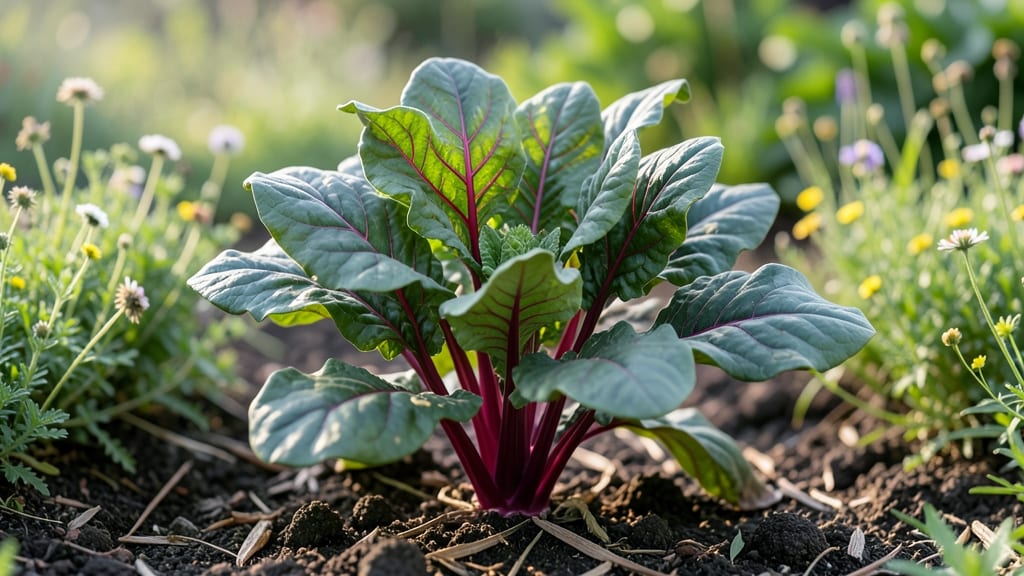
Growing a leafy green red stem plant transforms your garden into a living work of art. 🌿 Swiss chard, with its striking burgundy stems and tender greens, thrives even when temperatures dip—something store-bought greens can't match.
The secret lies in its cold-hardy nature and adaptability, making it perfect for gardeners who want beauty and bounty year-round.
Start with well-draining soil rich in organic matter—think compost mixed into the top 6 inches. These plants love full sun to partial shade (at least 4-6 hours daily), and they’ll reward you with vibrant foliage if kept consistently moist but not soggy.
Space seedlings 10-12 inches apart to give them room to grow, and avoid overcrowding, which leads to leggy stems and fewer leaves.
Harvesting is where the magic happens: snip outer leaves when they’re 6-8 inches tall, leaving the inner growth intact. This encourages continuous production, and the stems stay tender and sweet.
With proper care, you’ll enjoy fresh greens from early spring through frost—plus, the red stems add a dramatic pop to salads, sautés, or even as a garnish.
Watch for slugs and aphids, which love tender young leaves. A quick spray of soapy water or neem oil keeps pests at bay, and mulching helps retain moisture while suppressing weeds.
If leaves yellow, it’s usually a sign of overwatering—let the soil dry slightly between waterings. With these simple steps, your red-stemmed greens will thrive for seasons to come.
📚 In This Guide
- What you need
- Instructions
- Tips and common mistakes
- Wrapping up and next steps
What you need
- ● Leafy Green Red Stem Plants: 3–5 healthy nursery-grown plants (check for vibrant red stems and lush foliage).
- ● Well-draining soil: Mix equal parts garden soil, compost, and perlite (or coconut coir) for optimal aeration.
- ● Organic mulch: 2–3 inches of shredded bark or straw to retain moisture and regulate soil temperature.
- ● Garden gloves: A pair to protect your hands while handling soil and plants.
- ● Watering can or hose with a gentle spray nozzle: For consistent, deep watering without damaging delicate stems.
- ● Pruning shears: Sharp, clean shears (sterilized with rubbing alcohol) for trimming dead or overgrown stems.
- ○ Stakes or small cages (optional but helpful): For taller varieties to provide support as they grow.
- ● Slow-release fertilizer: A balanced 10-10-10 or organic option like fish emulsion to boost growth.
- ● Plant food spikes: For a low-maintenance nutrient boost during growing seasons.
- ● Frost cloth or row covers: To protect young plants during unexpected late frosts.
- ● Decorative rocks or pebbles: For a polished look around the base of your plants.
- ● pH testing kit: To ensure soil pH is between 6.0–7.0 (ideal for most red-stemmed perennials).
How to grow a stunning leafy green with red stems for winter interest
This cold-hardy perennial adds bold color even when most gardens fade—here’s how to grow it successfully.
🌱 Step 1: Choose the Right Location for Year-Round Drama
Pick a spot with partial shade to full sun—morning sun with afternoon shade works best in hotter climates. The red stems need light to develop their vibrant color, but too much afternoon sun can scorch the leaves. I always test the area first by watching how other plants handle it through winter.
Soil should drain well but retain moisture—amend heavy clay with 2-3 inches of compost to improve drainage. The roots hate soggy conditions, so if your soil stays wet for more than a few hours after rain, raise the plant in a mound or container. You’ll know you’ve got it right when the soil feels like a damp sponge when squeezed.
☀️ Step 2: Plant at the Right Time for Strong Root Establishment
Spring or early fall planting gives roots time to establish before extreme temperatures. Dig a hole twice as wide as the root ball but only as deep—planting too deep suffocates the crown. Gently tease apart any circling roots before placing the plant in the hole.
Backfill with native soil mixed with 1 cup of compost around the edges, then water deeply to settle everything. The top of the root ball should sit ½ inch above soil level—this prevents rot during heavy rains. Mulch with 2 inches of shredded bark to protect roots in winter and keep soil moist in summer.
💧 Step 3: Water Deeply but Infrequently to Build Resilience
Water once a week during the first growing season, giving 1 inch of water each time. Let the top 2 inches of soil dry out between waterings—this prevents weak, floppy stems. You’ll see the plant’s natural drought tolerance kick in after the first year when it develops deeper roots.
In winter, reduce watering to every 3-4 weeks unless you’re in a drought-prone area. The red stems actually benefit from dry periods—they intensify their color when stressed. Check moisture by sticking your finger 1 inch into the soil; if it feels dry, that’s your cue to water.
✂️ Step 4: Prune Strategically to Encourage New Growth
Cut back leggy stems by ⅓ in early spring to stimulate bushier growth. Use clean, sharp shears to make cuts just above a leaf node—this prevents disease and encourages branching. I always prune after the last frost when new growth is just starting to emerge.
In late fall, trim back any dead or damaged stems to 6 inches tall. This keeps the plant tidy and prevents winter rot. The red stems will still show through the new growth in spring, giving you that signature color even before full foliage returns.
🌿 Step 5: Protect in Harsh Winters for Long-Term Success
Mulch heavily with 4-6 inches of straw or leaves once temperatures drop below 20°F. This acts like a blanket, insulating roots from freezing. I’ve seen these plants survive -15°F with proper protection, though younger plants may need extra care.
If you’re in a zone with extreme winters (below 0°F), consider wrapping the crown with burlap or frost cloth for the first few years. Remove the mulch in early spring once soil temperatures rise above 40°F—waiting too long can smother new shoots.
Tips & tricks for perfect leafy green red stem planting
These little details make all the difference when growing this striking perennial that steals the show all winter long.
Location Testing: Before planting, observe your chosen spot for a full week. Notice how sunlight shifts throughout the day—this helps you determine if morning sun with afternoon shade is truly the best fit. I've seen plants struggle when moved after the fact because of hidden afternoon heat. The red stems need consistent light, but too much direct afternoon sun can cause leaf scorch, ruining that dramatic winter look.
Root Ball Prep: When removing your plant from its container, gently squeeze the root ball to check for compacted roots. If it feels like a solid brick, tease apart the roots with your fingers before planting. This prevents root circling, which can strangle your plant as it grows. I always do this step—it's the difference between a plant that thrives and one that slowly declines.
Mulching Strategy: For that critical 4-6 inches of mulch in winter, use straw rather than leaves if possible. Straw provides better insulation and won't compact like leaves can. Plus, straw breaks down more slowly, maintaining that protective blanket through the coldest months. Apply it after the ground freezes to prevent early warming cycles that can trick plants into thinking spring has arrived.
Pruning Timing: That early spring pruning of ⅓ of leggy stems should happen when you see the first signs of new growth—usually within 2-3 weeks after the last frost date in your area. Look for small buds forming at the base of stems; this is your cue that the plant is ready for a fresh start. The precise timing helps prevent cutting back growth that's already storing energy for the season.
Pro Tips for Leafy Green Red Stem
- These little details make all the difference when growing this striking perennial that steals the show all winter long.
- Location Testing: Before planting, observe your chosen spot for a full week.
- Root Ball Prep: When removing your plant from its container, gently squeeze the root ball to check for compacted roots.
Frequently asked questions
Got questions about growing and caring for your leafy green red stem plant? You’re not alone!
Here are some of the most common queries—and their straightforward answers—to help you keep your garden thriving year-round.
What’s the best way to identify a leafy green red stem plant?
The leafy green red stem plant (often Persicaria viridiflora or Bishop’s Weed) is easy to spot with its vibrant red-purple stems and lush, green or chartreuse leaves. Look for its arching, cascading growth habit and delicate, white or pinkish flowers in late summer. If your plant has blue-black berries later in the season, that’s a dead giveaway!
How cold-hardy is this plant, and can it survive winter?
This cold-hardy perennial thrives in USDA Zones 3-9, making it perfect for year-round drama in most climates. Its deep root system and tough stems protect it from frost, but a light mulch layer (2-3 inches) in winter can prevent heaving. In extreme cold (below -20°F), the foliage may die back, but the roots stay alive for a bounce-back spring!
Should I prune my leafy green red stem plant, and when?
Pruning keeps your plant compact and bushy! Trim back leggy stems in early spring to encourage new growth. For a neater look, deadhead spent flowers in late summer to redirect energy. Avoid heavy pruning in fall—let the plant prep for winter naturally. Pro tip: Wear gloves—its stems can be sharp!
What if my plant’s stems turn brown or mushy?
Brown or mushy stems usually signal overwatering, root rot, or fungal issues. Check soil moisture—it should be damp but not soggy. Improve drainage by amending soil with compost or perlite and avoid waterlogging. If fungal disease is suspected, remove affected stems and treat with neem oil or copper fungicide. Prevention tip: Space plants 12-18 inches apart for airflow!
Are there any non-invasive alternatives with similar red stems?
If you love the bold red stems but want low-maintenance options, consider:
- Heuchera (Coral Bells) – Striking stems and colorful foliage (great for borders).
- Astilbe – Feathery plumes and deep red/purple stems (thrives in shade).
- Persicaria ‘Painter’s Palette’ – Variegated leaves with reddish tinges.
- Rodgersia – Bold, arching stems with large leaves (ideal for woodland gardens).
All are perennial, cold-hardy, and add textural contrast to your garden!
Wrapping up and next steps
Incorporating a leafy green red stem plant into your garden is a game-changer—it’s not just a shrub, it’s a year-round statement piece that thrives with minimal fuss. Whether you’re drawn to its bold color contrast, cold-hardy resilience, or easy-care charm, this perennial delivers beauty and versatility for every season.
Ready to elevate your outdoor space? Start small with a single plant or go big with a dramatic border—your garden’s next masterpiece is just a few seeds or cuttings away! 🌱✨
Next step:
- Pick your spot and grab your supplies—then get growing!
- Tag us in your garden transformation for a chance to be featured! 📸