
Pruning
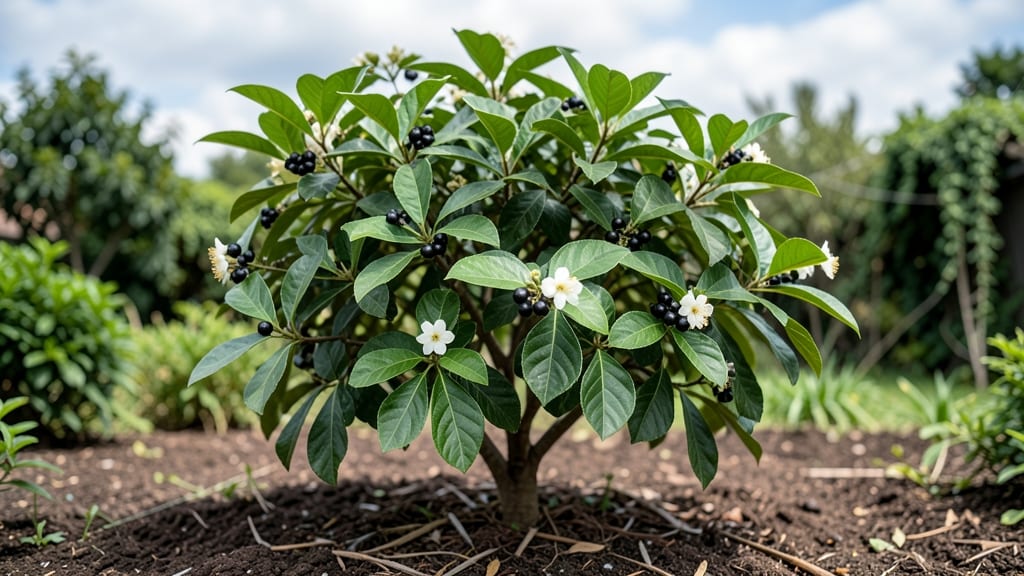
My curry leaf tree care thrives with almost no pruning—just the right light, water, and a little patience. 🌿 The secret lies in mimicking its tropical origins: bright indirect light, well-draining soil, and occasional pruning to shape it without stressing the plant.
I’ve kept mine lush indoors for years, and the fragrant leaves make curry dishes taste like home.
You’ll need a 6-inch pot with drainage holes, a mix of potting soil and perlite, and a spot near a sunny window (or a grow light if indoors).
Water when the top inch feels dry—overwatering is the #1 killer of these trees. A light misting keeps humidity up, which these tropical plants love.
Once established, your tree will reward you with bold new growth every few weeks, and those glossy leaves will stay vibrant all year. The best part? Pruning is optional—just snip leggy stems in spring to encourage bushiness. Even my black thumb keeps this one alive.
Works equally well indoors or outdoors in warm climates (zones 10-11). Here’s how to keep yours thriving without the fuss—no green thumb required!
📚 In This Guide
- What you need
- Instructions
- Tips and common mistakes
- Wrapping up and next steps
What you need
- ● Curry leaf sapling or seeds: Start with a healthy nursery-grown sapling (3–6 feet tall) or fresh seeds (if propagating from scratch).
- ● Well-draining potting mix: Use a blend of cactus/succulent soil (70%) + perlite/vermiculite (30%) for containers. For in-ground planting, amend garden soil with compost (20–30%).
- ○ Pot (optional, for containers): Choose a 12–18-inch diameter pot with drainage holes (terracotta or fabric pots work best).
- ● Pruning tools: Bypass pruners (for small branches & shaping)
- ● Loppers (for thicker branches, ½–1 inch diameter)
- ● Sterilizing solution (70% isopropyl alcohol or bleach-water mix)
- ● Mulch: Organic mulch (e.g., straw or shredded bark) to retain moisture and regulate soil temperature.
- ● Fertilizer: Balanced 10-10-10 NPK fertilizer (spring/fall)
- ○ Citrus-specific fertilizer (optional, for extra nutrients)
- ● Watering can or hose with nozzle: For deep but infrequent watering (avoid soggy roots!).
- ● Slow-release fertilizer tablets (for container plants).
- ● Soil moisture meter (to track watering needs).
- ● Epsom salt (occasional magnesium boost for yellowing leaves).
- ● Pest control: Neem oil or insecticidal soap (for aphids/mealybugs).
- ● Support stake (if planting in windy areas).
Step-by-step instructions for growing a healthy curry leaf tree
Here's how I keep my curry leaf tree thriving with just a few simple, consistent steps.
🌱 Step 1: Choose the Right Spot and Plant Correctly
Curry leaf trees need 6-8 hours of morning sun and afternoon shade—this mimics their native tropical conditions. I plant mine in well-draining soil (a mix of garden soil, compost, and perlite) because soggy roots cause root rot. Dig a hole twice as wide as the root ball but only as deep—burying too deep suffocates the roots.
After planting, water deeply to settle the soil around the roots. You'll know it's right when water drains freely from the bottom of the hole. Mulch with 2-3 inches of organic mulch (like wood chips) to retain moisture and regulate soil temperature. Keep mulch 2 inches away from the trunk to prevent rot.
☀️ Step 2: Water Consistently Without Overdoing It
Curry leaf trees love moisture but hate soggy feet. Water once a week during the growing season (spring and summer) until the top 2 inches of soil feel dry. In winter, cut back to every 2-3 weeks—the tree enters a natural dormancy. I always check by sticking my finger in the soil; if it feels damp, wait another day.
Water at the base of the plant in the morning to reduce evaporation. Avoid wetting the leaves—this prevents fungal diseases like powdery mildew. You'll notice healthy leaves are deep green and leathery; yellowing or wilting means you're either overwatering or underwatering.
✂️ Step 3: Prune Lightly to Encourage Bushier Growth
Minimal pruning is key—curry leaf trees grow best when left mostly alone. I trim only in late winter or early spring (just before new growth starts) to shape the tree and remove dead or crossing branches. Use clean, sharp pruning shears and cut just above a leaf node at a 45-degree angle to promote healing.
Never prune more than 25% of the tree at once—this stresses the plant. Focus on inner branches to improve airflow and sunlight penetration. You'll see new growth within 2-3 weeks if you've pruned correctly. Avoid heavy pruning in summer; it can shock the tree during its active growing phase.
🪴 Step 4: Fertilize Sparingly for Strong Growth
Feed your curry leaf tree once in early spring with a balanced, slow-release fertilizer (10-10-10 or similar). I mix 1 tablespoon of fertilizer into the top 2 inches of soil around the base, then water deeply to help it dissolve. Over-fertilizing burns roots—stick to this once-a-year rule unless your soil is particularly poor.
You'll notice lush, vibrant new leaves within 4-6 weeks of fertilizing. If the tree looks weak (pale or sparse leaves), it might need a light dose of iron (like chelated iron) for chlorosis. Always water before fertilizing to prevent root burn.
⏰ Step 5: Protect From Pests and Seasonal Changes
Curry leaf trees are tough but can fall prey to aphids, mealybugs, or spider mites. I inspect leaves weekly and spray with neem oil (mixed 1:10 with water) if I spot pests. For severe infestations, repeat every 3-4 days until they're gone. Healthy trees rarely have issues, so good care prevents most problems.
In winter, move potted trees to a cool, bright spot (like a garage with natural light) if temperatures drop below 50°F. Container-grown trees are more vulnerable to cold. You'll know it's struggling if leaves yellow or drop—bring it indoors immediately if frost threatens.
Tips & tricks for perfect curry leaf tree care
Here's what nobody tells you about keeping your curry leaf tree happy without the fuss.
Lighting Secret: That 6-8 hours of morning sun is non-negotiable—it's when the tree gets its energy boost. I've found that placing my tree near an east-facing window gives perfect morning light while protecting it from harsh afternoon rays. If you notice leaves turning pale or growing sparse, it's a sign your tree isn't getting enough morning sun.
Soil Science: The well-draining soil mix (garden soil, compost, and perlite) is crucial—this tree hates soggy roots. I always test drainage by pouring water into the hole before planting; if water pools after 10 minutes, I add more perlite. For potted trees, ensure the container has drainage holes—no exceptions! The 2-3 inches of mulch helps regulate moisture but remember to keep it 2 inches away from the trunk to prevent rot.
Watering Wisdom: The finger-in-the-soil test is your best friend. If the top 2 inches feel dry, it's time to water—but only at the base in the morning. I've learned the hard way that watering leaves leads to powdery mildew. In winter, I cut back to every 2-3 weeks and watch for wilting leaves, which means the tree needs water or it's too cold. Yellow leaves usually mean overwatering or poor drainage.
Pruning Precision: That late winter/early spring timing is perfect for pruning because the tree is just waking up. I focus on removing only dead or crossing branches—never more than 25% at once. The 45-degree angle cut helps water run off, preventing rot. For bushier growth, I trim inner branches to improve airflow. If you see new growth within 2-3 weeks, you've pruned correctly!
Pro Tips for Curry Leaf Tree Care
- Here's what nobody tells you about keeping your curry leaf tree happy without the fuss.
- Lighting Secret: That 6-8 hours of morning sun is non-negotiable—it's when the tree gets its energy boost.
- Soil Science: The well-draining soil mix (garden soil, compost, and perlite) is crucial—this tree hates soggy roots.
Frequently asked questions
about curry leaf tree care—because even the easiest plants need a little troubleshooting love!How often should I prune my curry leaf tree?
Prune your curry leaf tree lightly 2–3 times a year: once after flowering (spring), once after harvest (summer), and a light trim in late winter to remove dead branches. Avoid heavy pruning—this tree thrives with minimal intervention!
Can I grow a curry leaf tree in a pot?
Yes! Curry leaf trees adapt well to containers, but choose a large pot (at least 15–20 gallons) with drainage holes. Use well-draining soil and repot every 2–3 years. Just ensure it gets full sun (6+ hours daily) and regular watering.
How do I protect my curry leaf tree in winter?
Curry leaf trees are tropical and hate cold. If temps drop below 40°F (4°C), move potted trees indoors near a sunny window or cover outdoor trees with frost cloth. Mulch the base to retain warmth. No need for extra drama—just a cozy spot!
Why are the leaves turning yellow or dropping?
Yellowing leaves usually mean overwatering or nutrient deficiency. Let the top 2 inches of soil dry out between waterings, and fertilize every 2–3 months with a balanced organic fertilizer. Check for pests (like spider mites) too—neem oil helps!
Can I substitute curry leaves with something else in cooking?
While nothing beats fresh curry leaves, you can use dried leaves (1 tsp fresh = ½ tsp dried), curry powder, or even kaffir lime leaves in a pinch. For authenticity, though, grow your own—it’s easier than you think!
Wrapping up and next steps
Caring for a curry leaf tree is simpler than you think—just a little patience, the right tools, and a few seasonal tweaks can keep your tree thriving with minimal pruning effort.
Whether you’re a beginner or a seasoned gardener, these tips ensure your tree stays healthy, productive, and full of aromatic leaves year-round. 🌿
Now that you’re armed with knowledge, why not take the next step? Start by inspecting your tree today—trim those overgrown branches, adjust its sunlight, and watch it reward you with lush, fragrant foliage. Happy pruning! ✂️💚