
Trees
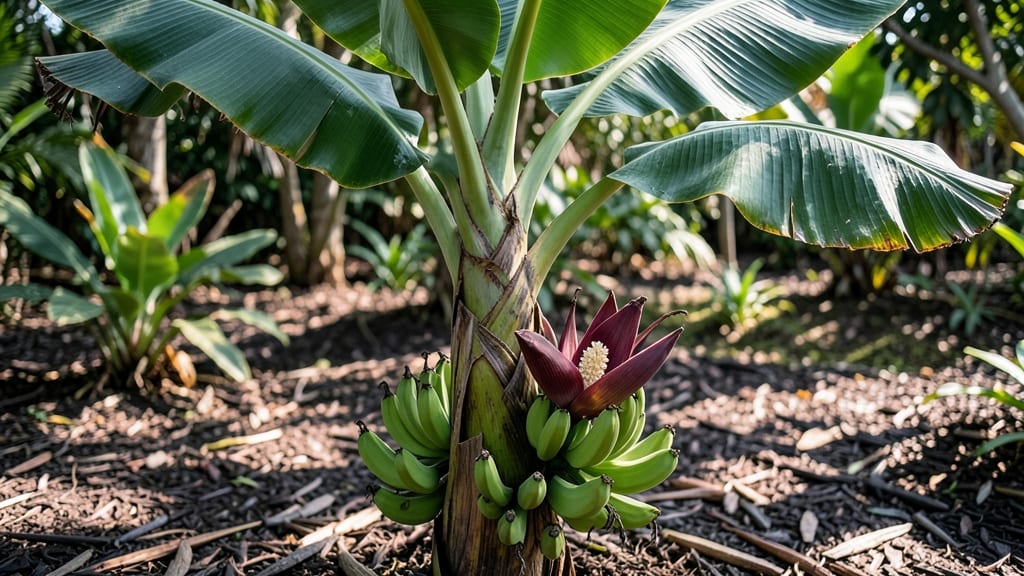
Growing banana leaf trees in containers brings that lush tropical vibe to any patio or balcony. ✨ These dramatic plants—whether true bananas (Musa) or ornamental varieties like Strelitzia—thrive when you mimic their jungle origins with the right setup.
I’ve grown them for years, and the secret isn’t complex: it’s about matching their love for warmth, moisture, and space to your growing conditions.
You’ll need a large container (at least 15 gallons) with drainage, rich potting mix, and a sunny spot—6+ hours of light daily—to keep those bold leaves reaching skyward. Most varieties tolerate partial shade, but the bigger the leaves, the more sunlight they’ll crave.
Water consistently, letting the top inch dry between soakings, and fertilize monthly during growing season with a balanced formula. True bananas (Musa) may need winter dormancy, while Strelitzia keeps growing year-round.
By summer, you’ll be rewarded with floor-length leaves that sway dramatically in breezes, plus the occasional exotic bloom (if you’re lucky!). Prune leggy growth to encourage bushier habits, and repot every 2–3 years to refresh the soil.
The best part? These plants clean the air while adding instant tropical drama—no greenhouse or greenhouse skills required.
Works for both true banana lovers and those after ornamental statement plants. Whether you’re growing Musa for fruit potential or Strelitzia for showstopping foliage, the container approach makes it possible anywhere. Let’s get those leaves unfurling!
📚 In This Guide
- What you need
- Instructions
- Tips and common mistakes
- Wrapping up and next steps
What you need
- ● Banana leaf tree (Musa spp.) – Choose a healthy nursery-grown sapling or a mature plant (6–12 inches tall). Pro tip: Look for plants with vibrant, undamaged leaves and sturdy stems!
- ○ Container – A large, well-draining pot (12–18 inches in diameter) with drainage holes. Optional: Self-watering pots for convenience.
- ● High-quality potting mix – A chunky, well-aerated blend (e.g., 60% peat moss, 20% perlite, 20% compost). Pro tip: Avoid heavy garden soil—it retains too much moisture!
- ● Slow-release fertilizer – A balanced, organic fertilizer (10-10-10 or 5-5-5) to kickstart growth.
- ● Gloves & long sleeves – Banana leaf saplings can have sharp edges!
- ● Trowel or small shovel – For planting and soil prep.
- ● Watering can or hose with a gentle spray nozzle – Banana leaf trees love moisture but hate soggy roots.
- ○ Mulch (optional) – 2–3 inches of organic mulch (e.g., straw or coconut coir) to retain moisture and regulate temperature.
- ○ Support stake (optional) – A 3–4 ft bamboo stake if your tree grows tall and needs extra stability.
- ● A warm, humid environment (65–85°F) with bright, indirect light (e.g., a sunroom, patio, or greenhouse). Note: Direct sunlight can scorch leaves!
- ● Consistent watering routine – Keep soil evenly moist but not waterlogged (water when the top 1–2 inches feel dry).
- ● Patience! – Banana leaf trees grow fast but need time to establish roots (3–6 months for noticeable growth).
Step-by-step instructions for growing banana leaf trees in containers
Here's how to cultivate these striking tropical plants at home—no greenhouse required.
🌱 Step 1: Select the Right Container and Soil Mix
Choose a 12-15 gallon container with drainage holes—banana leaf trees need room for their fibrous root systems. I prefer terra cotta pots because they wick away excess moisture, preventing root rot. If using plastic, add a 2-inch layer of gravel at the bottom to improve drainage.
Fill the pot with a well-draining potting mix blended with 20% perlite or orchid bark. This mimics their native tropical soil while preventing compaction. Avoid garden soil—it's too dense and can suffocate roots. Mix in a slow-release fertilizer (10-10-10 ratio) to give your plant a nutrient boost right away.
🌿 Step 2: Plant Your Banana Leaf Tree Properly
Remove the plant from its nursery pot and gently loosen the roots if they're circling. Place it in the container so the top of the root ball sits 1 inch below the rim—this prevents water from spilling over when you water. Fill the remaining space with your prepared soil mix, pressing lightly to eliminate air pockets.
Water immediately after planting until water runs freely from the drainage holes. This settles the soil and removes any air gaps around the roots. Banana leaf trees thrive in bright, indirect light, so position your container near an east or west-facing window. If you notice leaves yellowing or stretching toward the light, it’s time to move it closer to a brighter spot.
☀️ Step 3: Master Watering and Light for Lush Growth
Keep the soil evenly moist but never soggy—these tropical plants love humidity but hate waterlogged roots. Water when the top 2 inches of soil feel dry to the touch, typically 2-3 times per week in warm weather. Reduce watering in winter when growth slows. I like to use a moisture meter to check soil conditions, especially in winter when evaporation slows.
Supplement natural light with a grow light if needed, especially in winter. Aim for 12-14 hours of light daily. You’ll know your plant is happy when it produces large, glossy leaves with minimal yellowing. If leaves start browning at the edges, it’s often a sign of low humidity—mist the leaves occasionally or place the pot on a tray of pebbles filled with water to increase moisture in the air.
✂️ Step 4: Prune and Fertilize for Healthy Growth
Prune your banana leaf tree in early spring to encourage bushier growth. Remove any yellow or damaged leaves at the base of the stem. You can also trim back leggy stems by one-third to promote branching. Use sterilized pruning shears to make clean cuts just above a leaf node—this prevents disease and encourages new growth.
Fertilize every 4-6 weeks during the growing season (spring through fall) with a balanced liquid fertilizer diluted to half strength. In winter, reduce fertilizing to once every 8-10 weeks as growth slows. Over-fertilizing can burn roots, so always follow package instructions and rinse the soil occasionally to prevent salt buildup.
🪴 Step 5: Overwintering and Long-Term Care
As temperatures drop below 50°F, move your banana leaf tree indoors near a sunny window or under grow lights. Reduce watering to once every 7-10 days, allowing the top 3 inches of soil to dry out between waterings. Avoid cold drafts—these plants are tropical and sensitive to sudden temperature drops.
Every 2-3 years, repot your banana leaf tree into a container 2-4 inches larger to accommodate its growing root system. This also gives you a chance to refresh the soil and check for pests. If you notice yellowing leaves despite proper care, it could signal nutrient deficiency—switch to a citrus or tropical plant fertilizer for a few months to address the issue.
Tips & tricks for perfectly thriving banana leaf trees in containers
Between us, these tropical beauties are easier to grow than most people realize—once you know the little secrets that make all the difference. Here's what nobody tells you about keeping your banana leaf tree lush and happy.
Container Material Matters: While terra cotta pots are my top recommendation for their moisture-wicking properties, don't dismiss plastic containers entirely. If you choose plastic, that critical 2-inch gravel layer at the bottom becomes non-negotiable. I've seen plastic pots work beautifully when properly modified—just be vigilant about drainage. The key is mimicking the airy, well-draining conditions of their native tropical forest floor.
Root Ball Placement Secret: That 1-inch gap between the root ball and container rim isn't just about aesthetics—it's a drainage lifeline. When you water, this space prevents soil from spilling over while allowing excess water to escape. I've learned this the hard way after watching water pool at the rim and create soggy conditions that led to root rot. Trust me on this.
Light Quality Over Quantity: While aiming for 12-14 hours of light daily is ideal, don't get obsessed with the clock. Focus on the quality of light instead—banana leaf trees prefer bright but indirect sunlight. East or west-facing windows are perfect, but if you're using artificial grow lights, position them 6-12 inches above the plant to prevent leaf scorch. I've noticed my plants actually prefer the softer, diffused light of an east window over harsh midday sun.
Humidity Hack for Indoor Growers: The browning edges you see in winter aren't just a cosmetic issue—they're your plant's way of screaming for more humidity. Beyond occasional misting, try this pro move: Place your container on a tray filled with pebbles and water, ensuring the pot doesn't sit directly in water. This creates a natural humid microclimate that can work wonders, especially in dry indoor environments. It's like giving your plant its own little tropical rainforest.
Pro Tips for Banana Leaf Trees
- Between us, these tropical beauties are easier to grow than most people realize—once you know the little secrets that make all the difference.
- Container Material Matters: While terra cotta pots are my top recommendation for their moisture-wicking properties, don't dismiss plastic containers entirely.
- Root Ball Placement Secret: That 1-inch gap between the root ball and container rim isn't just about aesthetics—it's a drainage lifeline.
Frequently asked questions
Got questions about growing banana leaf trees in containers? You’re not alone! Here are some of the most common queries—and their easy answers—to help you cultivate lush, tropical foliage with confidence.
How fast do banana leaf trees grow in pots?
Banana leaf trees (like Musa basjoo or Strelitzia nicolai) grow at a moderate pace in containers—expect 1–2 feet per year with proper care. Growth slows in winter but speeds up in spring/summer with bright, indirect light and regular watering. Prune leggy fronds to encourage bushier growth!
Can banana leaf trees survive winter in containers?
Most banana leaf trees are tender perennials and need winter protection. Move pots to a cool, bright spot (50–60°F) indoors or wrap them in burlap if outdoors. Avoid freezing temps—Strelitzia (bird-of-paradise) is slightly hardier but still benefits from shelter.
How often should I water a potted banana leaf tree?
Water when the top 1–2 inches of soil feel dry—usually 1–2 times per week in summer, less in winter. Overwatering causes root rot, so ensure pots have drainage holes and use a well-draining mix (cactus soil + perlite works well). Yellow leaves? You’re likely overwatering!
What are the best alternatives if banana leaf trees are hard to find?
If you can’t locate banana leaf trees, try these low-maintenance tropical lookalikes:
- Bird-of-paradise (Strelitzia reginae): Similar height, bold foliage, and stunning orange/blue flowers.
- Kentia palm (Howea forsteriana): Lush, feathery fronds and pet-friendly.
- Dracaena (Dracaena fragrans): Hardy, upright, and thrives in low light.
Why are my banana leaf tree’s tips turning brown?
Brown tips usually mean underwatering or low humidity. Boost moisture by:
- Misting leaves daily (or use a pebble tray).
- Watering deeply until it drains from the bottom.
- Fertilizing with a balanced liquid feed (20-20-20) every 4–6 weeks in growing season.
If the issue persists, check for pests (like spider mites) on the undersides of leaves.
Can I grow banana leaf trees from seed?
Yes, but it’s slow and tricky! Start seeds in warm, moist soil (70–80°F) and keep them under grow lights until sprouts appear (weeks to months). Seedlings need patience and consistent humidity. For faster results, propagate from pups (offspring shoots) if your tree produces them!
Wrapping up and next steps
Banana leaf trees bring a touch of the tropics to your space with their lush, vibrant foliage—perfect for container gardening! Whether you’re drawn to their striking leaves or the ease of growing them in pots, these plants offer beauty and practicality.
With the right care, you’ll enjoy their lush presence year-round, even in small spaces.
Ready to bring home your own banana leaf tree? Start by selecting the right variety, gathering your supplies, and following the care tips shared here. Your tropical oasis is just a few steps away! 🌿✨