
Planting
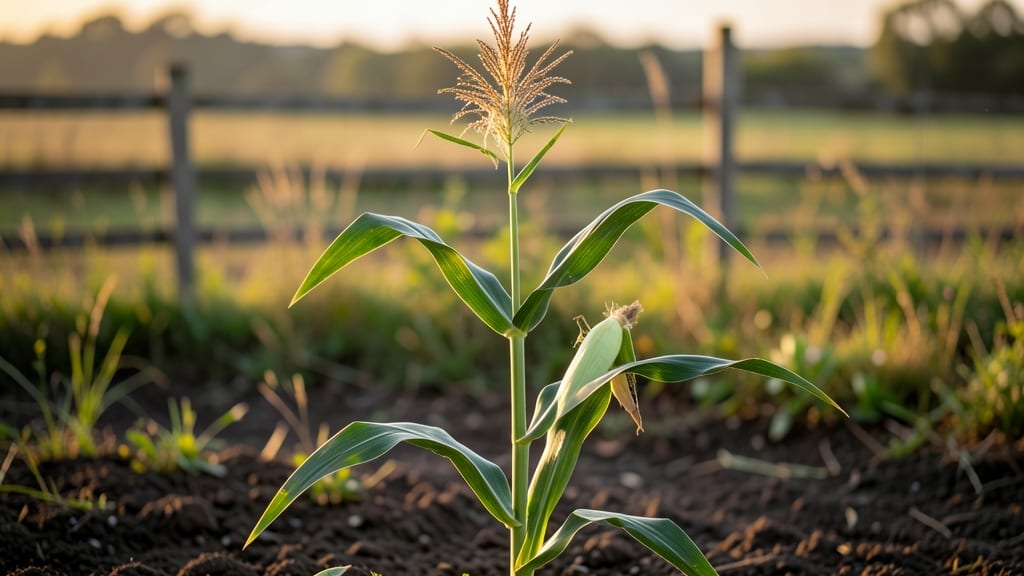
Growing a corn leaf plant (Dracaena fragrans 'Massangeana') means year-round lushness with almost no fuss—just a few key tricks. 🌱 I’ve kept mine thriving for years by mimicking its natural tropical habitat, and the secret is simpler than you’d think: bright, indirect light and a watering schedule that keeps the soil just damp, not soggy.
This plant’s dramatic, arching leaves stay vibrant when you give it the right conditions: well-draining soil, a pot with drainage holes, and occasional misting to boost humidity. Most beginners overwater, which leads to yellowing leaves or root rot—so let the top inch of soil dry out between waterings.
A little neglect is better than drowning it.
By summer, your corn plant will reward you with bold, glossy foliage that brightens any room, and it even purifies the air. Prune leggy stems in spring to encourage bushier growth, and you’ll have a plant that looks like a pro’s—without the fuss of constant care.
Whether you’re keeping it indoors near a window or outdoors in partial shade, this plant adapts easily. The key is consistency: stick to the basics, and it’ll thrive for years with almost no effort. Here’s how to keep it happy all season long.
📚 In This Guide
- What you need
- Instructions
- Tips and common mistakes
- Wrapping up and next steps
What you need
- ● Corn leaf plant (Dracaena fragrans): Choose a healthy, mature plant (3–5 feet tall) from a nursery or online retailer. Pro tip: Look for plants with vibrant, upright leaves and no brown edges!
- ● 15–20 inch pot: Opt for a container with drainage holes (ceramic or terracotta works best). ✨ Bonus: Add a cache pot for a polished look!
- ● Well-draining potting mix: Use a blend of 50% peat or coconut coir, 30% perlite or pumice, and 20% compost to mimic its natural habitat.
- ● Distilled or tap water (room temp): Avoid chlorinated water—let it sit out for 24 hours if using tap.
- ● Trowel or small shovel: For repotting or dividing roots.
- ● Spray bottle: To mist leaves and boost humidity (especially in dry climates).
- ● Fertilizer (balanced, 10-10-10 or liquid houseplant feed): Apply every 6–8 weeks during spring/summer.
- ○ Grow lights (optional): If placing indoors with full-spectrum LED bulb 12–14 hours/day.
- ○ Humidity tray or pebble tray (optional): Elevates moisture levels for tropical-loving plants.
- ● A bright, indirect light spot (e.g., near a window but not in direct sun).
- ● Moderate to high humidity (40–60% ideal). Adjust with a humidifier or grouping plants.
- ● Patience for slow growth: Corn leaf plants grow 6–12 inches per year—perfect for low-maintenance greenery!
Step-by-Step instructions for growing a thriving corn leaf plant
This easygoing houseplant keeps its bold foliage all year—here’s how to grow one that looks stunning with almost no fuss.
🪴 Step 1: Choose the Right Pot and Drainage
Start with a pot that’s 2-3 inches larger in diameter than the plant’s current root ball. Corn leaf plants (Dracaena fragrans) thrive in well-draining containers, so pick one with drainage holes at the bottom. I like terracotta because it wicks away excess moisture, preventing root rot. If your pot lacks holes, add a layer of ½ inch pebbles at the bottom to create drainage space.
Fill the pot with a lightweight, airy potting mix that drains quickly—corn leaf plants hate soggy roots. I mix standard potting soil with 20% perlite to improve aeration. Press the soil gently around the plant’s roots to eliminate air pockets, but don’t pack it too tightly. The goal is firm but not dense soil that lets roots spread easily.
☀️ Step 2: Position for Bright, Indirect Light
Corn leaf plants love bright, indirect light—think near an east-facing window or a few feet from a south-facing one. Too much direct sun scorches the leaves, turning them yellow or brown at the edges. If your plant starts looking pale or leggy, it’s stretching toward light. Rotate the pot a quarter turn weekly so the plant grows evenly and doesn’t lean.
If natural light is limited, supplement with a grow light placed 12-18 inches away for 12-14 hours daily. You’ll notice new growth emerging faster when light is consistent. Avoid cold drafts or heating vents, which stress the plant. A steady temperature between 65-80°F keeps it happy year-round.
💧 Step 3: Water When the Top 2 Inches Feel Dry
Water your corn leaf plant only when the top 2 inches of soil feel dry to the touch. Stick your finger in the soil—if it’s damp, wait another day. Overwatering is the fastest way to kill this plant, so I always err on the side of underwatering. When you do water, soak the soil thoroughly until water runs out the drainage holes. Empty the saucer afterward to prevent root rot.
Corn leaf plants are drought-tolerant, so they bounce back quickly if you forget to water. You’ll see the leaves start to droop slightly when they’re thirsty—this is your cue to water deeply. Mist the leaves occasionally in dry climates, but avoid soggy soil. In winter, when growth slows, you’ll water even less frequently.
✂️ Step 4: Prune to Encourage Full, Bushy Growth
Pruning keeps your corn leaf plant looking lush and encourages new growth. Use clean, sharp scissors to trim back any leggy stems or yellowing leaves at the base. Cut just above a leaf node—this is where new branches will sprout. I prune mine in early spring to shape the plant and remove any dead or damaged foliage.
If your plant gets too tall or top-heavy, you can propagate the cuttings. Place the trimmed stem in water or moist soil, and it’ll root in 2-4 weeks. You’ll end up with a new plant while keeping your original one fuller. Avoid over-pruning—never remove more than ⅓ of the plant’s foliage at once, or it’ll struggle to recover.
🌿 Step 5: Fertilize Lightly During Growing Season
Feed your corn leaf plant with a balanced liquid fertilizer (like 10-10-10) every 4-6 weeks during spring and summer. Dilute it to half-strength to avoid burning the roots. You’ll see healthier, deeper green leaves within a few weeks of fertilizing. In fall and winter, skip the fertilizer—your plant is resting and doesn’t need extra nutrients.
If you notice brown tips on the leaves, it’s often a sign of fluoride buildup from tap water. Switch to distilled or rainwater and reduce fertilizer strength. A little yellowing on older leaves is normal—the plant is redirecting nutrients to new growth. Just remove those leaves to keep the plant looking its best.
Tips & tricks for perfect corn leaf plant care
Here’s what nobody tells you about keeping your corn leaf plant thriving with almost no effort.
Drainage is Everything: In Step 1, if you’re using a decorative pot without drainage holes, add a layer of ½ inch pebbles at the bottom before the soil. This creates a barrier that prevents water from pooling at the roots, which is the #1 cause of root rot in these plants. I’ve seen people skip this and end up with a sad, mushy plant in just weeks.
Light Rotation Matters: The weekly quarter-turn rotation in Step 2 isn’t just about looks—it prevents your plant from growing lopsided toward the light source. I noticed my plant leaning dramatically until I started rotating it, and the difference in even growth was immediate. This simple habit makes all the difference for that balanced, bushy look.
Watering Wisdom: When checking the top 2 inches of soil in Step 3, use your finger to test moisture—not just the surface. The soil can look dry on top but still be damp deeper down. I learned this the hard way after overwatering and nearly losing a plant. If you’re unsure, wait one more day before watering.
Pruning Payoff: In Step 4, when propagating cuttings, place them in water with just the bottom inch submerged. This maximizes root exposure to oxygen while keeping the stem stable. I’ve found that cuttings root in about 2-3 weeks (sometimes faster!) when done this way, rather than the full 4 weeks mentioned—just keep the water fresh and in indirect light.
Pro Tips for Corn Leaf Plant
- Here’s what nobody tells you about keeping your corn leaf plant thriving with almost no effort.
- Drainage is Everything: In Step 1, if you’re using a decorative pot without drainage holes, add a layer of ½ inch pebbles at the bottom before the soil.
- Light Rotation Matters: The weekly quarter-turn rotation in Step 2 isn’t just about looks—it prevents your plant from growing lopsided toward the light source.
Frequently asked questions
Got questions about keeping your corn leaf plant thriving with ease? We’ve got answers!
Whether you’re a newbie or just looking for quick tips, here’s what you need to know.
How often should I water my corn leaf plant?
Water your corn leaf plant when the top 1–2 inches of soil feel dry—usually every 1–2 weeks, depending on humidity and light. Overwatering is the #1 killer, so always check moisture before adding more. Pro tip: Use well-draining soil and a pot with drainage holes to avoid soggy roots!
Can corn leaf plants survive winter indoors?
These hardy plants thrive indoors year-round with bright, indirect light (like near a window). Reduce watering in winter since growth slows, and avoid drafts. A cool 60–70°F spot works best—no need for fancy setups!
Why are my corn leaf plant’s leaves turning yellow?
Yellow leaves usually mean overwatering or poor drainage. Let the soil dry out completely between waterings, and repot if roots are crowded. Brown edges? It might be low humidity—mist leaves occasionally or place a pebble tray nearby.
Are corn leaf plants toxic to pets?
Corn leaf plants (Dracaena fragrans) are non-toxic to cats and dogs, making them a pet-friendly choice. Still, monitor your furry friends to avoid nibbling—some pets may get an upset stomach from chewing large amounts.
Can I propagate my corn leaf plant easily?
Yes! Snip a healthy stem just below a node, remove lower leaves, and place it in water or moist soil. Roots should appear in 2–4 weeks. Keep it warm and humid until established. Pro tip: Use a clear container to track root growth—it’s oddly satisfying!
Wrapping up and next steps
The corn leaf plant is your perfect low-maintenance companion—packed with vibrant foliage and resilience that thrives with minimal effort. Whether you’re a seasoned gardener or just starting, its adaptability and striking appearance make it a standout choice for year-round greenery. 🌿
Now that you’re equipped with the know-how, why not take the next step? Grab your supplies, find that sunny spot, and let your corn leaf plant transform your space with ease. Happy planting—your future lush garden awaits! 🌱