
Companion Plants
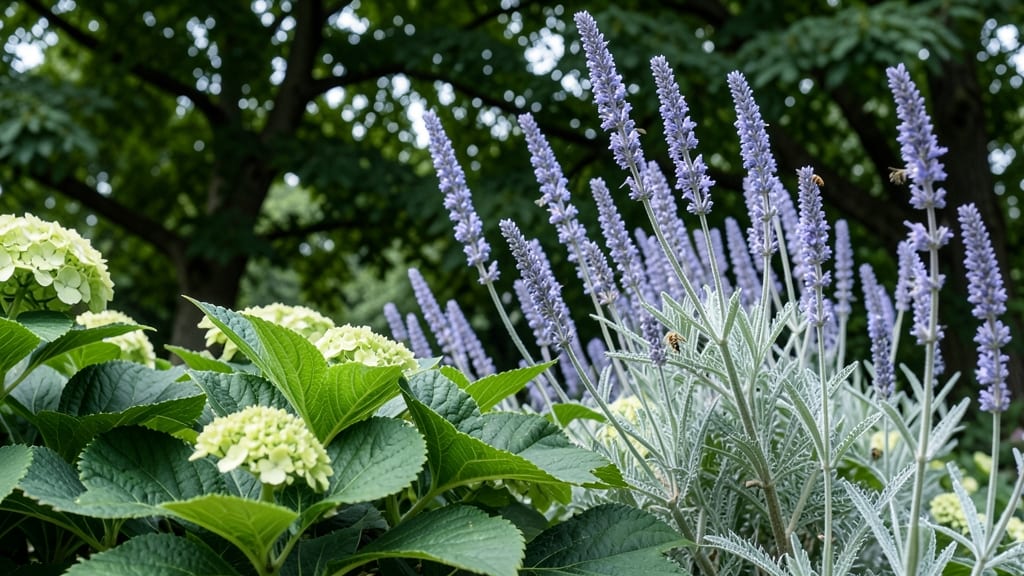
Oakleaf hydrangeas thrive in partial shade but need the right companions to maximize blooms and adaptability. These 10 carefully selected plants enhance soil health, deter pests, and create stunning visual pairings while supporting your hydrangea's unique needs.
Astilbe for Delicate Contrasting Textures
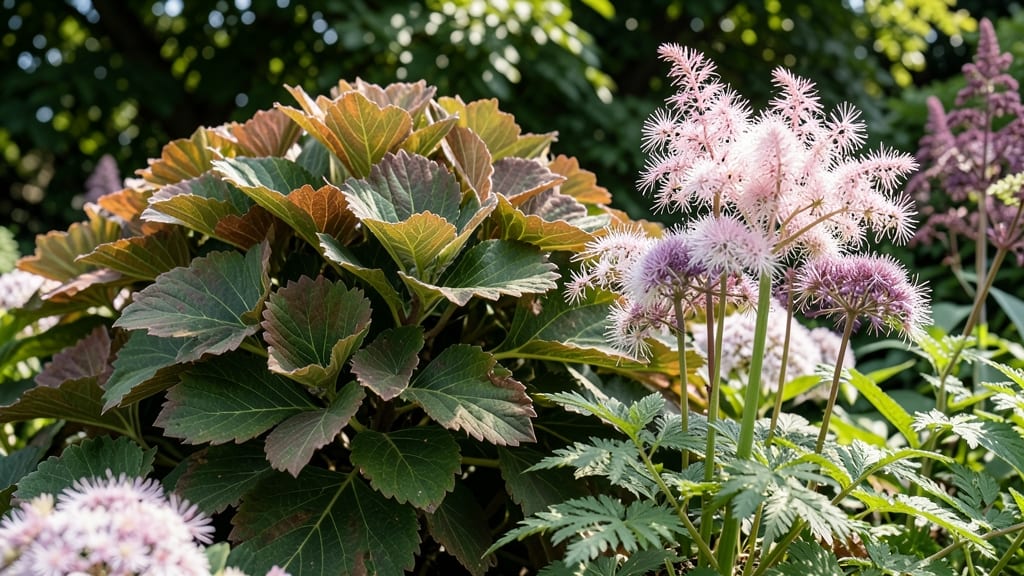
Looking to add visual drama to your oakleaf hydrangea borders without extra maintenance? Astilbe delivers feathery plumes in shades of pink, white, and deep purple that frame hydrangea blooms like a natural artwork—while sharing the same care requirements.
These shade-loving perennials thrive in similar moisture levels and partial shade, creating a seamless transition between your hydrangea's bold foliage and delicate flowers. Plant them within 12-18 inches of hydrangea stems for maximum contrast, or let them spill over container edges for cascading texture. Bonus: Astilbe's late spring to summer bloom time extends your garden's seasonal interest when hydrangeas begin to fade.
Perfect for gardeners who love low-maintenance pairings with high visual impact, astilbe transforms ordinary hydrangea beds into textured masterpieces that keep blooming through summer. 🌷
Ferns for Lush Ground Cover
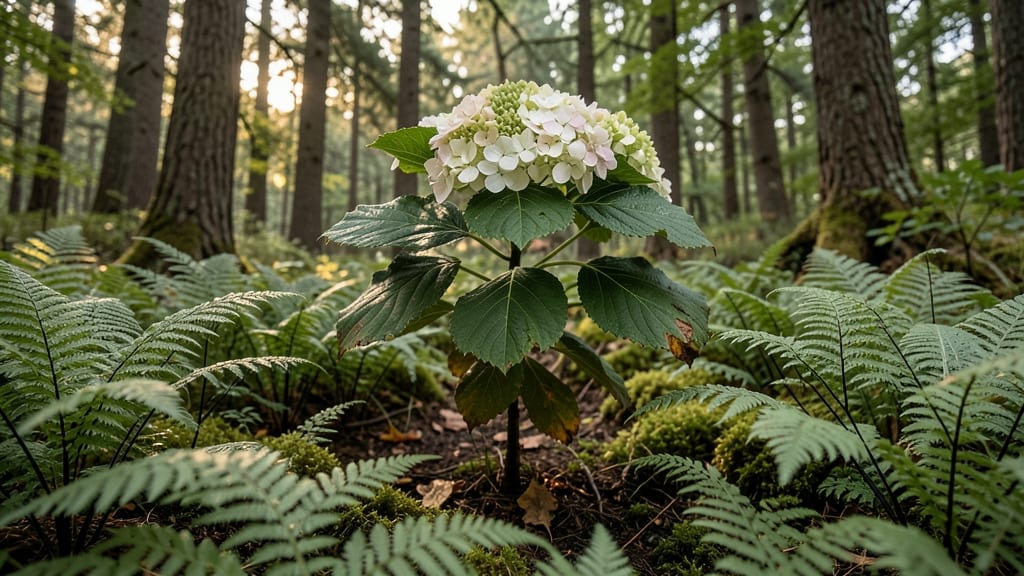
If your oakleaf hydrangea struggles in dry spells or needs a living mulch to keep weeds at bay, native ferns like maidenhair or ostrich fern are the perfect solution. These shade-loving plants create a lush, year-round carpet that retains moisture in the soil—exactly what hydrangeas crave—while adding delicate texture to your garden.
Plant ostrich ferns (with their bold, feather-like fronds) in clusters around your hydrangea’s base to create height variation, or use maidenhair ferns (with their delicate lace-like leaves) for a softer, more refined look. Both thrive in partial shade and moist, well-draining soil, making them ideal for hydrangea’s root zone. Their dense growth naturally suppresses weeds, reducing the need for mulch.
This pairing is especially beneficial for gardeners in woodland or shaded garden settings, where moisture retention is key. The ferns’ evergreen foliage also ensures your garden stays vibrant even in winter. 🌿
Japanese Anemone for Late-Season Color
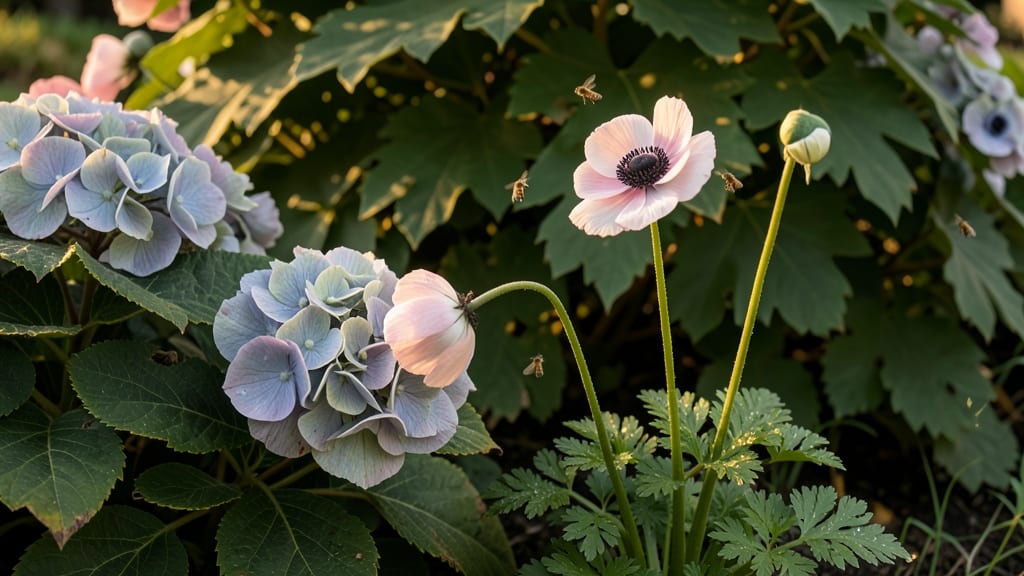
When your oakleaf hydrangea blooms start fading in late summer, Japanese anemone steps in to keep your garden vibrant. This graceful perennial produces delicate, pink or white flowers that bloom from August through frost, extending your seasonal interest while adding a dreamy contrast to your hydrangea's foliage.
The real magic happens underground—Japanese anemone sends down deep roots that break up compacted soil around your hydrangea's roots, improving drainage and aeration. Plant it 18-24 inches away from your hydrangea to avoid root competition while still benefiting from its soil-loosening effects. Its drought-tolerant nature also makes it a low-maintenance choice for busy gardeners.
This pairing is perfect for gardeners who want year-round visual appeal without the fuss. The anemone's late-season blooms will draw pollinators while keeping your garden looking fresh well into autumn. 🌷
Heuchera for Year-Round Foliage Interest
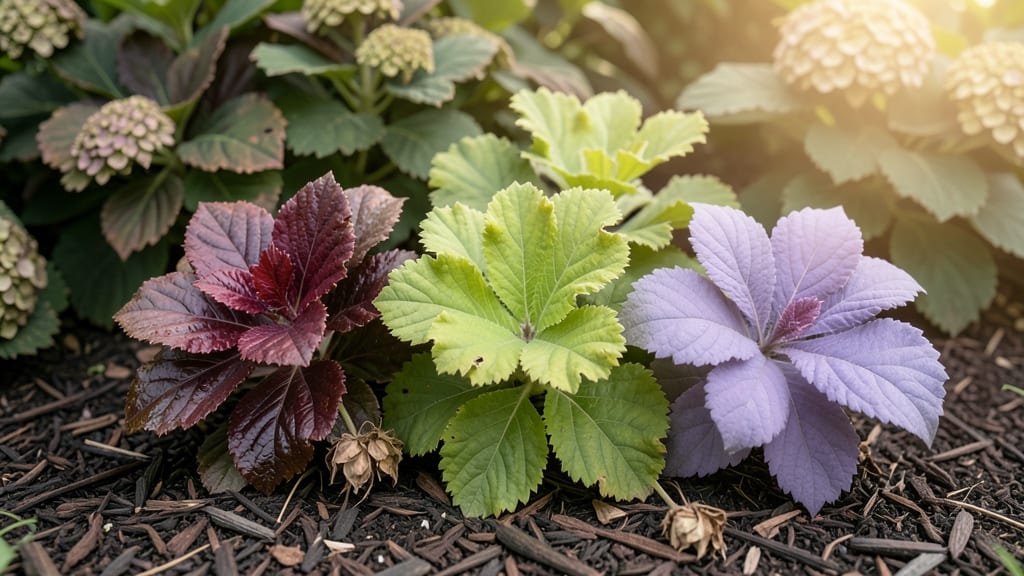
If you're looking for a low-maintenance plant that keeps your garden vibrant even when hydrangeas aren’t blooming, heuchera is your secret weapon. Known for its stunning, ever-changing foliage in shades of purple, lime green, or deep burgundy, this shade-loving perennial adds year-round color while thriving in the same conditions as oakleaf hydrangeas.
Heuchera’s slightly peppery scent naturally deters slugs—those pesky pests that might munch on young hydrangea leaves—making it a protective companion. Plant it in partial shade at the base of your hydrangea for a striking contrast, or use it as a border plant to frame blooms. Its compact size (12–18 inches tall) ensures it won’t compete for space, while its vibrant hues create a stunning visual anchor.
Perfect for urban gardens, containers, or woodland edges, heuchera’s adaptability makes it a must-have for gardeners who want color without the fuss. 🌿
Foxglove for Pest Deterrence
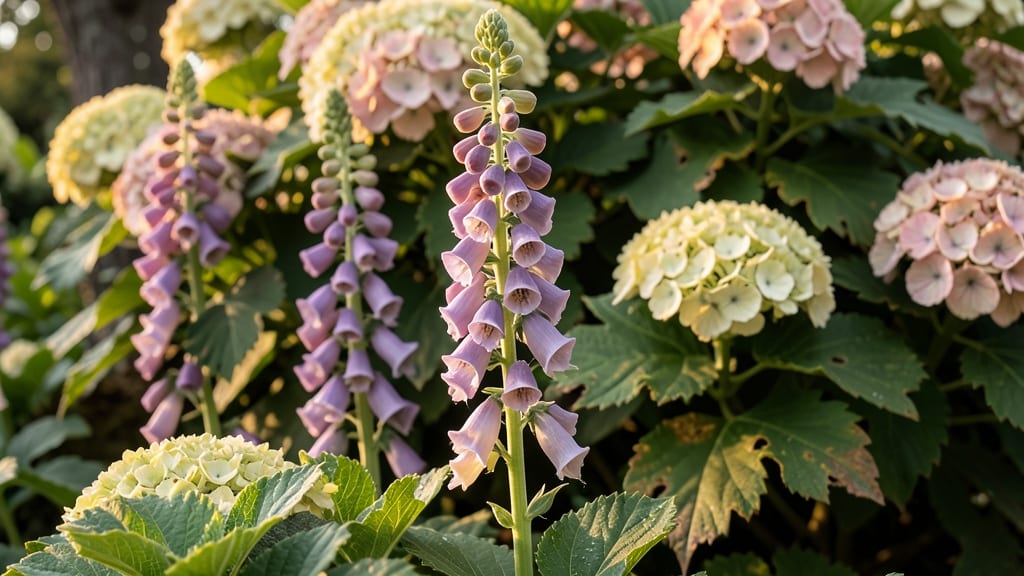
Tired of pests nibbling away at your oakleaf hydrangea? Foxglove stands tall as a natural guardian, deterring both aphids and deer while adding striking vertical drama to your garden. Its towering spikes create a beautiful contrast to hydrangea's lush, horizontal blooms, framing them like a natural backdrop.
Plant foxglove 18-24 inches behind your hydrangea to maximize its pest-repelling benefits while letting it showcase its bell-shaped flowers in shades of purple, white, or pink. This biennial thrives in partial shade and moist, well-drained soil—perfect conditions for oakleaf hydrangeas. Just be mindful of its toxic nature if you have pets or children, as all parts of the plant are poisonous when ingested.
Gardeners with deer or aphid problems will appreciate foxglove's dual role as both a pest deterrent and a stunning architectural element. It's especially effective in cottage-style gardens where its height and texture create visual interest. 🌷
Dwarf Iris for Pollinator Support
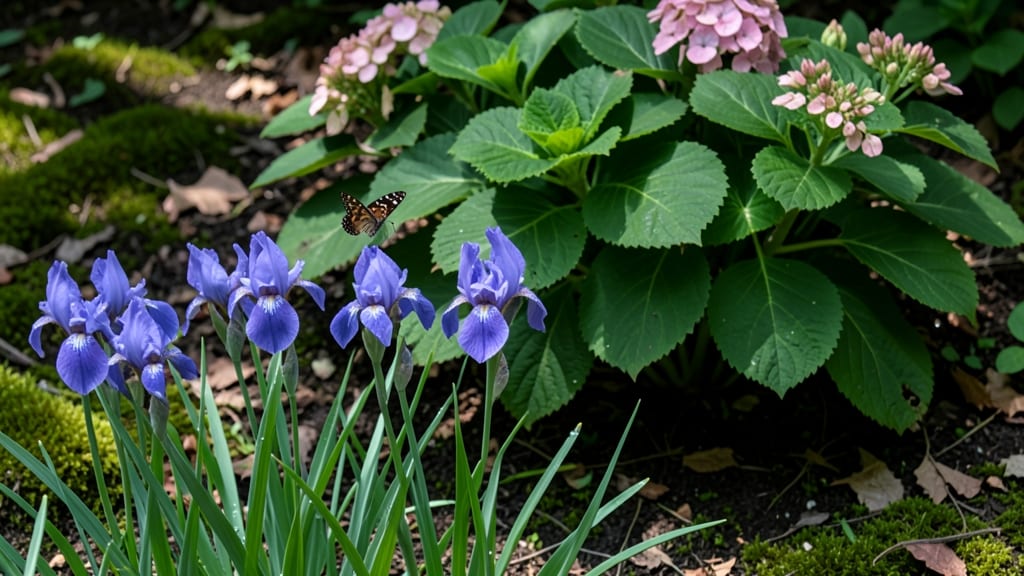
Want to give your oakleaf hydrangea a natural boost in fertilization while attracting pollinators early in the season? Dwarf iris is the perfect unsung hero for your shade garden. These compact beauties bloom in late spring—just as hydrangeas begin their show—drawing bees and butterflies that will pollinate your hydrangea flowers, leading to stronger blooms later.
Plant dwarf iris in the same moist, well-draining soil your hydrangea loves, and enjoy their striking sword-like foliage that stays attractive even in winter. Varieties like Arilbred or Purple Sword thrive in partial shade and add a pop of purple or blue that complements hydrangea blooms beautifully. Their early flowers also provide nectar when few other plants are in bloom, making them a pollinator magnet.
This is especially great for gardeners who want low-maintenance yet impactful pairings—dwarf iris requires minimal care once established and won’t compete with your hydrangea for resources. Plus, their vertical blooms add height and texture to your garden’s layers. 🌱
Coral Bells for Extended Bloom Time
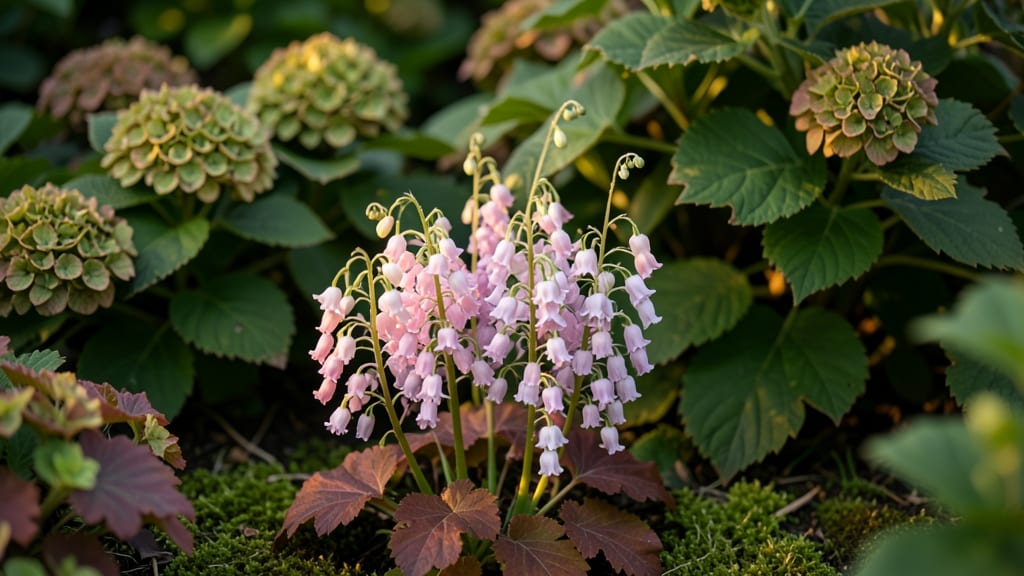
Tired of gaps in your garden's seasonal color show? Coral bells (Heucherella) bridge those empty spaces with their spring-to-fall blooming habit, perfectly timing their delicate flowers between hydrangea's peak seasons.
These shade-loving perennials thrive in the same partial shade conditions as oakleaf hydrangeas while improving soil structure with their deep roots. Choose varieties like 'Berry Smoothie' or 'Plum Pudding' for subtle pink and purple hues that harmonize with hydrangea's blooms. Plant them 12-18 inches away to create a natural transition between your hydrangea's bold foliage and other companions.
Perfect for gardeners who want low-maintenance color extensions without sacrificing hydrangea's star status. 🌷
Sweet Woodruff for Fragrant Ground Cover
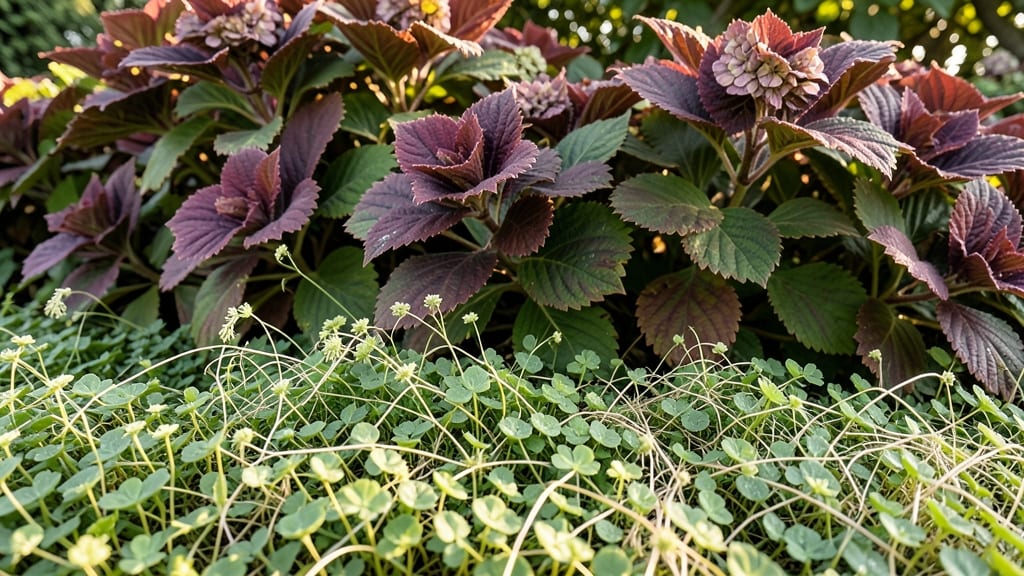
If you love the scent of fresh hay or vanilla, sweet woodruff is your ideal fragrant ground cover for oakleaf hydrangea beds. This low-growing perennial spreads gently to create a lush, green carpet while releasing its signature vanilla-like aroma when crushed—especially delightful on warm spring mornings.
Beyond its fragrance, sweet woodruff thrives in the same dappled shade conditions as hydrangeas, suppressing weeds naturally and attracting beneficial insects like hoverflies and lacewings that prey on garden pests. Its delicate white flowers in spring also add subtle contrast to hydrangea blooms, while its fine foliage stays tidy with minimal maintenance.
Perfect for gardeners who want a low-maintenance, pollinator-friendly solution that enhances both the look and health of their hydrangea roots, sweet woodruff is especially useful in shaded borders or woodland gardens where other ground covers might struggle. 🌿
Hosta for Moisture Retention
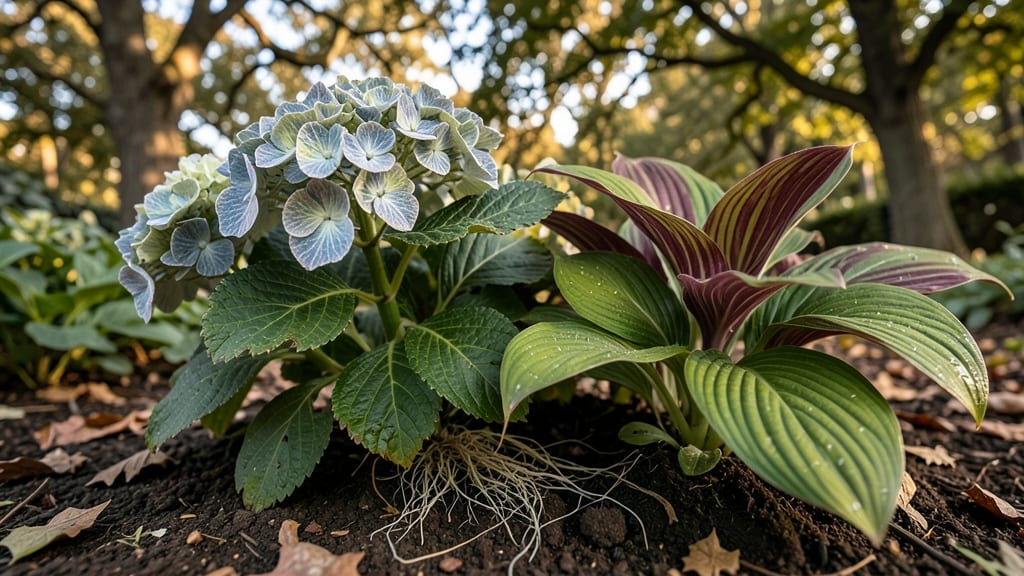
If your oakleaf hydrangea struggles with uneven moisture in partial shade, hosta is the unsung hero that keeps soil consistently damp while adding bold drama. Their thick, waxy leaves act like natural moisture sponges, releasing water slowly to hydrangea roots during dry spells—ideal for woodland gardens where watering is inconsistent.
Choose blue-green varieties like 'Halcyon' or 'Patriot' for striking contrast against hydrangea's burgundy foliage, or variegated types for added texture. Plant hosta 12-18 inches away from hydrangea stems to avoid root competition while creating a lush, layered look. Their shade tolerance mirrors oakleaf hydrangea's preferences perfectly, making them a low-maintenance match.
This pairing is especially valuable for gardeners in humid climates or under large trees, where moisture retention becomes critical. The hosta's broad leaves also provide subtle shade for hydrangea roots during peak summer heat. 💚
Russian Sage for Pollinator Magnet

If your oakleaf hydrangea thrives in partial shade but needs a boost of airflow and pollinator activity, Russian sage is the perfect partner. This drought-tolerant perennial stands tall with silvery foliage and lavender-blue flower spikes, creating a stunning vertical contrast while drawing bees and butterflies to your garden.
Plant it 3-4 feet behind your hydrangea to improve circulation around dense clusters, reducing fungal risks like powdery mildew. Russian sage’s deep roots also break up compacted soil, benefiting hydrangea roots over time. Its late-summer to fall blooming season extends your garden’s interest long after hydrangeas fade.
Ideal for low-maintenance gardens or dry shade spots, this plant thrives with minimal watering once established. Gardeners in hotter climates will especially appreciate its ability to handle heat while keeping hydrangeas healthier. 🌻