
Leaf Blower
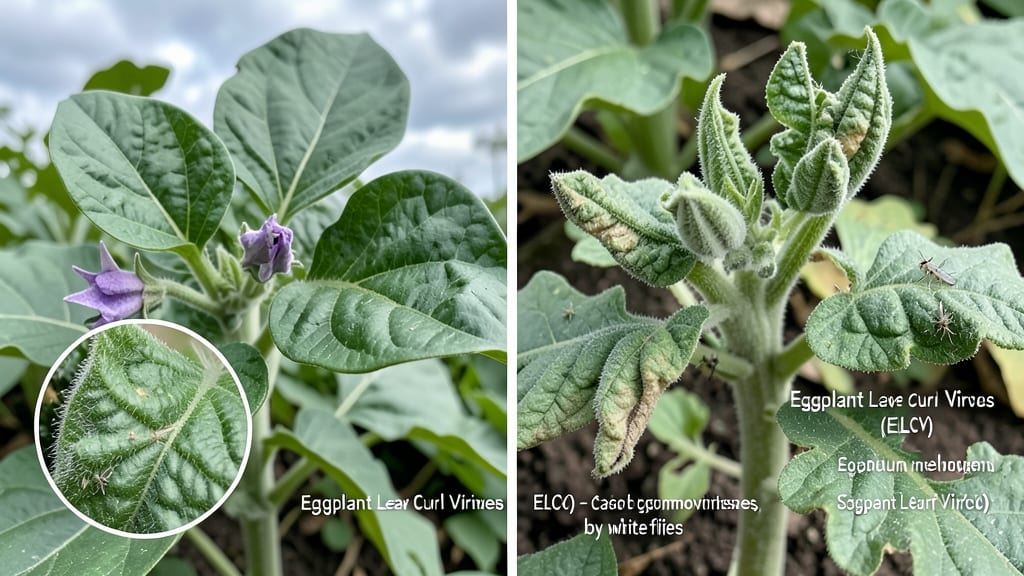
Your eggplants are curling at the edges, and no amount of pruning fixes it—this is eggplant leaf curl virus, and copper spray is your best shot at saving the harvest. 🌿 I’ve watched this stubborn virus turn vibrant plants into sad, stunted shadows, but copper sprays can slow it down when applied early.
The key is acting fast before the leaves pucker into useless cups.
Whiteflies spread this virus like wildfire, and once they land, your plants are basically handing them a welcome mat. I’ve seen entire beds collapse in weeks if left unchecked—yellowing, curling, and fruit that never matures.
Copper spray disrupts the virus’s party by interfering with the insects that carry it, but it’s not a magic bullet. Combine it with sticky traps and neem oil for a one-two punch.
You’ll notice the first signs—tiny whiteflies on the undersides of leaves, followed by those telltale crispy, curled edges. If caught early, copper spray can buy you time to harvest what’s left and prevent further spread.
But here’s the hard truth: once the plant is fully infected, it’s better to pull it and sanitize the spot. No amount of spraying will bring back that crisp, glossy foliage.
Prevention is your real ally: start with resistant varieties like ‘Black Beauty’ or ‘Ichiban,’ and keep whiteflies off your plants with reflective mulch or row covers. Copper spray should be part of your spring and summer toolkit, not a last-ditch effort.
Think of it like insurance—you hope you never need it, but when you do, it’s a game-changer.
Root Causes Of Plant Viral Spread
Eggplant leaf curl virus (ELCV) isn’t just a random bad luck scenario—it thrives due to specific conditions and behaviors in your garden. Understanding these triggers is the first step to stopping its spread. Here’s why your plants might be falling victim to this stubborn pathogen.
The primary culprit behind ELCV transmission is the whitefly, a tiny sap-sucking insect that feeds on plant juices. These pests don’t just weaken your eggplants—they act as vectors, carrying the virus from infected plants to healthy ones as they move between leaves.
- How it works: Whiteflies excrete honeydew (a sticky residue) while feeding, which can harbor the virus. When another whitefly lands nearby, it picks up the virus on its mouthparts and spreads it to the next plant.
- Why it’s dangerous: A single whitefly can transmit the virus within minutes of feeding on an infected plant. Once established, the virus spreads systemically—meaning it moves through the plant’s vascular system, causing irreversible damage.
- Actionable insight: Monitor undersides of leaves (whiteflies love the shade there) and use yellow sticky traps to catch them early. Neem oil or insecticidal soap can disrupt their life cycle before they become a full-blown outbreak.
ELCV doesn’t disappear when you pull up an infected plant—it persists in soil, tools, and even plant debris. If you’re not practicing strict hygiene, you’re essentially replanting the problem.
- How it spreads:
- Contaminated soil: The virus can survive in weeds and volunteer plants (unintentionally sprouted eggplants or related nightshades like tomatoes).
- Reused tools: Pruners, gloves, or even your hands can transfer the virus from infected to healthy plants.
- Compost piles: If infected plant material is composted, the virus may survive and reinfect new crops.
- Why it’s a problem: Even if you remove infected plants, the virus can overwinter (survive through winter) in plant residue, ready to infect your next crop.
- Actionable fix:
- Remove all infected plants and their roots—don’t leave stubble!
- Disinfect tools with 70% rubbing alcohol or a bleach solution (1 part bleach to 9 parts water).
- Avoid planting eggplants or tomatoes in the same spot for 2–3 years to break the virus cycle.
ELCV is most aggressive in hot, humid environments, where whiteflies thrive and plant defenses weaken. If your growing zone leans toward USDA Hardiness Zones 7–11, you’re in high-risk territory.
- Why heat and humidity help:
- Whitefly populations explode when temperatures stay above 77°F (25°C).
- Plant stress increases—drought or heat shock makes eggplants more susceptible to viral infection.
- Slow drying of leaves (from humidity) creates ideal conditions for whiteflies to feed and spread the virus.
- Actionable strategies:
- Use shade cloth (30–50%) to reduce leaf temperature and deter whiteflies.
- Improve air circulation with proper spacing (18–24 inches between plants) to lower humidity on leaves.
- Water early in the day to let foliage dry quickly, making it less attractive to whiteflies.
Buying or saving seeds from infected plants is a fast track to disaster. The virus can be present in seedlings before you even notice symptoms, leading to a garden-wide outbreak.
- How it happens:
- Nurseries or seed suppliers may unknowingly sell infected seedlings that look healthy but carry the virus internally.
- If you save seeds from a plant showing even mild symptoms, the virus is likely already embedded in the genetic material.
- Why it’s risky: Once the virus is in your seedlings, it’s untreatable. You’ll either have to destroy the entire batch or risk spreading it to mature plants.
- Actionable prevention:
- Buy seedlings from reputable, disease-free suppliers (ask about virus-testing protocols).
- If growing from seed, sterilize seed trays with a 10% bleach solution before use.
- Avoid grafting onto infected rootstock—this is a common (but often overlooked) transmission route.
By tackling these root causes head-on, you’re not just treating symptoms—you’re cutting off the virus’s lifeline. The next section will show you how copper-based sprays can be your secret weapon in this fight. 🚀
Beat Back Curl Disease Naturally
Now that you understand why your eggplants are curling and stunting, let’s roll up our sleeves and tackle this pesky problem head-on! The good news? With a mix of preventive care, cultural fixes, and targeted treatments, you can save your plants—and future harvests—from the grip of leaf curl virus.
Below, we’ve mapped out practical, step-by-step solutions tailored to the root causes we covered earlier.
Cause: Whitefly spread + viral infection Fix:
- 🔪 Snip and toss any plants showing severe curling, yellowing, or stunted growth. Do not compost them—bag and discard to prevent reinfection.
- 🚪 Quarantine new plants for 2–3 weeks before introducing them to your garden. Watch for early symptoms like leaf puckering.
- 🌿 Rotate crops—avoid planting eggplants (or other solanaceae like tomatoes/peppers) in the same spot for 3–4 years to break the virus cycle.
💡 Pro Tip: If you’re dealing with a small garden, consider sacrificing a few plants early to monitor whitefly activity. Catching them before they spread saves the whole batch!
Cause: Fungal/bacterial secondary infections + whiteflies Fix:
- 🍳 Mix homemade copper spray (1 tsp copper sulfate + 1 gallon water + a drop of dish soap as a sticker). Spray early morning or late evening to avoid leaf burn.
- ⏰ Apply every 7–10 days during outbreaks, focusing on undersides of leaves (where whiteflies hide).
- 🌡️ Boost immunity with a neem oil spray (1 tbsp neem oil + 1 tsp soap per quart of water) to repel whiteflies and strengthen plants.
⚠️ Warning: Avoid spraying copper on flowering plants—it can harm pollinators. Stick to foliage only.
Cause: Virus vector = whiteflies Fix:
- 🕸️ Yellow sticky traps – Hang them near plants to catch adult whiteflies before they lay eggs.
- 💦 Blast off pests – Use a strong spray of water (early morning) to knock whiteflies off leaves.
- 🐞 Introduce beneficial insects – Ladybugs, lacewings, and parasitic wasps (like Encarsia formosa) devour whiteflies. Buy them online or attract them with dill or fennel as companion plants.
🎯 Prevention Hack: Reflective mulch (aluminum foil or silver plastic) confuses whiteflies and reduces egg-laying by up to 70%!
Cause: Weakened plants = easier virus entry Fix:
- 💧 Water deeply but less often – Overhead watering spreads disease. Use drip irrigation to keep leaves dry.
- 🌱 Feed with compost tea – A balanced organic fertilizer (like fish emulsion or worm castings) boosts plant vigor.
- 🌞 Provide shade cloth (30–50%) if your climate is hot and dry—stressed plants are more susceptible.
🔥 Bonus: Interplant with basil or marigolds—these repel whiteflies and improve air circulation, reducing humidity (a virus lover!).
To keep leaf curl virus at bay year after year, follow this non-negotiable routine:
- 🌱 Start with disease-free seedlings – Buy from reputable nurseries or grow from sterilized seeds.
- 🧼 Sterilize tools – Dip pruners in rubbing alcohol between plants to avoid cross-contamination.
- 🌿 Monitor regularly – Check undersides of leaves weekly for whiteflies or early curl symptoms.
- 🗓️ Plant resistant varieties – Some eggplant types (like ‘Ichiban’ or ‘Rosa Bianca’) show better tolerance.
- 🌍 Practice crop rotation – Never plant solanaceae in the same bed consecutively.
🌟 Final Thought: While there’s no cure for leaf curl virus once it takes hold, early action + prevention can mean the difference between a total loss and a bountiful, healthy harvest. Stay vigilant, and your eggplants will thank you with crisp, glossy leaves—and delicious, virus-free fruit! 🍆✨
Frequently asked questions
Can copper spray actually cure eggplant leaf curl virus?
Copper spray won't cure an already infected plant, but it can prevent further spread by disrupting whitefly populations—the main carriers of the virus. When used early (every 7–10 days) as part of a broader strategy (like sticky traps and neem oil), it buys time to harvest existing fruit and protect nearby plants.
How do I know if my eggplant has leaf curl virus or just heat stress?
Leaf curl virus causes permanent leaf curling that worsens over time, while heat stress curls leaves temporarily (they straighten when cooled). Check for whiteflies on undersides of leaves—if present, that's a strong virus indicator. Also look for stunted growth or yellowing veins, which don't occur with heat stress alone.
Will removing infected plants stop the virus from spreading?
Removing infected plants is critical, but you must also disinfect tools and clean up debris to prevent reinfection. The virus can survive in soil and plant residue for years—practice 3-year crop rotation and avoid composting infected material. Even a single missed whitefly can restart the cycle.
Are there eggplant varieties that resist leaf curl virus?
Yes! Varieties like 'Ichiban' and 'Rosa Bianca' show better tolerance than common types. For maximum protection, choose disease-resistant seedlings from reputable nurseries (ask about virus-testing). Even resistant varieties need proper care—whitefly control is still essential to prevent outbreaks.
Can I still harvest fruit from infected eggplants?
You can harvest existing fruit before removing infected plants, but avoid eating fruit from heavily infected plants—the virus can reduce quality. Focus on young, healthy fruit first. Once a plant shows severe symptoms (yellowing, stunting), remove it immediately to protect neighboring plants.